
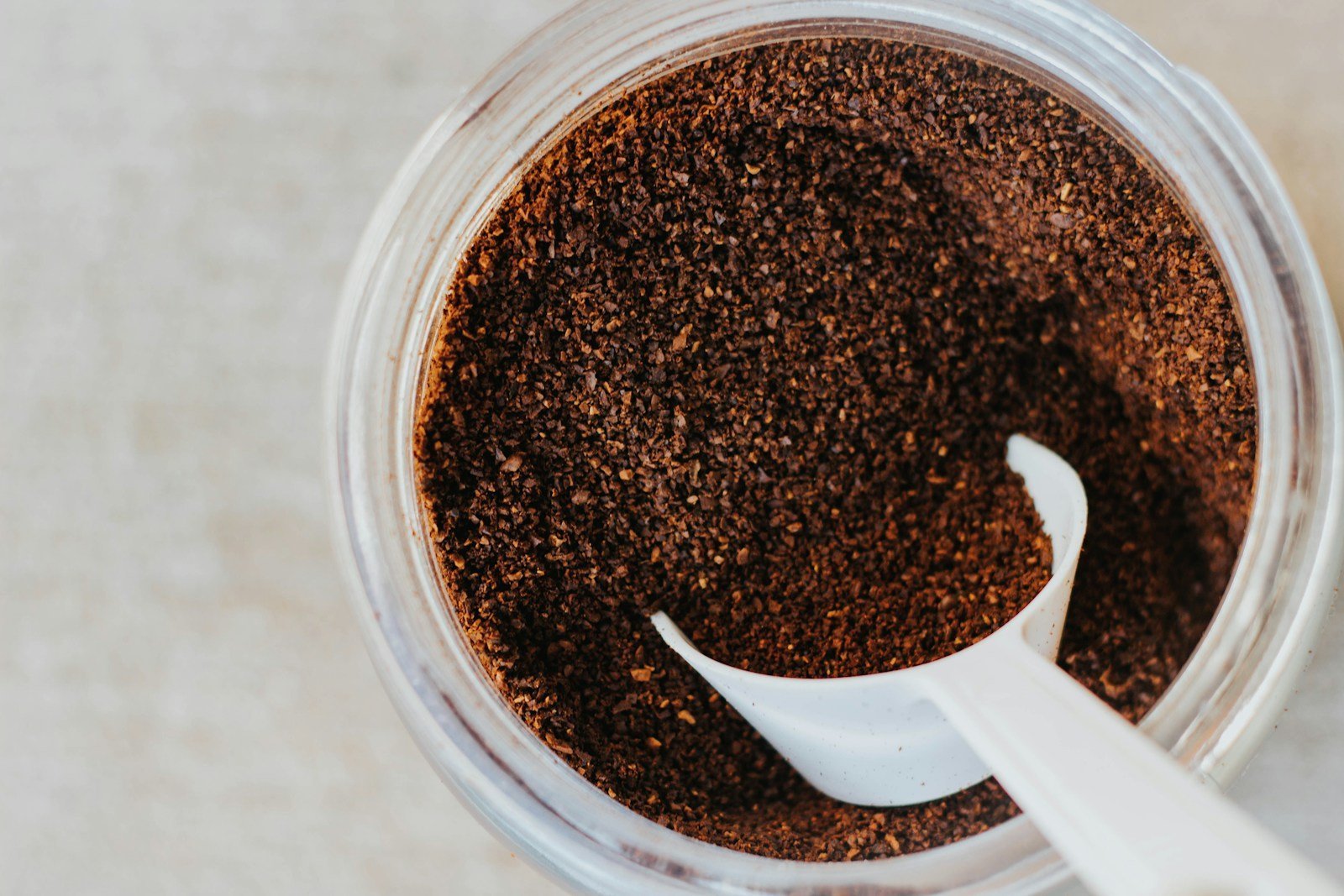
Yes, you can drink ground coffee, but the experience is usually gritty and unpleasant. It’s safe to consume these particles as they’re just roasted coffee beans, though your digestive system may find the texture uncomfortable. If you decide to try it, drink only small amounts to avoid an upset stomach.
Determining coffee ground consumption
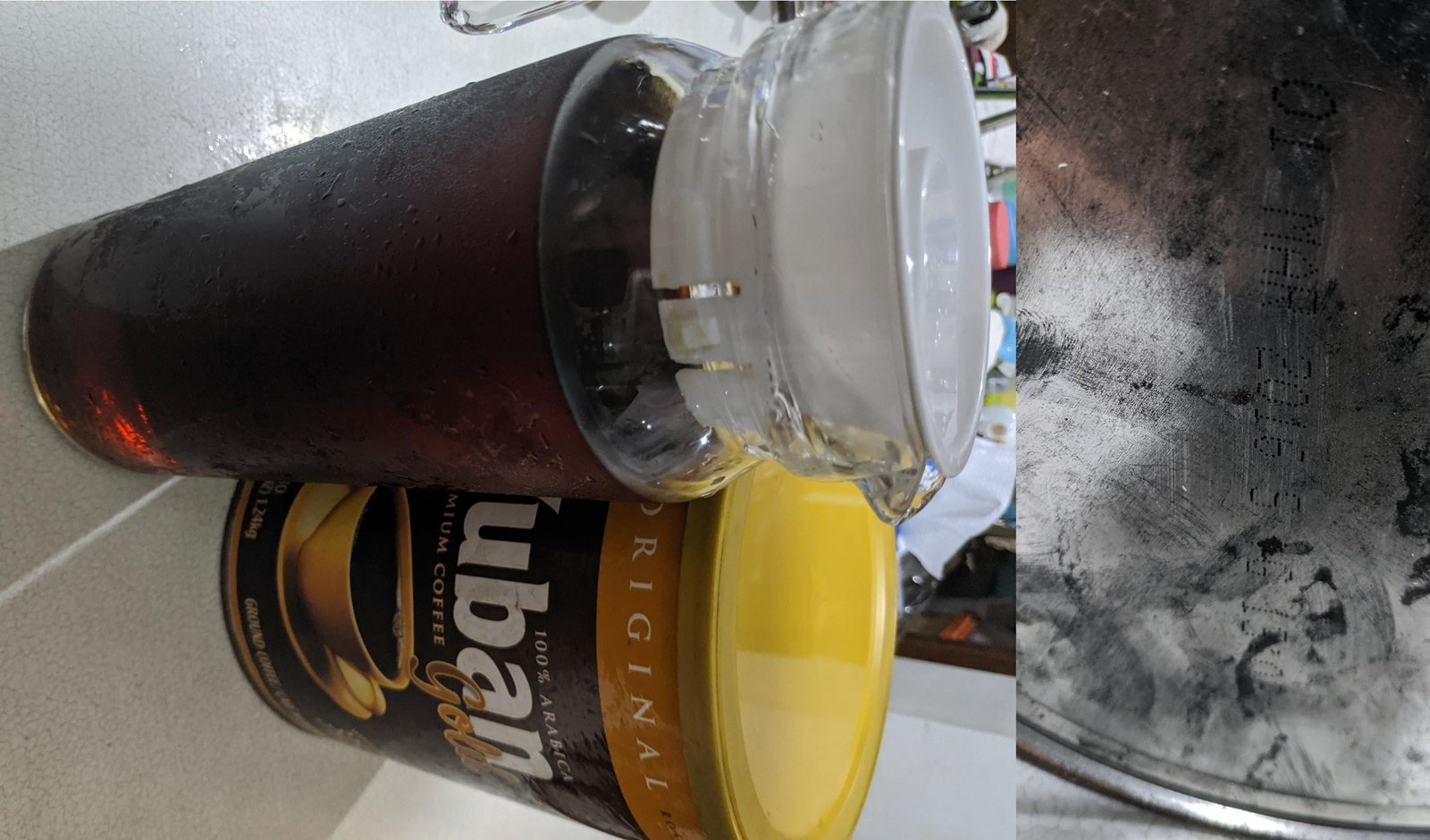
Whether or not you should swallow coffee grounds depends on your preference for texture and your digestive sensitivity. While grounds aren’t toxic, they remain in the stomach longer than liquid and can cause mild irritation for some people.
| Your situation | Answer | Why |
|---|---|---|
| Accidental swallow | Yes | It’s harmless in small amounts |
| Turkish coffee | Yes | The grounds are intentionally left in |
| Full cup of grounds | No | Texture is gritty and unpleasant |
| Sensitive stomach | No | Grounds can trigger acid reflux |
| Cold brew concentrate | Yes | If filtered properly before serving |
| Eating used grounds | Maybe | Caffeine content is mostly gone |
The reason behind the texture
The primary factor that decides whether you should consume coffee grounds is the physical sensation of the insoluble fiber in your mouth and throat. Coffee beans are roasted and ground into tiny, hard particles that don’t dissolve in water. While the liquid extracts the oils and flavor compounds during brewing, the solid cellulose structure remains intact. If you swallow a large volume of these particles, the insoluble fiber may act as a mild laxative or cause bloating in individuals with sensitive digestive tracts. According to the FDA’s guidance on food safety, fiber is a normal part of the diet, but concentrated amounts of coarse plant material can cause discomfort if you aren’t used to it. If you have a sensitive gut, avoid these particles; if you’re drinking traditional unfiltered coffee, you can tolerate small amounts.
Preparing coffee safely
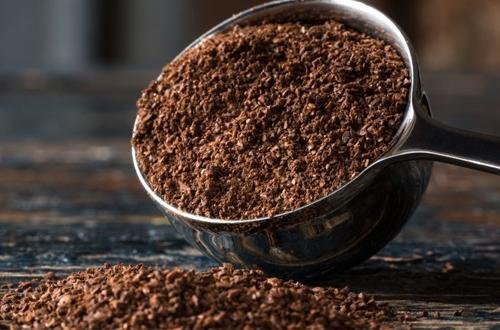
If you want to consume coffee grounds in a traditional style like Turkish coffee, follow these steps to ensure the best result.
- Grind the beans extremely fine, almost to the consistency of powdered sugar, so the particles are less noticeable.
- Mix one tablespoon of grounds with four ounces of cold water in a small pot.
- Heat the mixture slowly until it just begins to foam, then remove it from the heat immediately.
- Let the cup sit for three minutes to allow the majority of the grounds to settle at the bottom.
- Sip the liquid slowly while leaving the thick sludge at the bottom of the cup.
If you aren’t using a method designed for grounds, use a paper filter or a fine-mesh metal screen to remove them before drinking. If you have a history of digestive issues like IBS, avoid consuming any grounds entirely.
The mistake people make
Many people assume that since coffee grounds are plant-based, they’re a healthy superfood that should be eaten in large quantities. This mistake often leads to severe heartburn or stomach cramping because the high acidity and caffeine concentration in unused grounds are much stronger than in a brewed cup. Consuming more than one or two tablespoons of raw or spent grounds can cause significant digestive distress. The best check is to monitor your physical reaction after a tiny amount; if you feel burning in your chest or stomach, stop immediately.
When to seek professional advice
- Persistent abdominal pain after ingestion suggests your stomach lining is reacting to the acidity.
- Severe nausea or vomiting indicates you may have a specific intolerance to the high caffeine density in raw grounds.
- Allergic reactions like hives require a doctor’s visit, as some people react to the specific proteins in roasted beans.
If you experience these symptoms, consult a medical professional, as the irritation may be more than simple indigestion.
Can you drink ground coffee if it’s expired?
Yes, you can drink it, but the flavor will be stale or rancid. Expired coffee isn’t toxic, but the oils in the beans oxidize over time, leading to a flat, paper-like taste.
Is it safe to eat coffee grounds for energy?
No, it isn’t recommended because the caffeine concentration is unpredictable. Eating grounds can lead to caffeine jitters, rapid heart rate, or headaches if you consume too much, as the caffeine is highly concentrated.
Will coffee grounds hurt my teeth?
No, they won’t damage your enamel, but they can be abrasive. If you have sensitive gums or dental work, the hard particles might get stuck or cause minor irritation during chewing.
Can I put ground coffee in a smoothie?
Yes, but use only a half-teaspoon to avoid a gritty texture. Mixing it into a thick liquid helps mask the sensation of the grounds, but it will still provide a coarse, sandy mouthfeel.
Why do some cultures drink grounds?
Traditional methods like Turkish or Greek coffee use very fine grounds to create a strong, full-bodied extraction. The grounds aren’t meant to be eaten, but rather to settle at the bottom of the cup.
What happens if I swallow a lot of coffee grounds?
You might experience mild digestive distress, such as gas or bloating. Because grounds are mostly insoluble fiber, your body will pass them through your system, but the process may be uncomfortable for some.
Start by brewing your coffee using a fine-mesh filter to keep the grounds out of your cup. If you find grounds in your drink, you can safely consume the small amount that slips through. If you feel stomach pain, stop drinking that specific cup immediately.