
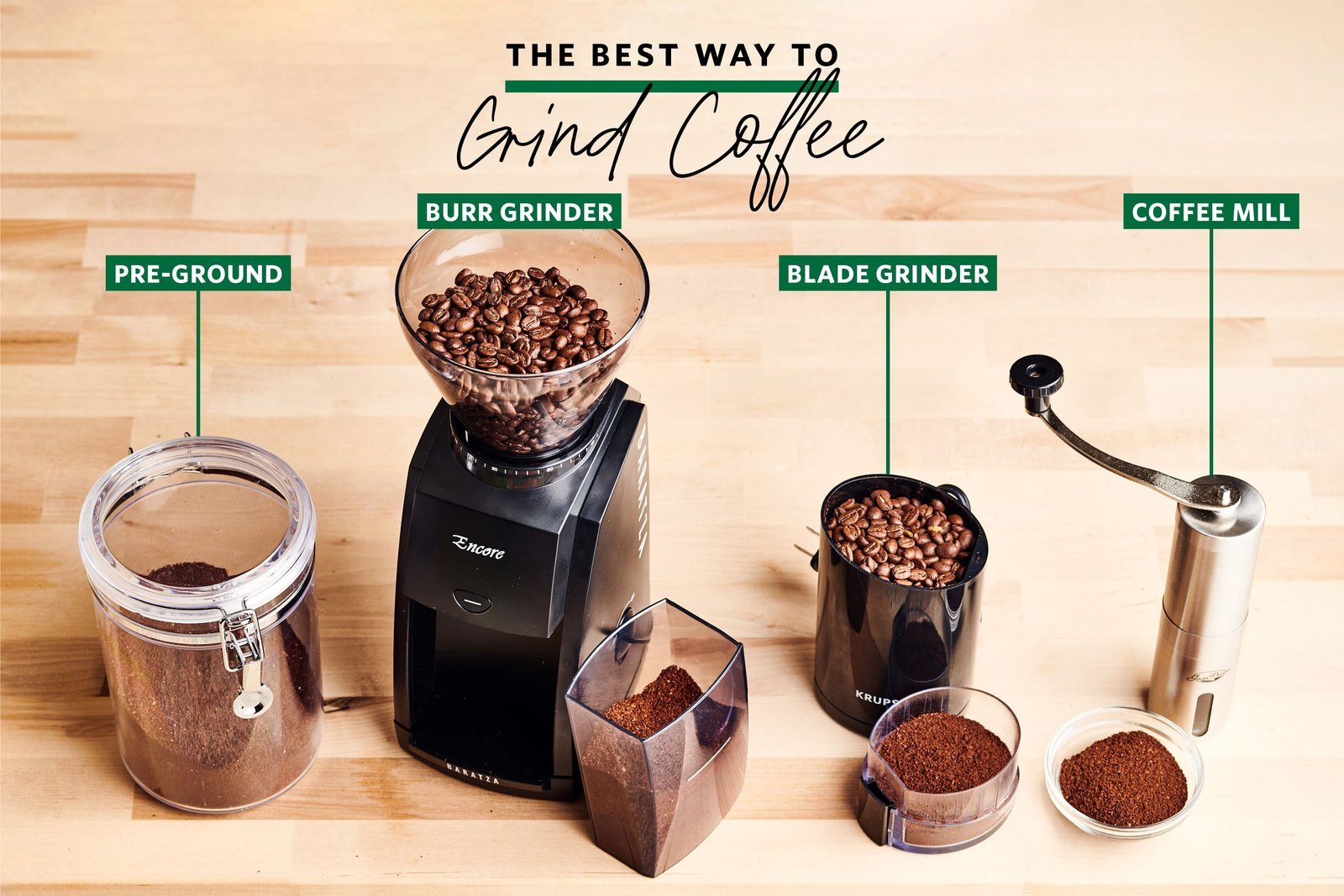
You usually can’t put ground coffee in a grinder because the machine is designed to break down whole beans, not process pre-ground particles. Most household coffee grinders won’t effectively change the texture of grounds, and attempting to do so risks damaging the internal motor or burrs.
Situations for grinding coffee
Photo: www.coffeehit.co.uk on Google
| Your situation | Answer | Why |
|---|---|---|
| Using a blade grinder | No | It just creates uneven dust |
| Using a burr grinder | No | Fine particles clog the mechanism |
| Re-grinding for espresso | No | It won’t reach correct density |
| Cleaning out old grounds | Yes | It removes stale residue only |
| Processing whole beans | Yes | It’s built for this task |
| Grinding oily beans | Yes | Requires more frequent cleaning |
The mechanics of your grinder
The main reason you can’t put ground coffee in a grinder is that the machine relies on the physical size of whole beans to create resistance. A burr grinder uses a specific gap between two metal or ceramic plates to crush beans into a uniform size. When you insert already ground coffee, there’s no resistance, which causes the particles to pass through without changing. If you have a blade grinder, the spinning metal propeller will simply toss the fine grounds around rather than cutting them further. This creates a mess and can force fine coffee dust into the motor housing. If the grounds are too fine, they may also jam the adjustment collar. If your beans are whole, use the grinder; if they’re already grounds, keep them as they are.
How to handle coffee grounds
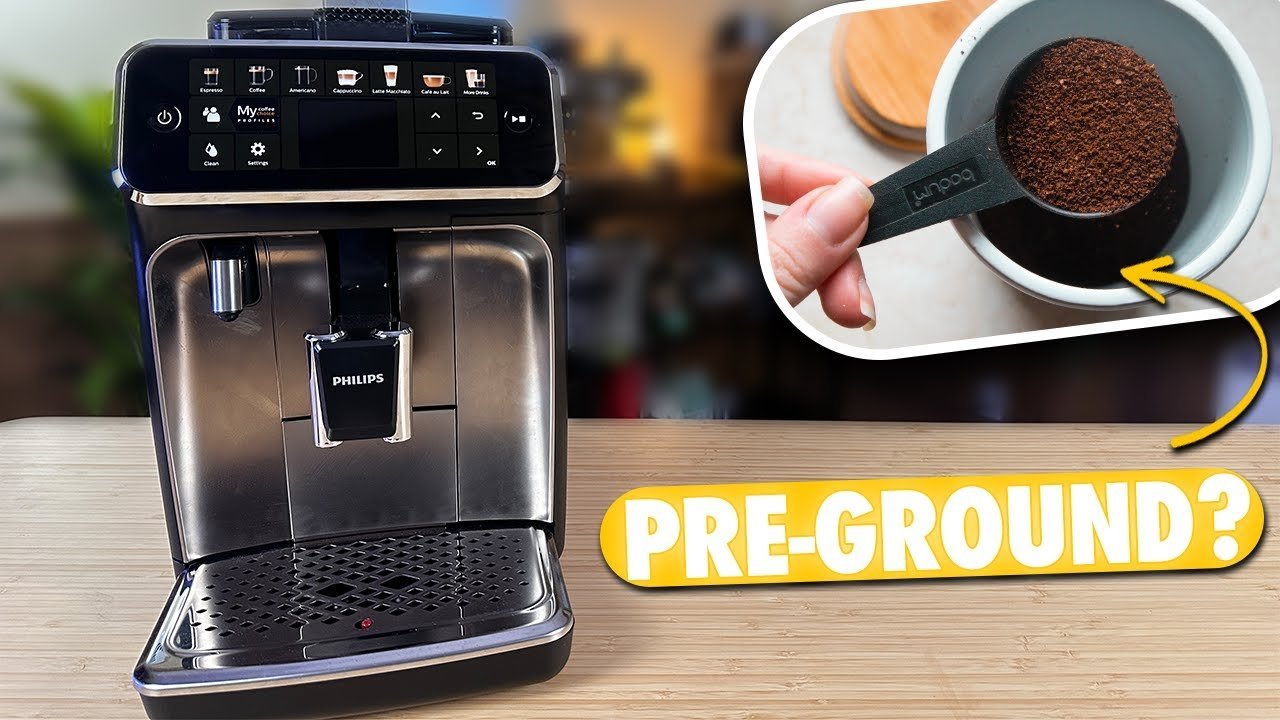
If your coffee is too coarse for your brewing method, you have a few practical options to fix the result without damaging your equipment.
- Use a different brewer: If the grounds are too coarse for an espresso machine, try using a French press or a drip coffee maker instead.
- Sieve the grounds: Use a fine-mesh kitchen strainer to separate the larger chunks from the smaller particles if you need a consistent size.
- Adjust your brew time: Steep the coffee for longer if the grind is too coarse, or use less water to balance the strength of the cup.
- Accept the texture: If the grind is slightly off, adjust your water temperature or pouring speed rather than trying to force the grounds through a machine.
These options aren’t for people who want to force pre-ground coffee into a machine that’s clearly labeled for whole beans only. Always check your manual for the manufacturer’s specific settings.
The common mistake with coffee equipment
The most common mistake people make is trying to turn “medium” ground coffee into “fine” espresso powder by running it through a grinder a second time. This doesn’t work because the machine can’t grip the already small particles. It often results in the motor overheating or the fine dust coating the inside of the grinder, which can lead to a burnt smell or mechanical failure. This mistake costs you the price of a new grinder when the motor burns out. The only way to avoid this is to buy the correct grind size for your brewer initially.
When to stop and get help
- If the grinder makes a high-pitched whining sound, stop immediately because the motor is under too much pressure.
- If you see smoke coming from the base, unplug the device and contact the manufacturer’s support line.
- If the adjustment dial is stuck, don’t force it, as you may break the plastic gears inside.
Professional repair shops should handle any internal mechanical failures to avoid voiding your warranty.
Frequently asked questions
Can I put ground coffee in a grinder to make it finer?
No, a grinder can’t make ground coffee finer because the burrs or blades require whole beans to create the necessary friction for cutting. You’ll only create a fine dust that clogs the internal components.
Is it safe to grind pre-ground coffee?
No, it isn’t safe for the machine’s motor. The fine particles can bypass the grinding chamber and enter the electrical housing, which may lead to short circuits or motor burnout over time.
How long should I grind coffee for?
This varies by model — check the label on your device to see the maximum run time before the motor needs to cool down.
What happens if I put ground coffee in a burr grinder?
The coffee will likely pass through the burrs without any change in size. The fine particles may also get stuck in the adjustment threads, making it difficult to change the settings later.
Does it matter if I use a blade or burr grinder?
Yes, both types are designed for whole beans. A blade grinder is even less effective for pre-ground coffee because it relies on impact, which doesn’t affect small particles at all.
How do I know if my grind size is correct?
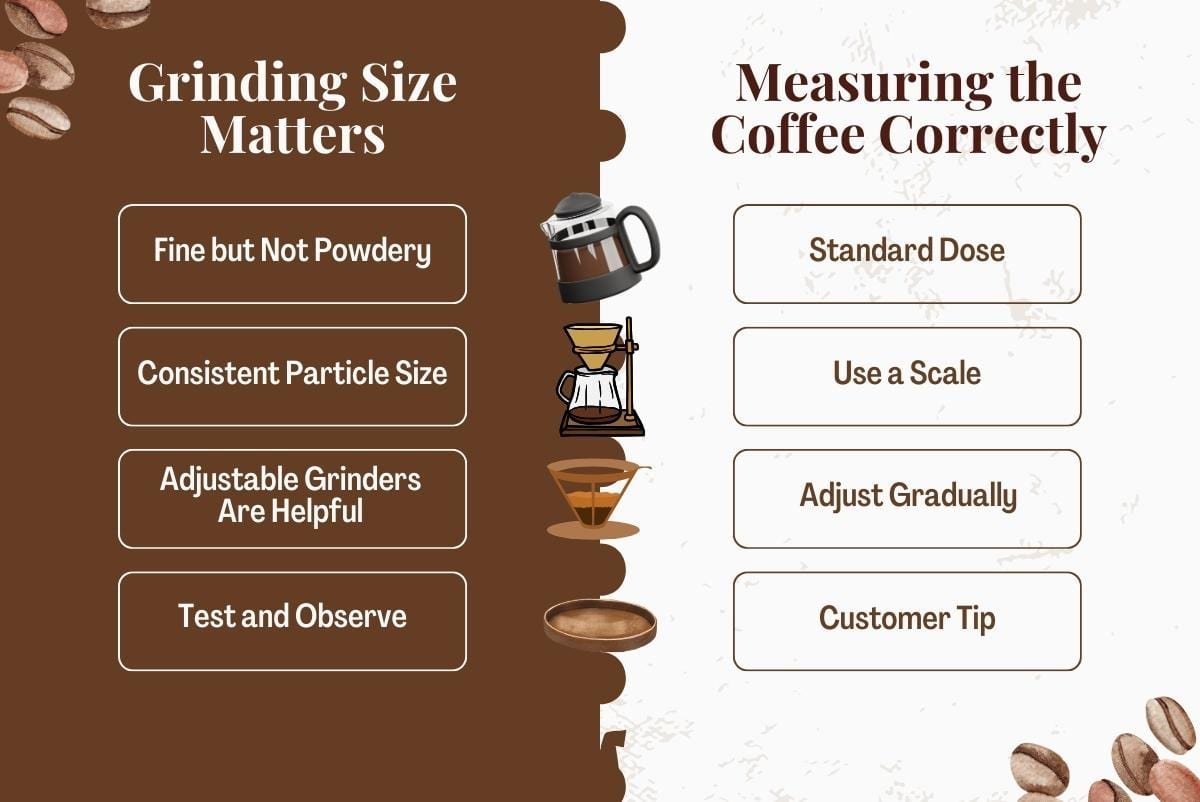
Check your brewer’s manual for the recommended texture. For example, espresso requires a very fine, powder-like consistency, while a French press requires a coarse, salt-like texture.
Why is my grinder making a burning smell?
The smell usually means the motor is struggling. This often happens if you force pre-ground coffee through the unit or if you run the grinder for too long without a break.
Put ground, in short
Use your grinder only for whole, dry coffee beans. If you have pre-ground coffee that’s the wrong size, try a different brewing method that matches the current texture of your beans. If your machine starts making unusual noises or smells, stop using it immediately and check the manual.
Related guides