
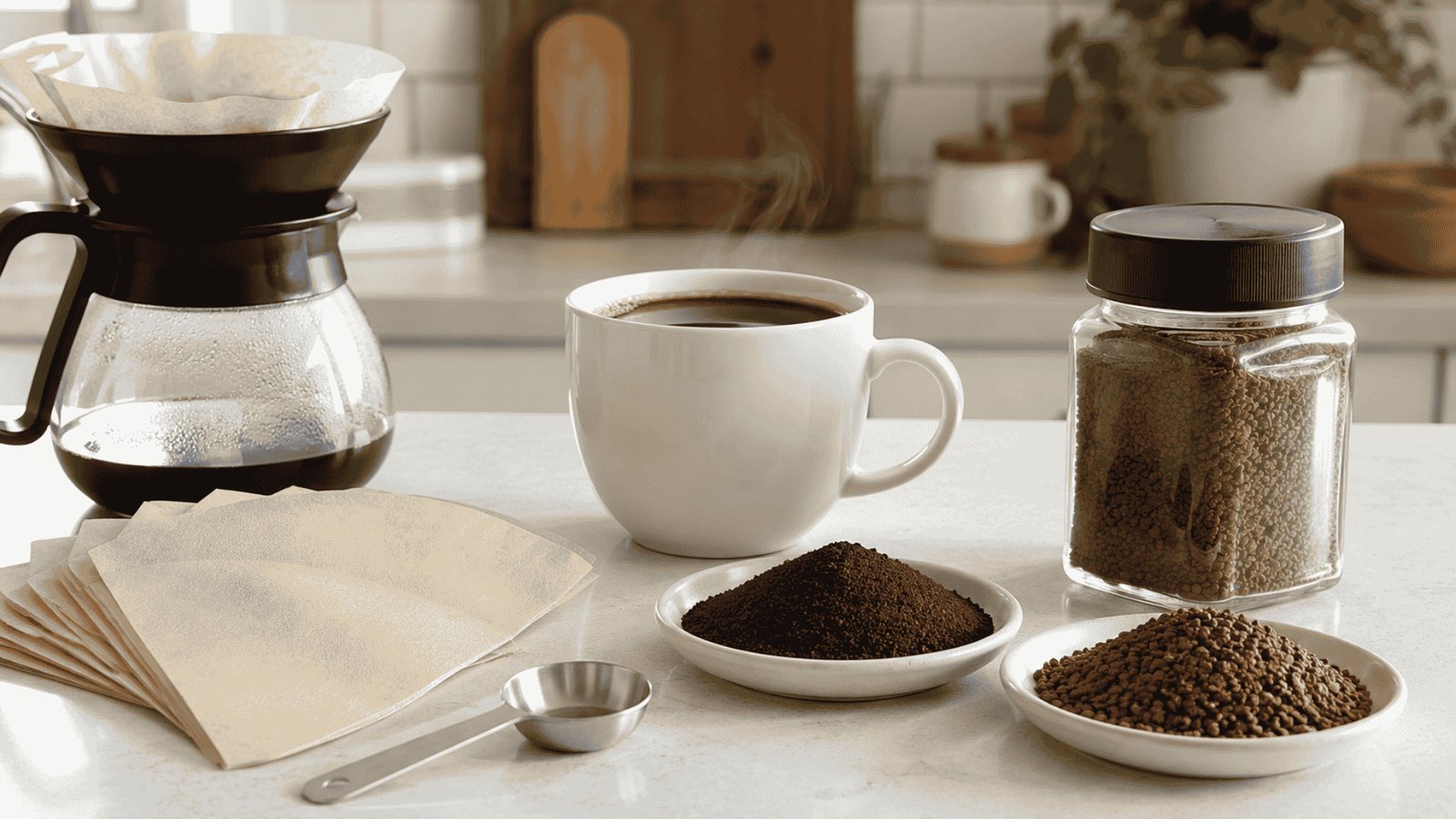
Use two tablespoons of grounds per six ounces of water. The process takes five minutes.
Gathering your ground coffee supplies
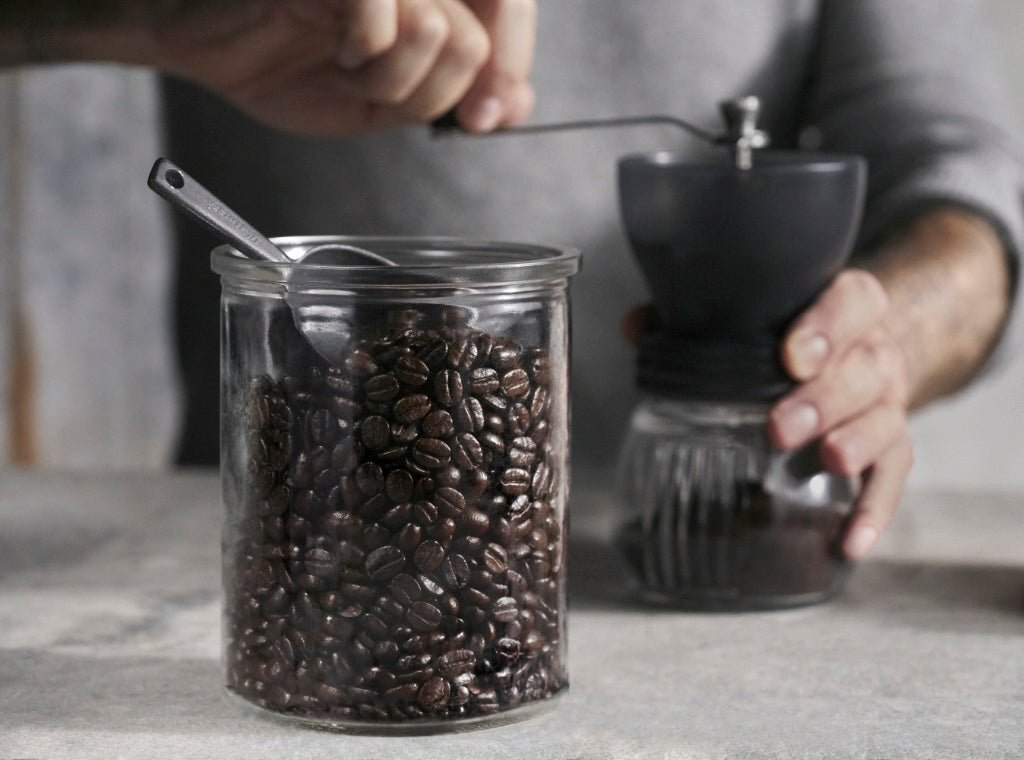
| Item | How much | Why it’s needed | A substitute |
|---|---|---|---|
| Ground coffee | 2 tablespoons | Provides the flavor | none — don’t swap this |
| Water | 6 ounces | Extracts the oils | none — don’t swap this |
| Filter | 1 unit | Removes fine sediment | Fine mesh metal sieve |
| Brewer | 1 device | Holds the grounds | Heat-proof glass jar |
| Kettle | 6 ounces | Heats the water | Stovetop pot |
Preparing your brewing station
- Check that your machine is plugged into a grounded outlet to avoid electrical hazards.
- Empty any old grounds from the basket to prevent bitter, stale flavors in your cup.
- Place a fresh filter in the cone; using a wet filter first removes papery tastes.
- Ensure your water is hot, but not boiling; FoodSafety.gov’s safe water guidance confirms that water should be clear and potable before use.
- If you lack a digital scale, use a standard kitchen tablespoon to measure your dry grounds.
Brewing your fresh cup
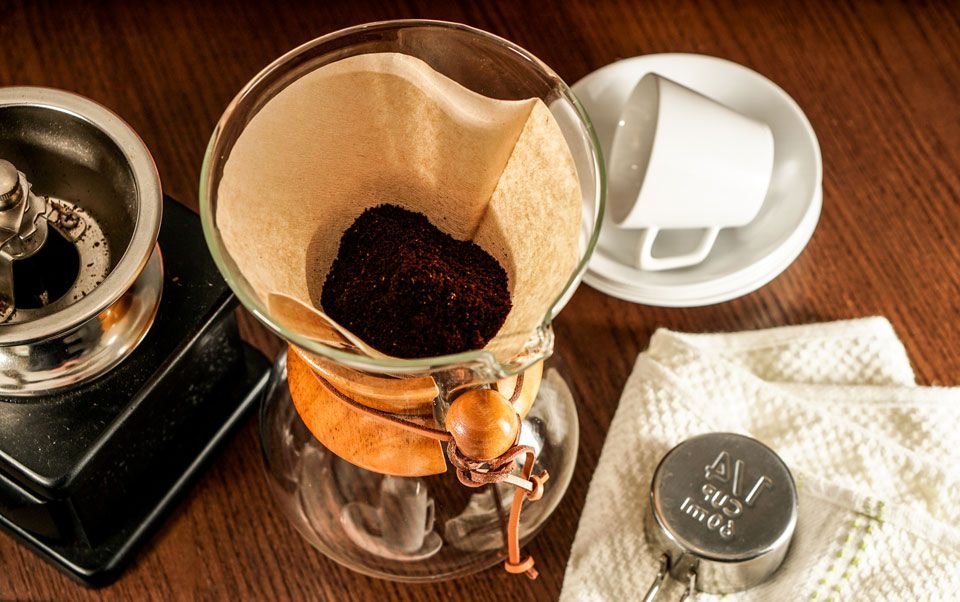
- Measure two level tablespoons of medium-grind coffee and place them into your paper or metal filter.
- Heat six ounces of fresh, cold water in a kettle until it reaches approximately 200°F for optimal extraction.
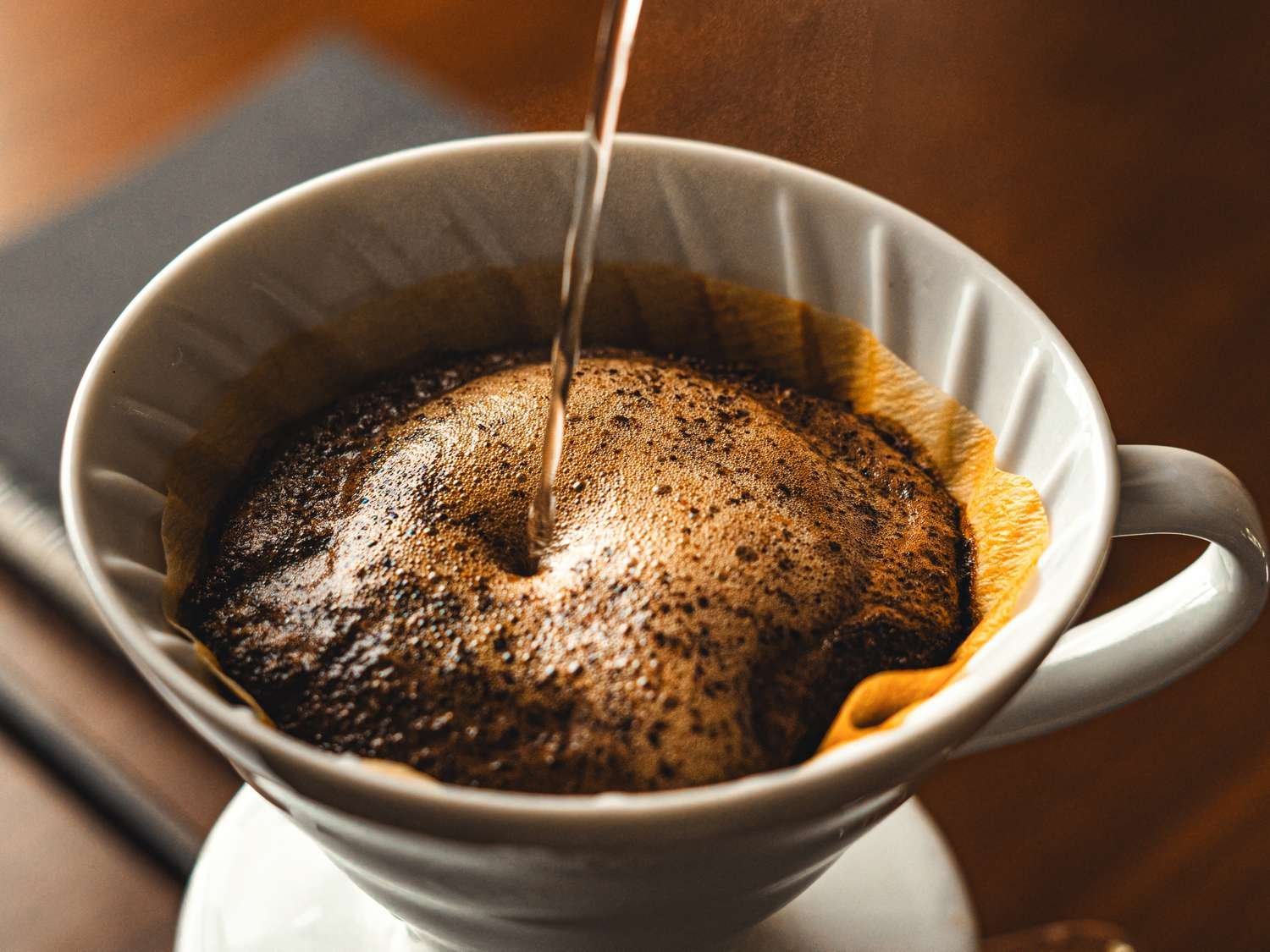
- Pour a small splash of hot water over the grounds to let them bloom for 30 seconds before continuing.
- Pour the remaining water slowly in a circular motion, ensuring all grounds are saturated during the entire process.
- Wait for the water to drain through the grounds completely into your mug, which takes about two minutes.
- Remove the filter basket carefully, as the grounds and plastic housing will be hot to the touch now.
- Stir the brewed liquid gently with a spoon to ensure an even distribution of the extracted coffee oils.
- Check the volume in your mug; if it’s less than six ounces, you may have used too much.
Checking the final result
A successful brew is clear, deep brown, and aromatic. If the coffee is weak, use a finer grind; if bitter, use a coarser grind. If you see fine grit at the bottom of your cup, your filter may have folded during the pour.
Troubleshooting common issues
| What happened | Why | What to do |
|---|---|---|
| Coffee is sour | Under-extracted | Use a finer grind |
| Coffee is bitter | Over-extracted | Use a coarser grind |
| Water overflows | Filter collapsed | Use a sturdier filter |
| Weak flavor | Too much water | Add more grounds |
| Grounds in cup | Broken filter | Replace the filter |
Routine for daily brewing
Brew fresh each morning, as coffee quality drops quickly when exposed to air.
Can I reuse coffee grounds?
No, used grounds have already given up their oils and flavor. Reusing them will result in a thin, watery, and very bitter drink.
How long does ground coffee stay fresh?
Consume ground coffee within two weeks of opening if kept in an airtight container. Keep it in a cool, dark place.
Is it safe to use boiling water?
Yes, but it often burns the coffee and makes it taste bitter. Aim for 195°F to 205°F to avoid scorching the grounds.
What happens if I use too much water?
The coffee will taste diluted and weak because there aren’t enough soluble solids to flavor the extra water. Stick to the two-tablespoon ratio for best results.
Does the water quality matter?
Since coffee is mostly water, tap water impurities will transfer to your mug. Use filtered water for a cleaner taste.
How do I know if my brewer is broken?
If water pools, your machine likely has a clog. Contact the manufacturer before trying any deep mechanical repairs.
The best cup of coffee relies on fresh ingredients and the right ratio of water to grounds. Enjoy your morning ritual by keeping your equipment clean and using fresh, filtered water every time you brew.
Cup coffee, in short
Once you pour that first sip, take a moment to enjoy the rich aroma. If the flavor isn’t quite right, don’t worry; you can always adjust the amount of grounds next time. Experimenting with different beans will help you find the perfect brew that’s just right for your morning routine.