
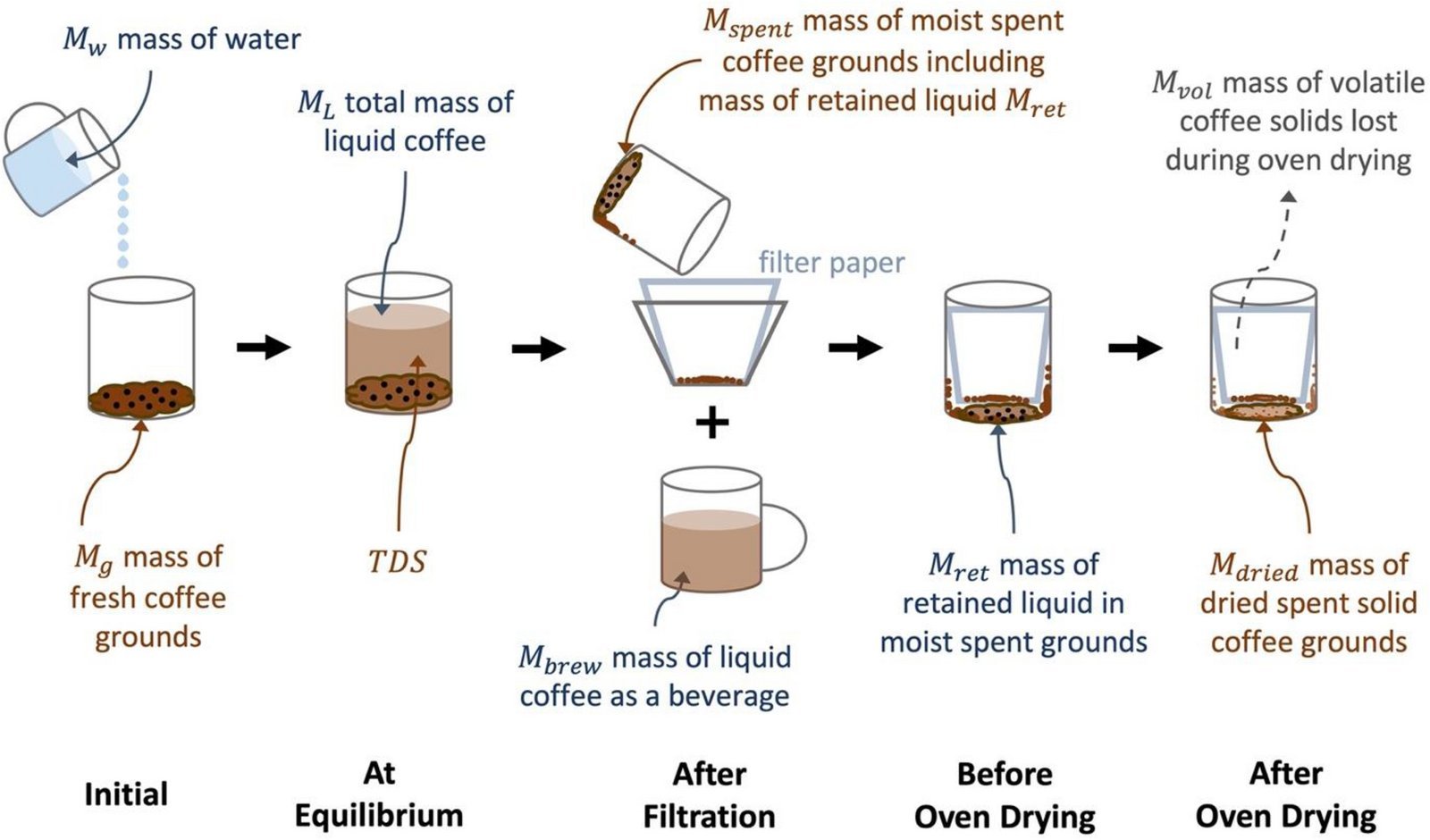
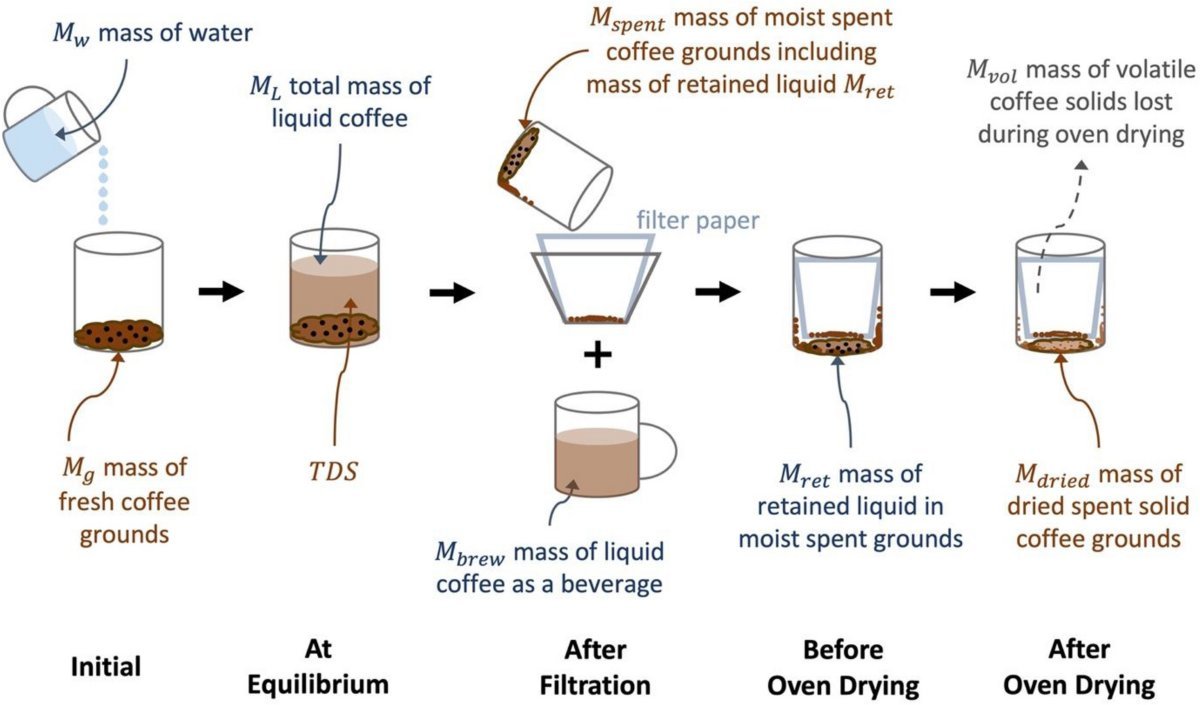
You can’t actually dissolve ground coffee because it consists of insoluble cellulose fibers that don’t break down in water. Instead, you extract the soluble flavor compounds through hot water immersion or pressure, leaving the grounds behind.
Tools for proper coffee extraction
To get the best flavor from your coffee beans, you need the right gear to ensure the water pulls out the oils and solids correctly without leaving a gritty texture in your cup.
- Burr grinder: Ensures consistent particle size, which is vital for even extraction.
- Digital scale: Measures the ratio of coffee to water precisely for repeatable results.
- Filtered water: Improves taste by removing chlorine and minerals that interfere with flavor.
- Brewing device: Such as a French press or pour-over dripper.
- Paper or metal filter: Separates the insoluble grounds from your liquid coffee.
If you lack a scale, use a level tablespoon for every four ounces of water, but note that this is far less accurate than weighing. If you don’t have a filter, you’ll end up with sludge in your drink.
Extracting flavor from coffee grounds
- Heat 8 ounces of filtered water to between 195°F and 205°F using a kettle.
- Grind 15 grams of coffee beans to a medium-coarse consistency for a French press or medium-fine for drip brewers.
- Place the grounds into your brewing device.
- Pour the hot water over the grounds, ensuring all particles are fully saturated.
- Wait 4 minutes for the extraction process to complete.
- Press the plunger or remove the filter to separate the liquid from the grounds.
- Pour the coffee into a mug immediately to prevent over-extraction, which causes bitterness.
Careful: Tip: If your coffee tastes sour, grind your beans finer; if it tastes bitter, grind them coarser next time.
Variables in the brewing process
The speed and quality of your extraction depend on how you prepare the beans and the water you use. This table shows how different methods impact your final cup.
| Method | Time Required | Cost | Watch For |
|---|---|---|---|
| French Press | 4 minutes | Low | Sediment |
| Pour-over | 3 minutes | Moderate | Flow rate |
Starting with a small amount of coffee allows you to adjust your grind size without wasting expensive beans.
Signs of a successful extraction
A properly extracted cup of coffee should be clear, aromatic, and balanced in acidity and sweetness. If your coffee looks muddy or feels gritty on your tongue, it means your filter failed or you used an improper grind size. This happens when the grounds are too fine for the filter type or if the filter is torn. To prevent this, always inspect your paper filter for rips before brewing and ensure your burr grinder is set to the correct range for your specific machine.
Standards and cleanup
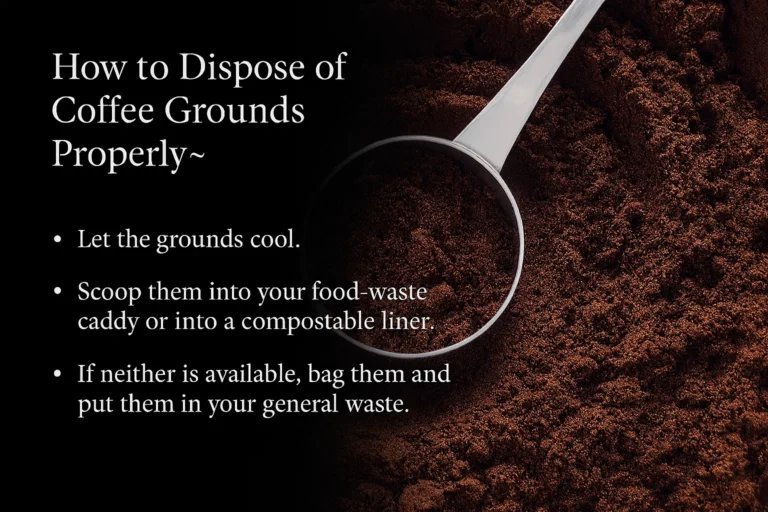
The National Coffee Association provides guidelines on water-to-coffee ratios to ensure balanced extraction for home brewing. Always discard used grounds into a compost bin or trash can rather than down the sink, as coffee oils and solids can clog pipes over time. If you use a reusable metal filter, wash it with warm soapy water after every use to prevent stale oil buildup. If you’re uncertain about your equipment’s specific maintenance, check the manufacturer’s manual for recommended cleaning cycles.
Alternative brewing routes
Cold brew method
Steep coarse grounds in room-temperature water for 12 to 24 hours. This results in a low-acid concentrate that’s very smooth. You must use a finer mesh strainer to remove all particles.
Aeropress pressure brewing
Use manual air pressure to force water through coffee grounds in under 60 seconds. This method is fast and creates a clean cup, but it requires the specific device and proprietary paper filters.
Turkish coffee style
Use an extremely fine powder that stays in the cup. You boil the water and grounds together without filtering. This requires a specific ibrik pot and a very precise, powdery grind consistency.
Frequently asked questions
Can I drink the coffee grounds?
No, consuming large amounts of coffee grounds isn’t recommended as they’re high in fiber and can cause digestive discomfort. They also leave a very unpleasant, gritty texture in your mouth that ruins the drinking experience.
Why does my coffee taste like mud?
Your coffee tastes like mud because small particles of ground coffee passed through your filter. This usually happens if you use a grind that’s too fine for your specific filter type or if your filter is damaged.
How long does ground coffee stay fresh?
For the best result, store your whole beans in an airtight container and grind them immediately before you start brewing.
Is it safe to reheat brewed coffee?
Yes, it’s safe to reheat coffee, but it will change the flavor as the acids break down further. Heat it slowly on a stove or in a microwave-safe mug until it reaches your preferred drinking temperature.
What happens if I use too much water?
Using too much water leads to an under-extracted, weak cup of coffee that lacks body. Always follow a consistent ratio, such as one to two tablespoons of grounds per six ounces of water, to maintain a balanced flavor.
Can I reuse coffee grounds?
No, you can’t reuse coffee grounds because the soluble oils and compounds are extracted during the first brew. A second attempt will only produce a watery, bitter liquid that contains no meaningful coffee flavor.
Enjoying your coffee is about finding the right balance between your grind size and your water temperature. Keep your equipment clean and your beans fresh to ensure every cup tastes exactly how you like it.
Dissolve ground, in short
Since those tiny fibers won’t disappear, you should focus on finding the perfect grind size for your favorite brewing method. Experimenting with different textures will help you discover a richer, more balanced cup. You’ll find that a little patience with your technique makes a world of difference in your morning routine.