
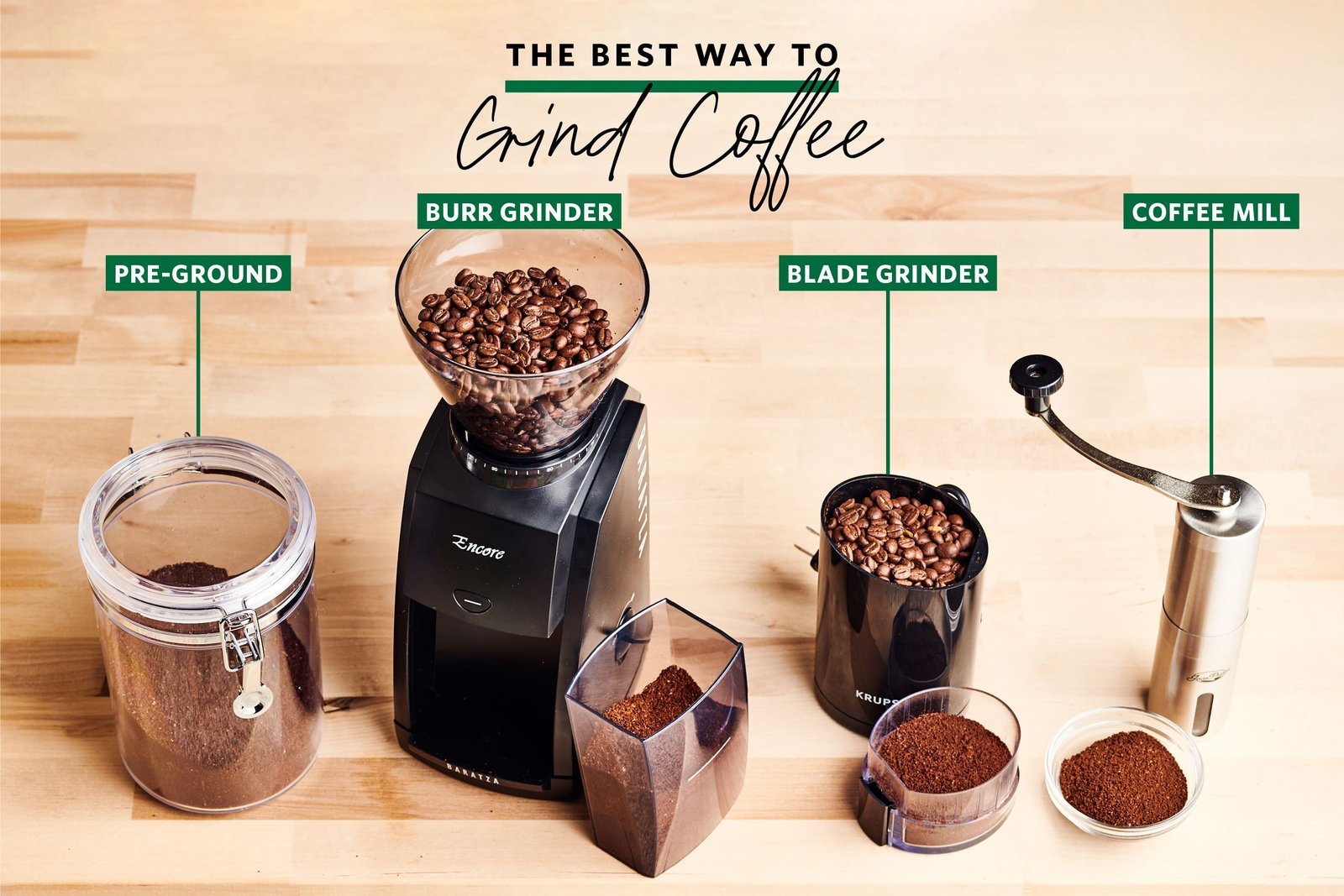
No, you can’t grind coffee grounds finer once they have already been processed through a burr or blade grinder. You can grind coffee grounds finer only if you’re willing to risk damaging your equipment or producing a bitter, muddy cup of coffee that clogs your filter.
Coffee extraction and grind consistency
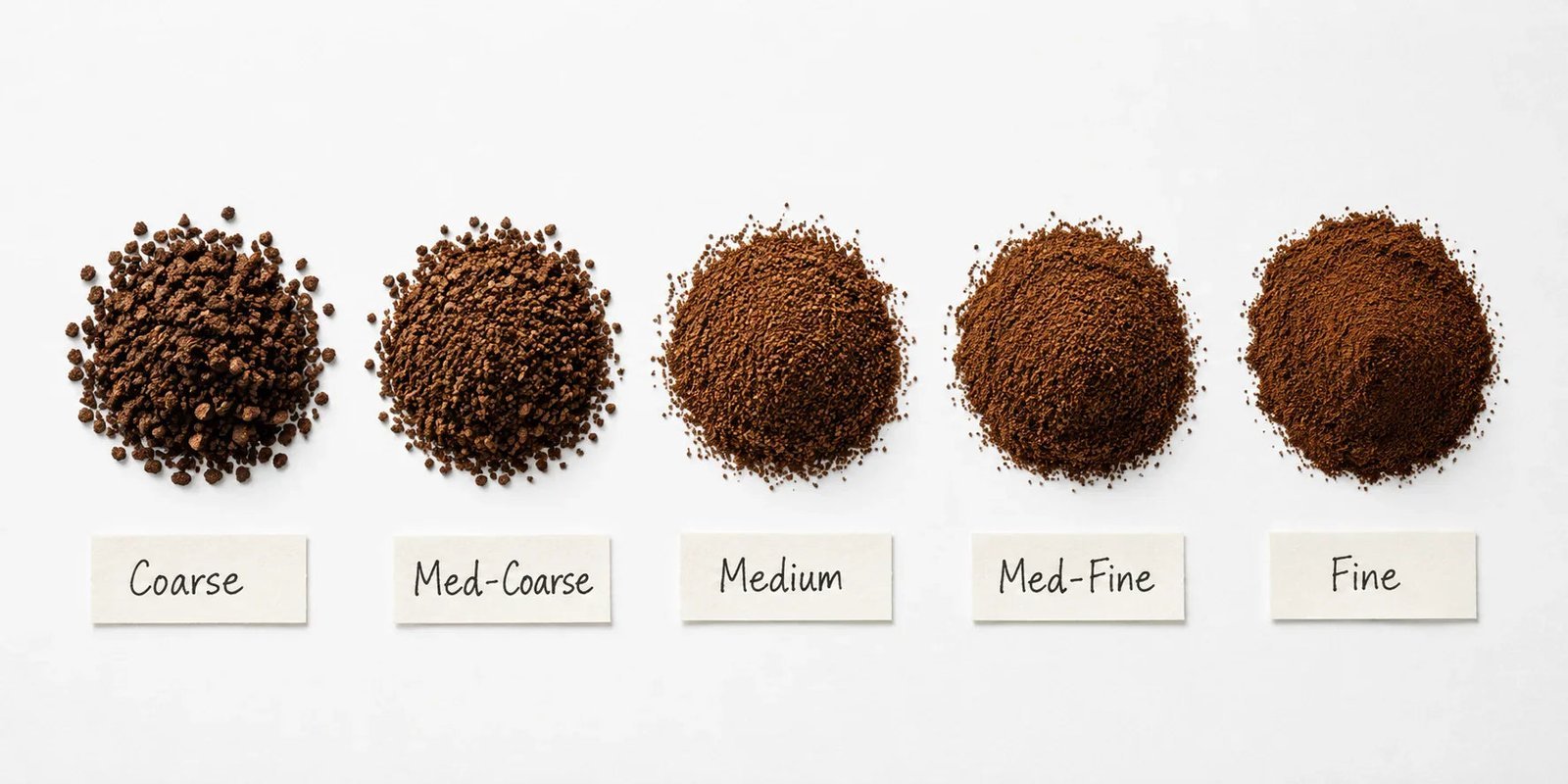
The process of grinding coffee creates a specific particle size designed for a particular brewing method. When you try to re-grind grounds, the machine often struggles to grab the smaller particles, leading to inconsistent results.
The mechanics of particle size
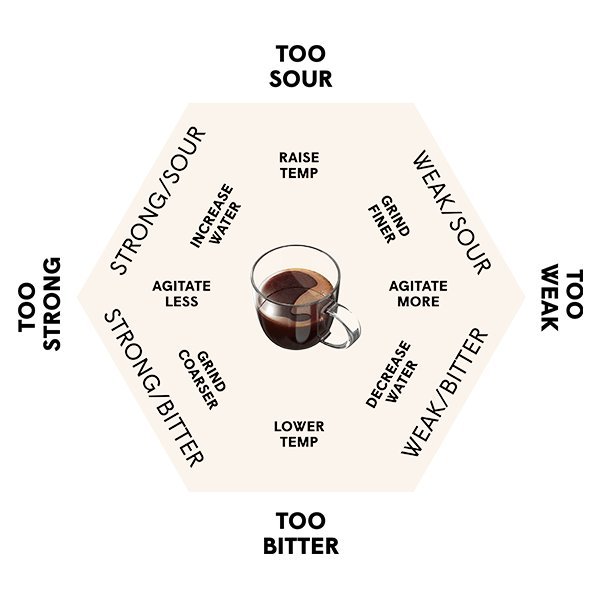
Grinders work by shearing or crushing beans into smaller, uniform pieces. Once the beans are broken down, the machine’s internal geometry is no longer able to catch the smaller fragments effectively. Most home grinders are calibrated for whole beans; forcing pre-ground coffee through them can cause the burrs to rub against each other, which dulls the edges and ruins the alignment. Additionally, fine dust created during a second pass clogs the mesh of filters, leading to over-extraction. The National Coffee Association notes that proper grind size is essential for balancing flavor, as incorrect sizes lead to either sour or bitter cups. If the grind is too fine for your specific device, the water stays in contact with the coffee for too long, pulling out unpleasant, astringent compounds. If the setting is too coarse, the water passes through too quickly, leaving the coffee weak and acidic.
Options for pre-ground coffee
Since re-grinding isn’t a viable solution, you should adjust your brewing method to suit the coffee you have on hand. If your grounds are too coarse for your machine, you can extend the brewing time or use a different device that works better with that texture.
- Use an immersion brewer: Try a French press or a clever dripper, which handles coarse grinds better than pressure-based machines.
- Increase the water temperature: Use water between 195°F and 205°F to help extract more flavor from coarser particles.
- Extend the brew time: Add 1 to 2 minutes to your usual steep time to account for the larger surface area of the coarse grounds.
- Use a paper filter: Place a paper filter inside your metal-mesh brewer to catch the extra silt that coarse grinds often produce.
These options aren’t for anyone who requires precise, café-quality espresso, as those drinks rely on a specific resistance that only fresh, correctly sized grounds can provide.
The mistake people make
Most people assume that running grounds through a grinder a second time will simply make them smaller, but this ignores the heat generated by the process. This process ruins the flavor profile before the water even touches the grounds. You end up with stale, flat-tasting coffee regardless of the final size. To avoid this, always start with whole beans and set your grinder to the correct size before you begin the brewing process.
When to seek professional service
- If your grinder makes a high-pitched metallic screeching sound, stop immediately as the burrs may be touching.
- If the motor smells like burning plastic, the machine is overheating and requires a professional repair.
- If the grinder is jammed with fine dust, don’t use a metal tool to clear it, as you may damage the internal components.
Professional technicians should handle any internal alignment issues to ensure the safety of your device.
Frequently asked questions
Can I use a mortar and pestle to make grounds finer?
Yes, you can, but it’s very difficult to achieve a uniform size. You’ll likely end up with a mix of dust and large chunks, which creates an uneven, bitter extraction in your cup.
Is it safe to put coffee through a blender?
No, a blender won’t grind coffee evenly. It will create a mix of large shards and superfine powder that will clog any filter and result in an extremely unpleasant, muddy texture.
Why does my coffee taste sour after re-grinding?
It tastes sour because the extraction was uneven. When you re-grind, you create a mixture of uneven sizes, meaning some parts of the coffee over-extract while others under-extract, leading to a sour, unbalanced flavor.
Does re-grinding damage the grinder?
Yes, re-grinding can damage your grinder. Most home machines aren’t designed to process the fine dust created by pre-ground coffee, which can clog the chute and put unnecessary strain on the motor.
How do I know if my grind size is correct?
Check the instructions for your specific brewing device. If your coffee flows through the filter too fast, your grind is likely too coarse; if it takes too long to drip, the grind is too fine.
What happens if I use espresso grounds in a drip machine?
Your coffee will likely be bitter and the filter may overflow. Espresso grounds are much finer than drip coffee and will trap the water, causing it to pool and potentially spill over the basket.
Adjusting your brewing method
Grind coffee, in short
Change your brewing technique to match the grounds you currently own instead of trying to alter the coffee. If the water flows too fast, use a finer filter or increase your ratio of coffee to water to improve the strength and balance of your final cup.