
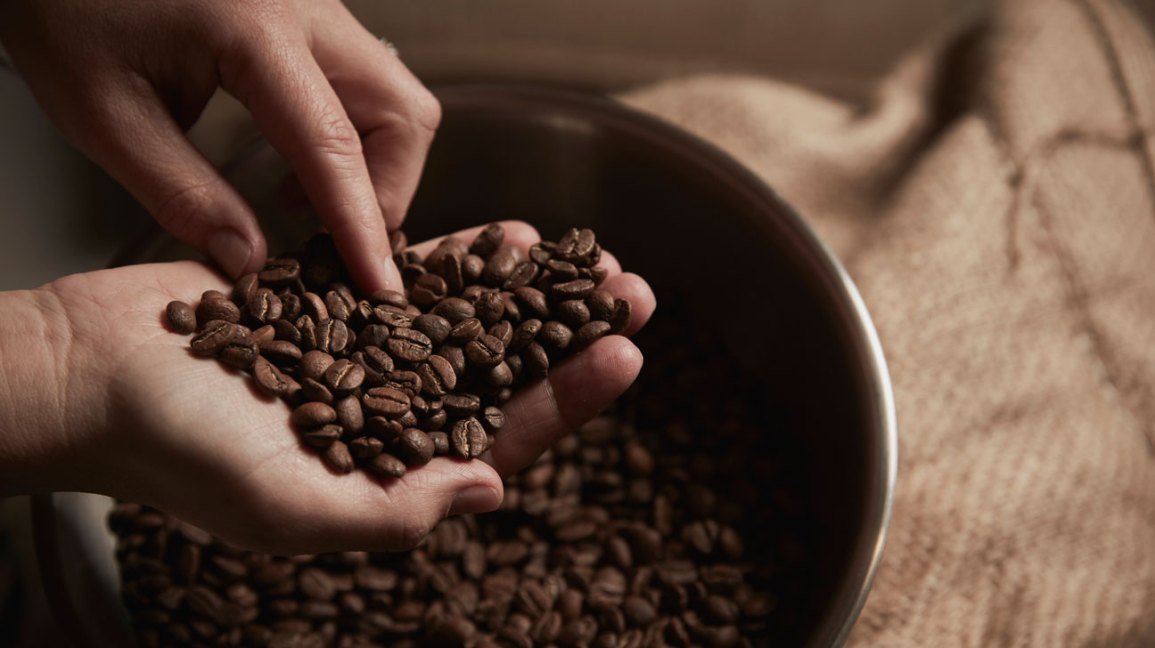
Yes, you can chew coffee grounds, but you should only consume them in very small amounts to avoid digestive issues. While many people safely eat a few beans or a small pinch of grounds, eating them in large quantities often leads to severe stomach irritation and jitters.
When it’s okay to chew coffee grounds
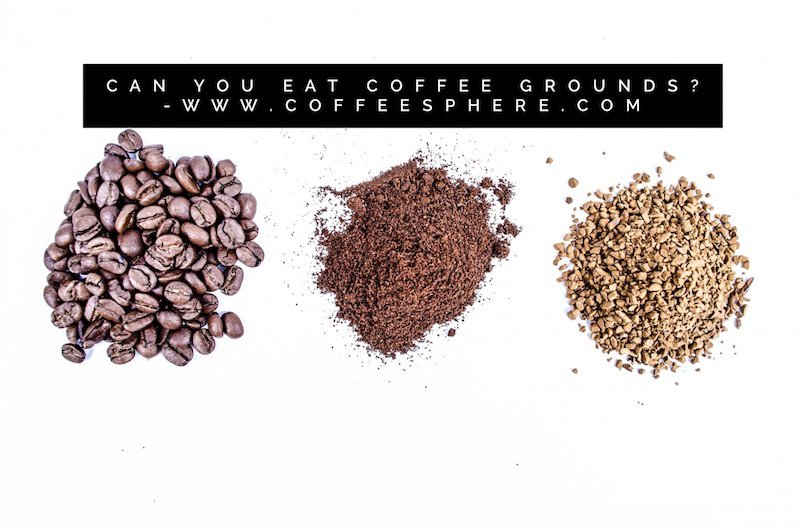
Whether you choose to chew them depends on your health goals and how your stomach reacts to high caffeine levels. The table below outlines common situations where you might encounter this habit.
| Your situation | Answer | Why |
|---|---|---|
| Eating a few beans | Usually safe | Small dose of caffeine |
| Swallowing a teaspoon | Use caution | High caffeine concentration |
| Sensitive stomach | Avoid entirely | Grounds can cause acid reflux |
| During a workout | Use caution | Rapid caffeine absorption |
| Before bedtime | Avoid entirely | May prevent deep sleep |
| Pregnant or nursing | Consult doctor | Caffeine crosses the placenta |
Factors influencing your reaction
The primary factor deciding if you should chew coffee grounds is the total caffeine concentration per gram. Unlike brewed coffee, where water extracts specific compounds, chewing the solid grounds means you ingest the entire fiber content and the full oil profile of the bean. This delivers a slower and more gradual caffeine release than a standard cup of coffee. Furthermore, coffee grounds are highly acidic and contain insoluble fibers that can irritate the lining of your stomach or small intestine if you’re prone to gastritis. If you’re a person with high caffeine sensitivity, even a small pinch can cause heart palpitations or anxiety. If your goal is a quick energy boost, you should limit your intake to no more than one-half teaspoon at a time; if you experience nausea or abdominal pain, stop consumption immediately and stick to liquid coffee.
How to consume safely
Photo: www.tankcoffee.com on Google
If you decide to proceed with chewing coffee grounds, follow these steps to manage the intensity of the experience.
- Measure your portion. Use a small measuring spoon to take no more than one-quarter teaspoon of high-quality, medium-roast grounds to start.
- Mix with food. Combine the grounds with a spoonful of yogurt or peanut butter to buffer the acidic impact on your stomach lining.
- Chew thoroughly. Grind the particles well between your teeth to make them easier to digest and to release the flavor without large, hard chunks.
- Drink water. Follow the grounds with eight ounces of water to help move the fiber through your digestive tract.
- Monitor your heart rate. Wait at least 60 minutes before considering any additional caffeine, as the effects hit much harder than brewed coffee.
Common mistakes and risks
Many people make the mistake of chewing grounds on an empty stomach to save time or get a faster energy spike. This practice is dangerous because the concentrated acidity of the coffee hits the stomach lining directly, which can cause significant heartburn or even trigger an ulcer in people with existing sensitivities. According to the FoodSafety.gov safe internal temperatures guidelines, while coffee itself isn’t a high-risk food for bacteria, the way you handle and store these grounds matters; always ensure your coffee stays dry and free from moisture to prevent mold growth, which is a common health risk in poorly stored pantry items.
When to stop and get help
You should stop chewing coffee grounds and seek medical advice if you notice these signs:
- Persistent abdominal pain or cramping that lasts more than two hours.
- Heart palpitations or an irregular heartbeat that doesn’t subside after resting.
- Severe acid reflux or vomiting after ingestion.
- Dizziness or tremors, which indicate a caffeine overdose requiring professional medical observation.
Frequently asked questions
Photo: twochimpscoffee.com on Google
Can you chew coffee grounds for energy?
Yes, you can chew coffee grounds for energy because the caffeine is absorbed through your digestive tract. However, it’s much more intense than drinking a standard cup of brewed coffee.
Is it safe to swallow coffee grounds?
Yes, it’s safe to swallow small amounts of coffee grounds, but they’re difficult to digest. Most people find that consuming more than one teaspoon causes significant stomach discomfort or digestive distress.
Why do people chew coffee grounds?
People chew coffee grounds primarily to get a rapid caffeine boost or to cleanse their palate. It’s a common habit in some cultures to chew a roasted bean to mask bad breath or sharpen focus.
How much caffeine is in a tablespoon of grounds?
About 100 to 150 milligrams of caffeine is in a tablespoon of grounds, though this varies by bean origin and roast level. Check your specific coffee bag label for the roast intensity to estimate your intake.
What happens if I eat too many coffee grounds?
Excessive intake leads to caffeine toxicity, which includes symptoms like rapid heart rate, high blood pressure, and anxiety. You might also experience severe stomach upset due to the high fiber and acidity levels.
Does chewing coffee grounds help with weight loss?
No, there’s no evidence that chewing coffee grounds helps with weight loss. While caffeine can slightly increase your metabolic rate, the irritation caused to your digestive system outweighs any potential benefit for weight management.
Can you chew used coffee grounds?
No, you shouldn’t chew used coffee grounds because they’re often bitter, gritty, and prone to bacterial growth. Once wet, coffee grounds spoil quickly and should be discarded rather than consumed.
Chew coffee, in short
To get started, measure your portion carefully and pair it with a small amount of food to protect your stomach. If you feel any physical discomfort, stop immediately and drink plenty of water. If your symptoms persist or include chest pain, seek help from a medical professional right away.