

Yes, you can put ground coffee in grinder blades only if you’re trying to turn it into a finer powder for espresso or Turkish coffee. You should avoid doing this with most machines, as the fine particles can clog the internal motor or damage the burr alignment.
Can you regrind ground coffee
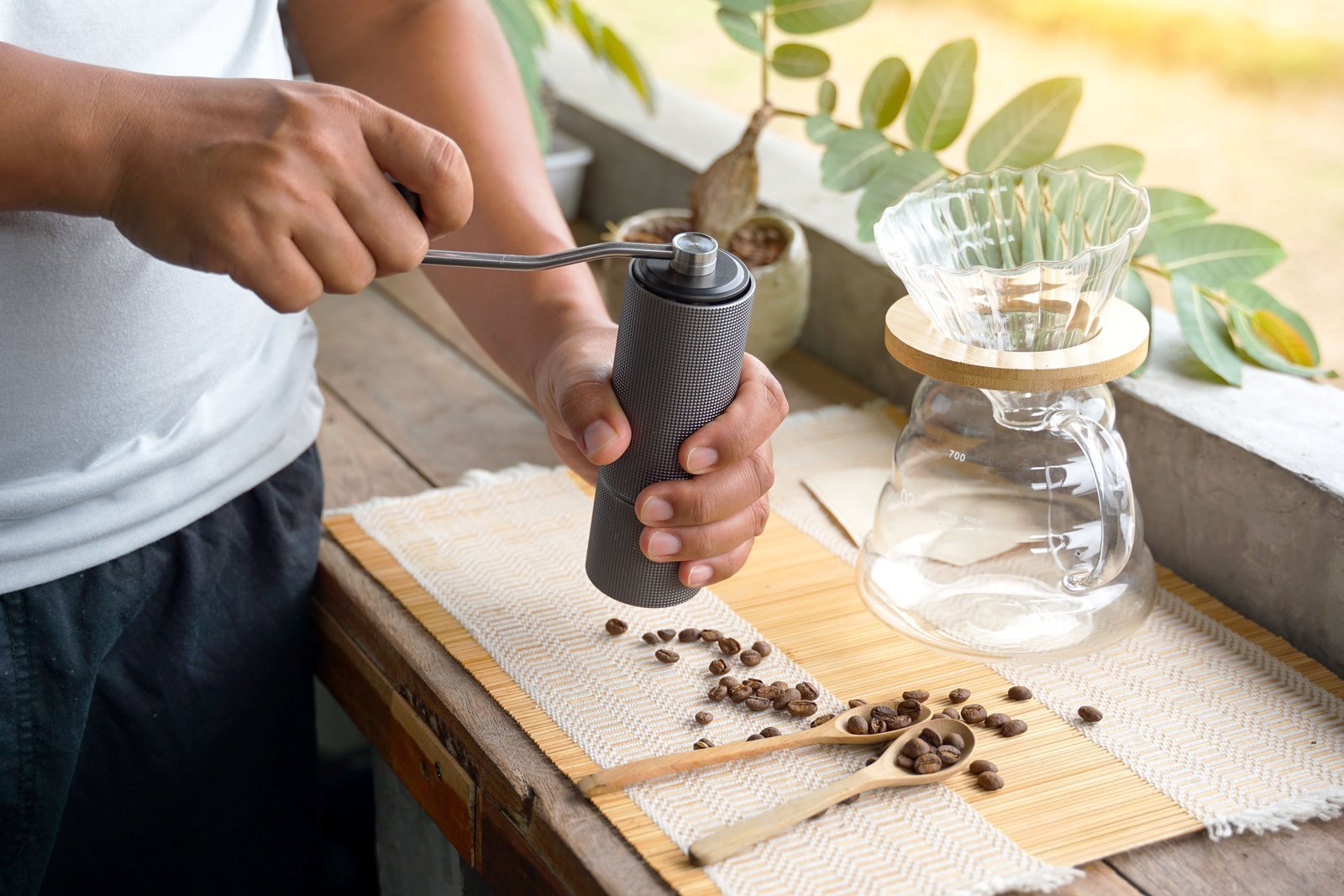
The following table shows when it’s safe to run ground coffee through your machine and when it will likely cause damage.
| Your situation | Answer | Why |
|---|---|---|
| Blade grinder | No | Fine dust ruins the motor |
| Burr grinder | No | Particles jam the burr gap |
| Turkish coffee | Yes | Only with specific mill models |
| Espresso fineness | No | Damages the calibrated burr set |
The mechanics of grinder damage
Most coffee grinders are designed to process whole beans, which have enough physical mass to push through the grinding chamber without leaving significant residue behind. When you introduce already ground coffee, the particles are often small enough to bypass the intended path and enter the motor housing or the adjustment mechanism. This creates a buildup of oils and fine dust that can cause the motor to overheat or seize entirely. If you have a high-end burr grinder, the manufacturer usually specifies that the calibration is set for whole beans only; forcing fine grounds through can strip the gears or misalign the burrs. This varies by model — check the label on your device for warnings regarding fine powders. If you’re using a commercial-grade machine, the NSF International food equipment standards emphasize that keeping internal components free from debris is vital for both machine longevity and food hygiene. If the grounds are too fine, they block the exit chute; if you continue to run the motor, you risk a permanent mechanical failure.
How to manage coffee particle sizes
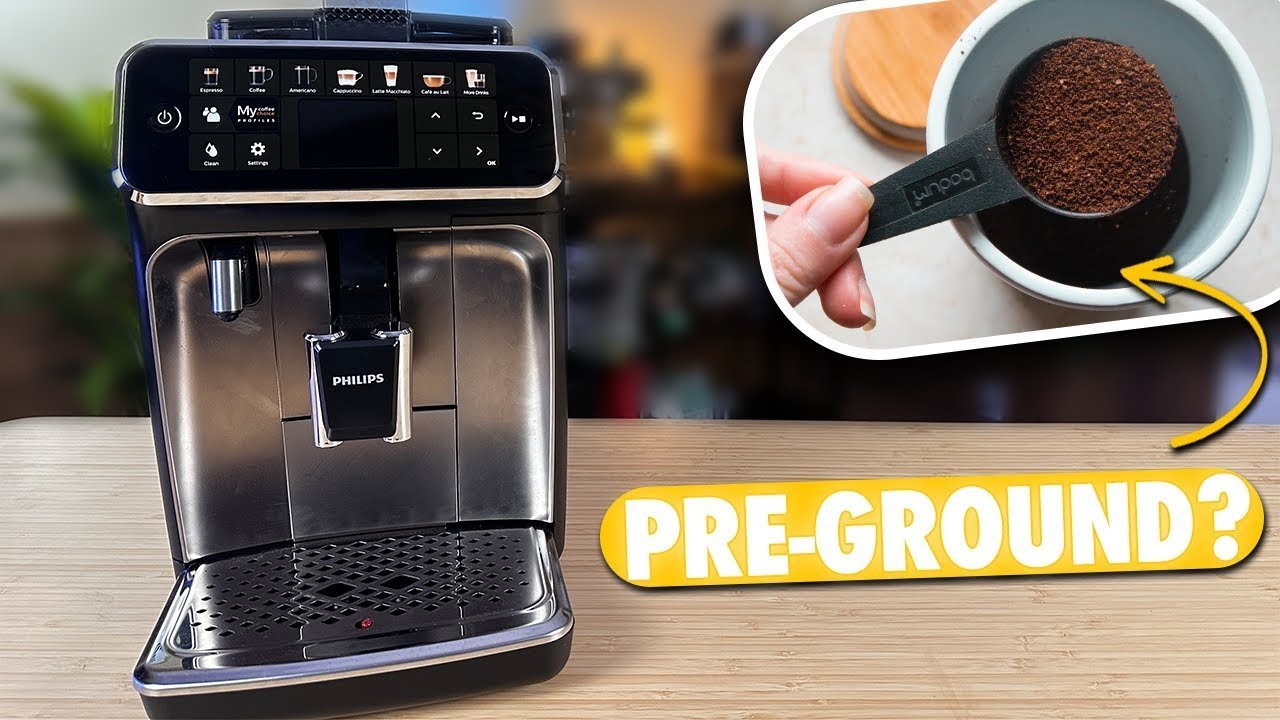
If you find that your coffee is too coarse, don’t try to run it through your grinder a second time. Instead, use these methods to get the right texture for your brewing device.
- Adjust the dial. Move the adjustment ring on your grinder toward the “fine” setting before you add whole beans.
- Use a mortar and pestle. If you only have a small amount of coarse coffee that needs to be finer, crush it manually in a ceramic mortar.
- Check the output. Test the grind size by rubbing a small amount between your fingers to ensure it matches the texture of common store-bought coffee.
- Clean the chute. Use a dry, stiff-bristled brush to clear any stuck particles from the exit path after every session.
This approach isn’t for someone who wants to save time, as manual grinding is slower than using an electric machine. However, it ensures your equipment stays functional for years.
The mistake people make
The most common error is trying to “re-grind” coffee to make it finer when the output is too coarse for a specific brewer. This mistake usually costs the owner a burnt-out motor or a jammed set of burrs, which often requires a professional repair service. People assume the grinder can handle the smaller size, but the fine particles can cause the burrs to lock up. A simple visual check of the grind size before brewing avoids this risk entirely.
When to stop and consult a pro
- Burning smell: This indicates the motor is straining against a clog and requires immediate professional inspection.
- Locked burrs: If the adjustment dial won’t turn, you have likely jammed the mechanism with fine dust.
- Excessive heat: If the housing feels hot to the touch, stop immediately to prevent electrical failure.
- Strange noises: Grinding sounds that aren’t consistent with the normal operation of your specific model mean the internal parts are misaligned.
Frequently asked questions

Can I put coffee beans in a spice grinder?
No, most spice grinders use a high-speed blade that creates uneven particles and heats the coffee, which ruins the flavor profile. Use a dedicated burr grinder for consistent results instead.
Is it safe to grind rice in my coffee grinder?
Don’t use flavored or oily rice, as it will leave a residue.
How long does a burr grinder last?
It varies by model, but most home units last several years with regular cleaning. Check the owner’s manual for the specific maintenance schedule for your machine’s burrs.
What happens if I grind coffee too fine?
It will clog your machine and make the coffee taste bitter or burnt. If you reach this state, you must take the unit apart to clean the burr teeth manually.
Does it matter if I use a blade or burr grinder?
Yes, a burr grinder provides consistent particle size, while a blade grinder creates a mix of dust and large chunks. This difference significantly impacts the extraction quality of your final cup.
Can I run flavored coffee beans through my grinder?
No, the oils and syrups in flavored beans will coat the burrs and internal chambers. This residue is very difficult to remove and will taint the flavor of every future batch.
Does the grinder need to be empty before adjusting?
You should always adjust the setting while the chamber is empty. Adjusting the setting while the burrs are jammed with beans can strip the adjustment threads.
Put ground, in short
Start by adjusting your grinder’s dial to the correct setting before adding any beans to the hopper. If the coffee still comes out too coarse, use a manual tool to reach the desired fineness. If the motor sounds strained or stops, stop immediately and contact the manufacturer.
Related guides