
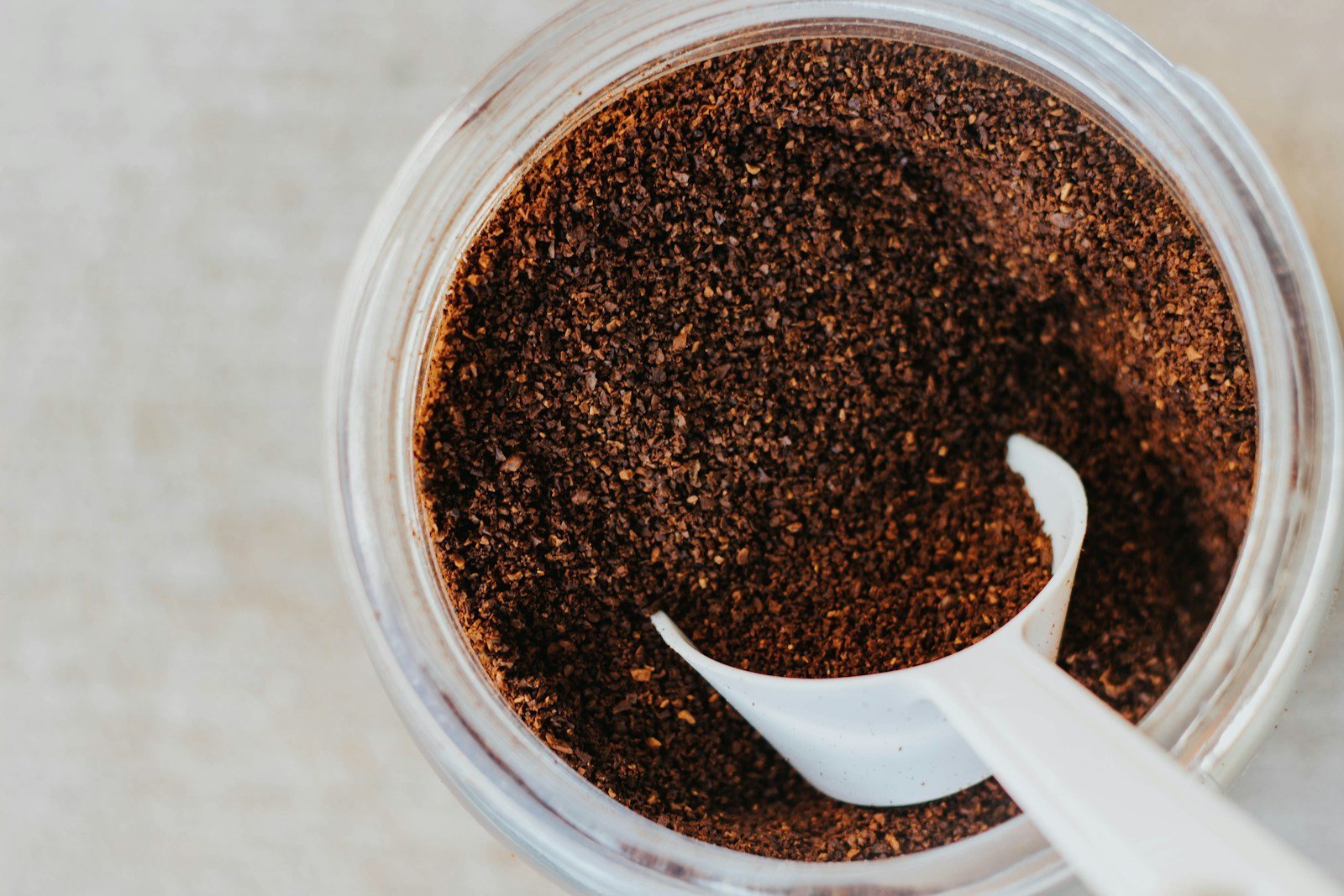
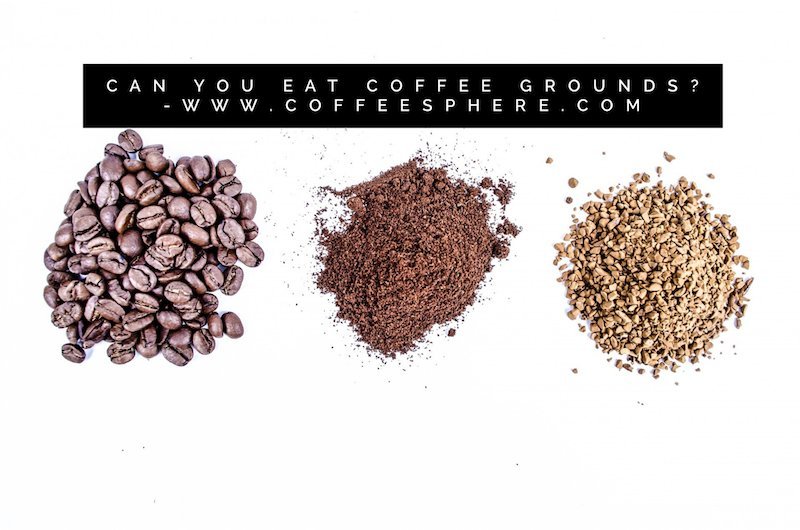
Yes, you can eat ground coffee safely, though it isn’t a common food choice. While you can eat ground coffee, the high concentration of caffeine means you should limit your intake to avoid unwanted jitters or digestive discomfort. Most people find the texture gritty and the flavor intensely bitter.
When to consume coffee grounds
How caffeine affects the body
The primary factor deciding whether you should consume grounds is your personal tolerance for caffeine. Coffee beans contain significantly more caffeine per gram than a standard brewed cup because you’re consuming the entire solid mass rather than just the water-soluble compounds extracted during brewing. If you have an underlying heart condition or high blood pressure, you should strictly monitor your total intake from all sources. Keeping food items in airtight, dry environments is essential to prevent mold growth, which is especially important for ground beans stored for long periods. If you’re healthy and have a high tolerance, small amounts are unlikely to cause harm. If you feel shaky or notice a rapid heartbeat, you should stop eating them immediately; if you have a pre-existing medical condition, you should consult your doctor before adding concentrated caffeine to your diet.
Ways to use coffee grounds
If you choose to consume them, you must use small quantities to maintain control over your caffeine intake.
- Incorporate into batters: Mix one teaspoon of finely ground coffee into brownie or cake batter to add a mocha flavor.
- Blend into smoothies: Add half a teaspoon to a large fruit smoothie to mask the grit with thick liquid.
- Use as a spice rub: Combine a small amount with salt and pepper for dry-rubbing meats, as the heat helps mellow the bitterness.
- Stir into yogurt: Mix a quarter teaspoon into a full bowl of Greek yogurt to balance the acidity and texture.
These methods work best for those who enjoy the robust flavor of dark roasts. If you find the texture unpleasant, don’t force yourself to eat them, as there are no nutritional benefits that you can’t also get from drinking a standard cup of coffee.
The mistake people make
The most common error is eating large quantities of grounds thinking it provides a “cleaner” energy boost than liquid coffee. This often leads to excessive caffeine consumption, which can cause severe jitters, nausea, and a rapid heart rate that lasts for several hours. A single tablespoon of ground coffee can contain over 100 milligrams of caffeine, which is equivalent to a strong cup of coffee. You avoid this risk by sticking to small, culinary portions and never treating the grounds as a snack or a primary food source.
When to seek medical help
-
Chest pain: This indicates a potential cardiovascular reaction to high caffeine concentration. If you feel pressure or tightness lasting longer than five minutes, call emergency services immediately.
-
Severe tremors: Persistent shaking suggests you have exceeded your personal tolerance limit. If your hands can’t remain steady enough to hold a glass of water, stop intake and hydrate with plain water.
-
Persistent vomiting: This is a sign of acute toxicity. If you can’t keep fluids down for more than two hours, you risk dangerous electrolyte imbalances.
-
Extreme anxiety: If you experience an overwhelming sense of panic or a racing heart rate exceeding 120 beats per minute, seek professional guidance. Don’t wait for the symptoms to subside on their own.
Frequently asked questions
Can I eat ground coffee to wake up faster?
Yes, you’ll absorb the caffeine quickly, but it may lead to a sudden energy crash. The high concentration makes it easy to consume more caffeine than your body can handle comfortably.
Is it safe to eat coffee grounds every day?
No, regular consumption of concentrated grounds isn’t recommended. The high levels of caffeine and the potential for digestive irritation make daily intake a poor choice for most people’s long-term health.
Why do some recipes call for ground coffee?
The grounds act as a flavoring agent in baked goods. When mixed with other ingredients like cocoa or sugar, the bitterness provides depth without the overwhelming texture of eating the grounds directly.
What happens if I eat too much ground coffee?
You’ll likely experience jitteriness, increased heart rate, and potential stomach upset. Because the grounds are highly concentrated, the effects of caffeine are much stronger and faster than drinking liquid coffee.
Does eating ground coffee hurt my stomach?
Yes, the acidity and the physical grit can cause irritation. Many people report heartburn or mild discomfort after consuming grounds because the particles are hard for the digestive system to break down quickly.
Can children eat ground coffee?
No, children should avoid coffee grounds entirely. Their small body mass makes them much more susceptible to the negative side effects of high caffeine doses, which can be dangerous for their developing systems.
Eat ground, in short
Start by adding a tiny pinch to a recipe to see how your body reacts to the intensity. If you feel fine, you can enjoy the flavor in small, measured doses, but stop immediately if you feel any heart racing or nervous tension.