
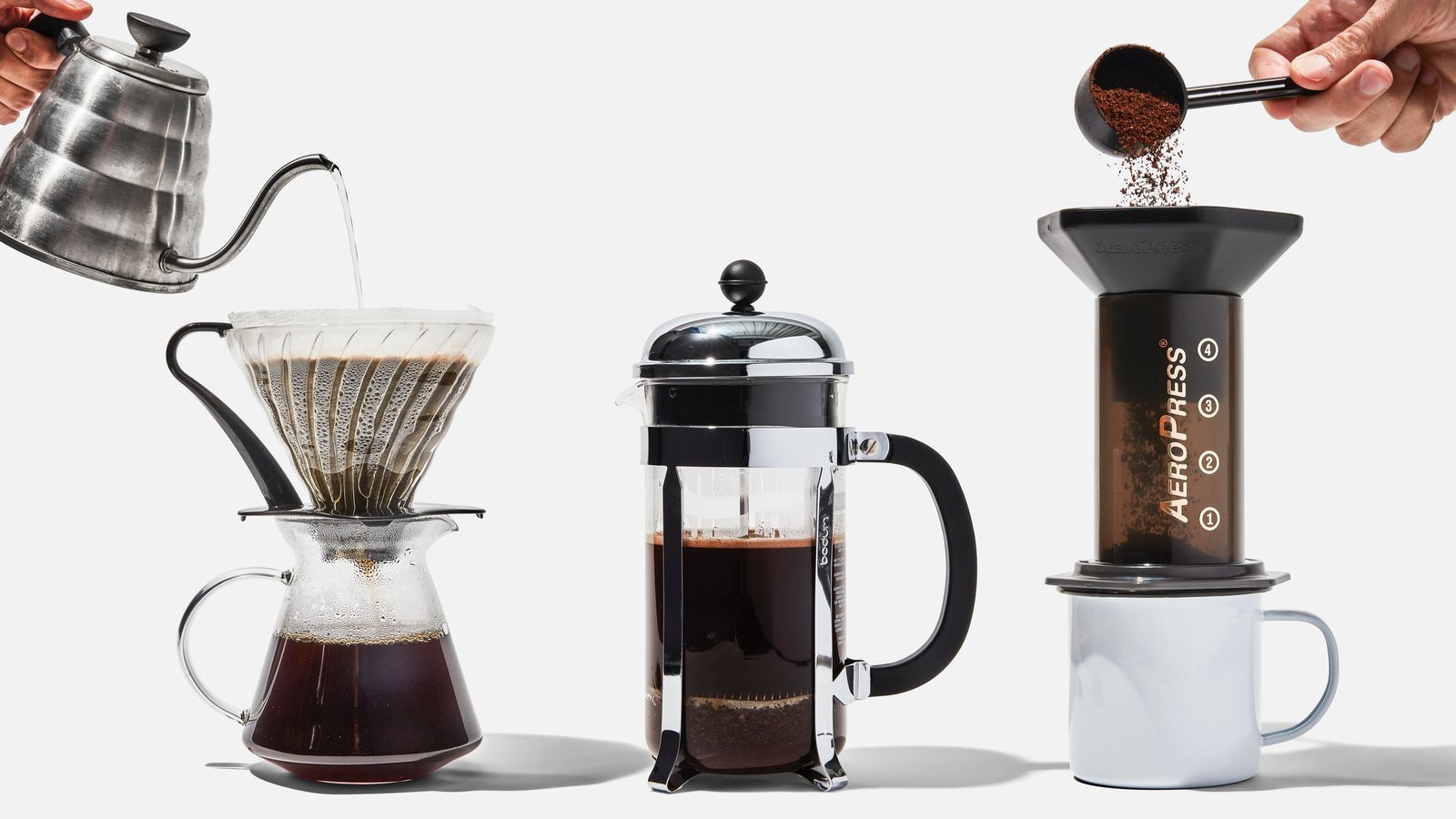
To prepare ground coffee how to drink it properly requires using fresh beans, clean water, and the right ratio of grounds to liquid. You should use about two tablespoons of coffee per six ounces of water, adjusting the coarseness of the grind based on your chosen brewing method for best flavor.
The basics of quality
The most important factor is the freshness of your beans. Coffee begins to lose its volatile aromatic compounds shortly after roasting, so grinding your beans right before you brew makes a major difference in taste. The most common mistake people make is using boiling water, which can scald the coffee and create a bitter, harsh profile. Always let your water sit for thirty seconds after it comes off the boil to reach the ideal temperature range.
How to prepare your ground coffee
- Measure your coffee beans using a scale for accuracy, aiming for a ratio of 1:16, which means one gram of coffee for every sixteen grams of water.
- Grind your beans to the correct consistency for your equipment: coarse for a French press, medium for a drip machine, and fine for espresso.
- Heat your filtered water to between 195°F and 205°F to ensure optimal extraction.
- Pour a small amount of water over the grounds to let them bloom for thirty seconds, which allows trapped carbon dioxide to escape.
- Add the remaining water steadily to ensure even extraction across all the grounds.
- Serve the coffee immediately once the brewing cycle finishes to avoid the “stewed” flavor that develops when coffee sits on a hot plate.
Tip: If your coffee tastes sour, your grind is likely too coarse; if it tastes bitter and dry, your grind is too fine.
Time Needed for Preparation

The duration for brewing depends on the equipment and the grind size you select for your session.
| Method | Estimated Time | What changes it | What to watch for |
|---|---|---|---|
| French Press | 4 minutes | Water temperature | Sludge at bottom |
| Drip Machine | 5–7 minutes | Machine power | Water flow rate |
| Pour Over | 3 minutes | Pour speed | Filter clogging |
| Espresso | 30 seconds | Pump pressure | Crema color |
If your brew takes significantly longer than the times listed, your grind is likely too fine and is blocking the water flow.
Signs of a Perfect Cup

You know your coffee is ready when the liquid has a rich, uniform color and the grounds on top have settled. For a pour-over or drip machine, the bed of grounds should look flat and even rather than cratered or uneven. If you’re using a French press, the coffee should smell fragrant and have a heavy, textured mouthfeel without excessive silt. If the taste feels thin or watery, you likely used too much water or the grind was too coarse. The final test is the balance; the coffee should feel clean on the palate without an aggressive, lingering bitterness.
Common Brewing Errors
- Using stale, pre-ground coffee: This ruins the flavor because oxygen oxidizes the oils within minutes of grinding. Buy whole beans and grind them in small batches just before you start your brew.
- Ignoring water quality: Since coffee is ninety-eight percent water, any chlorine or mineral imbalances in your tap water will mask the delicate notes of the roast. Always use filtered or bottled spring water for a clean, neutral base.
- Dirty equipment: Old coffee oils stick to the sides of your carafe or filter basket and turn rancid over time. Clean your equipment with hot, soapy water after every single use to prevent these off-flavors from building up.
- Incorrect storage: Light, heat, and moisture are the enemies of coffee freshness. Keep your beans in an airtight, opaque container in a cool cupboard rather than the fridge to prevent condensation.
Is it safe to drink coffee that has been sitting out?
Can I reheat my coffee in the microwave?
Yes, you can reheat it, but the flavor will change significantly as the remaining compounds oxidize further. If you must reheat, use a medium power setting for thirty seconds and stir it halfway through to prevent hot spots. It’s usually better to make a fresh batch.
Why does my coffee taste like paper?
It’s likely that you forgot to rinse your paper filter before adding the coffee grounds. Rinsing the filter with hot water removes the papery taste and pre-heats your brewing vessel, which helps keep your coffee hot for longer. Always discard the rinse water before brewing.
How long does ground coffee stay fresh?
Ground coffee begins to lose its peak flavor shortly after grinding. If you have already ground a large batch, store it in an airtight vacuum-sealed container to slow down the process, but try to use it within one week for the best possible experience.
What happens if I use boiling water?
Boiling water will extract the bitter compounds from the coffee grounds too quickly, leading to a harsh, astringent taste. You want to extract the sugars and oils, not the bitter tannins. Always wait thirty seconds after the kettle boils before you begin your pour.
Is espresso the same as regular coffee?
No, espresso is a specific brewing method that uses high pressure to force water through finely-ground beans. This creates a concentrated shot with a layer of foam on top called crema. While the beans might be the same, the preparation method creates a very different final texture.
Enjoying coffee is a personal ritual, so feel free to adjust your ratios slightly based on your own palate. If you prefer a stronger cup, simply reduce the amount of water rather than increasing the grounds, as this keeps the extraction balanced and prevents over-bitterness. Always keep your equipment clean to ensure every cup tastes as fresh as the first one.