
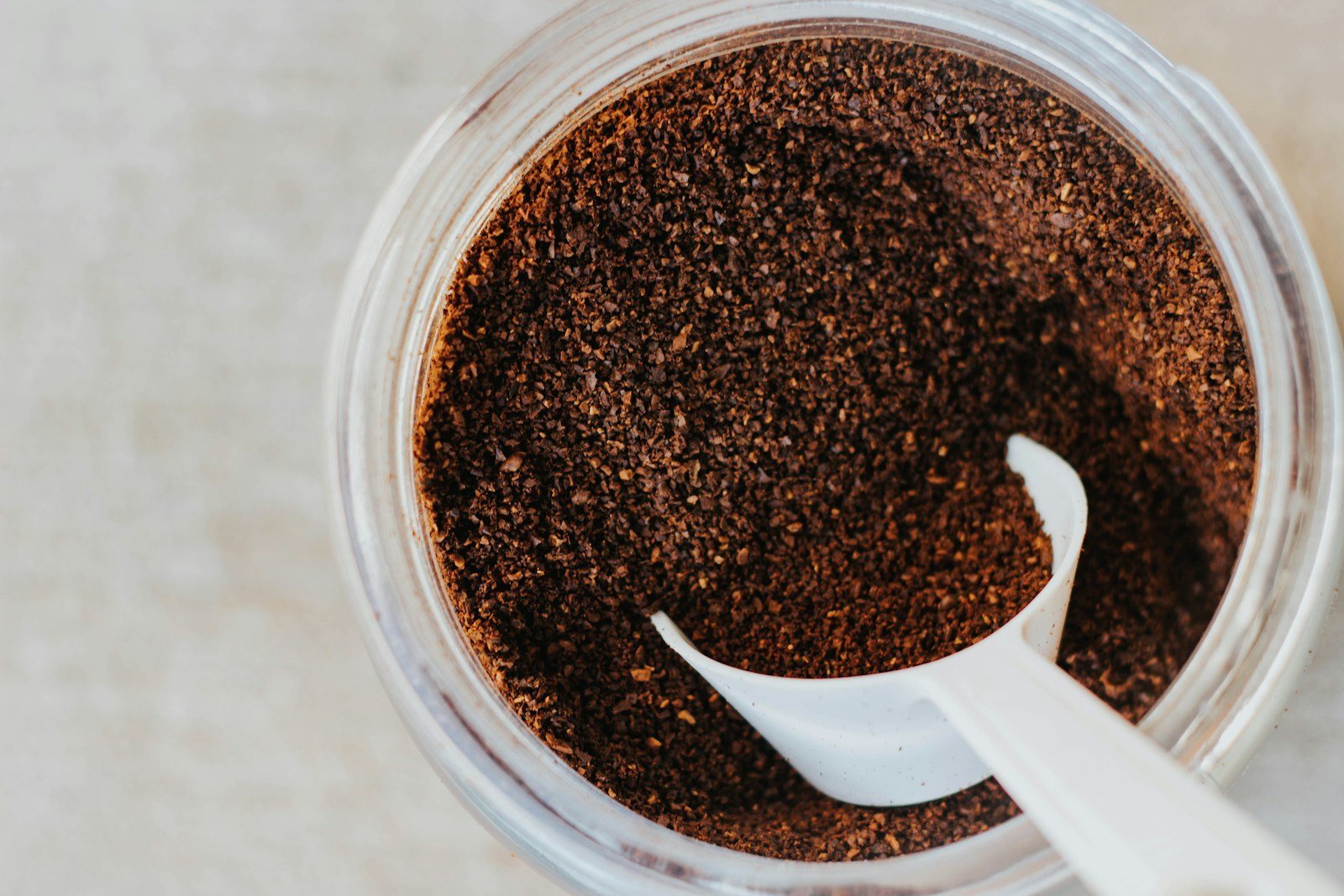
Yes, you can drink ground coffee, but the grit will likely make the experience unpleasant. It’s safe to consume, though it isn’t recommended because the texture is sandy and the flavor is often overly bitter. You should use a filter to remove the particles before you take your first sip.
Coffee grounds and drinking safety
| Situation | Can you drink it? | Why? |
|---|---|---|
| Swallowing a few grains | Yes | Harmless in small amounts |
| Drinking a full cup | Usually not | Texture is sandy and unpleasant |
| Using very fine grind | No | Extremely bitter and gritty |
| Using coarse grounds | Yes | Easier to strain or settle |
| Swallowing after brewing | Yes | Grounds are biologically safe |
| Drinking “cowboy coffee” | Yes | Common in camping settings |
What decides the experience
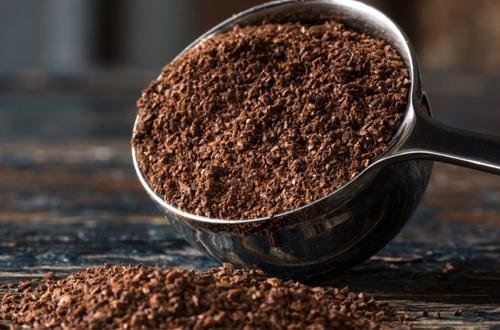
The main factor is the physical texture of the coffee particles remaining in your cup. Coffee beans are roasted and ground to release oils and flavors into water, but the bean structure itself doesn’t dissolve. When you drink these grounds, you’re consuming insoluble fiber that creates a gritty mouthfeel. If you use a fine espresso grind, the particles stay suspended in the liquid longer, which makes the cup taste like sludge. A coarser grind settles at the bottom of the mug more quickly, allowing you to drink the liquid without swallowing the solids. This varies by roast level; lighter roasts are harder and can feel sharper on the tongue than dark, oily roasts. If the liquid is boiling, the grounds continue to extract bitterness; if the water is cooler, the extraction slows down. If you want a smooth cup, use a filter; if you’re in a pinch, let the grounds settle for three minutes before drinking.
How to prepare coffee grounds
If you find yourself without a paper filter, you can still enjoy your coffee by using these simple methods to manage the grounds.
- Use the settling method. Pour hot water over your grounds and let the mixture sit undisturbed for three to four minutes.
- Pour carefully. Gently pour the liquid into your mug while leaving the heavy, wet grounds at the bottom of your brewing vessel.
- Use a fine-mesh strainer. Place a metal kitchen sieve over your cup as you pour to catch the larger particles.
- Try a cloth filter. Use a clean, thin cotton cloth or a large paper towel secured with a rubber band to strain the liquid into a clean container.
- Check for safety. Ensure your water reaches a boil to kill any surface bacteria, as suggested by FoodSafety.gov’s safe minimum internal temperatures for general food preparation practices.
The mistake people make
Many people try to rush the process by stirring the coffee immediately before taking a drink. This keeps the grounds suspended in the liquid instead of allowing gravity to pull them to the bottom of the mug. It costs you a smooth drinking experience, as every swallow will contain gritty, bitter particles that ruin the taste. The simple check to avoid this is to look at the surface of your coffee; if it’s cloudy or dark with floating specks, wait another sixty seconds for the grounds to drop.
When to seek professional advice
- Severe stomach pain or cramping after consumption, which may indicate an underlying sensitivity to high concentrations of fiber or caffeine.
- Persistent nausea that lasts more than a few hours, suggesting a reaction to the acidity of the grounds.
- Choking sensations if you have difficulty swallowing solids, in which case you should consult a doctor.
- Medical conditions like gastritis or ulcers, which may be aggravated by the high acidity and insoluble fibers found in ground coffee.
Frequently asked questions
Can you drink ground coffee if you’re pregnant?
Yes, you can, but you must watch your total caffeine intake. Most health professionals suggest limiting caffeine to about two hundred milligrams per day, so check your coffee bean bag for specific strength details.
Is it safe to swallow coffee grounds by accident?
Yes, it’s perfectly safe to swallow a small amount of coffee grounds. They’re just roasted and ground seeds, so they will pass through your digestive system without causing any harm to your body.
Why does ground coffee taste so bitter?
It tastes bitter because the grounds continue to release tannins and oils into the water the longer they sit. If you leave the grounds in the water for too long, the flavor becomes harsh.
How long does ground coffee stay fresh?
Ground coffee usually stays fresh for about one to two weeks if stored in an airtight container away from light. Check the manufacturer’s packaging for a “best by” date to ensure the best flavor quality.
Does drinking ground coffee cause indigestion?
Yes, it can cause indigestion for some people. The high acidity and insoluble fiber in the grounds can irritate the stomach lining, leading to discomfort, especially if you drink it on an empty stomach.
Can you use a paper towel as a coffee filter?
Yes, you can use a plain, unbleached paper towel in an emergency. Ensure it isn’t scented or treated with chemicals, as those can leach into your hot water and change the flavor.
Drink ground, in short
Pour your coffee slowly and observe the liquid to ensure most particles have settled at the bottom of your mug. If you see a thick layer of grit, use a strainer or wait a moment longer. Stop immediately if you feel any sharp discomfort or digestive distress.