
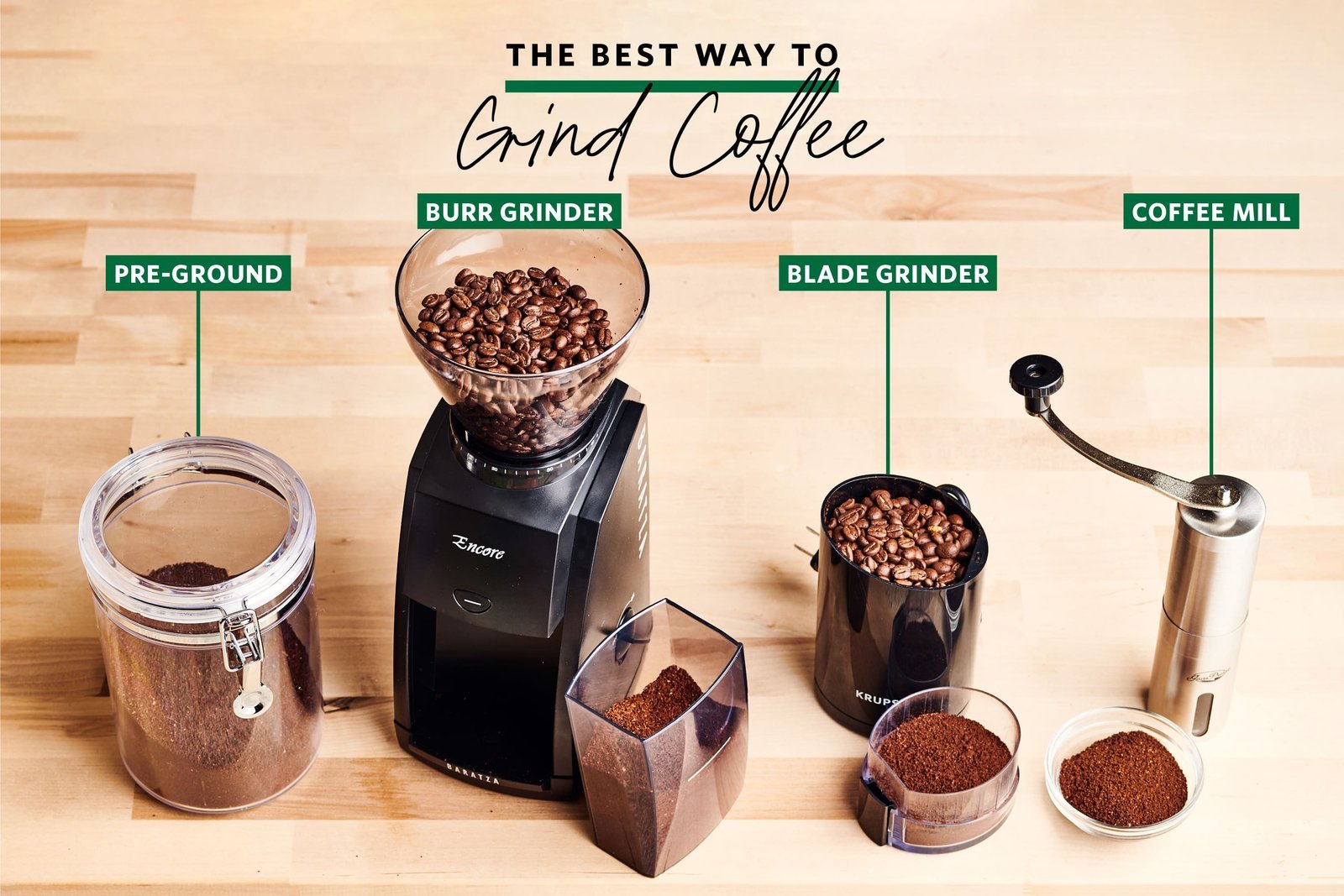
Yes, you can grind ground coffee, but the result is rarely what you expect. Most home grinders are designed for whole beans, so putting pre-ground coffee through them will likely create a dusty, uneven powder that clogs the burrs and ruins your brew.
Coffee grinding situations
Choosing whether to re-grind coffee depends on your equipment and your goal. If you’re trying to turn coarse grounds into fine espresso powder, your standard burr grinder will struggle to feed the tiny particles through the mechanism consistently.
| Your situation | Answer | Why |
|---|---|---|
| Using a blade grinder | No | It only makes more dust |
| Using a burr grinder | No | Particles clog the burrs |
| Adjusting for espresso | No | Flow rate becomes inconsistent |
| Brewing cold brew | Yes | Coarse grounds need no change |
| Fixing a coarse batch | No | Result is uneven and bitter |
What decides the result
The primary factor is the physical size of the coffee particles relative to the grinder’s burr gap. A burr grinder works by pulling whole beans into a space where they’re crushed into specific sizes. When you feed pre-ground coffee into this space, the particles are already smaller than the intended gap. Instead of being crushed, they pass through or get stuck in the housing, creating a fine, silty dust that causes over-extraction. This leads to a harsh, bitter taste in your cup that masks the coffee’s flavor notes. According to the National Coffee Association, the grind size must match your brewing method to ensure proper water contact time and flavor balance. If your grinder is set too coarse, the water flows too fast; if it’s too fine, the water stalls and turns bitter.
Options for pre-ground coffee
Since re-grinding isn’t a practical solution, you should change your brewing method to match the grind size you already have.
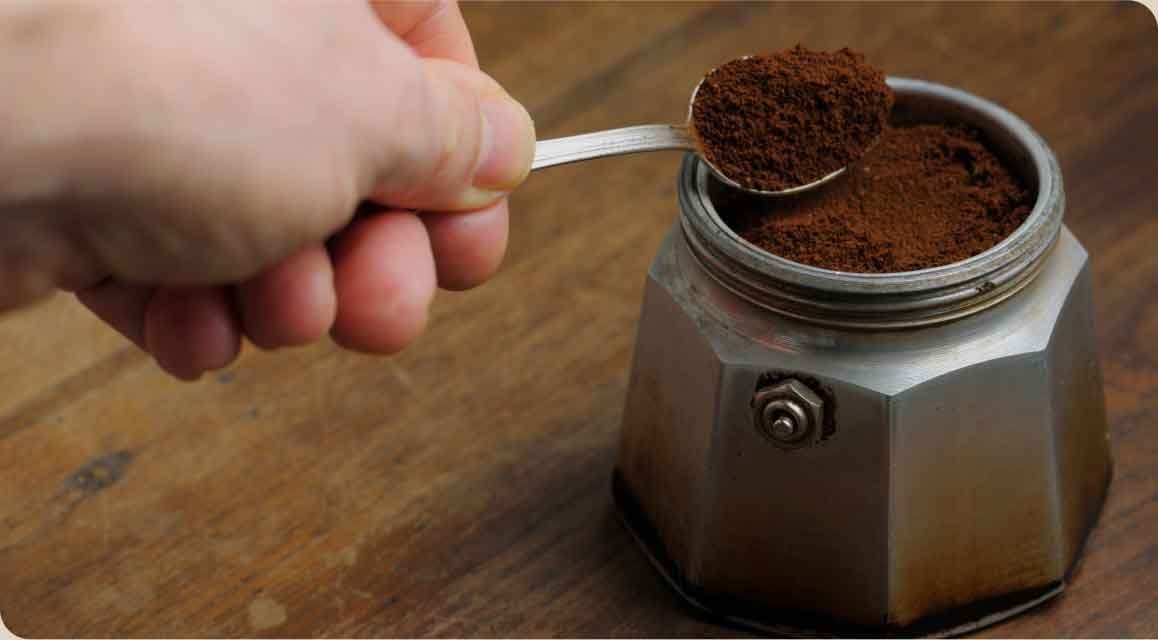
- Use a different brewer: If your coffee is ground for a drip machine but you want espresso, use a Moka pot instead. The Moka pot works well with a slightly coarser grind than a dedicated espresso machine.
- Adjust your brew time: If the grounds are too fine for your current method, reduce the total brewing time by thirty seconds to prevent over-extraction.
- Change the water temperature: Lower your water temperature by five degrees Fahrenheit if the coffee tastes burnt or overly bitter.
This isn’t for people who need a uniform particle size for professional-grade espresso extraction.
The mistake people make
The most common mistake is attempting to use a standard burr grinder to turn medium-ground coffee into an extra-fine powder for espresso. This often results in the fine dust packing into the grinder’s internal channels, which can seize the motor or damage the burr alignment. The one check to avoid this is to look at the grind settings on your device; if the setting is already at the finest point, you can’t make it finer.
When to stop and get help
- If the grinder motor stalls or makes a high-pitched whining noise, stop immediately to prevent burning out the internal components.
- If you smell burning plastic or smoke, unplug the unit and contact the manufacturer for repair or replacement instructions.
- If the grinder fails to output any coffee after you have cleaned the chute, the internal burrs may be jammed and require professional disassembly.
Frequently asked questions
Can you grind ground coffee for espresso?
No, your grinder will likely produce an inconsistent, silty powder that clogs the espresso basket and prevents proper water flow. You need a dedicated espresso grinder to achieve the necessary particle uniformity.
Is it safe to put ground coffee in a grinder?
Yes, it’s physically safe for the machine if you only do it once, but it isn’t recommended. You risk jamming the burrs with fine particles that are hard to clean out.
Why does re-grinding make coffee taste bitter?
It creates an excessive amount of fine dust that increases the surface area exposed to water. This leads to over-extraction, which pulls out unpleasant, astringent compounds from the coffee bean fibers.
How long does ground coffee stay fresh?
Ground coffee loses its peak flavor within one to two weeks if stored in an airtight container away from light, heat, and moisture. Grinding it again will speed up this oxidation process.
Does it matter if I use a blade grinder?
Yes, a blade grinder will only shatter the existing grounds into a mix of dust and large chunks. This results in an uneven brew that will taste both sour and bitter simultaneously.
What happens if I force the grinder?
You risk stripping the plastic gears or overheating the motor. Most home grinders aren’t built to handle the resistance caused by packing fine grounds into the small gap between the burrs.
Can I fix coffee that’s ground too fine?
No, you can’t make coffee particles larger once they have been ground. Your best option is to use a brewing method that requires less time, such as a French press or a pour-over.
Grind ground, in short
If your coffee isn’t the right size for your current method, adjust your brewing time or try a different device that suits the texture you have. If the coffee tastes bitter, use less brewing time; if it tastes weak, use a finer grind or more coffee.
Related guides