
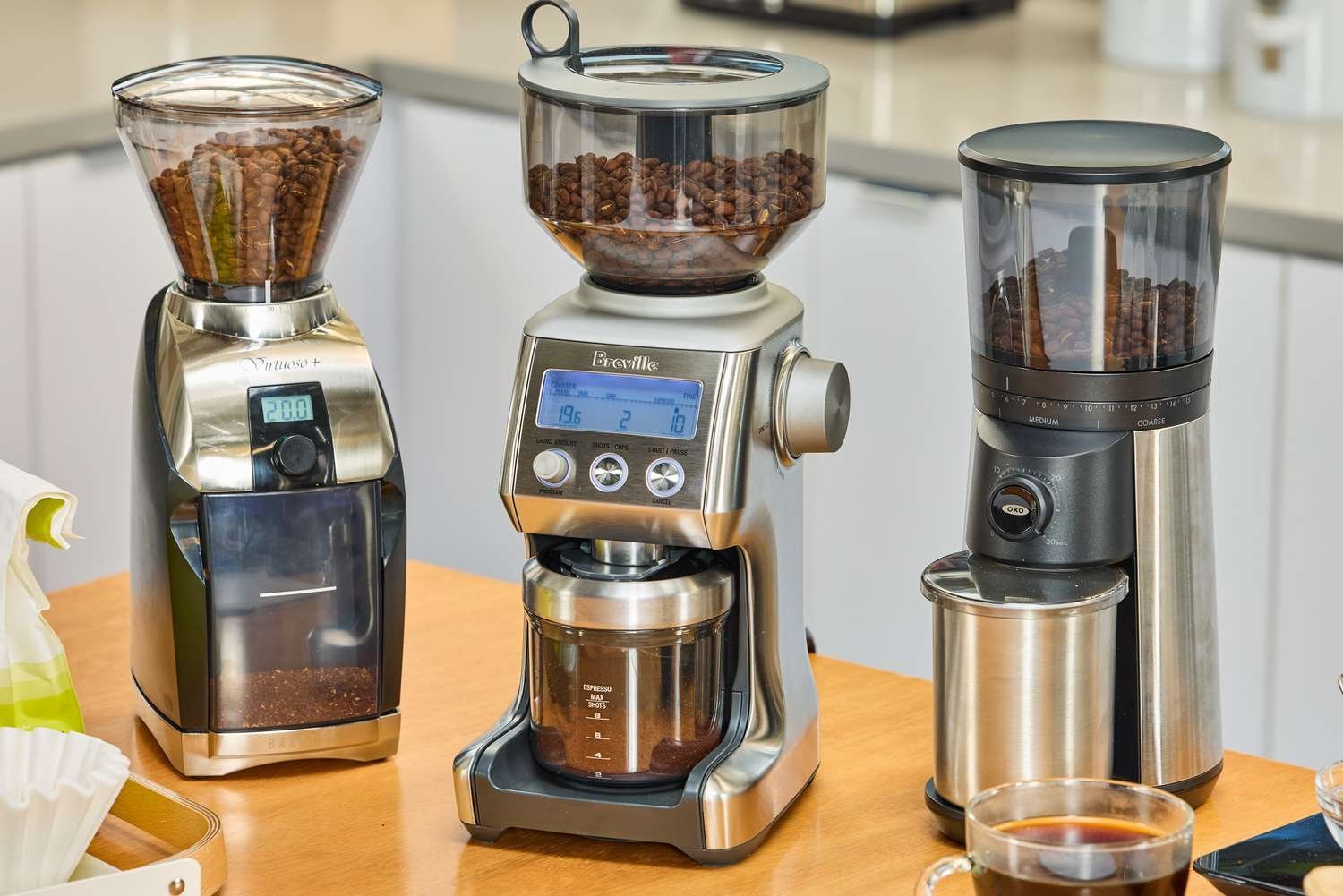
Usually not, because regrinding pre-ground coffee clogs the motor. The one condition that flips this answer is using a simple blade model with dry grounds in tiny pulses. You should stop your appliance immediately if you loaded grounds into a burr grinder, because the risk of putting ground coffee in a coffee grinder depends entirely on the mechanism inside.
Regrinding coffee in different grinder types
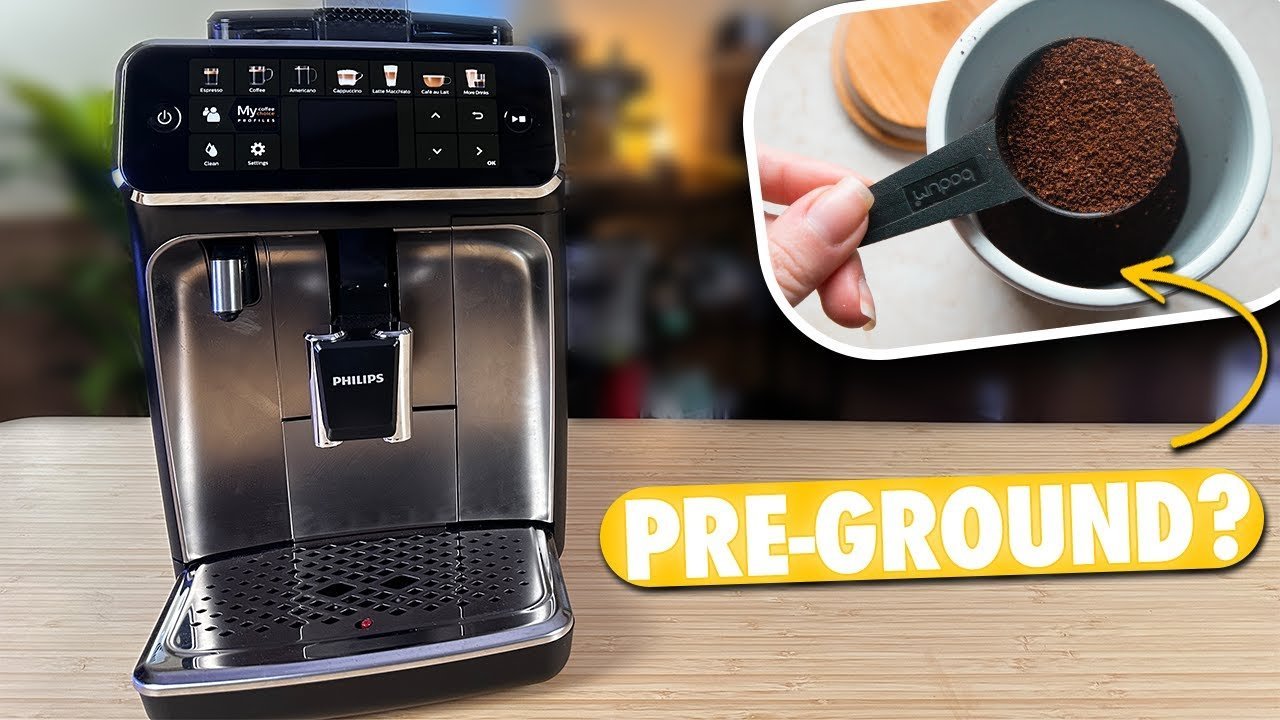
The physical design of your machine dictates whether regrinding is safe or destructive. Burr sets compress particles together and require whole beans to create steady feeding pressure, while spinning blades hit grounds freely without compacting them.
| Your situation | Answer | Why |
|---|---|---|
| Electric burr machine | No | Grounds pack tight and jam burrs |
| Blade model | Yes | Spinning blades won’t jam on powder |
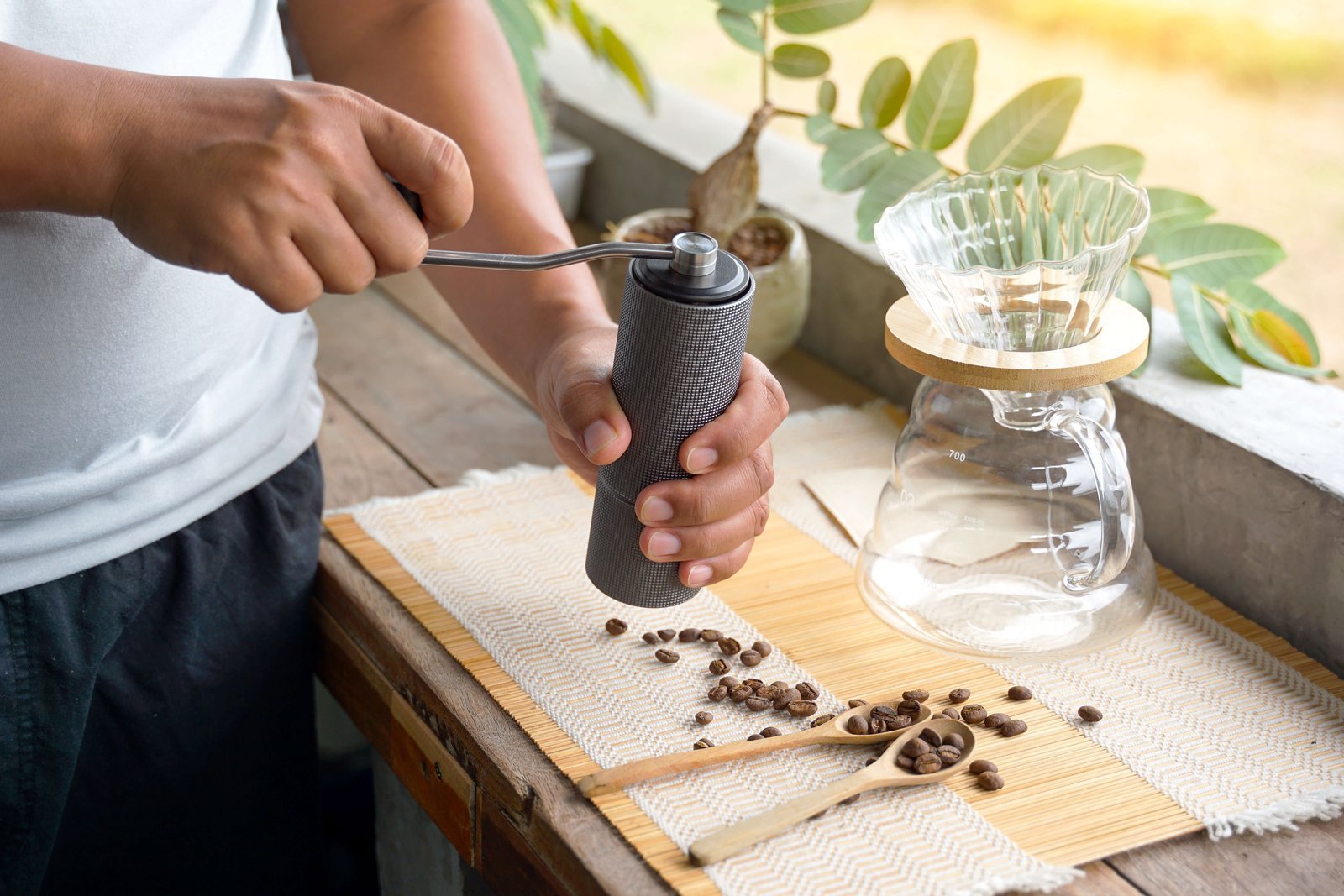
| Manual hand burr | Yes, but | Needs slow turning and small batches |
| Coarse cold brew grounds | Yes | Large chunks feed through easier |
| Fine drip grounds | No | Produces micro-dust that stalls motors |
| Commercial bulk grinder | No | Chutes clog from static buildup |
Why ground coffee jams burr mechanisms
Coffee beans break cleanly under burr teeth because whole beans leave empty air space between them as they travel down. When you feed pre-ground coffee into a burr set, that open space disappears. The burrs pack the smaller particles together instead of cutting them, which forms a dense cake that blocks the exit chute.
This friction creates immediate heat and traps the grounds inside the cutting ring. Appliance safety standards from Underwriters Laboratories require thermal cutoffs in motorized kitchen tools precisely because stalled electric motors overheat within seconds when their moving parts stop turning. The motor keeps pulling current to turn against the stuck burrs, which strains the drive gears and can strip plastic teeth. If your machine uses flat or conical burrs, don’t regrind your coffee; if your machine uses a high-speed blade, regrind small amounts using short pulses.
How to use existing coffee grounds
Re-running pre-ground coffee through an electric burr grinder ruins the motor, so you need other methods to fix your brew. You don’t have to throw away a bag of coffee that feels too coarse for your machine.
- Brew with an immersion method instead. Make French press or cold brew coffee, because both methods thrive on coarse grounds and forgive uneven particles. This option isn’t for espresso drinkers who need high pressure to pull a shot.
- Sift out the coarsest pieces using a kitchen strainer. Shake the dry grounds over a bowl so the smaller brewable particles fall through while the biggest chunks stay behind. This option isn’t for people in a rush before work.
- Use a basic spice blade grinder in two-second bursts. Shake the blade unit gently as it pulses so the blades hit every particle evenly without turning the bottom layer into paste. This option isn’t for owners of high-end espresso setups who demand uniform grind distribution.
Squeezing fine coffee into espresso portafilters
The single biggest mistake people make is trying to regrind store-bought drip coffee to make espresso. Pre-ground coffee clogs the grinder, so users often try tamping the existing coarse coffee twice as hard instead. This mistake channels the water during brewing, causing weak, sour espresso and wasting the entire ten-dollar bag. The practical trade-off is clear: you save twenty minutes of hassle by accepting a French press brew today, rather than destroying a two-hundred-dollar grinder trying to force espresso-sized powder out of drip grounds.
Coffee grinder warning signs and limits
Stop using your machine and clean it out when these specific issues appear during use:
- The electric motor hums loudly without spinning, which means grounds have locked the burrs tight.
- The machine smells like hot plastic or electrical smoke, which shows the motor winding is overheating.
- Grounds stop falling out of the discharge chute while the hopper remains full.
Unplug the machine right away if you hear the motor pitch drop or see smoke. Clearing a jammed motor housing yourself requires unplugging the unit and brushing the teeth clean, but a motor that won’t restart after cooling down needs an authorized small-appliance technician.
Frequently asked questions
Can you regrind coffee in a blade grinder?
Yes. Blade grinders use a spinning metal prop that slices loose grounds without trapping them in tight channels, so the machine won’t seize up from powder buildup.
Why did my burr grinder stop working with ground coffee?
Your burr grinder stopped because fine grounds packed tightly into the burr teeth and choked the exit chute. This jams the motor shaft and trips the internal thermal switch.
How long does it take for jammed burrs to cool down?
About 30 minutes. Most domestic electric motors have thermal fuses that reset automatically once internal temperatures drop to room levels, though severe overloads may blow the fuse permanently.
Is it safe to grind coffee twice for espresso?
No. Regrinding creates a high percentage of microscopic dust particles called fines. These fines migrate to the bottom of the portafilter basket and choke your espresso machine pump completely.
Does it matter if I mix whole beans with grounds?
Yes. Mixing whole beans with grounds still creates clogs because the fine dust packs between the larger beans, binding the burrs and stalling the electric motor shaft.
What happens if you regrind coffee in a manual hand grinder?
It works slowly if you feed a few grams at a time, but turning the handle becomes very stiff. The extra resistance can bend the central drive shaft on cheaper units.
Next steps for your coffee grounds

Check your grinder type on its bottom label before adding any grounds to the hopper. If it uses spinning blades, shake the chamber and run short bursts until the grounds reach the size you want. Stop immediately if the pitch of the motor drops or the unit feels hot to the touch.
Keep the grounds coarse and switch to a French press if you own a burr machine. Doing this protects your equipment and guarantees a balanced cup without spending money on replacement parts.
Put ground, in short
If you’re still feeling uncertain about your machine’s capabilities, it’s best to stick with whole beans for the freshest flavor. You shouldn’t risk damaging your equipment just to save a little time. Check your user manual tonight to see what your specific model can handle before you try anything new.
Related guides