
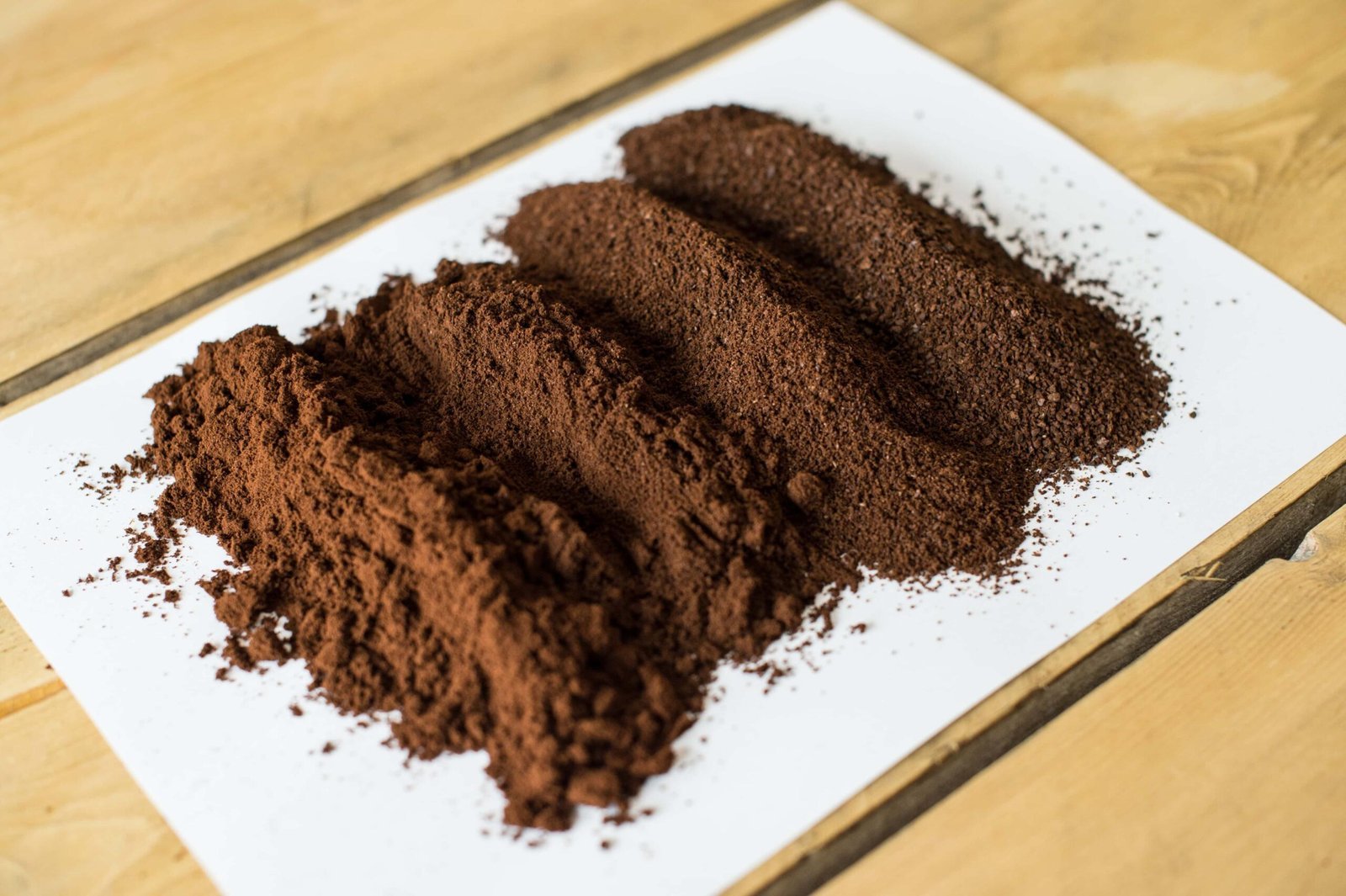
No, you can’t grind ground coffee to improve its quality or change its extraction properties. Grinding ground coffee again will only create coffee dust that clogs your equipment and results in an extremely bitter, muddy cup.
Why you shouldn’t grind ground coffee
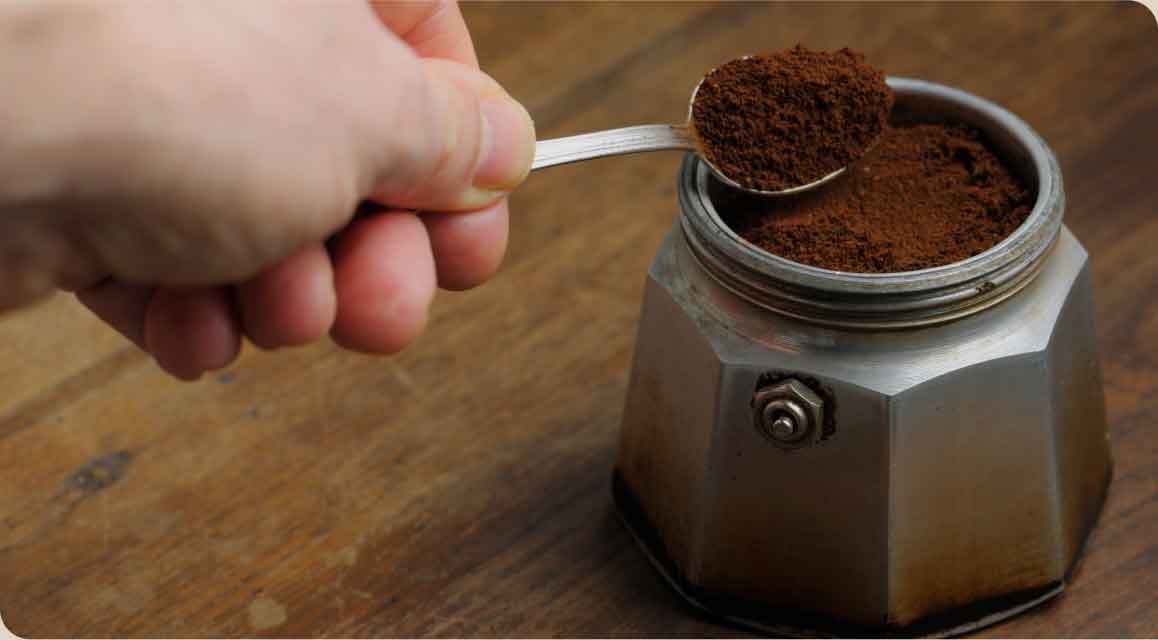
Attempting to grind coffee that’s already ground is a common mistake that ruins the flavor profile. The table below outlines how different coffee states behave when handled incorrectly.
| Your situation | Answer | Why |
|---|---|---|
| Re-grinding coarse grounds | Never | Creates uneven, powdery dust |
| Using fine dust in drip | Never | Clogs filters; over-extracts flavor |
| Mixing old and new | Possible | Masking stale flavor is difficult |
| Grinding very coarse beans | Yes | Adjust dial to finer setting |
| Using a blade grinder | Never | Produces inconsistent, heated particles |
The mechanics of particle size
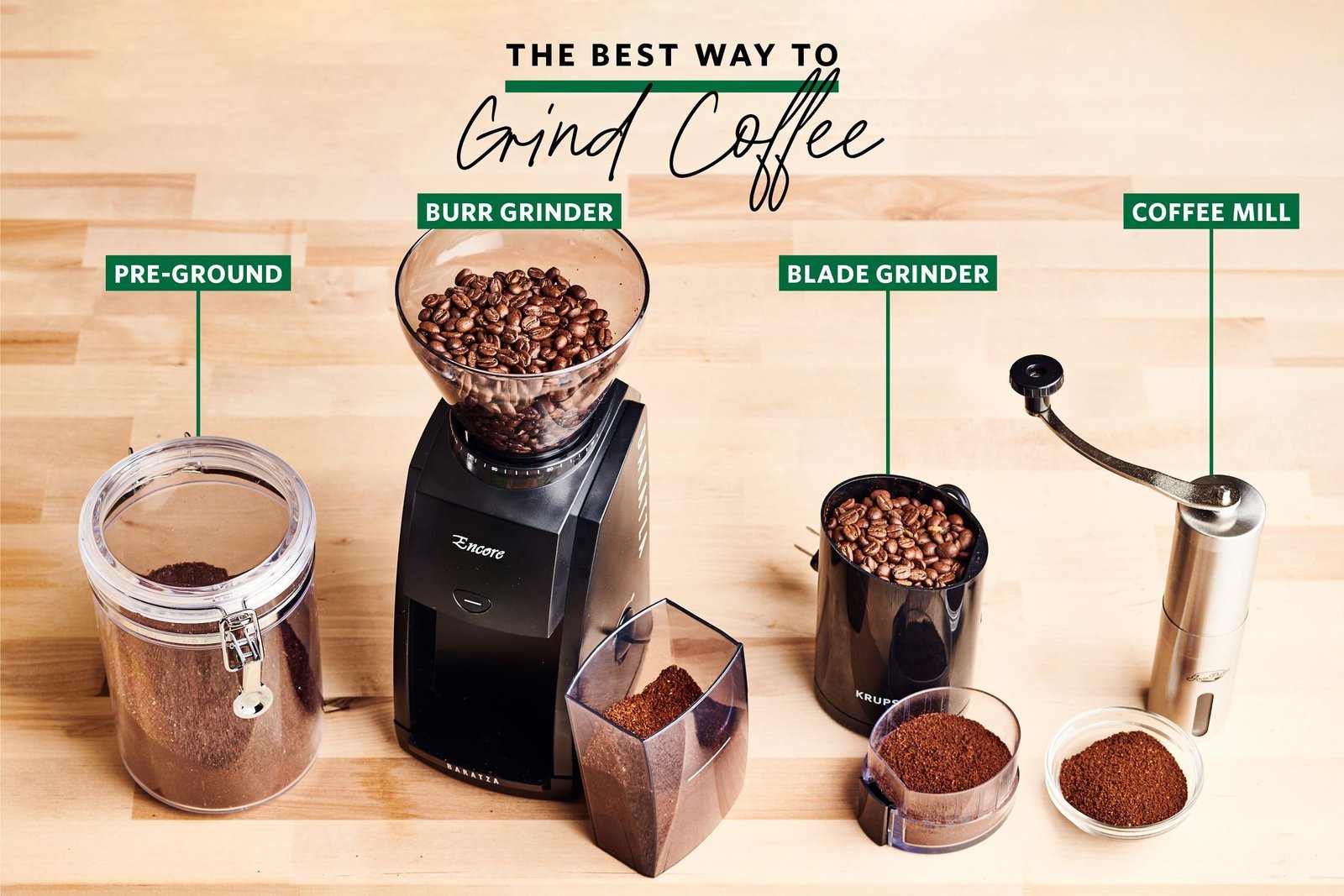
Coffee grinders are designed to fracture whole beans into specific, uniform sizes suitable for different brewing methods. When you pass already ground coffee through a burr grinder, the burrs can’t grip the tiny particles effectively. Instead of cutting, the machine creates friction and heat, which degrades the aromatic oils that give coffee its character. This process produces “fines”—microscopic particles that pass through filter paper and settle at the bottom of your cup. These fines increase the surface area exposed to water, leading to rapid, uneven extraction that tastes harsh. According to the National Coffee Association, achieving a uniform particle size is essential for a balanced brew, and re-grinding destroys the consistency required for that balance. If you need a different grind size, you must start with whole beans rather than attempting to process grounds a second time.
Options for leftover grounds
If you have a bag of pre-ground coffee that’s too coarse for your current brewer, you don’t need to re-grind it. Try these alternatives to avoid waste:
- Steep the coffee longer: Use a French press or an immersion method where you can extend the contact time to compensate for a coarse grind.
- Change the filter type: Switch to a metal mesh filter, which allows more oils and fines through than paper, helping a coarse grind taste more robust.
- Use it for cold brew: Coarse grounds are perfect for cold brewing, as the long, 12-to-24-hour steeping time extracts flavor effectively without needing a fine texture.
- Compost the leftovers: If the flavor is truly unpalatable, add the grounds to your garden soil to provide nitrogen for non-acid-loving plants.
This approach isn’t for someone who expects a precise espresso shot from coarse grounds, as the equipment limits will prevent the necessary pressure buildup.
The mistake of double processing
The most common mistake is thinking that running grounds through a finer setting will turn a coarse grind into an espresso-ready texture. This actually ruins your grinder, as the fine particles can pack into the adjustment threads or motor housing, leading to mechanical failure. This repair can cost the price of a new entry-level grinder. To avoid this, always check your grind setting on a small test batch of whole beans before committing your entire supply. If the texture looks like salt, it’s for drip; if it looks like flour, it’s for espresso.
Signs your equipment needs attention
- Motor straining: The grinder hums but doesn’t turn, often caused by fine dust packing the burrs.
- Bitter, astringent taste: Your coffee is over-extracted because the dust is blocking water flow.
- Excessive heat: The grounds feel warm to the touch, indicating the burrs are creating friction instead of cutting.
If you notice these signs, stop using the machine and clean the burr chamber with a dry brush to remove residual dust.
Frequently asked questions
Can I grind ground coffee for espresso?
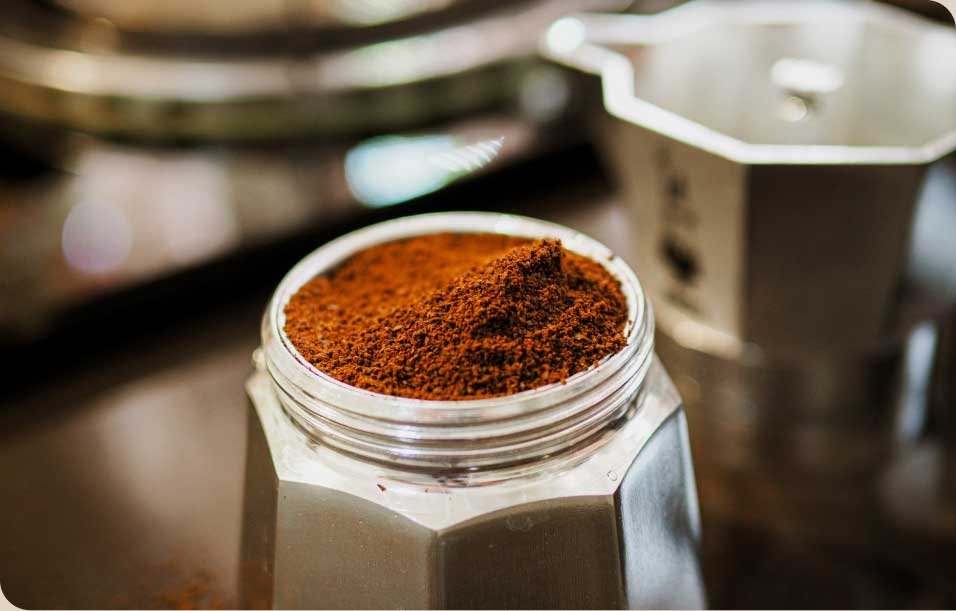
No, you can’t grind ground coffee for espresso. The secondary grinding process creates dust rather than uniform particles, which will choke the espresso machine and prevent water from flowing through the portafilter basket correctly.
Why does my coffee taste like mud?
Your coffee tastes like mud because it contains too many fine particles. These small bits of coffee dust pass through your filter and remain in your cup, creating a gritty texture and an over-extracted, bitter flavor.
How long should I brew coarse coffee?
You should brew coarse coffee for about 4 to 5 minutes using a French press. The larger particles require a longer contact time with hot water to release their full flavor profile without becoming sour.
Is it safe to re-grind coffee?
Yes, it’s safe in terms of health, but it isn’t recommended for quality. Re-grinding doesn’t pose a physical safety risk, but it will ruin the taste of your coffee and potentially damage your grinder’s motor.
Does re-grinding make coffee stronger?
No, re-grinding doesn’t make coffee stronger. It only makes the extraction faster and more uneven, which results in a bitter, astringent cup rather than a concentrated or flavorful one.
Can I fix a grind that’s too coarse?
You can’t fix a grind that’s too coarse by re-grinding it. Instead, you should adjust your brewing method by increasing the water temperature slightly or extending the brew time to extract more flavor from the coarse particles.
Grind ground, in short
Start by checking your current grind size against a visual guide for your specific brewing device. If the texture is wrong, use the grounds for a different brewing method instead of putting them back in the grinder. Stop immediately if the grinder motor sounds like it’s struggling.