
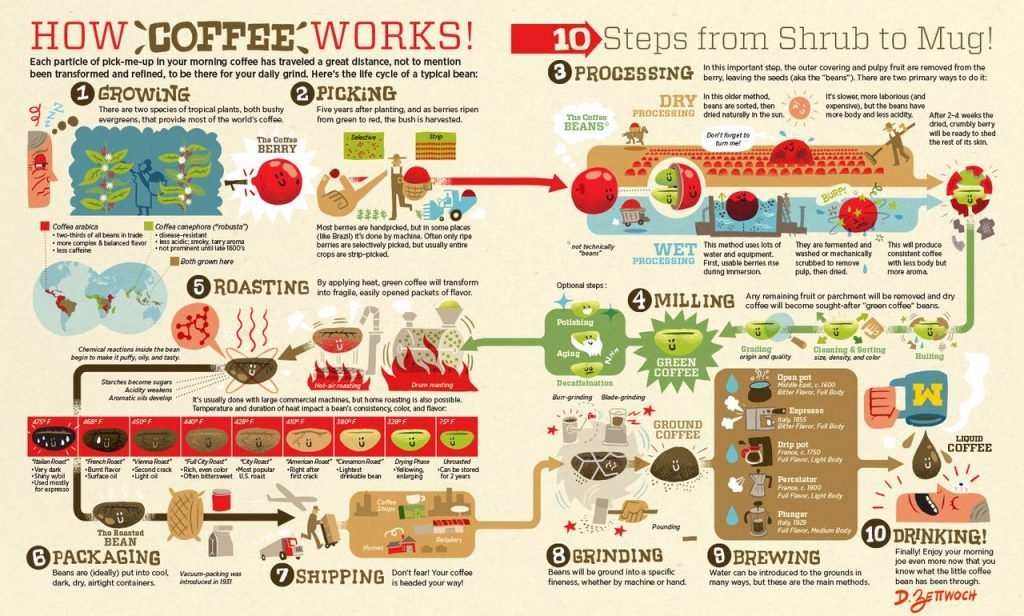
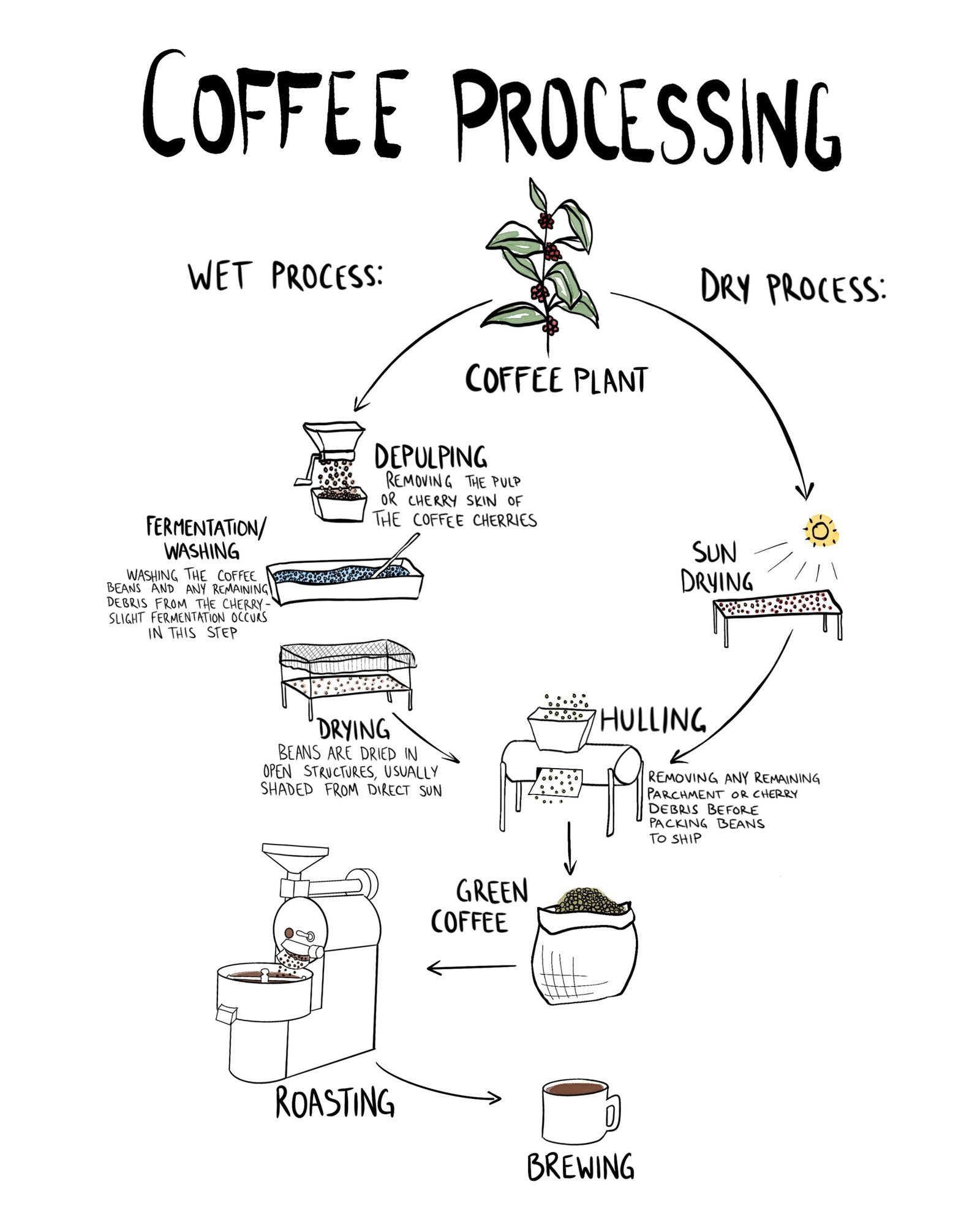
Farmers harvest coffee cherries and remove the fruit pulp before drying the seeds to create green coffee beans, which is how coffee is processed step by step. This labor-intensive sequence transforms raw fruit into the stable, export-ready product used by roasters globally.
Tools for Processing Coffee
- Harvesting baskets: Large, shallow containers to collect only ripe, red cherries.
- Depulping machine: A mechanical device that strips the skin and fruit flesh from the seeds.
- Fermentation tank: A clean water basin for soaking beans to break down sticky mucilage.
- Drying beds: Raised mesh screens or concrete patios for even airflow during moisture removal.
- Moisture meter: A digital tool to ensure beans reach a safe 10-12% moisture level.
You need these tools to ensure quality; using makeshift equipment often leads to uneven batches. Local agricultural cooperatives often rent depulpers for a daily fee.
Processing Steps for Coffee
- Harvest the coffee cherries by hand, picking only the deep red, fully ripe fruits to ensure a sweet, complex flavor profile.
- Sort the cherries in a large tank of water, removing the “floaters” that rise to the top as these are often defective or empty.
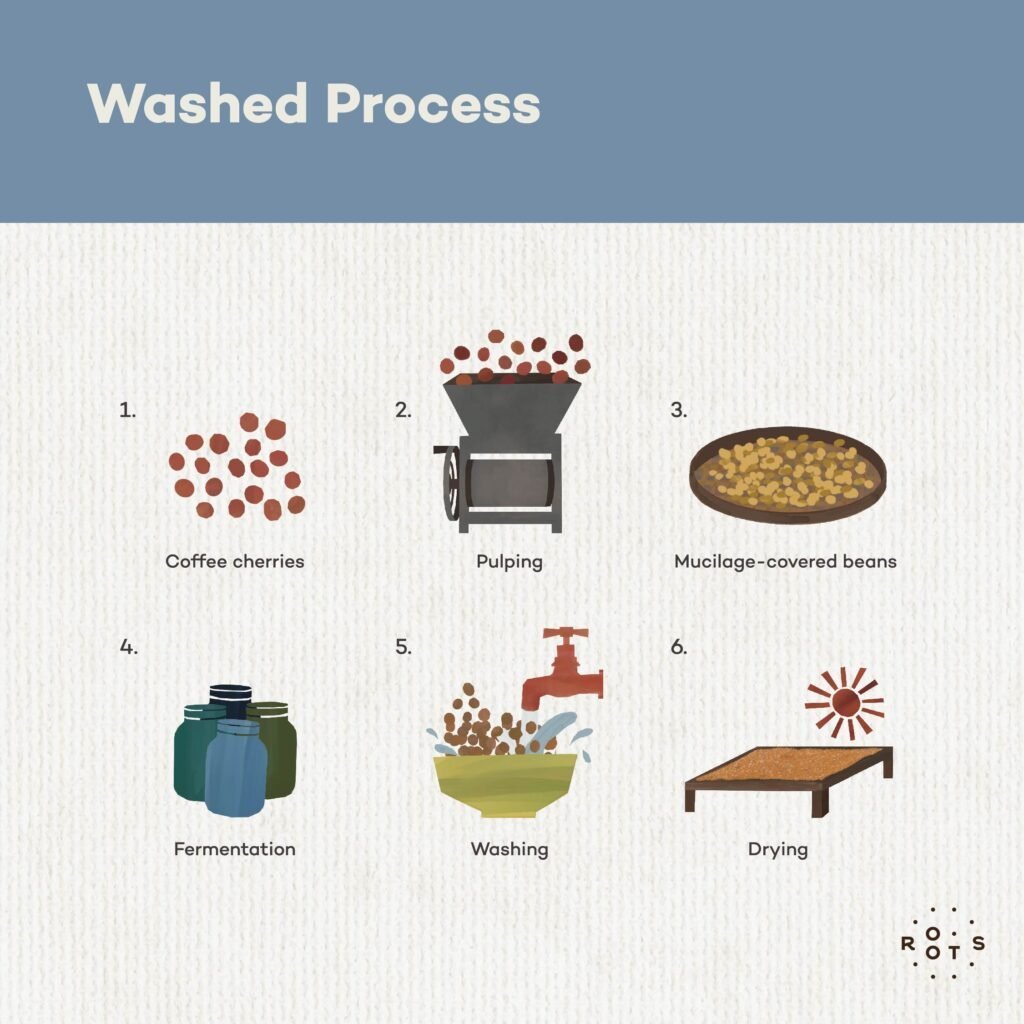
- Depulp the cherries immediately using a mechanical press to remove the skin and pulp while leaving the mucilage layer intact on the beans.
- Ferment the beans in clean, food-grade tanks for 12 to 48 hours, depending on the ambient temperature and desired acidity level. * Careful: Over-fermenting creates a sour, vinegar-like taste, so check the texture every 4 hours.
- Wash the beans thoroughly with fresh water to remove all remaining fruit residue, ensuring the surface is clean to prevent mold growth.
- Dry the beans on raised beds, turning them every hour to ensure uniform moisture loss until they reach a 10-12% moisture content as noted by the International Coffee Organization. * Tip: If you live in a humid climate, use mechanical dryers to finish the process, as natural sun-drying will take too long and risk fungal growth.
- Hull the dried parchment skin from the beans using a machine once they reach the target moisture level.
- Grade and sort the green beans by size and density, removing any broken or discolored beans to improve the final cup quality.
Variables in Coffee Production
The processing method changes your final output significantly, as each technique dictates the flavor intensity and energy required.
| Method | Time Required | Cost/Labor | Watch For |
|---|---|---|---|
| Natural | 2-4 weeks | Low | Mold during drying |
| Washed | 2-5 days | High | Water usage |
| Honey | 1-2 weeks | Medium | Sticky fermentation |
It’s safer to start with a smaller batch to master the timing of your local climate before scaling up to larger, more expensive equipment.
Ensuring High Quality Results
Photo: www.shutterstock.com on Google
A well-processed bean looks uniform in color, feels hard to the touch, and smells like fresh hay or dried fruit. A poor result often shows “quakers” or pale, shriveled beans that fail to roast evenly. This happens when cherries are harvested prematurely or dried at uneven temperatures. To prevent this, always maintain strict separation of harvest lots and ensure your drying beds have sufficient airflow.
Storage and Quality Standards
Store green coffee in airtight, moisture-proof bags to prevent flavor degradation. Keep beans in a cool, dark environment to maintain quality for up to 12 months. Keep records of moisture levels and drying times for every batch to ensure consistency. Improper storage allows moisture to return to the beans, leading to spoilage and loss of value.
Alternative Processing Methods
Natural Process
This method dries the whole cherry with the fruit still attached. It produces a very heavy, sweet body but requires constant turning to prevent rot in the high-sugar fruit layers.
Honey Process
This is a middle ground where the skin is removed but some fruit pulp stays on the bean. It uses less water than the washed method and results in a balanced, syrupy sweetness.
Anaerobic Fermentation
This advanced route involves sealing the beans in oxygen-free tanks. It creates unique, intense flavor profiles but requires precise monitoring of pH levels to ensure the process doesn’t turn into spoilage.
Frequently asked questions
Can I process coffee at home?
Yes, you can process small amounts of coffee at home using a hand-cranked depulper and sun-drying beds. Ensure you have enough space to spread the beans in a single layer to avoid mold and ensure even drying.
How long does coffee take to dry?
Natural process coffee takes 2 to 4 weeks to dry, while washed coffee usually takes 7 to 14 days. These times vary by model of dryer and your local humidity; always use a moisture meter to confirm readiness.
Is it safe to eat coffee cherries?
Yes, the fruit pulp of the coffee cherry is safe to eat and often processed into a tea called cascara. However, ensure the fruit is clean and free of pesticides before consumption, as coffee crops are frequently treated.
What happens if I don’t wash the beans?
If you skip the washing step, the remaining fruit sugars will ferment on the bean surface. This can lead to uncontrolled mold growth, which ruins the flavor and creates a potential health hazard for the end user.
Why do some beans look different colors?
Beans look different colors because of the processing method and the level of sorting performed. Washed beans are typically uniform and green, while natural-processed beans often have a darker, mottled appearance due to the dried fruit residue.
How do I store processed coffee?
Store processed green coffee in hermetic bags in a cool, dry place away from direct sunlight. High humidity will cause the beans to absorb moisture, which leads to mold and ruins the quality of the coffee.
Coffee processed, in short
The quality of your final cup depends entirely on your attention to detail during these steps. Consistent moisture control and careful sorting prevent common defects that turn a potentially high-value harvest into low-grade inventory. By tracking your drying times and keeping your equipment clean, you maintain the integrity of the beans from the farm to the roaster.
Related guides