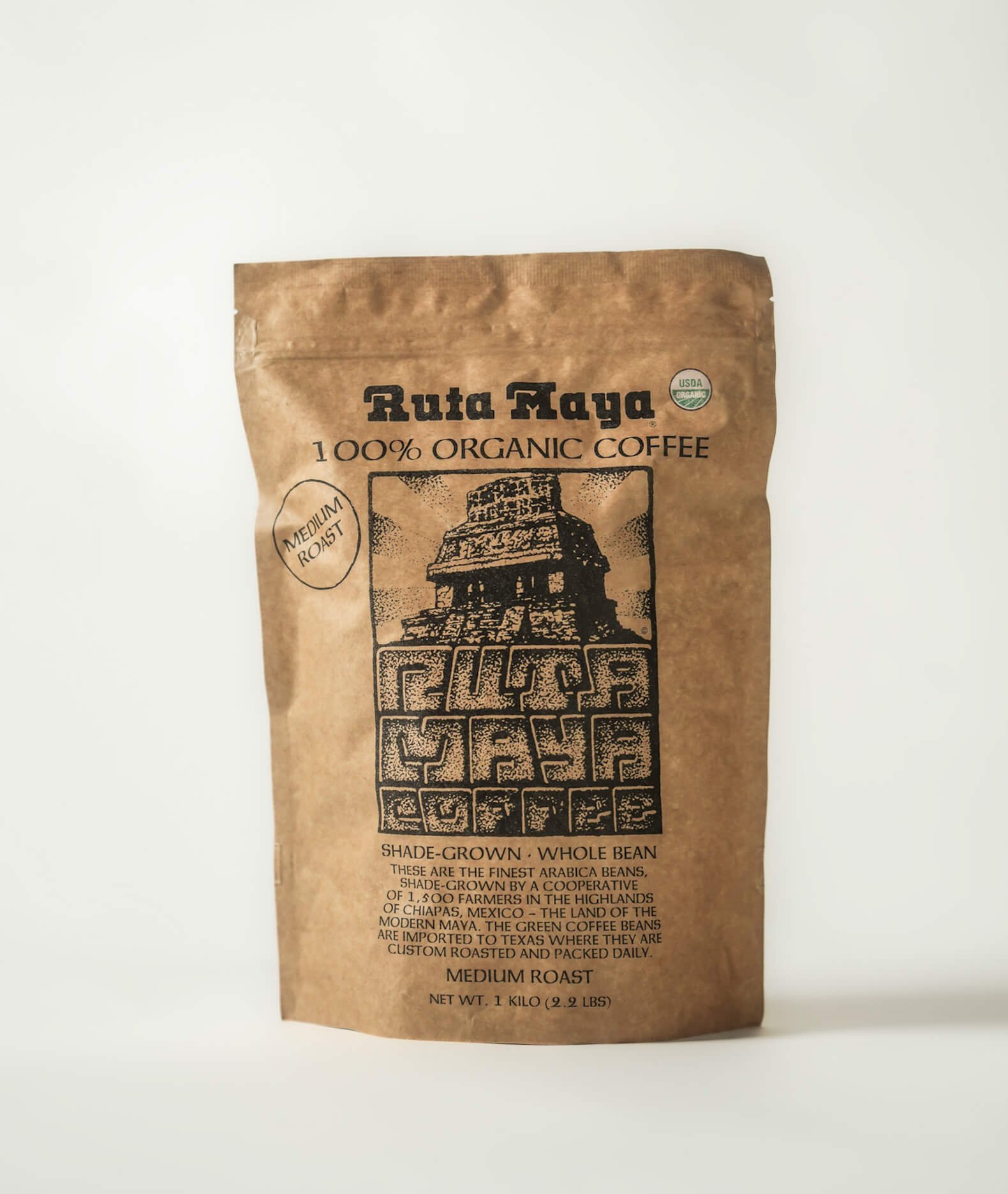
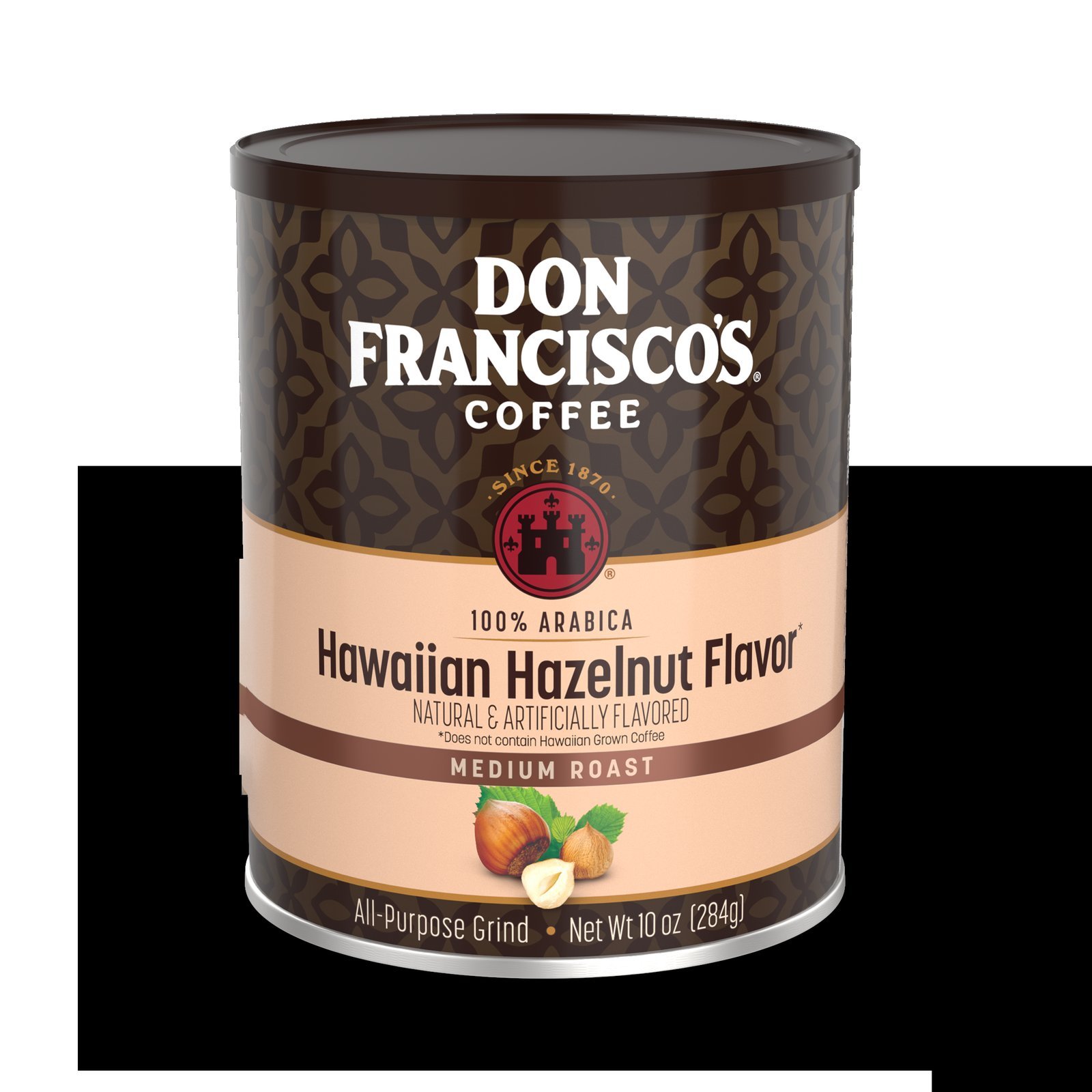
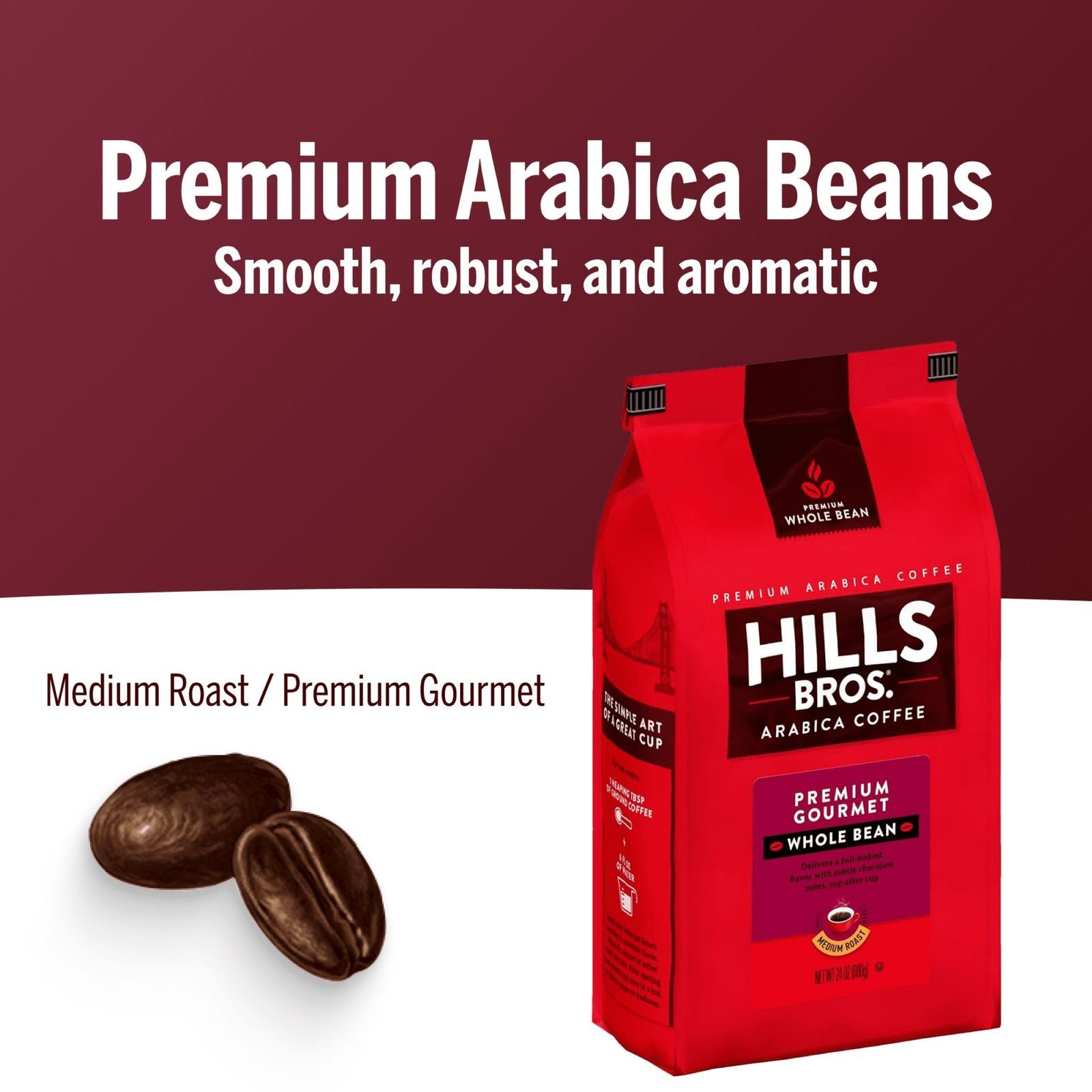
You might ask, is arabica coffee medium roast? It is not, as the term refers to the plant species rather than the heat applied. Arabica beans are available in light, medium, or dark roasts based on the producer’s preference.
Is arabica coffee medium roast?
- Arabica is a species of coffee plant, not a color or roast profile.
- Roasting is a separate process that changes the bean’s flavor and density.
- Light roasts keep more of the bean’s original, acidic, and floral notes.
- Medium roasts balance the bean’s natural acidity with a fuller, sweeter body.
- Dark roasts emphasize the flavors created by the heating process itself, like cocoa.
- Check the bag label for the roast level, as the species name alone isn’t enough.
Why roast level is separate from species
The coffee industry distinguishes between the botanical variety of the plant and the thermal process applied to the seeds. Arabica (Coffea arabica) is a mountain-grown plant prized for its complex, acidic, and often fruity flavor profile. Conversely, roasting is a chemical process where heat causes the Maillard reaction, which transforms raw green beans into brown, aromatic coffee.
When a roaster applies heat, they aren’t changing the species but rather altering the cellular structure and chemical compounds within the bean. A medium roast is simply a specific point in this heating curve. Because arabica beans have high sugar content and complex acids, roasters often select medium profiles to highlight these natural traits without masking them under intense carbonized flavors.
When the answer is different
| Situation | What changes | What to do instead |
|---|---|---|
| Robusta beans | Higher caffeine content | Use for espresso blends |
| Light roast | Higher acidity level | Brew with lower heat |
| Dark roast | Lower bean density | Adjust grind size coarser |
| Decaf process | Bean texture changes | Check brand specific tips |
| Single origin | Unique regional flavors | Drink without adding milk |
How to do it properly
- Buy whole bean coffee to ensure the roast profile stays fresh for as long as possible before you grind it.
- Use a scale to measure 18 grams of coffee for every 300 milliliters of water to get a consistent flavor balance.
- Heat your water to 200°F, which is the standard range for medium roasts to extract sugars without burning the grounds.
- Grind your beans to a medium-coarse consistency, similar to sea salt, if you’re using a standard drip coffee maker.
- Pour the water over the grounds in a circular motion, starting from the center and moving outward to wet everything.
- Wait for the brew to finish completely, which usually takes 3 to 4 minutes depending on your specific brewer’s flow rate.
- Serve the coffee immediately while it’s steaming hot, as the flavor profile begins to degrade once it cools down.
The mistakes that ruin it
- Storing beans in the freezer causes condensation, which ruins the flavor oils and leads to a stale, cardboard-like taste.
- Using boiling water at 212°F on a medium roast often results in an unpleasantly bitter or scorched cup.
- Buying pre-ground coffee means the flavor compounds oxidize over time, eventually leading to a dull and flat experience.
- If the water ratio is too low, you end up with a weak, watery cup that lacks the body of a medium roast.
Frequently asked questions
Can I roast arabica beans at home?
Yes, you can roast raw arabica beans at home using a specialized drum roaster or a hot air popcorn popper. This requires constant attention to reach the specific brown color you want, as the beans will go from light to burnt in seconds.
Is medium roast higher in caffeine?
No, the caffeine content is relatively stable across roast levels by weight, though light roasts can be slightly denser. If you measure by volume, the difference is negligible, so choose the roast based on your preferred flavor rather than caffeine levels.
Does arabica mean better quality?
Yes, arabica is generally considered higher quality than robusta because it grows at higher altitudes and has more complex sugars. However, a poorly roasted arabica bean will taste worse than a well-roasted robusta bean, so check the roast date.
How long does medium roast stay fresh?
About 2 to 4 weeks is the ideal window for peak flavor after the roast date printed on the bag. After this time, the beans lose their aromatic oils and the cup will taste flat, even if the coffee is still technically safe.
Is dark roast stronger than medium?
No, dark roast often tastes more intense, but this is due to the carbonization of the bean surface, not caffeine. The “strength” is usually a result of how much coffee you use per cup rather than the roast level.
Does medium roast contain dairy?
No, plain coffee beans contain only the roasted seed of the coffee cherry. If the package mentions milk or cream, it’s an instant coffee product or a pre-mixed drink, not a standard bag of whole bean coffee.
Final Thoughts
When you’re shopping for your next bag, don’t just look for the species name on the label. Instead, check the roast profile to see if it matches your taste preferences. You’ll find that experimenting with different roast levels is the best way to discover which flavor notes you truly enjoy.