
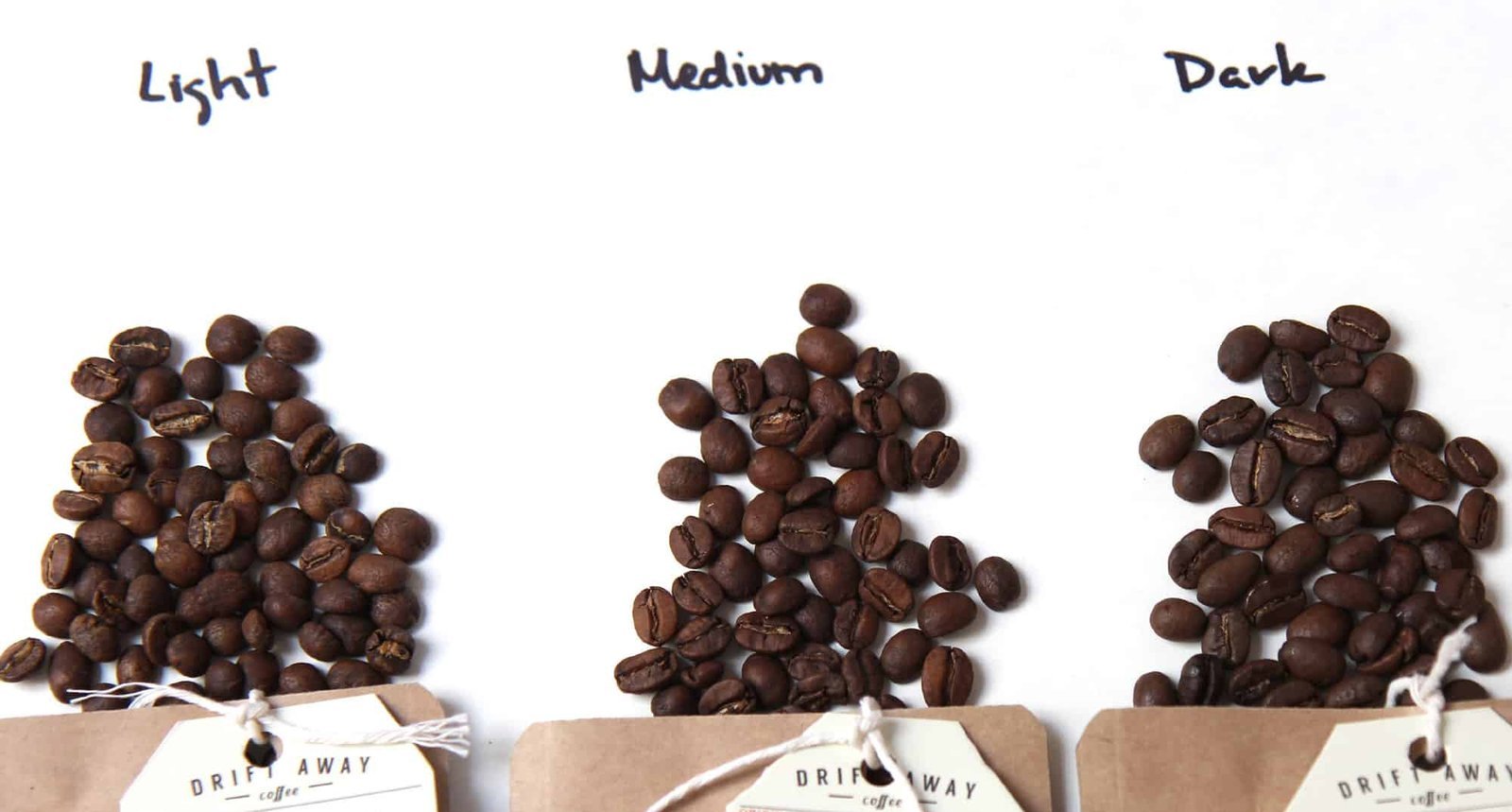
To understand what is difference between dark roast and medium roast coffee, look to the roasting time and temperature. These factors determine the bean’s color, oil, and flavor, representing a trade-off between the bean’s natural traits and the intensity of the heat.
Medium roasts generally reach an internal bean temperature of about 400°F to 430°F, stopping after the first crack but before the second crack. This preserves the unique flavor notes of the bean’s origin, such as floral, citrus, or berry tones. Dark roasts, however, are heated to 440°F or higher, extending well into the second crack. This high heat breaks down the bean’s structure, pulling natural oils to the surface and replacing original flavors with deep, smoky, or chocolatey notes.
Spotting the difference between roasts
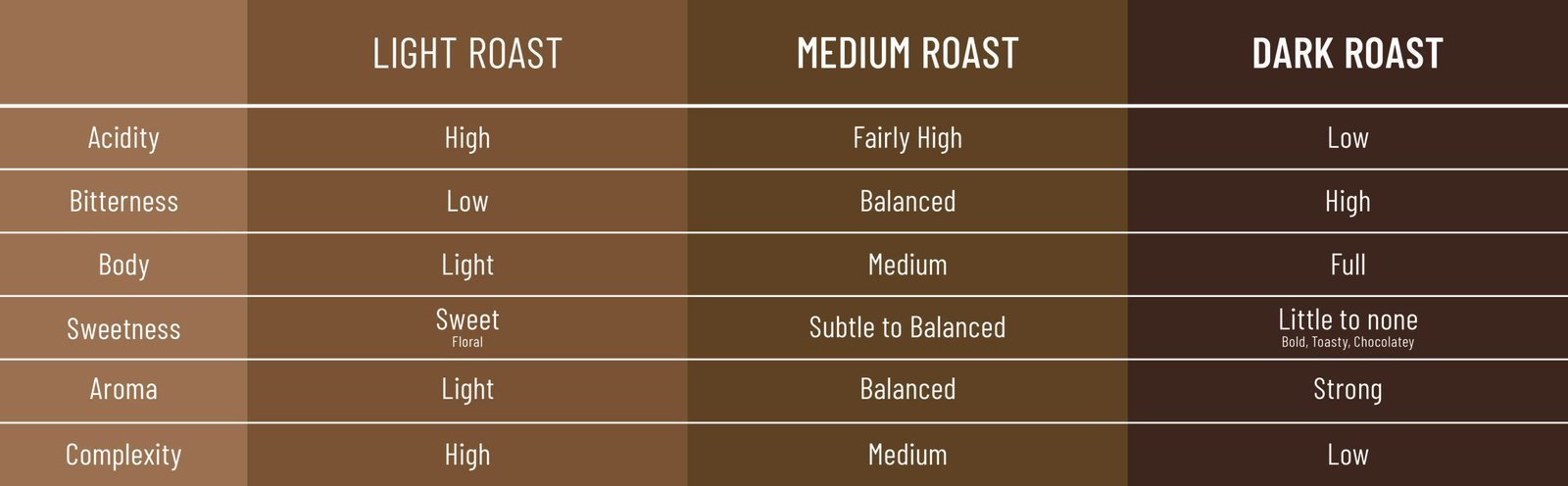
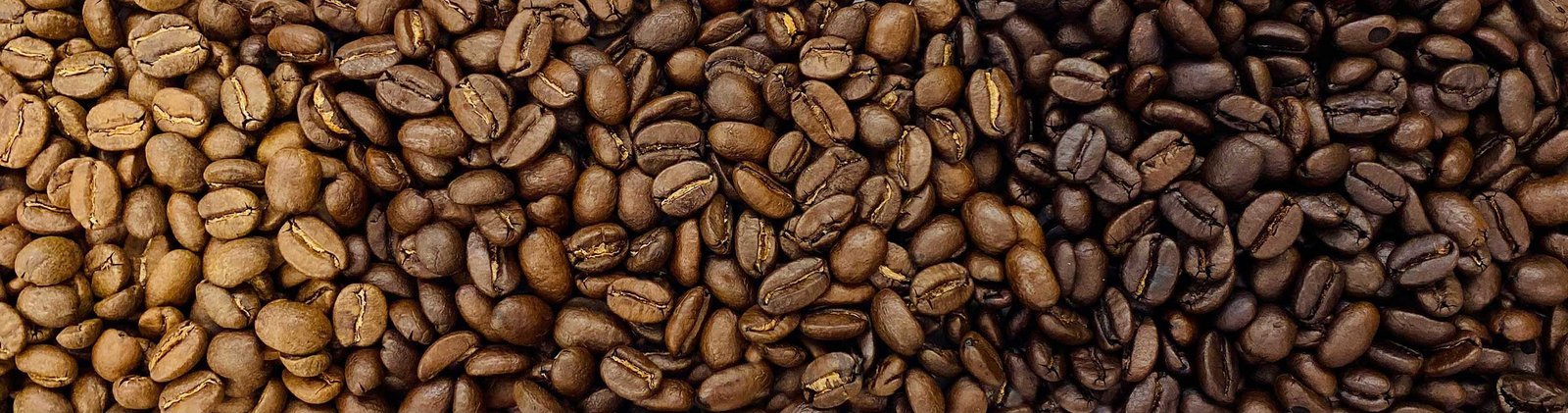
Choosing the right roast starts with looking at the bean surface and the color. A medium roast is typically brown with a matte, dry surface. A dark roast is dark brown to black and looks shiny or oily because the high heat forced the internal oils out. If you prefer a brighter, more acidic cup, go for a medium roast; if you want a bold, heavy-bodied experience, choose a dark roast.
- Inspect the beans for a visible oily sheen on the surface.
- Smell the beans to check for an aroma of smoke or toasted sugar, which indicates a dark roast.
- Grind a small amount to see if the beans feel brittle or soft, as darker roasts are less dense.
- Brew using your preferred method to compare the final body and mouthfeel. Tip: If you’re using a light-colored roast, use water just off the boil at 200°F for the best extraction.
How long it takes
The roasting time varies depending on the specific equipment and the volume of beans. These times assume a standard drum roaster at a consistent heat setting.
| Roast Level | Typical Time | Temperature Range | Flavor Profile |
|---|---|---|---|
| Medium | 10–12 minutes | 400°F–430°F | Balanced, acidic |
| Medium-Dark | 13–15 minutes | 435°F–440°F | Sweet, bittersweet |
| Dark | 16+ minutes | 445°F+ | Smoky, bold |
If the beans aren’t reaching the desired color within these windows, check if your batch size exceeds the roaster’s capacity, which slows the heat transfer process significantly.
How to tell when it’s done
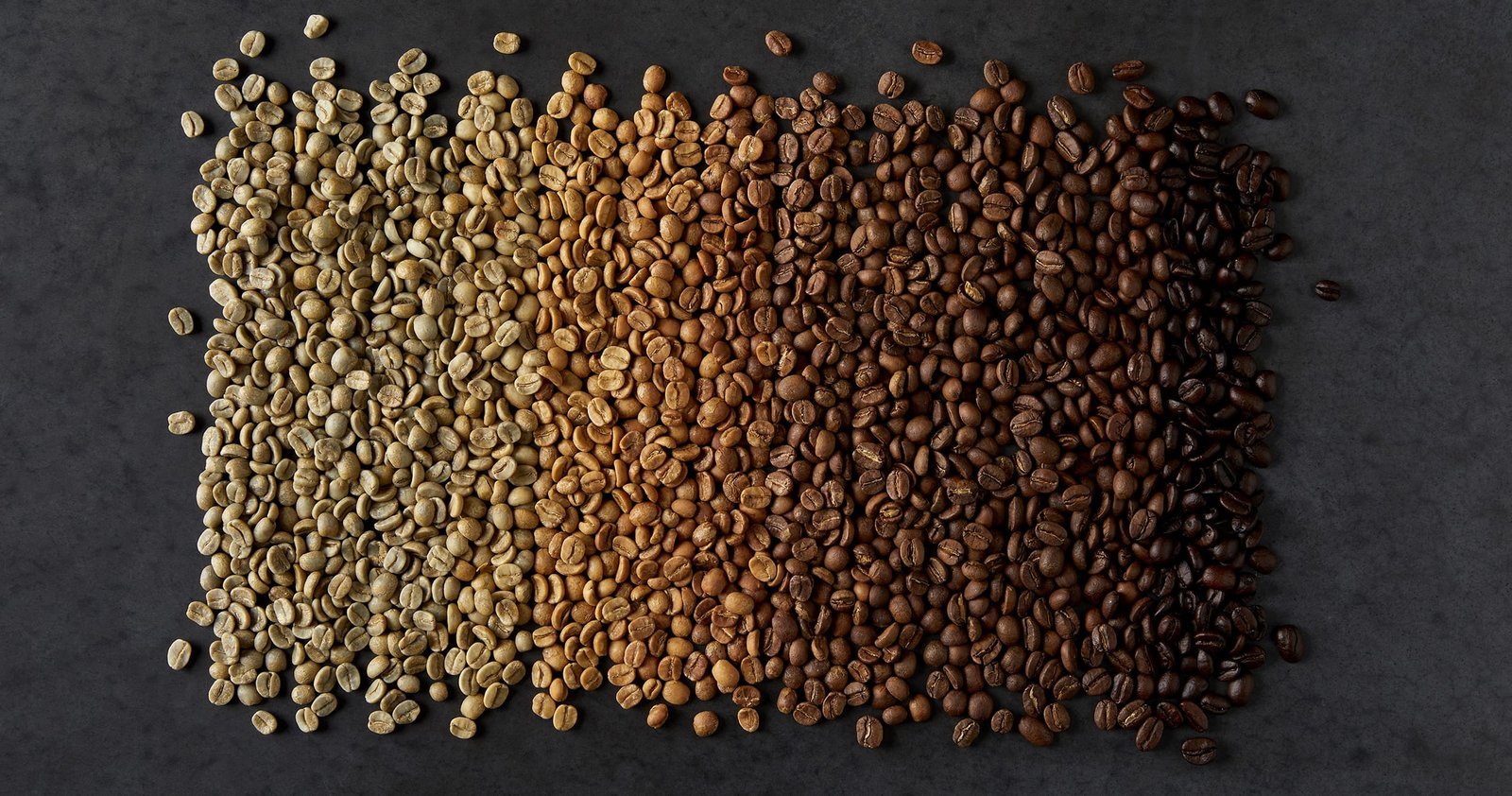
You can judge the roast by the “cracks” heard during the process. The first crack is a loud, popping sound that indicates the bean is expanding and releasing moisture. Medium roasts are often pulled shortly after this. The second crack is a faster, quieter snapping sound, signaling that the bean’s cellular structure is breaking down and oils are migrating to the surface. According to the National Coffee Association’s coffee roasting guide, the roast level is defined by these physical changes. If you’re uncertain, use a digital bean probe thermometer to monitor the internal temperature rather than relying solely on sight, as lighting can change how the color appears.
Mistakes that ruin it
- Overloading the roaster: Filling the drum too high prevents even airflow, leading to uneven roasting where some beans burn while others stay raw. Only fill the roaster to the manufacturer’s recommended capacity to ensure consistent heat circulation.
- Ignoring the cool-down phase: Failing to cool the beans immediately after hitting the target temperature causes them to “coast” or continue roasting from residual heat. Always dump the beans into a cooling tray and agitate them until they reach room temperature.
- Using stale beans: Dark roasts have more surface oil, which reacts with oxygen faster than the dry surface of a medium roast. Keep your dark roasts in an airtight container for no more than two weeks to avoid a rancid, papery taste.
Frequently asked questions
Does dark roast have more caffeine?
No, dark roast and medium roast have virtually identical caffeine content by weight, though dark roast beans are slightly less dense. However, because dark roast beans are less dense, you might get more caffeine if you measure by volume rather than weight.
Is dark roast less acidic?
Yes, dark roast is significantly less acidic than medium roast. The intense heat breaks down the chlorogenic acid compounds found in coffee beans. If you experience heartburn or stomach sensitivity from coffee, choosing a darker roast is often a helpful way to reduce the total acid content in your cup.
How should I store my coffee?
You should store your coffee in an opaque, airtight container at room temperature away from direct sunlight. Never keep your coffee in the freezer, as the moisture and temperature changes can cause condensation on the beans, which ruins the flavor and promotes the development of unwanted odors.
Can I mix dark and medium roasts?
Yes, you can mix dark and medium roasts to create a custom flavor profile. Many enthusiasts blend them to achieve a balance between the bright, complex notes of a medium roast and the rich, heavy body of a dark roast. Always blend them after roasting to ensure even cooking.
Is it safe to roast coffee at home?
Yes, it’s safe if you use a dedicated coffee roasting machine and ensure your space is well-ventilated to handle the smoke. Never leave a roaster unattended, as the chaff—the thin skin of the bean—can catch fire if it accumulates in the heating element of your machine.
Final Thoughts
Choosing between these two isn’t about finding the “best” option, but discovering what you enjoy most in your morning mug. Why not grab a small bag of each next time you’re at the store? You’ll have a great time comparing them side-by-side to see which one really hits the spot.
Related guides