
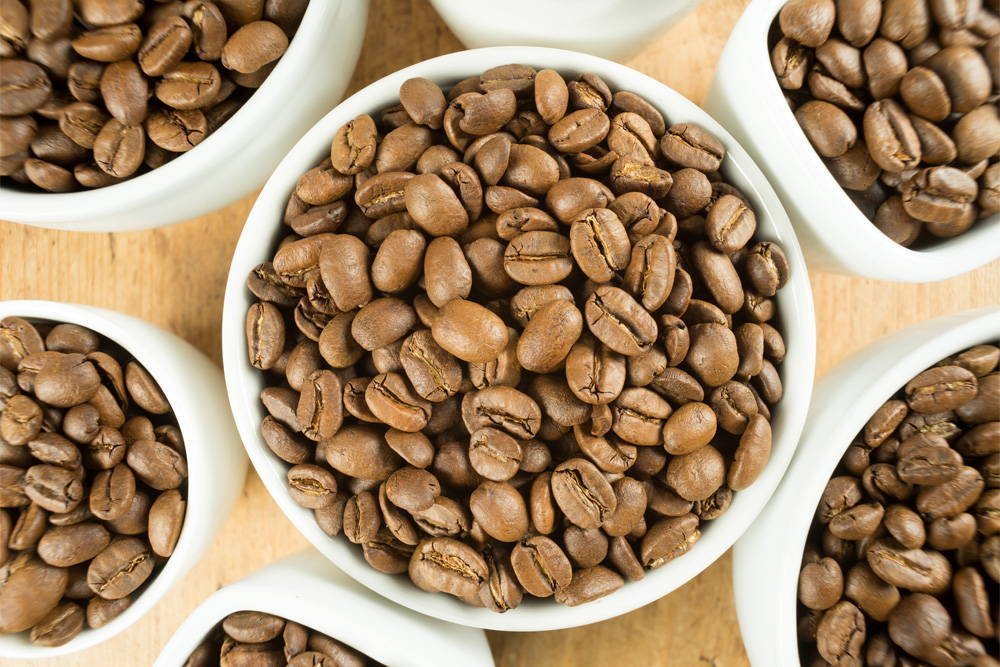
The best light roast coffee is defined by its ability to preserve the unique, delicate characteristics of the coffee cherry’s origin, offering a vibrant acidity and complex flavor profile that darker roasts often obscure. When choosing these beans, you’re selecting a product that has been roasted for a shorter duration or at lower temperatures, allowing the natural sugars and organic acids to remain intact. Prices for high-quality light roast beans typically range from $18 to $28 per 12-ounce bag, depending on the rarity of the origin and the reputation of the roaster.
Key Takeaways
- Prioritize beans labeled as “single-origin” to experience the distinct terroir of a specific region.
- Look for a “roast date” on the packaging; consume within two to six weeks for peak flavor.
- Use a burr grinder to ensure a consistent particle size, which is critical for extracting light roasts.
- Opt for pour-over brewing methods to highlight the bright, floral, and fruity notes of these beans.
- Store your coffee in an airtight, opaque container away from direct sunlight and heat sources.
Understanding Light Roast Profiles
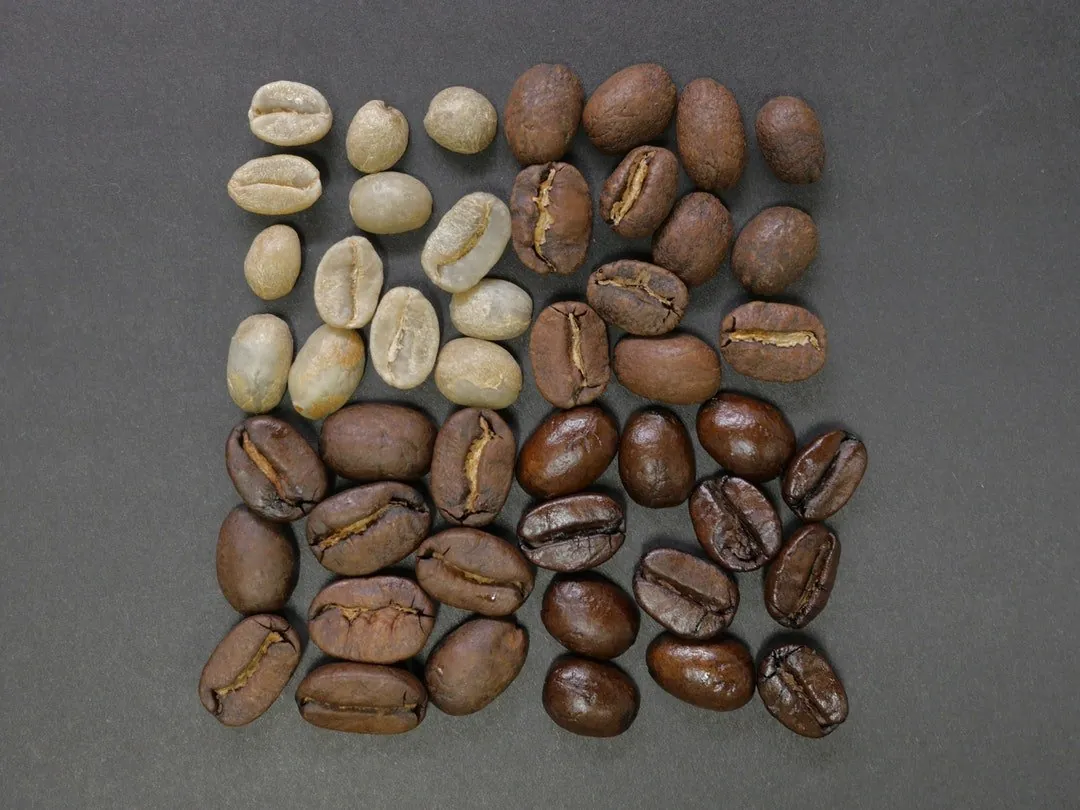
Light roasts are frequently referred to as “blonde,” “cinnamon,” or “half-city” roasts. Unlike dark roasts, which rely on the chemical process of caramelization and carbonization to create smoky or chocolatey flavors, light roasts highlight the intrinsic qualities of the bean.
You’ll often encounter tasting notes such as citrus, stone fruit, jasmine, or honey. Because the beans aren’t exposed to high heat for long periods, they retain more of their original density and higher caffeine content by volume, though the difference is often negligible when measured by weight.
What Is The Best Light Roast Coffee?
The “best” bean is subjective, but top-tier options consistently come from regions known for high-altitude cultivation, which slows the maturation of the coffee cherry. Ethiopian Yirgacheffe and Kenyan AA beans are widely considered the gold standard for light roasters. These regions produce beans with high acidity and complexity. When shopping, avoid bags that lack a roast date, as stale beans will lose their vibrant, sparkling character within weeks of processing.
| Origin | Flavor Profile | Best Brewing Method |
|---|---|---|
| Ethiopia | Floral, citrus, jasmine | Pour-over |
| Kenya | Wine-like, black currant | Chemex |
| Colombia | Sweet, nutty, balanced | AeroPress |
| Costa Rica | Tropical fruit, bright | Drip machine |
Essential Brewing Equipment
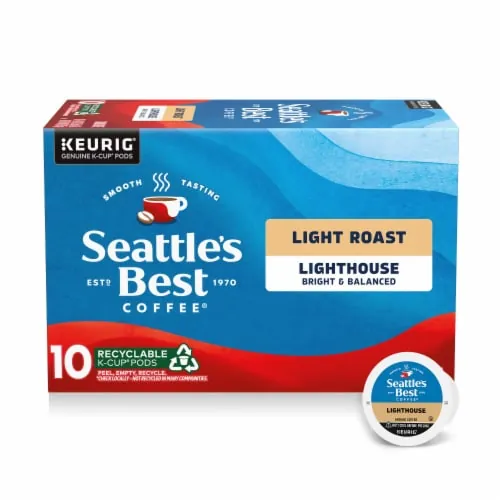
To extract the best flavors, you need tools that offer precise control over water temperature and flow rate. Light roasts are famously difficult to extract; they’re dense and require higher water temperatures to fully dissolve the soluble compounds. A reliable gooseneck kettle is essential for controlling the pour, and a digital scale ensures your ratio of coffee to water remains consistent.
Recommended Brewing Tools
- Hario V60 or Chemex for clarity.
- Precision digital scale with 0.1g accuracy.
- High-quality burr grinder (manual or electric).
- Temperature-controlled electric kettle.
How To Brew Light Roasts
Brewing light roasts requires patience and attention to detail. Start with a ratio of 1:16, meaning 1 gram of coffee for every 16 grams of water. Use water heated to between 200°F and 210°F. According to the Specialty Coffee Association brewing guidelines, maintaining a proper water-to-coffee ratio is fundamental to achieving a balanced extraction that avoids bitterness while preventing sourness.
Pro Tip: If your coffee tastes sour or thin, your grind size is likely too coarse; adjust your grinder to a finer setting to increase the surface area and extract more sweetness.
Selecting Quality Coffee Brands
When purchasing, look for roasters that provide transparent information regarding the farm, the processing method (washed or natural), and the elevation. Reputable roasters that specialize in light roasts include:
- Onyx Coffee Lab (Arkansas-based, known for rigorous quality control).
- Sey Coffee (Brooklyn-based, focuses on extremely light, tea-like roasts).
- George Howell Coffee (Massachusetts-based, a pioneer in the light roast movement).
- Counter Culture Coffee (North Carolina-based, emphasizes sustainability and education).
Troubleshooting Common Issues
If you’re struggling to get the flavor you expect, check your variables. A common mistake is using water that’s too cool, which results in a sour, underextracted cup.
| Issue | Potential Cause | Fix |
|---|---|---|
| Sour/Salty | Underextraction | Grind finer or increase water temperature |
| Bitter/Astringent | Overextraction | Grind coarser or decrease water temperature |
| Muddy/Dull | Old beans | Buy fresh beans roasted within two weeks |
Warning: Never store your coffee beans in the refrigerator or freezer unless they’re vacuum-sealed, as moisture and odors can permeate the beans and ruin the delicate aromatics.
Frequently Asked Questions
Is light roast coffee stronger?
Light roast coffee contains roughly the same amount of caffeine as dark roast when measured by weight. However, because light roast beans are denser, they contain more caffeine by volume. If you measure your coffee by the scoop rather than by weight, a light roast will provide a slightly higher caffeine concentration in your cup.
Why does my coffee taste sour?
A sour taste usually indicates underextraction. This happens when the water passes through the grounds too quickly or the water temperature is too low to pull out the sugars. Try grinding your beans finer or using slightly hotter water to see if the balance improves.
Should I use a filter?
Yes, using a paper filter is highly recommended for light roasts. Paper filters remove the coffee oils and fine sediment that can mask the delicate, floral, and fruity notes characteristic of high-quality light roast beans. This results in a “cleaner” cup that allows the unique origin notes to shine through more clearly.
How long does it stay fresh?
Light roast coffee is at its peak between seven and twenty-one days after the roast date. While it’s safe to drink for several months, the volatile aromatics that define light roasts will fade significantly after the first month. Always buy in small quantities to ensure you’re consuming the beans while they’re at their most vibrant.
Can I use a French Press?
You can, but a French Press is generally better suited for medium to dark roasts. The metal mesh filter in a French Press allows oils and fines into the cup, which can create a heavy body. For light roasts, you want to emphasize clarity and acidity, which is why paper-filtered methods like the V60 or Chemex are preferred by professionals.
Conclusion
To take your coffee experience to the next level, start by purchasing a single-origin bag from a local roaster that provides a specific roast date on the label. Compare the flavor profile against your current bag, and use a digital scale to lock in your brewing variables. This small change in precision will reveal the hidden complexities inherent in the world’s finest light roasts.