
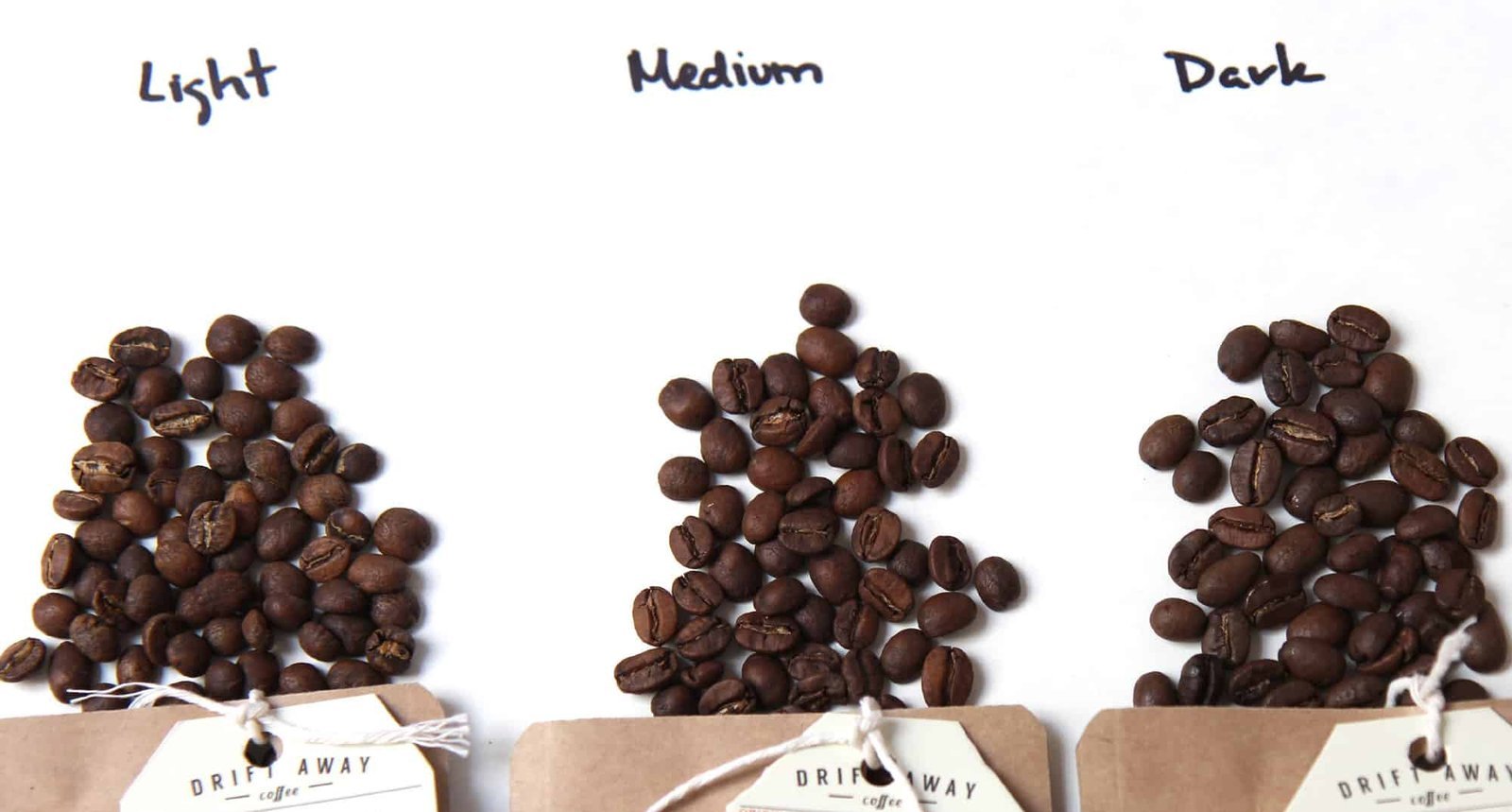
The main difference between medium and light roast coffee is the length of time the beans spend in the roaster, which alters their flavor profile, acidity, and body. Light roasts are heated for less time, while medium roasts stay in the heat longer.
Essential Facts About Coffee Roasts
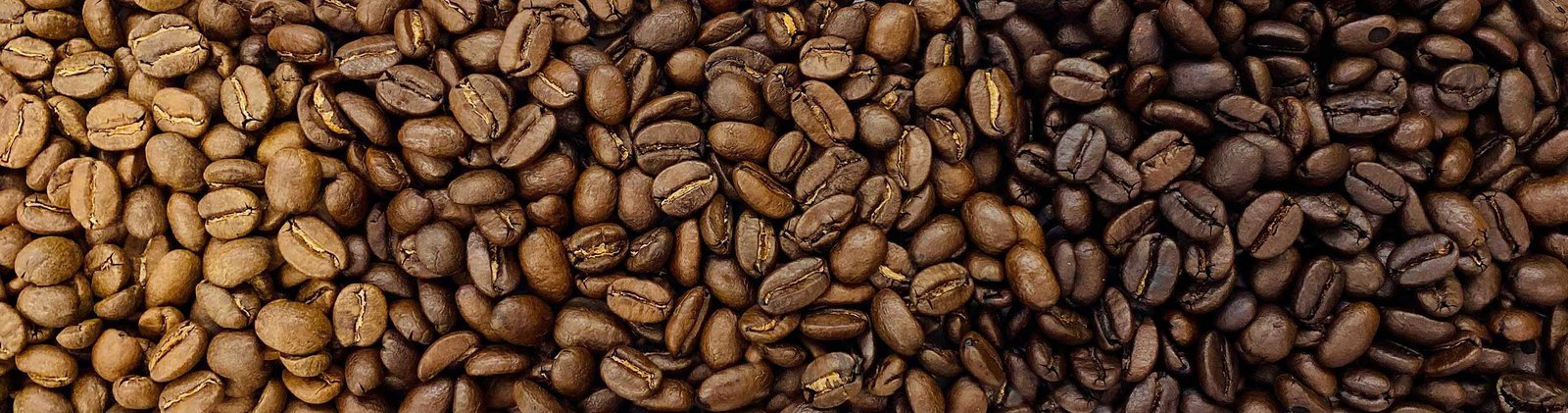
- Light roasts reach an internal temperature of about 385°F to 405°F during the roasting process.
- Medium roasts are heated until they reach roughly 410°F to 430°F, usually just after the “first crack.”
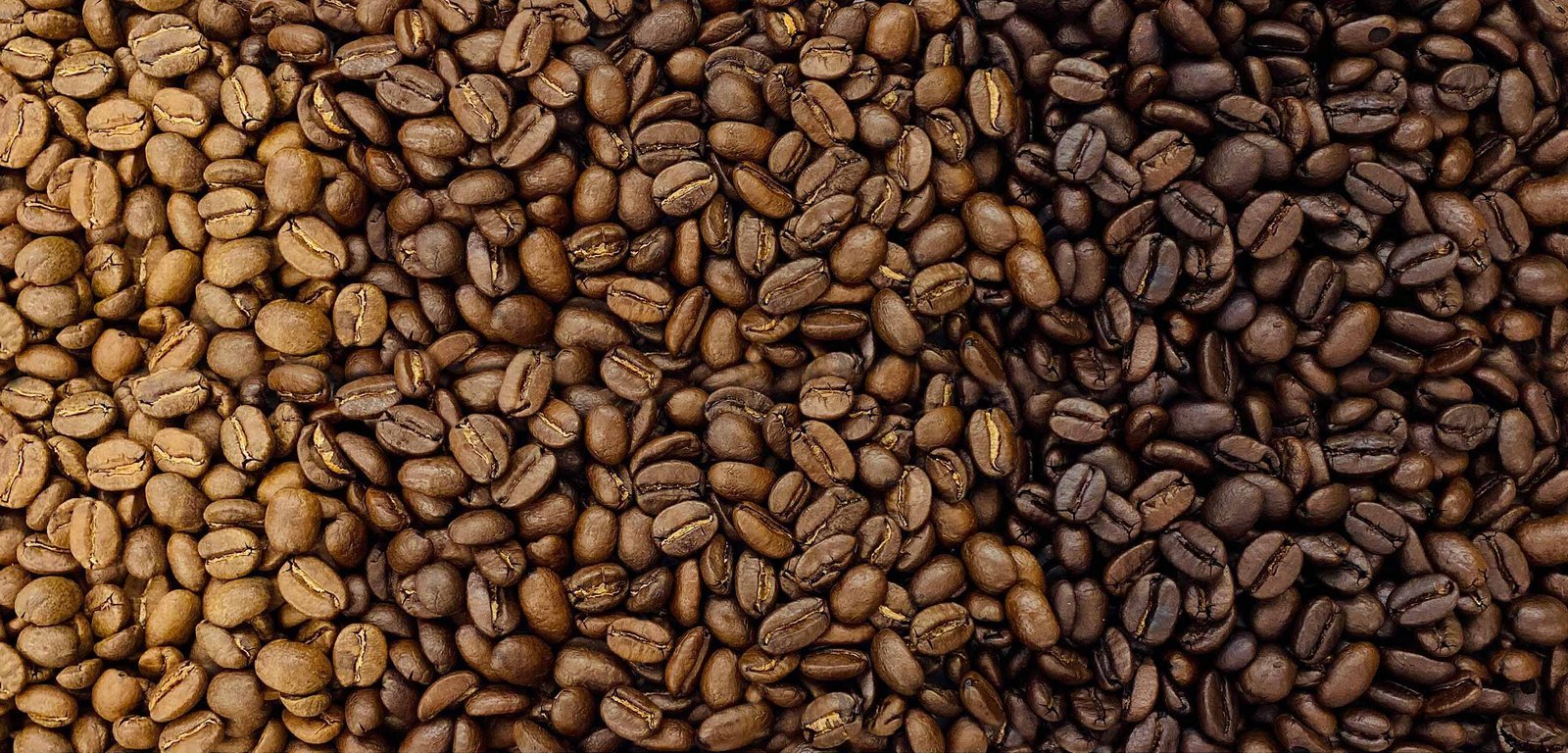
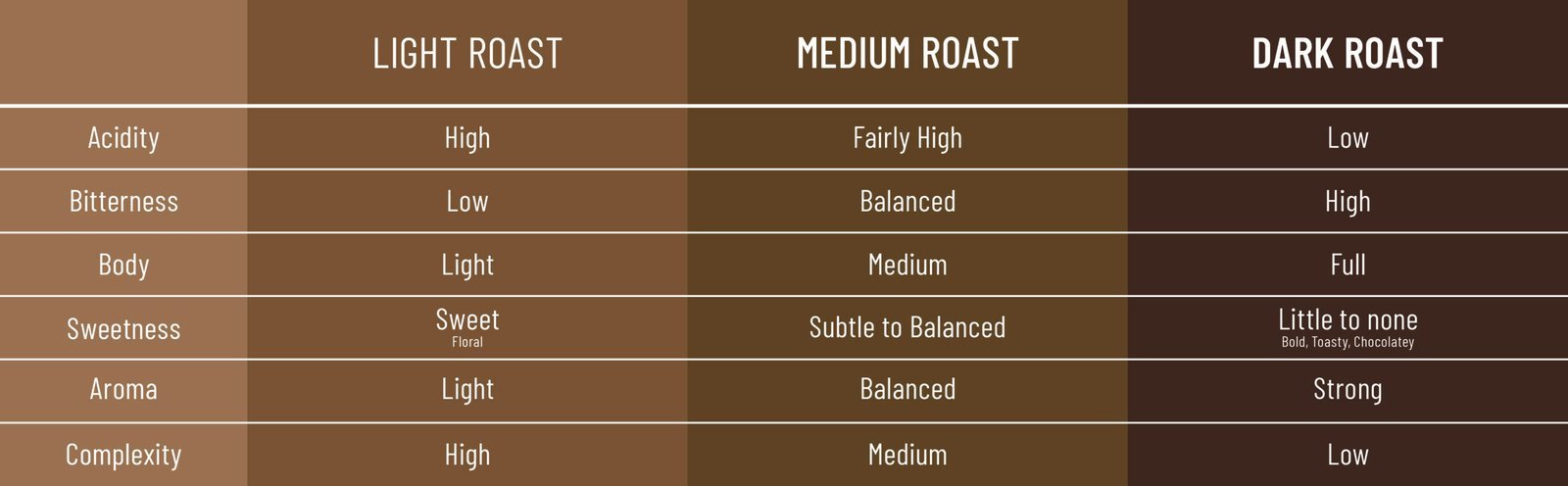
- Light roasts retain more of the bean’s original characteristics, often tasting acidic, floral, or fruity.
- Medium roasts have a balanced flavor, often described as nutty, chocolatey, or sweet with less acidity.
- Light and medium roasts contain essentially the same amount of caffeine by weight.
- If you prefer a bright, complex cup, choose light; if you want a smooth, classic taste, choose medium.
Why Roasting Time Changes the Flavor
The roasting process is a chemical transformation that dictates how a coffee bean tastes in your cup. When a bean is green, it’s dense and lacks the aromatic oils that give coffee its flavor. As the bean heats up, the National Coffee Association notes that the internal structure breaks down to release oils and change the sugar composition.
Light roasts stop early, preserving the natural acids found in the raw seed. This results in the “bright” or “tangy” notes that specialty coffee drinkers often seek. Medium roasts, however, subject the beans to more heat, which begins to caramelize the sugars inside. This process reduces the sharp acidity and replaces it with a fuller body and deeper, toasted notes. Because every bean variety has a different density and moisture content, this varies by origin—check the label on your bag to see the specific roast profile intended by the roaster.
When the Roast Profile Changes
| Situation | What changes | What to do instead |
|---|---|---|
| Darker roast preference | Higher oil content | Use a coarser grind |
| Brewing cold brew | Low acid needed | Choose a medium roast |
| Pour-over brewing | Need clarity | Use a light roast |
How to Properly Brew Your Coffee
- Measure 2 tablespoons of whole coffee beans for every 6 ounces of filtered water you plan to use for your brew.
- Grind the beans to a medium-coarse consistency for a standard drip coffee maker or a pour-over dripper setup.
- Heat your water to between 195°F and 205°F, which is the ideal range for extracting flavor without burning the grounds.
- Pour a small amount of water over the grounds to let them “bloom” for 30 seconds, allowing trapped gases to escape.
- Pour the remaining water in a slow, steady circular motion to ensure all grounds are evenly saturated during the brewing process.
- Serve the coffee immediately after the brewing cycle ends; if you wait too long, the flavor profile will turn bitter.
The Mistakes That Ruin the Cup
- Using boiling water on light roasts often results in a harsh, astringent taste that ruins delicate floral notes.
- Storing beans in a clear container exposes them to light, which degrades the oils and causes the coffee to go stale.
- Grinding beans too far in advance causes them to lose their aroma, leaving you with a flat, lifeless cup.
- Ignoring the roast date on the bag means you might be brewing beans that are past their peak freshness.
Frequently asked questions
Can I use the same grind for both roasts?
No, you should adjust the grind based on the roast density. Light roasts are denser and benefit from a slightly finer grind to extract flavor, while medium roasts are more porous and perform better with a slightly coarser grind setting.
Is it safe to drink light roast if I have acid reflux?
No, light roast coffee generally has a higher perceived acidity than medium roast. If you have a sensitive stomach, you might find that the lower acidity of a medium roast is more comfortable for you to consume on a daily basis.
How long does the flavor last?
About two to four weeks is the typical window for peak freshness. Once you open the bag, the beans begin to oxidize, so keep them in an airtight, opaque container away from heat to maintain the flavor for as long as possible.
Does medium roast have more caffeine?
No, the caffeine levels are very similar by weight, but light roasts are denser. If you measure by volume, a light roast will have slightly more caffeine, but the difference is minimal and usually not enough to change your energy levels.
What happens if I over-extract the coffee?
If you over-extract, the coffee will taste bitter and dry. This happens if you use water that’s too hot, grind the beans too fine, or let the water stay in contact with the grounds for too long during the brewing process.
Does it matter if I use tap water?
Yes, it matters because the mineral content in tap water can mask the subtle notes of a light roast. Using filtered water ensures that the unique flavors of the coffee bean are the only things you taste in your final cup.
Difference between, in short
Choosing between these two depends entirely on what you enjoy in your mug. If you value the specific origin characteristics of the bean, reach for a light roast. If you prefer a consistent, comforting, and balanced experience, a medium roast is the better choice for your daily routine.