
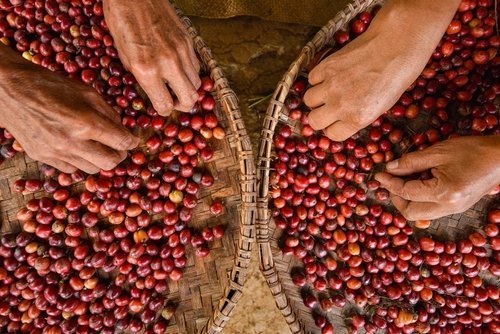
The transformation from a raw cherry to a brewed beverage is what the process of coffee entails, beginning with harvesting the fruit and ending with roasting and grinding the seeds. You must carefully control each stage—picking, drying, milling, and roasting—to ensure the final cup meets your flavor expectations.
To succeed, you need to understand the moisture content of the beans. If you leave them too wet, they will rot; if they get too dry, they lose all their natural oils and flavor. The most common mistake people make is storing roasted beans in clear glass jars on a sunny counter. This exposes the coffee to light and heat, which ruins the flavor profile within days. Always keep your beans in an opaque, airtight container in a cool, dark cupboard.
What Is the Process of Coffee: Step-by-Step
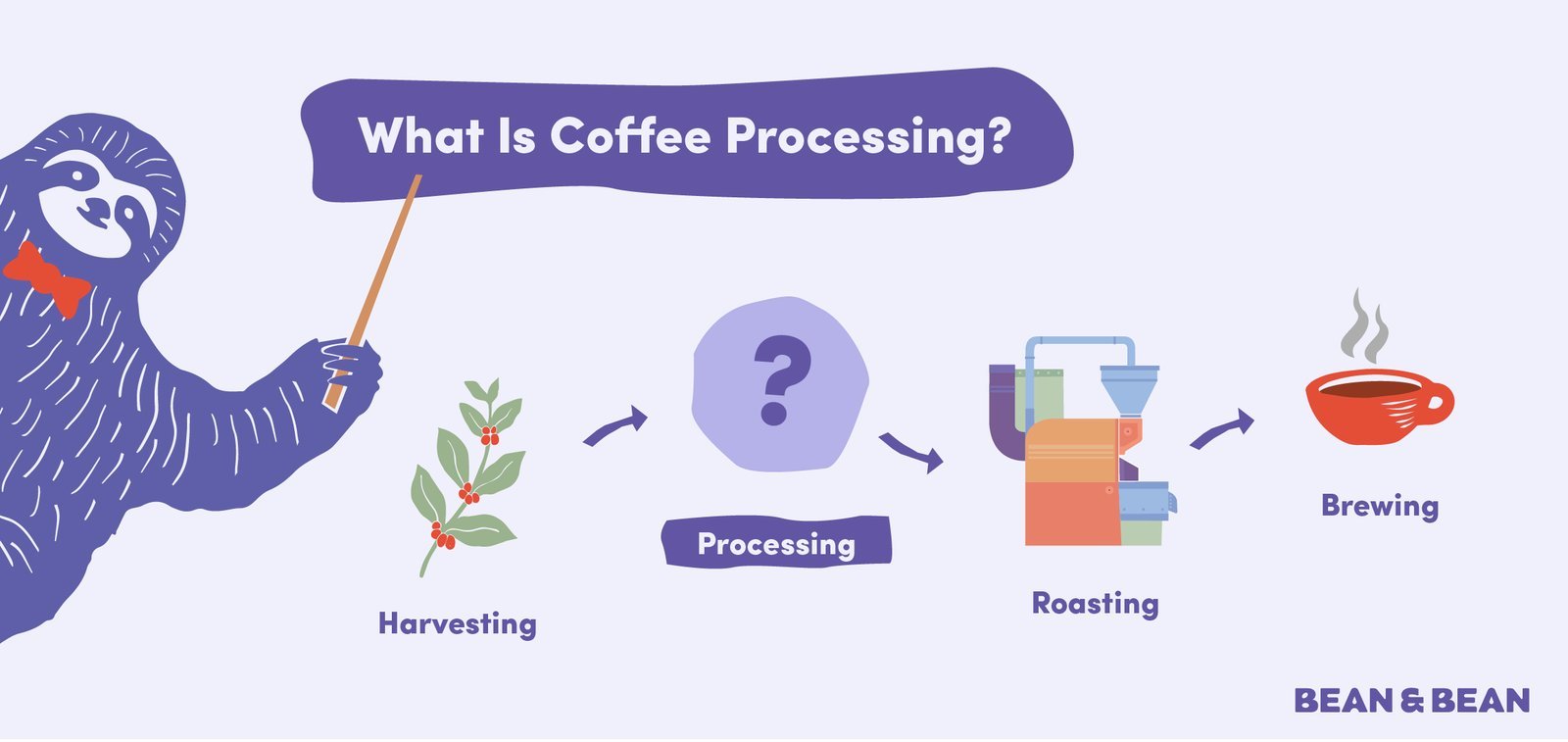
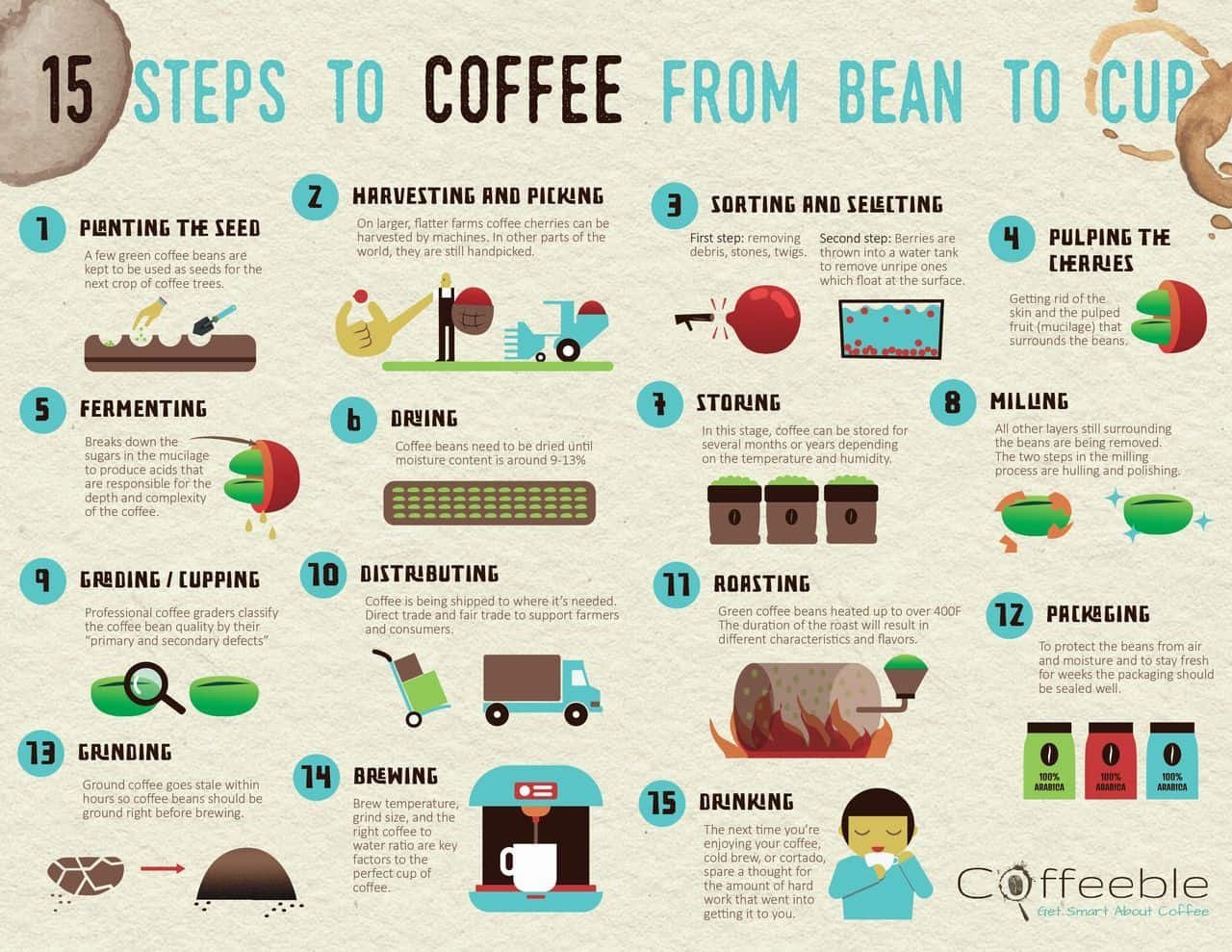
- Harvest the ripe, red coffee cherries by hand or machine to ensure only the best fruit is collected for processing.
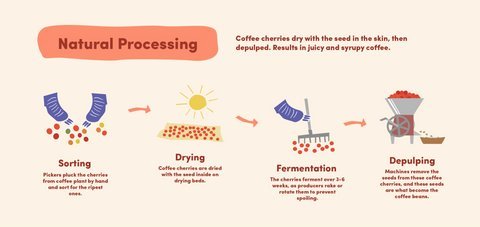
- Remove the outer fruit pulp using either the wet method, which uses water to wash away the skin, or the dry method, where cherries sun-dry on raised beds. Tip: The dry method often results in a heavier body, while the wet method highlights the bean’s natural acidity.
- Ferment the beans if you chose the wet method to break down the remaining sticky mucilage layer before rinsing them thoroughly with clean water.
- Dry the beans on patios or mechanical dryers until they reach a moisture content of about 11% to 12% to prevent mold growth during transit or storage. Tip: If you’re processing these at home, ensure the drying area has good airflow to avoid uneven results.
- Mill the dried beans to remove the parchment layer, revealing the green coffee seeds that are ready for export or roasting.
- Roast the green seeds at temperatures between 370°F and 540°F to develop the aromatic oils and brown color required for brewing. Note: This step requires specialized equipment, and trying to roast coffee in a standard oven can lead to fire risks or uneven, burnt batches.
Timelines for Coffee Development
The time required for coffee processing varies based on the method and the climate conditions where the farm is located.
| Situation | How long | What changes it | What to watch for |
|---|---|---|---|
| Natural Drying | 2–4 weeks | Humidity levels | Mold growth |
| Wet Fermentation | 12–48 hours | Ambient temperature | Over-fermentation |
| Mechanical Drying | 24–48 hours | Machine capacity | Scorched beans |
| Small Batch Roast | 10–15 minutes | Drum heat setting | Smoke and color |
If the drying process takes significantly longer than the table suggests, you must increase airflow or move the beans to a mechanical dryer to prevent spoilage.
Signs of Proper Roasting
You can tell when your coffee is done roasting by watching the color and listening for the “cracks.” The first crack is a popping sound, similar to popcorn, which indicates the beans have reached a light roast stage. A second, quieter crack signifies a darker, oilier roast. According to the National Coffee Association’s roasting guide, the roast level is a personal preference, but the internal temperature of the bean is the most accurate way to measure doneness. If you aren’t using a professional roaster with a thermometer, rely on the visual change from green to brown and the distinct, toasted aroma that fills the room.
Mistakes That Ruin Coffee
- Improper drying: Leaving moisture in the beans creates a breeding ground for mold and bacteria, which ruins the entire batch. Ensure the beans are brittle and dry before you store them in bags.
- Uneven roasting: If the beans move too slowly in the drum, you get “tipped” beans that are burnt on the edges but raw in the center. Keep the beans in constant motion throughout the entire heating cycle to ensure consistent heat distribution.
- Poor storage: Oxygen and humidity are the enemies of roasted coffee, causing the beans to go stale within days. Always seal your beans in a valve-equipped bag to allow CO2 to escape while keeping oxygen out.
Frequently asked questions
Can I process coffee beans in my backyard?
Yes, you can process them if you live in a tropical climate where coffee cherries grow, but it’s very labor-intensive. You must pick, depulp, ferment, and dry the beans yourself. If you don’t have the right drying beds, the beans will likely mold before they’re ready.
How long do green coffee beans last?
Green coffee beans can last for a significant period if stored in a cool, dry, and dark environment.
Is it safe to eat raw coffee cherries?
Yes, the fruit pulp of the coffee cherry is safe to eat and is often used to make a tea called cascara. However, the raw seed inside is extremely hard and bitter. It isn’t recommended to consume the raw seed directly, as it’s difficult to digest and lacks flavor.
What happens if I roast coffee for too long?
If you roast the beans for too long, they will turn black, lose all their origin characteristics, and taste like charcoal. This happens when the oils on the surface of the bean combust. Once the beans reach this state, there’s no way to reverse the process or restore the flavor.
How do I know if my coffee is stale?
You’ll know your coffee is stale if it lacks a strong aroma and the brewed liquid tastes flat or papery. Freshly roasted coffee releases CO2, which creates a “bloom” when you pour hot water over the grounds. If the grounds don’t bubble or bloom, the coffee has lost its freshness.
Can I freeze roasted coffee beans?
Yes, you can freeze roasted coffee beans to extend their lifespan, provided they’re in an airtight, moisture-proof container. This prevents freezer burn and the absorption of odors from other foods. Only remove the amount you need for the week to avoid repeated thawing and refreezing, which degrades quality.
Process coffee, in short
Processing coffee is a precise balance of biology and heat. Whether you’re drying cherries in the sun or roasting seeds in a drum, consistency is the key to a high-quality result. If you keep the beans dry and protected from light, you’ll maintain the best possible flavor for your final brew.