
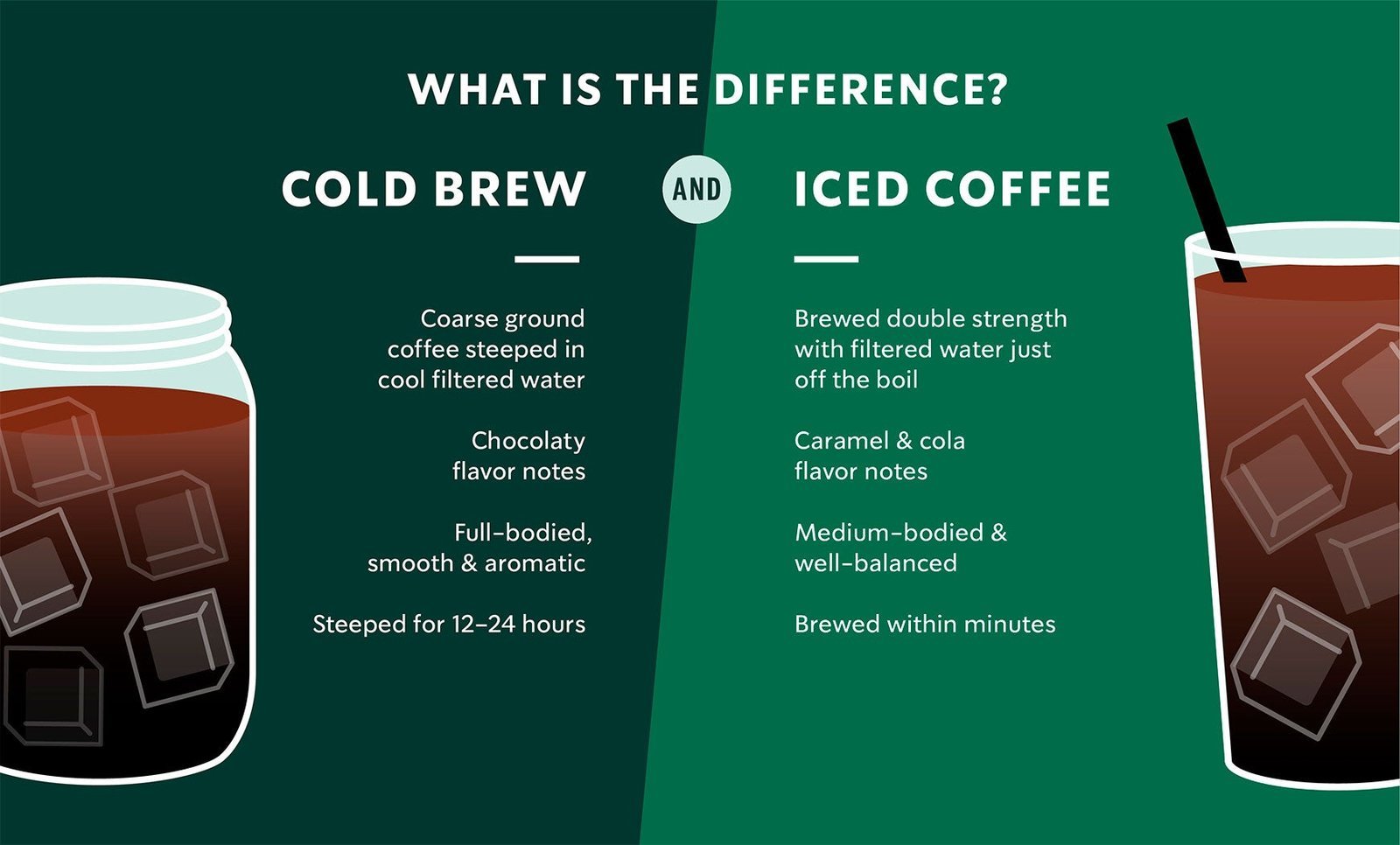
Cold brew and iced coffee differ primarily in the brewing method, as one uses time and room-temperature water to extract flavor, while the other relies on heat followed by rapid chilling. While both result in a refreshing caffeinated beverage served over ice, the chemical process behind each creates distinct profiles in acidity, body, and flavor complexity. Understanding these differences allows you to choose the right drink for your morning routine or afternoon pick-me-up.
Key Takeaways
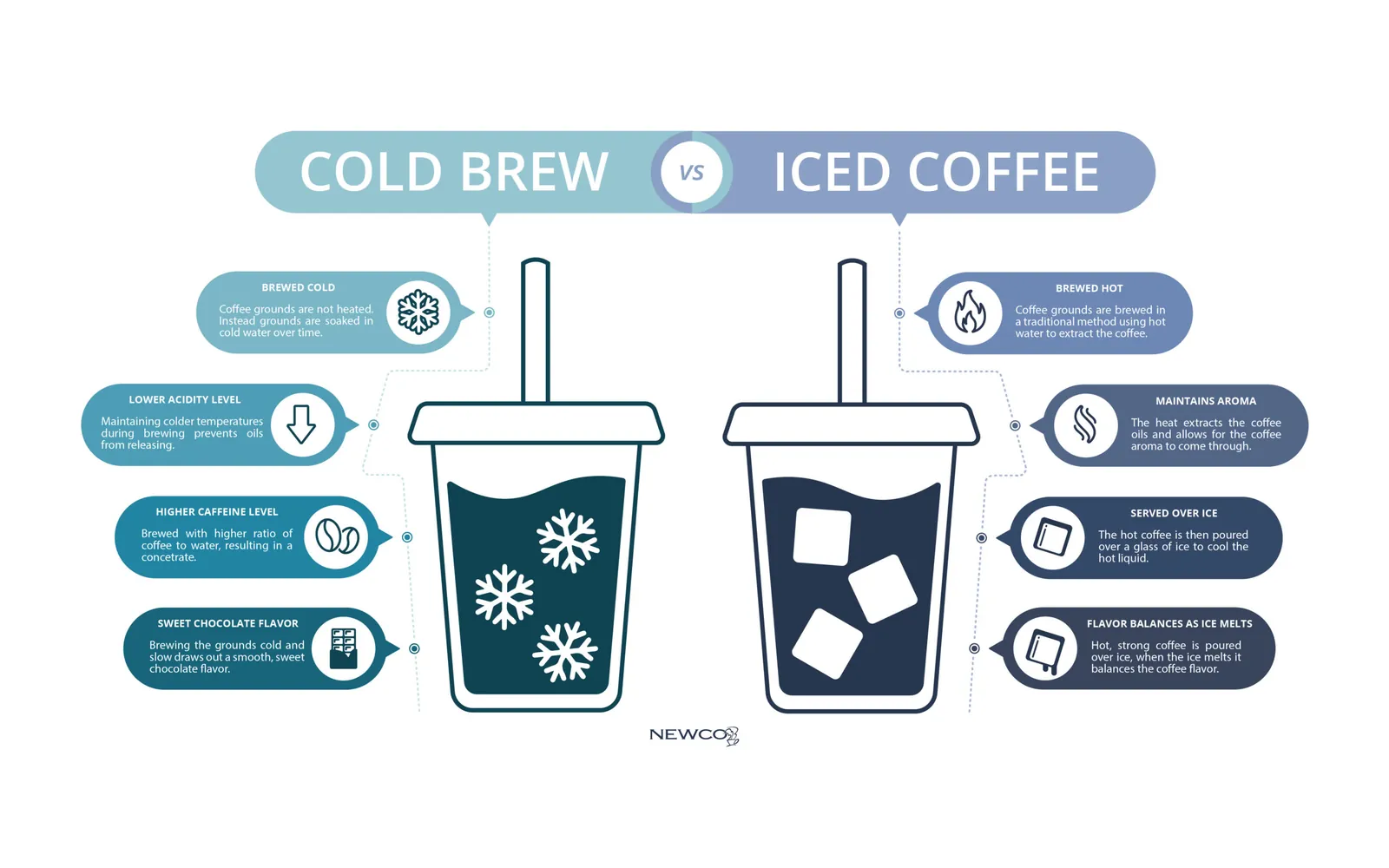
- Cold brew uses a 12 to 24-hour steep time, resulting in a smooth flavor profile.
- Iced coffee is brewed hot and cooled quickly, preserving the bright acidity and floral notes.
- Cold brew concentrate is shelf-stable for up to two weeks in a refrigerated container.
- Standard iced coffee is best consumed fresh to avoid the stale oxidation that occurs when cooling.
- Choosing between these two depends on your preference for low acidity versus complex aromatics.
Cold Brew vs Iced Coffee
The fundamental distinction between these two methods lies in the extraction process. Iced coffee is essentially hot-brewed coffee that has been poured over ice or chilled in a refrigerator. Because it’s brewed at high temperatures, the oils and acids are extracted quickly. Conversely, cold brew is never heated. By steeping coarse grounds in cold water for an extended period, you avoid the high-heat extraction of bitter tannins, resulting in a much sweeter, mellow cup.
Comparison of Brewing Variables
| Feature | Cold Brew | Iced Coffee |
|---|---|---|
| Water Temp | Room or Cold | Hot (195°F–205°F) |
| Extraction Time | 12–24 Hours | 3–5 Minutes |
| Flavor Profile | Low Acid, Sweet | Bright, Acidic, Aromatic |
| Caffeine Level | Generally Higher | Standard per serving |
How Is Cold Brew Made?
To create cold brew, you submerge coarse-ground coffee in cold water for a long duration. This process requires a higher ratio of coffee to water than a standard drip machine, often resulting in a concentrated brew that can be diluted with water or milk before serving.
The National Coffee Association notes that the long contact time allows for a different chemical profile than hot brewing methods. Because heat is absent, the volatile compounds that typically evaporate during hot brewing remain trapped in the liquid, contributing to a heavier, more syrupy mouthfeel.
How Is Iced Coffee Made?
Iced coffee is brewed exactly like your standard morning cup, but with a slight adjustment to account for the ice. If you brew at full strength and add ice, the drink will become watered down as the ice melts.
To prevent this, many people use the “flash-chilled” method, where you brew the coffee using half the required water hot, and then pour it over an equal weight of ice to cool it instantly. This locks in the delicate aromatics that are otherwise lost when hot coffee sits out to cool.
Which Has More Caffeine?
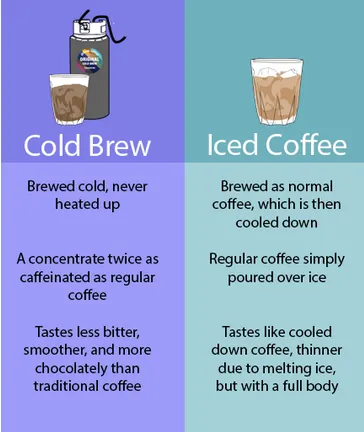
Caffeine extraction is highly dependent on the coffee-to-water ratio and the specific bean used. Because cold brew is typically prepared as a concentrate, it often contains more caffeine per fluid ounce than standard iced coffee.
However, once you dilute that concentrate with water or milk to reach a serving strength similar to a standard cup of coffee, the caffeine content per serving is often quite comparable. If you’re sensitive to stimulants, treat both types with caution, as a large cold brew can contain significantly more caffeine than a standard drip coffee.
What Are the Flavor Profiles?
The flavor of cold brew is often described as chocolatey, nutty, and exceptionally smooth. Because the cold water doesn’t extract the harsh, acidic compounds found in coffee grounds, it’s much easier on the stomach for those with acid sensitivity. Iced coffee, by contrast, retains the complex acids and fruity notes characteristic of high-quality beans. If you enjoy a bright, wine-like, or floral cup, iced coffee is the superior choice for your palate.
Cost to Prepare at Home
Preparing these drinks at home is significantly cheaper than visiting a local cafe. While a single iced coffee at a shop might cost between $4.00 and $6.50, making it at home costs only a fraction of that amount.
- Home-brewed iced coffee: $0.30–$0.75 per serving.
- Home-brewed cold brew: $0.50–$1.25 per serving.
Pro Tip: Use a French press to make cold brew if you don’t have a dedicated carafe; simply add grounds and water, let it sit on the counter, and plunge the next morning.
Equipment You Will Need
Photo: mortadellahead.com on Google
To master both methods, you need only a few essential tools. For cold brew, a coarse burr grinder is vital to ensure consistent extraction without producing “muddy” silt. For iced coffee, a standard drip brewer or a pour-over cone works perfectly.
- Burr Grinder: Ensures even particle size.
- Fine Mesh Sieve: Used for straining cold brew.
- Digital Kitchen Scale: Essential for accurate ratios.
- Airtight Glass Carafe: Keeps concentrate fresh.
Warning: Always use filtered water for your coffee, as the mineral content in tap water can significantly alter the flavor of a long-steeped cold brew.
Related guides
- Is Cold Brew Always Iced? How to Heat It Properly
- How Do You Make Cold Brewed Iced Coffee: A Simple Guide
- How Do I Make Cold Brew at Home: A Simple Step-by-Step Guide
Frequently Asked Questions
Can I heat up cold brew?
Yes, you can absolutely heat up cold brew. It retains its smooth, low-acid profile even when warmed. Many people prefer this because it provides a gentler coffee experience than traditional hot-brewed coffee. Simply dilute your concentrate to your preferred strength and microwave it or heat it on the stove, being careful not to let it boil, which can turn the flavor bitter.
Does cold brew go bad?
Cold brew concentrate is relatively stable due to its low acidity, but it can eventually lose its freshness. When stored in an airtight container in the refrigerator, it will typically maintain its quality for up to two weeks. If it begins to taste sour or develops an off-odor, it’s time to discard it. Always keep it refrigerated to prevent bacterial growth.
Which is better for iced lattes?
Cold brew concentrate is generally better for iced lattes. Because it’s a concentrated liquid, it stands up better to the addition of milk or cream without becoming watery. The chocolatey, mellow notes of cold brew also pair exceptionally well with dairy or plant-based milks, whereas the acidity of iced coffee can sometimes clash with the creaminess of the milk.
Why is my cold brew bitter?
If your cold brew tastes bitter, you likely steeped it for too long or used grounds that were too fine. Fine grounds increase the surface area and lead to over-extraction, pulling out bitter tannins. Stick to a very coarse grind—similar to sea salt—and cap your steeping time at 24 hours. If it remains bitter, try shortening your steep time to 12 or 16 hours.
Conclusion
Choose your method based on your mood: if you want a quick, bright, and refreshing cup, brew some hot coffee and flash-chill it over ice. If you prefer a smooth, rich, and low-acid experience, prepare a batch of cold brew concentrate tonight to enjoy throughout the week. Experimenting with different bean origins will help you find the perfect profile for your daily ritual.