
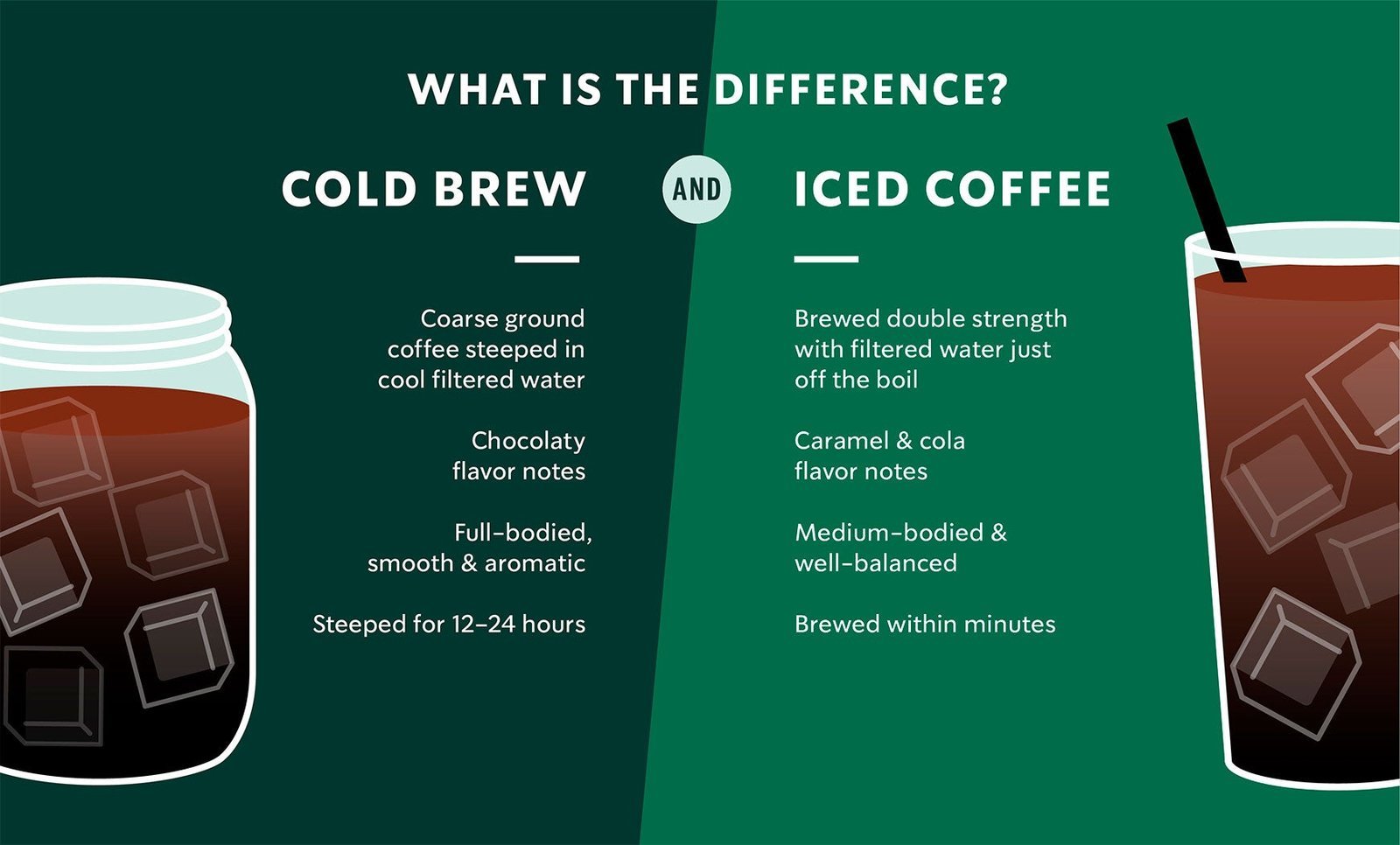
The primary difference between cold brew and iced coffee is the temperature of the water used during the brewing process, which fundamentally alters the chemical extraction of the beans. While iced coffee is brewed hot and then chilled, cold brew is steeped in room-temperature or cold water for an extended duration. This distinction creates unique flavor profiles, acidity levels, and caffeine concentrations that appeal to different palates.
Key Takeaways
Photo: news.dunkindonuts.com on Google
- Iced coffee requires a short, hot brew cycle followed by rapid cooling.
- Cold brew relies on a long, slow immersion process lasting 12 to 24 hours.
- Cold brew is generally less acidic and smoother than traditional iced coffee.
- Iced coffee retains the bright, aromatic notes typical of hot-brewed java.
- You can easily make both varieties at home with basic kitchen equipment.
How Brewing Temperature Changes Flavor
The chemical extraction process is highly sensitive to heat. When you brew coffee with hot water, the heat rapidly pulls oils, acids, and volatile aromatics from the grounds. This results in the complex, bright, and sometimes sharp flavor profile associated with your morning cup.
In contrast, cold brew extraction is a slow process that focuses on the lower-solubility compounds. Because the water remains cold, it fails to extract many of the bitter oils and acidic compounds that heat would otherwise release. This produces a naturally sweet and mellow concentrate that feels heavier on the tongue.
The Chemistry of Acidity
One of the most cited benefits of cold-steeping is the reduction in acidity. Scientific analysis indicates that the lower temperature of the water limits the release of certain bitter-tasting acids, making cold brew a popular choice for those with sensitive stomachs. This acid reduction makes the beverage inherently smoother, often requiring less sugar or cream to balance the taste.
| Feature | Iced Coffee | Cold Brew |
|---|---|---|
| Brewing Time | 5-10 minutes | 12-24 hours |
| Water Temp | Hot (195-205°F) | Room Temp/Cold |
| Flavor Profile | Bright, fruity, sharp | Smooth, sweet, nutty |
| Acidity Level | Higher | Lower |
Comparing the Difference Between Cold Brew and Iced Coffee
Photo: mortadellahead.com on Google
To make iced coffee, you essentially perform a standard pour-over or drip brew, ideally using a higher ratio of coffee to water to account for the dilution caused by ice. Conversely, cold brew is an immersion method.
You combine coarse coffee grounds with cold water in a vessel and let it sit undisturbed. Once the time is up, you strain the grounds out to reveal a potent concentrate. This concentrate is typically diluted with water or milk at a ratio of 1:1 or 1:2 before serving.
Is One Stronger Than The Other?
Strength in coffee can refer to either flavor intensity or caffeine content. Iced coffee is usually served at “drinking strength” immediately after brewing. Cold brew is almost always prepared as a concentrated base. Because cold brew uses a much higher coffee-to-water ratio, the final drink can be quite potent.
However, because you dilute it, the final caffeine content per serving is often quite similar to iced coffee. The perceived strength of cold brew is often higher simply because it has a denser, more syrupy body.
Equipment You Will Need
You don’t need expensive machinery to prepare either style. For iced coffee, a standard drip machine, French press, or pour-over cone works perfectly. For cold brew, you only need a large jar or a dedicated cold brew pitcher.
- Burr grinder for consistent particle size.
- Large glass mason jar or pitcher.
- Fine-mesh sieve or cheesecloth for filtering.
- Paper filters for a cleaner, grit-free cup.
- Scale to measure the coffee-to-water ratio.
Common Troubleshooting Issues
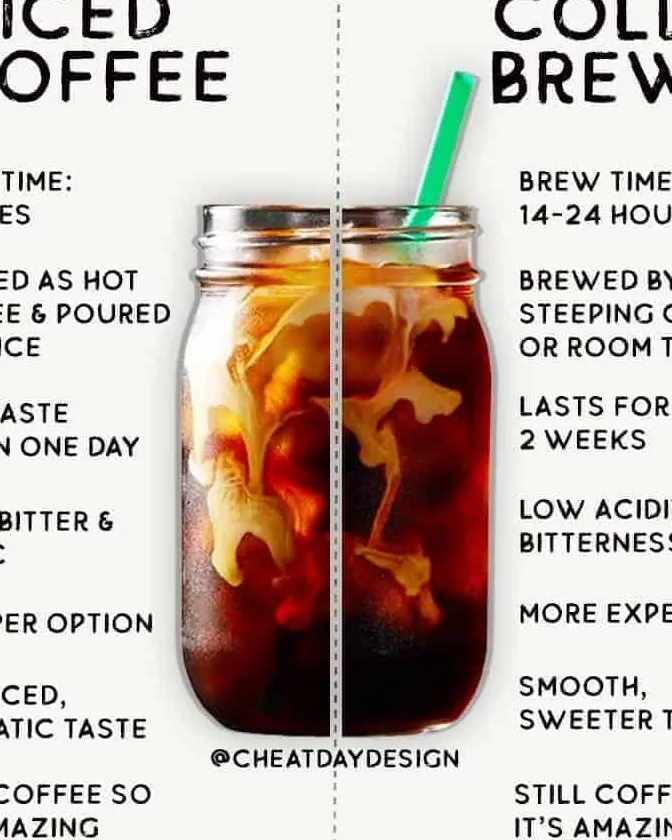
If your iced coffee tastes watered down, you’re likely using too much ice or insufficient coffee grounds. To fix this, brew your coffee at double the usual strength so that the melting ice brings it to the correct dilution. If your cold brew tastes muddy or silty, your grind size is likely too fine. Ensure you’re using a coarse, sea-salt-like texture to prevent over-extraction and sediment buildup.
Pro Tip: If you find your iced coffee tastes bitter, try “flash chilling” by brewing the hot coffee directly over a bed of ice rather than letting it sit out to cool.
Frequently Asked Questions
Which has more caffeine?
Generally, cold brew has more caffeine because it uses a much higher ratio of coffee grounds to water. However, because cold brew is served as a concentrate, the caffeine content of your final glass depends entirely on how much water or milk you add during the dilution phase.
Can I drink cold brew hot?
Yes, you can heat up your cold brew concentrate by adding boiling water or steaming it with milk. Many people prefer this because it provides the smooth, low-acid flavor of cold brew while still delivering a warm beverage. It’s an excellent way to enjoy the specific flavor profile of cold-steeped beans during the winter months.
How long does it last?
Iced coffee should be consumed within a few hours, as the oxidation process begins immediately once the coffee cools, leading to a stale, bitter taste. Cold brew concentrate, when stored in an airtight container in the refrigerator, can stay fresh for up to two weeks.
Does cold brew taste like iced coffee?
No, they’re distinct. Iced coffee retains the floral and acidic notes of the original bean, whereas cold brew tends to highlight the chocolatey, nutty, and sweet undertones. If you enjoy the bright “zing” of a light roast, you’ll likely prefer iced coffee. If you prefer a bold, smooth, and low-acid experience, cold brew is the better choice.
Warning: Always store your cold brew concentrate in the refrigerator rather than on the counter to prevent bacterial growth during the long steeping process.
Conclusion
Experimenting with these two methods is the best way to determine your personal preference. Try brewing your favorite single-origin bean using both techniques side-by-side to notice the subtle differences in aroma and body. Start by picking up a fresh bag of medium-roast beans from a local roaster and test a small batch of each to see which flavor profile you prefer for your daily caffeine routine.