
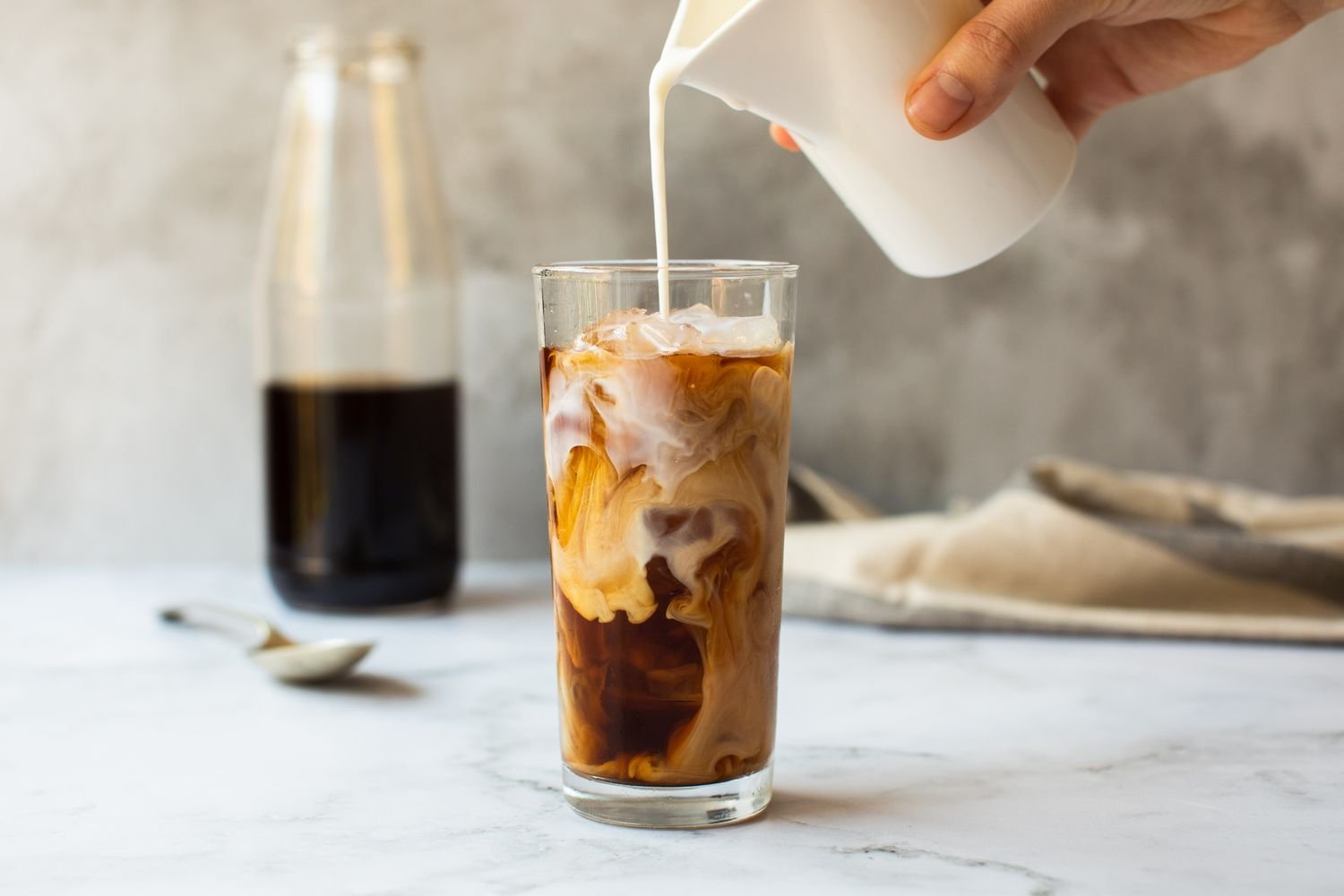
You can make a smooth, low-acid drink when you steep coarse coffee grounds in cold water for 12 to 24 hours, because how you make cold brewed iced coffee relies on time rather than heat to pull flavor from the beans. You then strain the mixture to get a concentrate.
The main factor for success is the grind size. You must use a coarse, sea-salt-like grind to ensure the coffee doesn’t become bitter or gritty. The most common mistake is using a fine drip-grind, which causes over-extraction and makes the final liquid taste muddy. If the coffee tastes bitter, use a coarser grind next time; if it tastes thin or watery, use a slightly finer grind or more beans.
How to make your cold brewed coffee
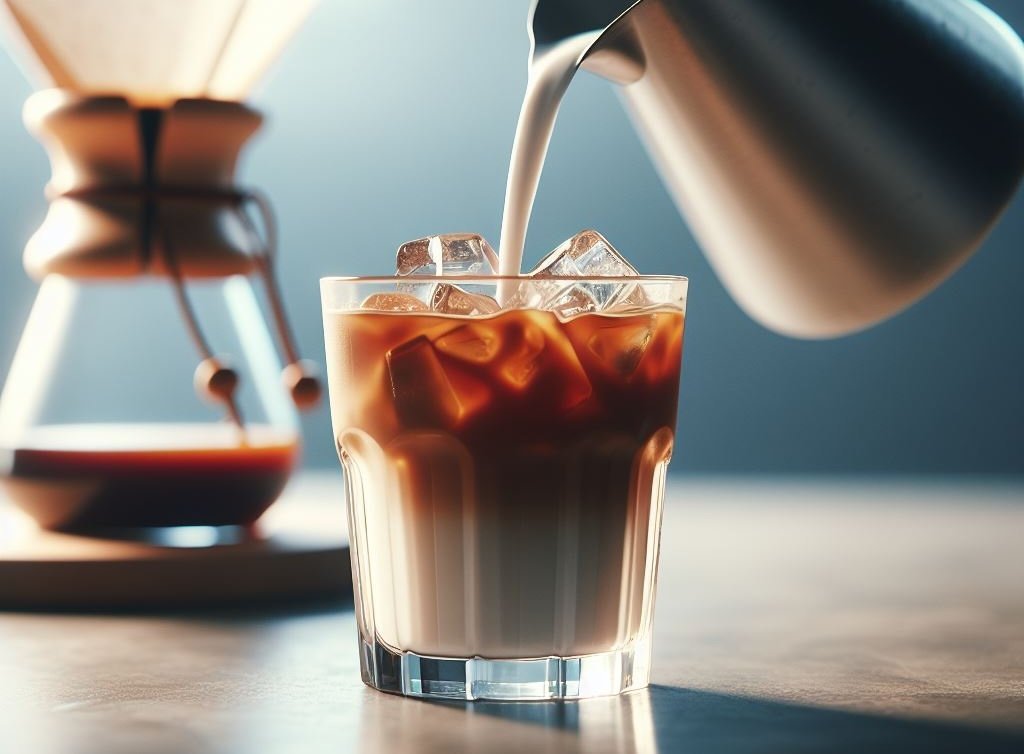
- Measure 1 cup of coarsely ground coffee beans for every 4 cups of cold, filtered water.
- Pour the water over the grounds in a large glass jar or pitcher, stirring gently with a long spoon to make sure all grounds are fully wet.
- Cover the container with a lid or a cloth to keep dust out and let it sit at room temperature for 12 to 24 hours.
- Strain the mixture through a fine-mesh sieve lined with a paper coffee filter or a piece of cheesecloth into a clean container.
- Store this concentrate in the fridge, where it remains safe to consume for up to 7 days if kept in a sealed glass jar, according to the USDA food safety guidelines for perishable items.
- Serve by mixing one part concentrate with one part cold water or milk over ice.
Tip: Don’t squeeze the filter when straining, as this pushes bitter oils and fine particles into your drink.
Time requirements for cold brewing
The brewing time changes based on the ambient temperature of your kitchen and your own preference for strength. A shorter steep time yields a lighter flavor, while a longer steep produces a bold, heavy concentrate that holds up well against milk.
| Situation | How long | What changes it | What to watch for |
|---|---|---|---|
| Mild flavor | 12 hours | Room temperature | Pale color |
| Bold flavor | 24 hours | Kitchen heat | Dark, deep color |
If your coffee isn’t ready after 24 hours, check if your room is cold, as low temperatures slow down the extraction process significantly.
Judging the final concentrate
Photo: mortadellahead.com on Google
The best way to know if your coffee is ready is to look for a deep, dark, and uniform color throughout the jar. You can taste a small amount diluted with water; it should taste smooth and sweet, not sharp or metallic. If the flavor is sour, it’s under-extracted and needs more time. If you see a heavy layer of sludge at the bottom of your glass, you likely used a grind that was too fine. When the signs conflict, rely on your palate: if it tastes good to you, the brewing process is complete regardless of the clock.
Common mistakes to avoid
- Using hot water: This changes the chemical extraction process and creates the bitter, acidic notes that cold brewing is meant to avoid. Always use cold or room-temperature filtered water to keep the profile smooth.
- Using the wrong grind: Fine grounds lead to a gritty, muddy texture that’s nearly impossible to strain out completely. Stick to a coarse setting to keep the liquid clean and easy to pour.
- Leaving grounds in the liquid: If you don’t strain the coffee after 24 hours, the flavor will eventually turn harsh as the grounds sit in the water. Always move the concentrate to a clean, empty jar once the brewing time ends.
Frequently asked questions
Is it safe to leave coffee brewing on the counter?
It’s generally safe to leave the mixture on your counter for up to 24 hours, provided the environment is clean and the container is covered. Just ensure your container is covered to prevent debris or insects from entering the liquid.
How much water do I add to the concentrate?
You should start with a 1:1 ratio, meaning you add 1 cup of water or milk to every 1 cup of concentrate. If you find this is too strong for your taste, you can add more water until you reach the strength you prefer for your daily cup.
Can I use a regular coffee maker?
No, you can’t use a standard drip coffee maker because it’s designed to heat water and pass it through the grounds in minutes. Cold brewing requires a long, slow immersion process that a drip machine can’t replicate, as it would result in a weak, flavorless extract.
Why is my cold brew cloudy?
Your coffee is cloudy because fine particles passed through your filter during the straining process. You can fix this by pouring the concentrate through a fresh, dry paper filter a second time, which will catch the remaining sediment and leave you with a clear, smooth liquid.
How long does cold brew last in the fridge?
The concentrate stays fresh for 7 days when stored in an airtight container in the refrigerator. After this time, the flavor begins to degrade and the risk of spoilage increases, so it’s best to brew only the amount you can finish within one week.
Can I brew this in the refrigerator instead of on the counter?
Yes, you can brew in the fridge, but it takes about 36 hours to reach the same strength as a counter-top brew. The cold temperature slows down the extraction, so you’ll need to wait longer to get the same depth of flavor from your beans.
Conclusion
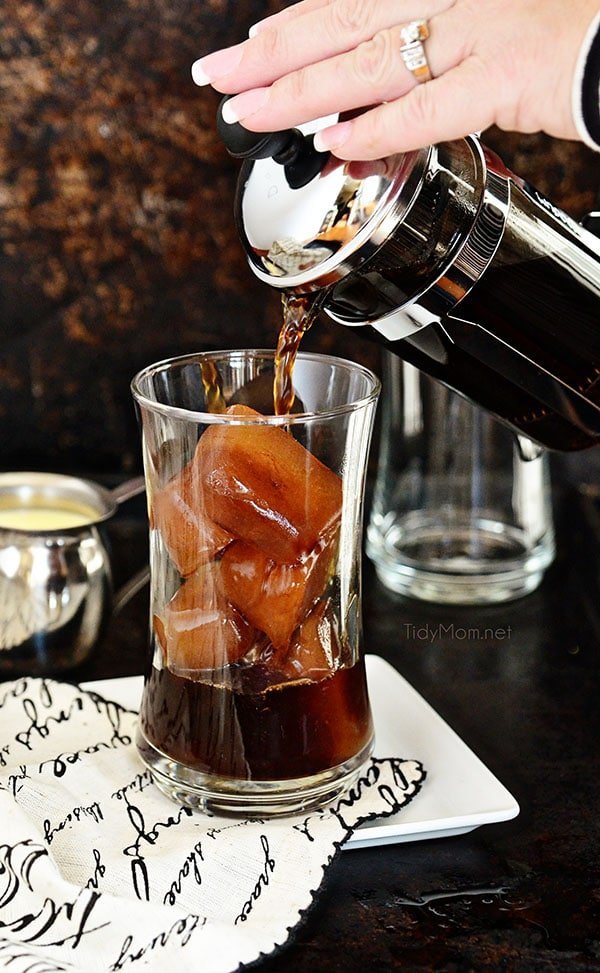
Enjoy your homemade coffee by pouring it over fresh ice cubes. If you find the ice waters it down too quickly, try making ice cubes out of the coffee itself so your drink stays strong until the very last drop.