
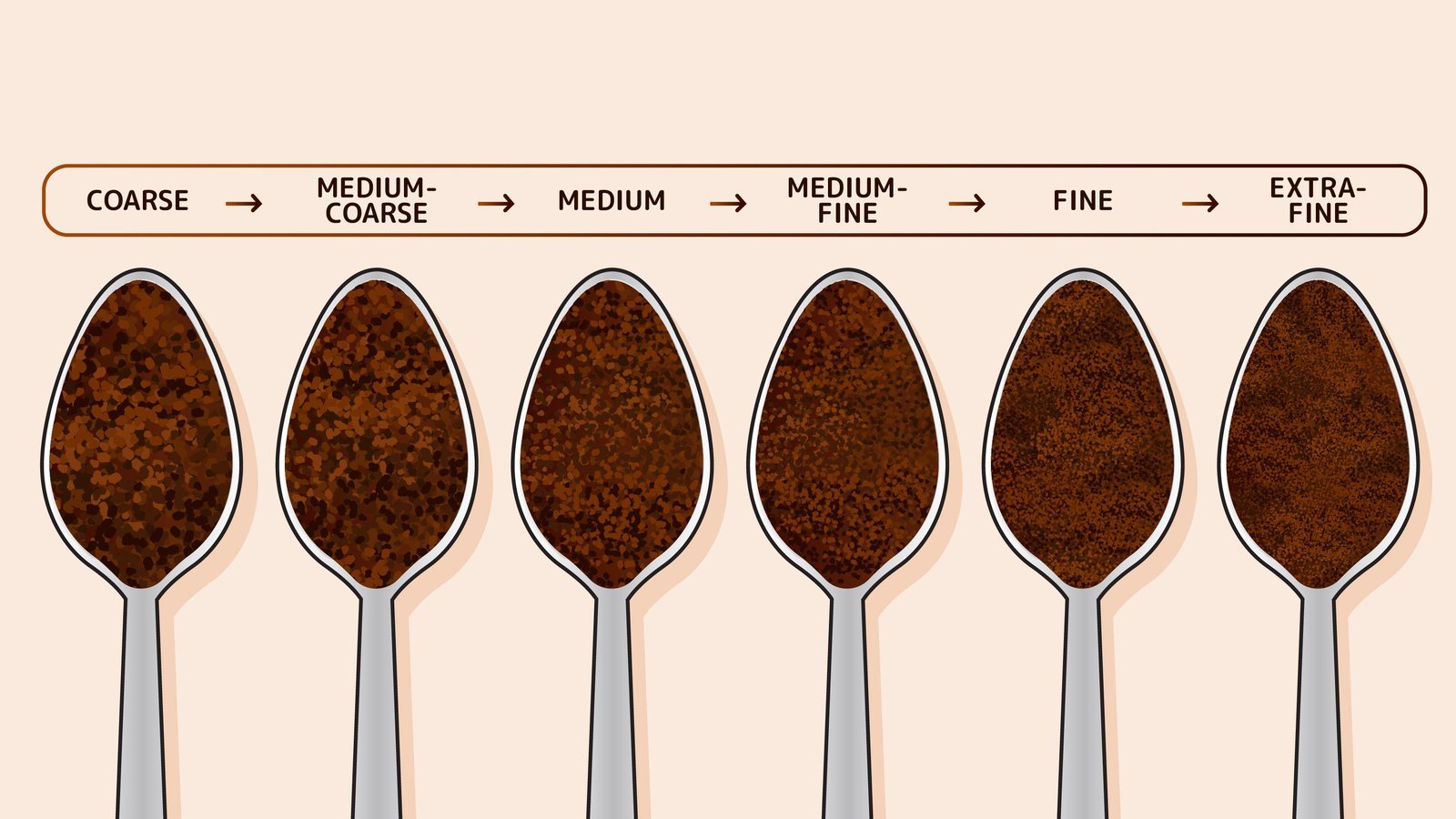
Fine ground coffee is used for brewing methods that require short contact time between water and grounds, such as espresso machines or Moka pots. This fine texture creates high resistance to water flow, which is necessary to pull rich oils and concentrated flavors from the beans under pressure.
Brewing and extraction basics
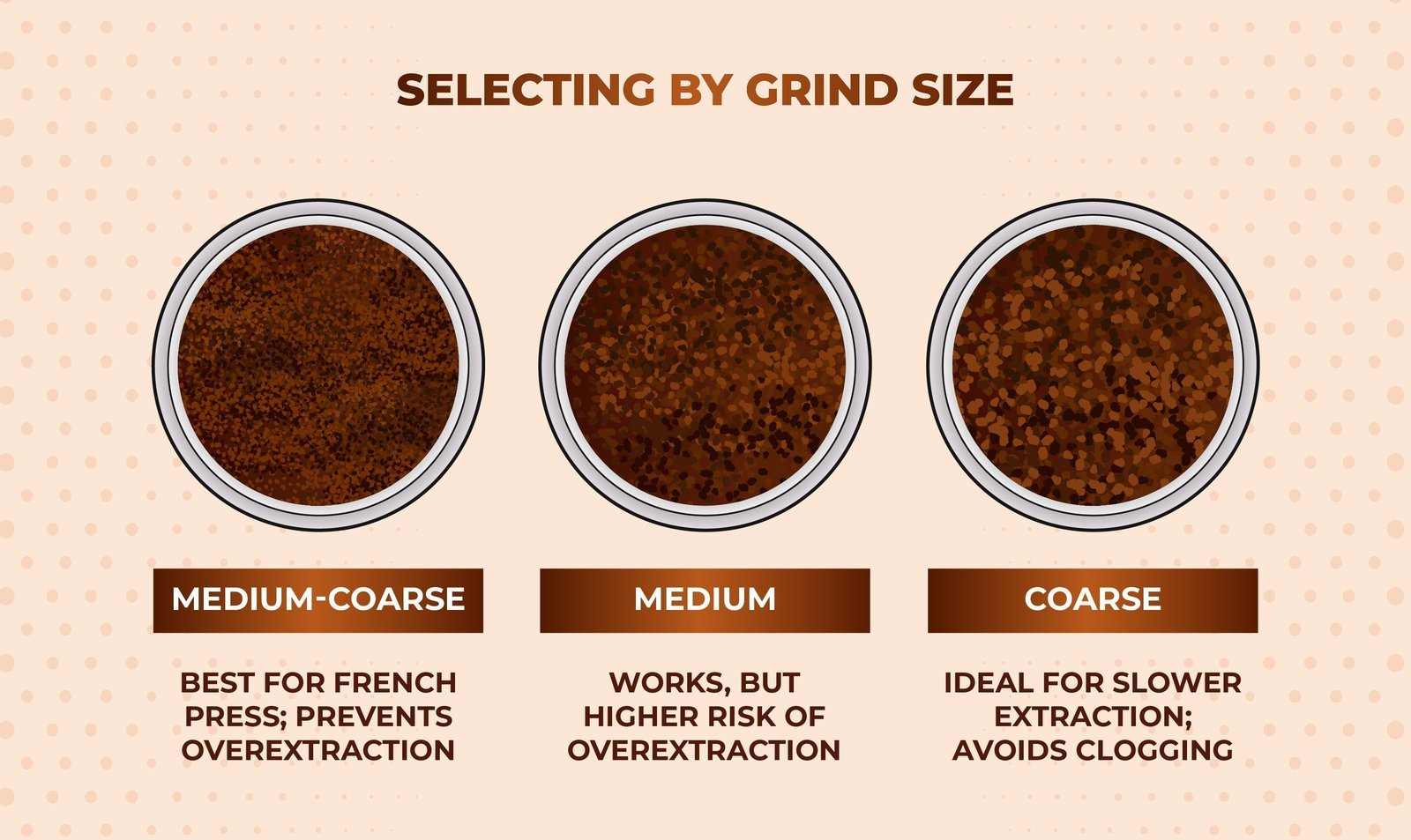
The primary factor that dictates whether your coffee succeeds or fails is the surface area of the grounds. Fine grounds have a large surface area, which allows water to extract compounds very quickly. If you use fine grounds in a slow-brewing device like a French press, the coffee will become extremely bitter and muddy because the water stays in contact with the particles for too long.
A common mistake is using fine grounds in a drip coffee maker meant for medium grinds. This causes the water to pool at the top of the basket, leading to an overflow or an over-extracted, harsh-tasting brew.
How to use fine ground coffee
- Measure your coffee beans using a scale for accuracy, aiming for 18 grams of beans for a double espresso shot.
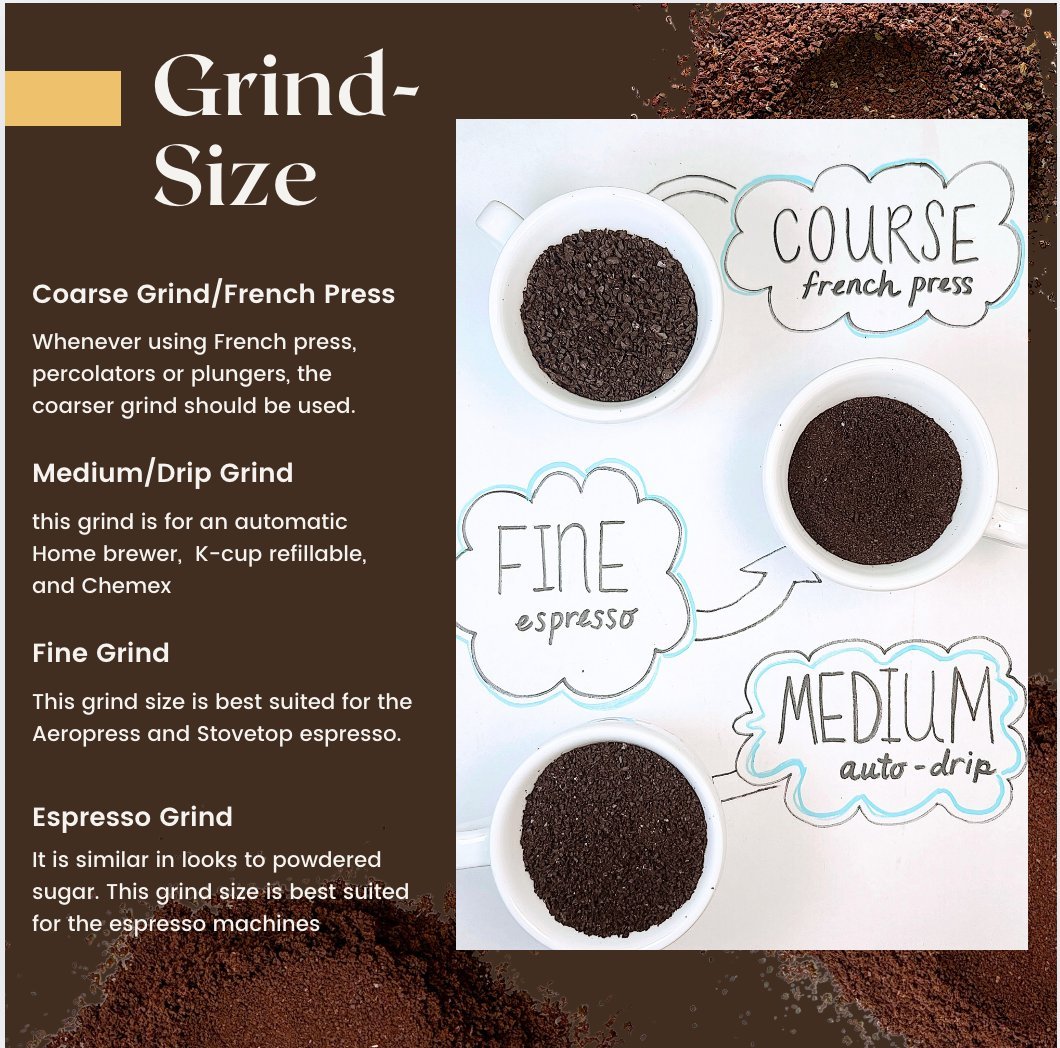
- Grind your beans to a fine consistency, which should look similar to table salt or powdered sugar.
- Place the grounds into your portafilter or Moka pot basket, leveling the surface with your finger to ensure even distribution.
- Tamp the grounds firmly if you’re using an espresso machine, applying about 30 pounds of pressure to create a flat, dense puck.
- Lock the portafilter into the group head or assemble your Moka pot and start the brewing process immediately to prevent the dry grounds from absorbing moisture. Tip: If you don’t own a burr grinder, buy pre-ground coffee labeled specifically for espresso to ensure the particle size is consistent.
Timing your extraction
| Method | Typical Time | Water Pressure | What to watch for |
|---|---|---|---|
| Espresso | 25-30 seconds | High (9 bars) | Flow rate consistency |
| Moka Pot | 3-5 minutes | Low (Steam) | Coffee sputtering at end |
| AeroPress | 1-2 minutes | Manual pressure | Resistance when pushing |
If the coffee takes much longer than these times, your grind is likely too fine for your specific machine.
Assessing your results

You can tell the extraction is correct by observing the flow and the final taste. Espresso should flow with the consistency of warm honey and develop a golden-brown crema on top. If the coffee drips slowly or doesn’t flow at all, the grind is too fine and is clogging the filter. If the result is sour or thin, your grind might be too coarse; if it’s bitter and astringent, it’s likely over-extracted.
Common errors in preparation
- Using blade grinders: These tools create inconsistent particle sizes, which means some grounds are fine while others are coarse. This leads to uneven extraction where some parts of your coffee taste sour and others taste bitter in the same cup.
- Ignoring freshness: Fine grounds lose flavor much faster than whole beans because more surface area is exposed to air. Always grind your coffee immediately before brewing to ensure the best possible flavor profile.
- Incorrect tamping: Failing to create a level, dense puck in an espresso basket leaves gaps. Water will rush through these gaps, resulting in weak, watery coffee that lacks body.
- Wrong equipment choice: Using fine grounds in a slow-brew method is a mistake that ruins the texture. Always match the grind size to the specific contact time required by your brewer.
Can I use fine ground coffee in a regular drip machine?
No, you shouldn’t use fine ground coffee in a standard drip machine. The fine particles will clog the paper filter, causing the water to overflow the basket and create a mess. It also leads to an over-extracted, bitter cup of coffee that lacks the balance of a medium grind.
How long does fine ground coffee stay fresh?
Fine ground coffee begins to lose its peak flavor within 15 to 30 minutes of grinding. Because of the increased surface area, oxidation happens rapidly. For the best experience, grind only the amount you need for your immediate brew rather than storing large batches of fine grounds.
What happens if the grind is too fine?
If the grind is too fine for your machine, the water can’t pass through the coffee bed easily. This results in a blocked filter, a very slow or stalled extraction, and a final cup that tastes harsh, bitter, or burnt. You’ll need to adjust your grinder to a coarser setting.
Is fine ground coffee the same as Turkish grind?
No, Turkish grind is significantly finer than standard fine espresso grounds. It’s essentially a powder, similar to flour, which is required for the traditional boiling method where the grounds remain in the water. Espresso fine grounds wouldn’t produce the correct texture or body for Turkish coffee.
How do I know if my grind is too coarse?
If your espresso shot pulls in under 20 seconds, your grind is likely too coarse. The water flows through the coffee bed too quickly to extract the necessary oils and solids. This results in a sour, watery, and thin shot that lacks the rich crema and mouthfeel of a proper espresso.
How much coffee should I use for a single shot?
For a standard single espresso shot, use 7 to 9 grams of fine ground coffee. This assumes you’re using a standard 58mm portafilter basket. If your basket size differs, check your machine manual, as using too little coffee will prevent the necessary pressure from building up during the extraction.
Properly matching your coffee grind to your equipment ensures you get the best flavor from your beans. Always check your specific machine’s manual for the recommended grind setting, as this varies by model. When your coffee tastes balanced and rich, you have successfully matched your grind to your brew method.