
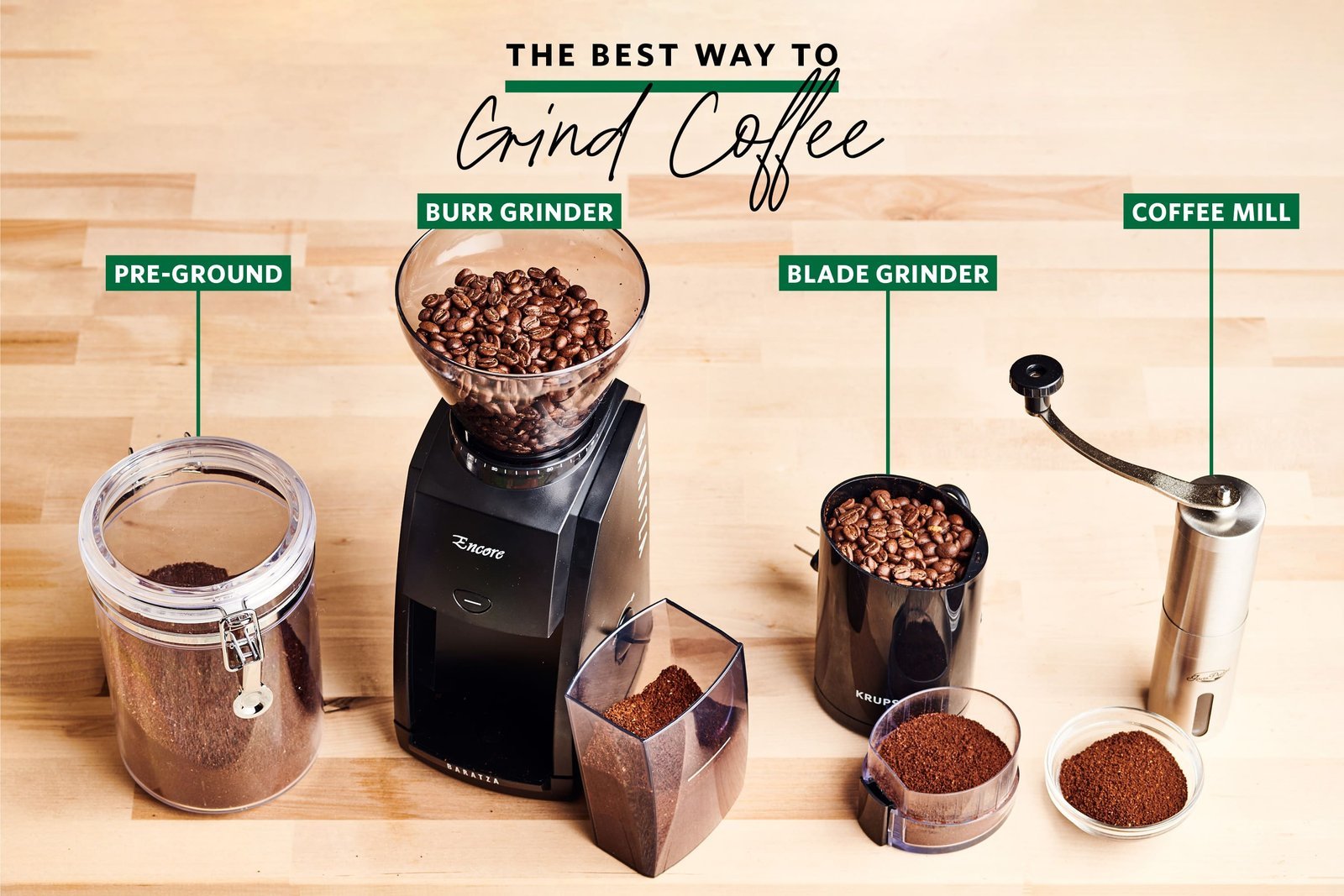
Regarding grounded coffee beans how to use them effectively involves two tablespoons of grounds per six ounces of water at 195°F to 205°F.
Tools for brewing grounded coffee beans
- Burr grinder: Essential for consistent particle size; blade grinders create uneven dust that leads to bitter, over-extracted coffee.
- Digital scale: Used to measure weight rather than volume, as density varies between bean roasts.
- Brewing device: Choose between a drip machine, French press, or pour-over cone based on your texture preference.
- Filtered water: Chlorine or mineral buildup in tap water changes the flavor profile significantly.
- Paper or metal filter: Must match your specific brewer model to prevent sediment buildup.
If you lack a scale, a standard tablespoon is a fair substitute, though it’s less accurate for lighter roasts. Professional training isn’t required, but you can consult the National Coffee Association for guidance on extraction ratios.
Preparation and extraction steps
- Heat your water to 200°F using a kettle with a thermometer. If you don’t have one, let boiling water sit for 60 seconds to reach the ideal range.
- Weigh your beans using a scale; use a 1:16 ratio of coffee to water for a balanced cup.
- Grind your beans immediately before brewing to preserve the aromatic compounds that begin to dissipate after grinding.
- Rinse your paper filter with hot water to remove any papery taste and preheat the brewing vessel.
- Add the grounds to the filter and pour just enough water to wet them, waiting 30 seconds for the “bloom” to release trapped carbon dioxide.
- Pour the remaining water in slow, circular motions to ensure all grounds extract evenly.
- Discard the grounds after brewing to prevent the coffee from picking up off-flavors from the spent grounds.
Tip: If the coffee tastes watery, use a finer grind setting next time. Careful: Don’t use boiling water directly from the kettle, as it scorches the oils and creates a burnt, bitter flavor.
How variables affect your brew
The method requires adjustments based on your specific equipment. If you use a French press, you need a coarse grind, while espresso machines require a very fine, powdery consistency.
| Method | Grind Size | Brew Time | Result |
|---|---|---|---|
| French Press | Coarse | 4 minutes | Full-bodied |
| Drip Machine | Medium | 5 minutes | Clean finish |
| Pour-over | Medium-fine | 3 minutes | Bright acidity |
| Espresso | Extra fine | 30 seconds | Concentrated |
Always start with the manufacturer’s recommended settings for your machine and adjust by small increments to find your preferred intensity.
Judging your coffee quality
Photo: www.cooperscoffeeco.com on Google
A successful brew looks rich and dark with a clean, smooth finish on the palate. If your coffee tastes thin or metallic, you have likely under-extracted the beans, which happens when the grind is too coarse or the water is too cool. Conversely, a bitter, astringent taste indicates over-extraction, usually caused by a grind that’s too fine or a brew time that’s too long. To prevent these issues, maintain consistent water temperatures and ensure your grinder is set correctly before every batch. Consistent results rely on tracking these small changes over time.
Storage and safety standards
The Food and Drug Administration notes that keeping dry goods in a cool, dark, and airtight container prevents moisture and oxygen from degrading quality. Once opened, store your grounds in a vacuum-sealed bag or an opaque canister away from direct sunlight. While coffee is shelf-stable, the flavor profile significantly declines after two weeks of exposure to air. If you notice a rancid or metallic smell, the oils have oxidized and the coffee should be discarded to avoid an unpleasant, stale taste in your final cup.
Alternative brewing routes
Cold brew method
Steep coarse grounds in room-temperature water for 12 to 24 hours. This results in a low-acid concentrate that lasts for two weeks in the fridge. The cost is time, not money.
Aeropress brewing
Use a pressure-based method to push water through fine grounds in under two minutes. This creates a versatile, concentrated coffee that mimics espresso but requires less equipment and cleaning than traditional machines.
Percolator brewing
Boil water through grounds repeatedly to create a heavy, high-strength coffee. This method is common for camping but requires careful monitoring to prevent the coffee from boiling over or becoming excessively bitter.
Frequently asked questions
How long does ground coffee stay fresh?
Ground coffee stays fresh for about one to two weeks if stored in an airtight, opaque container. After this period, the volatile oils lose their aroma and the flavor becomes flat or stale regardless of the storage method.
Is it safe to drink coffee grounds?
Yes, it’s safe to ingest small amounts of coffee grounds, though it may cause digestive discomfort or a gritty texture. Most people prefer to filter them out because the flavor is too intense and the texture is unpleasant.
How much coffee do I use for one cup?
Use two tablespoons of grounds for every six ounces of water to achieve a standard strength. If you prefer a stronger cup, increase the amount of coffee rather than extending the brew time to avoid bitterness.
Can I reuse coffee grounds?
No, you can’t reuse coffee grounds because the majority of the soluble compounds are extracted during the first brew. A second pass will only extract bitter, unpleasant tannins that ruin the flavor of your fresh water.
Why is my coffee bitter?
Your coffee is bitter because it’s over-extracted, which happens when the grind size is too fine or the brew time is too long. Try a slightly coarser grind or decrease your total brewing time slightly.
How fine should I grind for a drip machine?
Use a medium grind, similar to the texture of sea salt, for a standard drip coffee machine. This consistency creates an ideal balance between water flow and flavor extraction for most household brewers.
Grounded coffee, in short
Once you’ve poured that first cup, take a moment to notice the flavor notes. If it’s too bitter or weak, don’t worry—it’s just part of the process. You’ll find your perfect rhythm soon enough. Try experimenting with a different roast next time to see how your morning routine can evolve.