
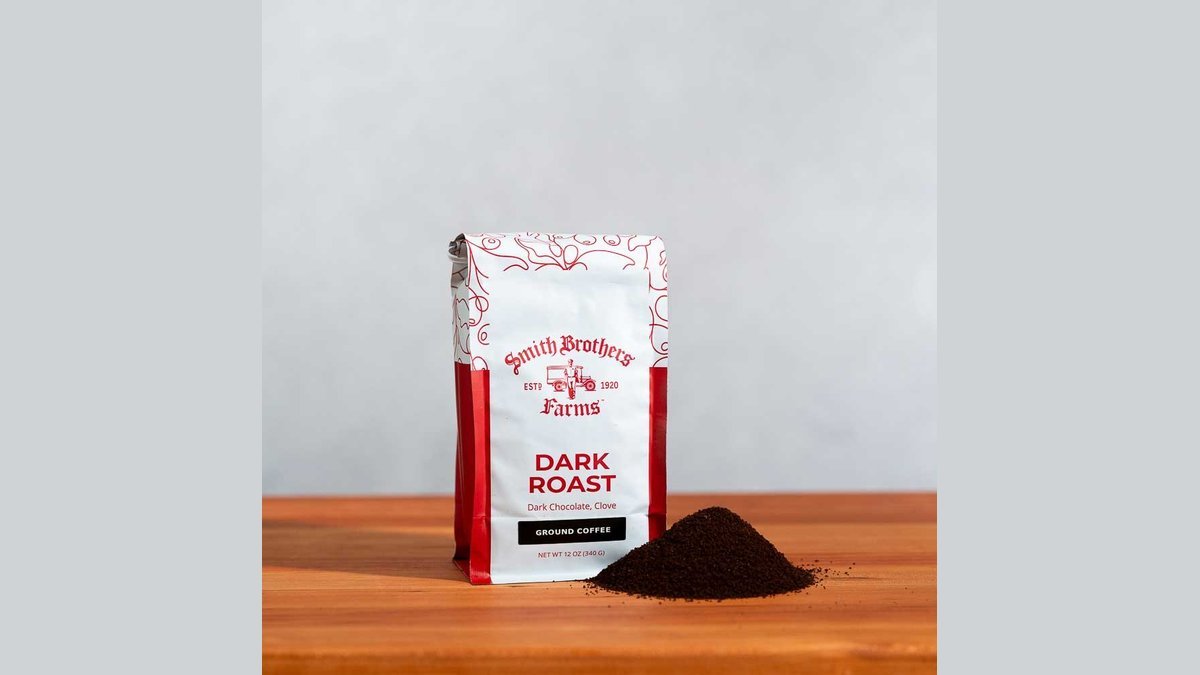
What is roast and ground coffee is the term for beans that have been heated to develop flavor and then crushed into particles for brewing. This product is prepared by manufacturers to be ready for immediate extraction with hot or cold water.
Understanding roast and ground coffee
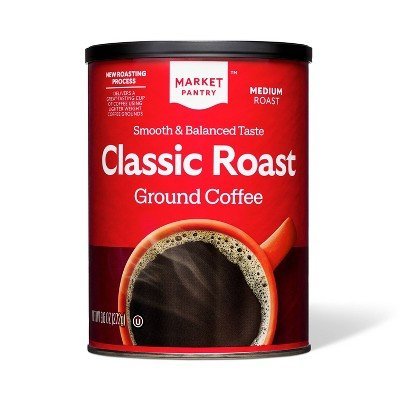
- Coffee beans are actually the seeds of the coffee cherry, which require roasting to release oils and aromatics.
- The roast level, ranging from light to dark, dictates the final flavor profile and the acidity of your cup.
- Grinding the roasted beans creates a larger surface area, allowing water to pull out flavor compounds during brewing.
- Most store-bought packages have a “best by” date, which usually indicates the period of peak freshness for the product.
- Ground coffee loses aroma quickly when exposed to oxygen, so keep it in an airtight container away from direct light.
- A medium-fine grind is standard for drip coffee makers, while coarse grinds are necessary for French press brewing methods.
Why roasting changes the bean
Roasting transforms raw, green coffee seeds into the fragrant brown beans you recognize. During this heating process, the beans undergo the Maillard reaction, which creates complex flavors and browns the surface. This happens inside a roasting drum at temperatures typically between 370°F and 540°F. The duration of this process varies by model — check the label for specific roast descriptions like “light,” “medium,” or “dark.” If you roast for a shorter time, the bean retains more of its original acidic character; if you roast for longer, the bean develops deeper, toasted, or bittersweet notes. You should store these products according to the FDA food storage guidance to maintain quality. Once ground, the bean’s structure is fully broken, meaning the volatile oils start to evaporate immediately. This makes the storage environment the most critical factor in preserving the taste you paid for.
When the coffee needs change
| Situation | What changes | What to do instead |
|---|---|---|
| Espresso machine | Grind size | Use a very fine powder |
| French press | Grind size | Use a coarse, chunky grind |
| Cold brew | Steep time | Use a coarse grind overnight |
| High humidity | Shelf life | Store in a vacuum container |
| Old beans | Flavor intensity | Use a higher coffee ratio |
Preparing your coffee correctly
- Measure your coffee using a scale; a standard ratio is 1 gram of coffee for every 16 grams of water.
- Heat your water to between 195°F and 205°F, as this temperature range is optimal for proper extraction.
- If you’re using a drip machine, ensure the filter is seated properly to prevent grounds from entering the final carafe.
- Pour a small amount of water over the grounds first to let them “bloom” for 30 seconds, releasing trapped carbon dioxide gases.
- Continue pouring the remaining water slowly in a circular motion to ensure all grounds are evenly saturated during the extraction process.
- Serve the coffee immediately after the brewing cycle completes to enjoy the freshest flavor before the liquid begins to cool down.
Mistakes that ruin the coffee
- Leaving the bag open allows oxygen to strip away the essential oils, which leads to a flat and stale flavor.
- Using water that’s too hot can lead to over-extraction, while water that’s too cool results in a weak, watery brew.
- Storing coffee in the refrigerator can introduce moisture and odors from other foods, which ruins the delicate flavor profile.
- Buying more coffee than you can use in two weeks means the final portions will taste significantly less fresh than the first.
Does roast and ground coffee go bad?
It stays safe to consume for a long time, but the quality drops significantly after four weeks. While it remains safe, the oils oxidize, leading to a stale, papery taste that replaces the intended flavor notes of the original roast.
Is it better to grind beans at home?
Yes, grinding at home ensures the most flavor because the surface area of the coffee remains protected until the moment of brewing. Pre-ground coffee is convenient, but it loses its most aromatic compounds within minutes of being exposed to air.
Can I store coffee in the freezer?
You can store it in the freezer, but only if the packaging is completely airtight and moisture-proof. If moisture enters the bag, it will create ice crystals on the grounds, which negatively impacts the extraction process when you finally brew it.
How long does ground coffee last once opened?
It retains its best flavor for about seven to ten days after opening if kept in a sealed container. After this window, you’ll notice the aroma fading, and you may need to increase the amount of grounds used to compensate.
Why is my coffee bitter?
Bitterness usually happens if your grind is too fine or your water temperature is too high. If the water extracts too many tannins from the grounds, the result is a harsh, astringent taste that masks the natural sweetness of the coffee.
Does the roast level affect caffeine?
It doesn’t change the caffeine content as much as people think, though dark roasts are slightly less dense by volume. If you measure by weight, the caffeine content remains nearly identical across all roast levels, assuming the same bean variety is used.
What is the best way to keep coffee fresh?
The best way is keeping it in an opaque, airtight container at room temperature in a dark cupboard. Avoid clear glass jars or containers that sit on the counter, as light and heat are the primary enemies of coffee freshness.
Coffee is a sensitive product that relies on proper handling to reach its potential in your cup. By focusing on freshness and using the right grind for your specific brewing method, you ensure that every batch tastes exactly as the roaster intended.