
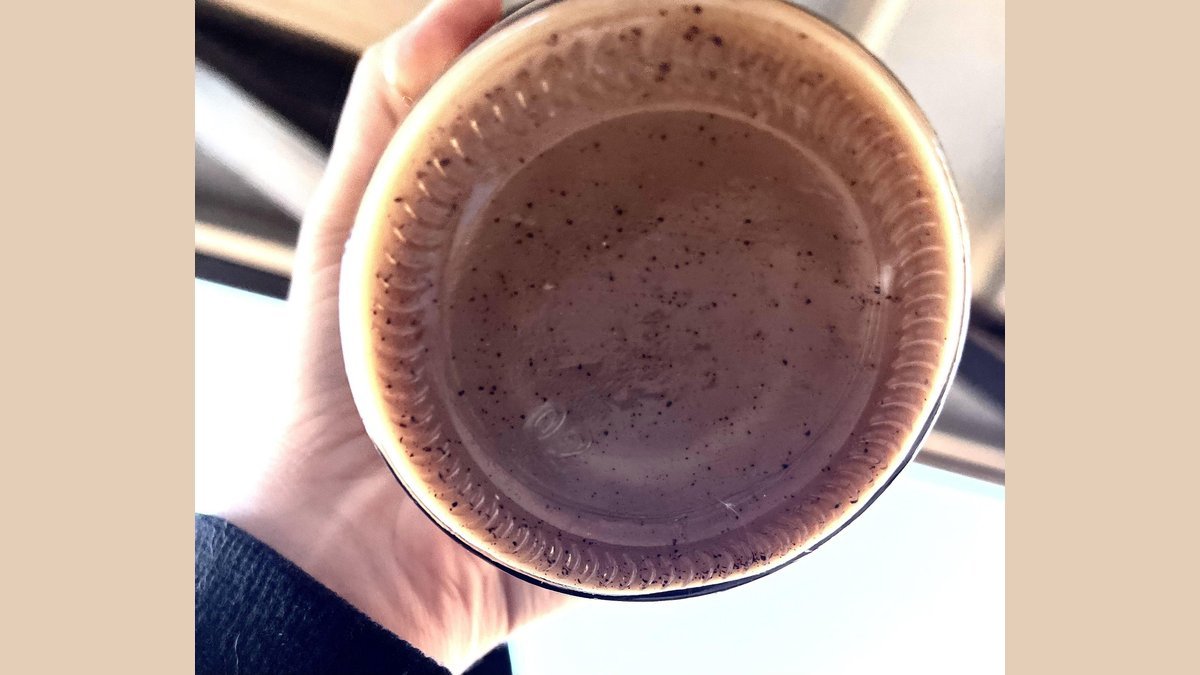
The presence of damaged or low-quality filters is the most common reason why there’s coffee grounds in my coffee. When a paper filter is too thin or a permanent mesh filter has small tears, fine particles easily pass through into your mug.
Troubleshoot coffee sediment
| Cause | How common | How to confirm it | Fix it yourself? |
|---|---|---|---|
| Damaged paper filter | Very common | Check for small rips | Yes |
| Worn mesh filter | Common | Inspect for tiny holes | Yes |
| Incorrect grind size | Common | Check grounds texture | Yes |
| Overfilled basket | Occasional | Look at grounds level | Yes |
| Dirty brew head | Occasional | Check shower screen | Yes |
| Broken machine seal | Rare | Look for leaks | No |
Damaged paper filters
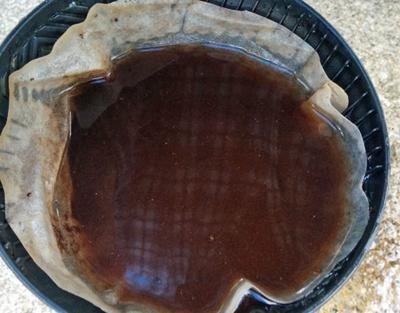
Paper filters sometimes fold over or tear during the brewing process, allowing sediment to bypass the filtration zone. If you notice a visible rip along the seam, the filter has failed to contain the grounds. To prevent this, ensure you don’t push the filter down into the basket with force. Instead, place it gently and confirm it sits flush against the walls before adding coffee. If you use generic, thin filters, consider switching to a thicker brand or a double-layered approach. This simple change usually stops sediment immediately. If the filter looks intact but you still find grounds, the issue is likely the grind size of your coffee beans, which may be too fine for the paper’s pores.
Worn mesh filter screens

Permanent mesh filters are made of fine metal or plastic, but they degrade over time with repeated cleaning and heat exposure. You can tell if this is the cause by holding the filter up to a bright light; any tiny pinprick of light indicates a hole where grounds can escape. Unlike paper, these filters can’t be repaired once the mesh stretches or tears. If you find gaps, you must replace the filter basket to restore clean extraction. This assumes you’re using the correct basket size for your specific machine model; using a generic replacement that doesn’t seal tightly against the brew head will cause the same problem.
Incorrect coffee grind size
Coffee grounds that are too fine for your brewing method will pass through even the best filters. If your coffee looks like powder rather than coarse sand, it’s likely too fine for a standard drip machine. This creates a “mud” that clogs the filter and eventually overflows or pushes through the mesh. You can test this by adjusting your grinder to a coarser setting for your next pot. If the sediment disappears, the grind was the culprit. Note that this varies by model; some machines have tighter tolerances than others. If you’re using pre-ground coffee, you’re limited by the bag’s setting, so you might need to use a thicker paper filter to catch the extra fine dust.
Common reasons for sediment
- Overfilling the brew basket causes grounds to spill over the top of the filter, bypassing the intended path entirely.
- A dirty shower screen or brew head can trap old grounds that wash into your fresh cup during the cycle.
- Cracked plastic housing near the filter basket creates a gap where grounds can bypass the filter entirely, which requires professional repair.
Fixing your coffee maker
Fixing sediment issues usually involves either cleaning the machine or buying a small, inexpensive replacement part like a new filter basket. If a part is cracked, the cost is typically a small fraction of a new machine, but this depends on whether the manufacturer still stocks the component. You can find the exact part number by checking the sticker on the bottom of your unit. If the fix requires internal disassembly, it’s safer to contact a professional, as mistakes here can void your warranty or cause electrical hazards.
Can I drink coffee with grounds in it?
Yes, it’s perfectly safe to drink coffee with grounds in it, though the texture and strong bitterness are often unpleasant. The grounds are simply crushed coffee beans and pose no health risk.
Why does my coffee have sludge at the bottom?
It’s usually caused by using a very fine grind or a metal mesh filter that allows “fines” to pass through. These tiny particles settle at the bottom of your cup after the coffee sits.
How do I stop grounds from getting in my drip coffee?
You should ensure the paper filter is seated correctly against the sides of the basket and not folded over. Always use a medium-coarse grind to prevent the particles from being small enough to pass through.
Is it safe to use two paper filters?
Yes, you can use two paper filters to trap more sediment, though it may slow down the flow of water significantly. This is a common trick if your current filters are too thin.
Why does my coffee taste gritty?
It tastes gritty because fine coffee particles have bypassed the filter. This happens most often when the coffee is ground too finely or the filter has a small tear near the base.
Does the age of my coffee maker matter?
Yes, older machines often have worn seals or loose filter baskets that no longer fit tightly. If your machine is an older unit, the plastic parts may have warped from constant heat.
If you continue to find sediment after replacing your filter and adjusting your grind, the issue likely lies within the internal brew head assembly. In this case, you should consult your owner’s manual for specific cleaning instructions or contact the manufacturer to see if a replacement brew head is available for your specific model.
Related guides