
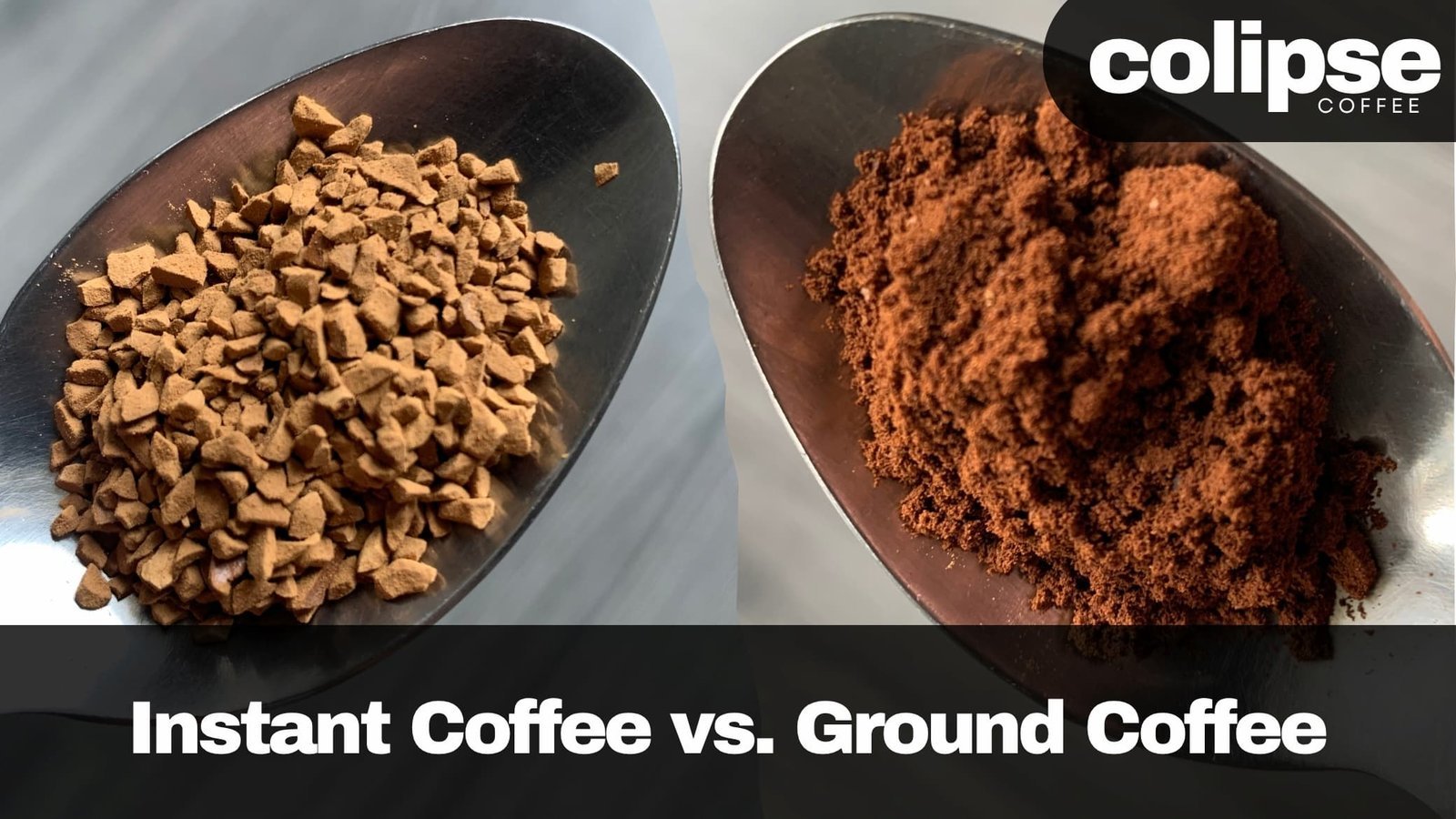
What is the ground coffee if not the result of milling roasted coffee beans into particles for brewing? This product is simply whole beans crushed to increase their surface area, allowing hot water to extract oils, flavors, and caffeine more efficiently than would be possible with a solid, intact bean.
Coffee beans contain volatile compounds that begin to oxidize as soon as they’re exposed to air. The biggest mistake people make is buying large quantities and leaving them in an open bag. If you prioritize flavor, buy beans in small amounts and grind them just before brewing. If you must buy pre-ground, store it in an airtight container to keep moisture and oxygen from ruining the taste.
Preparing the beans for brewing
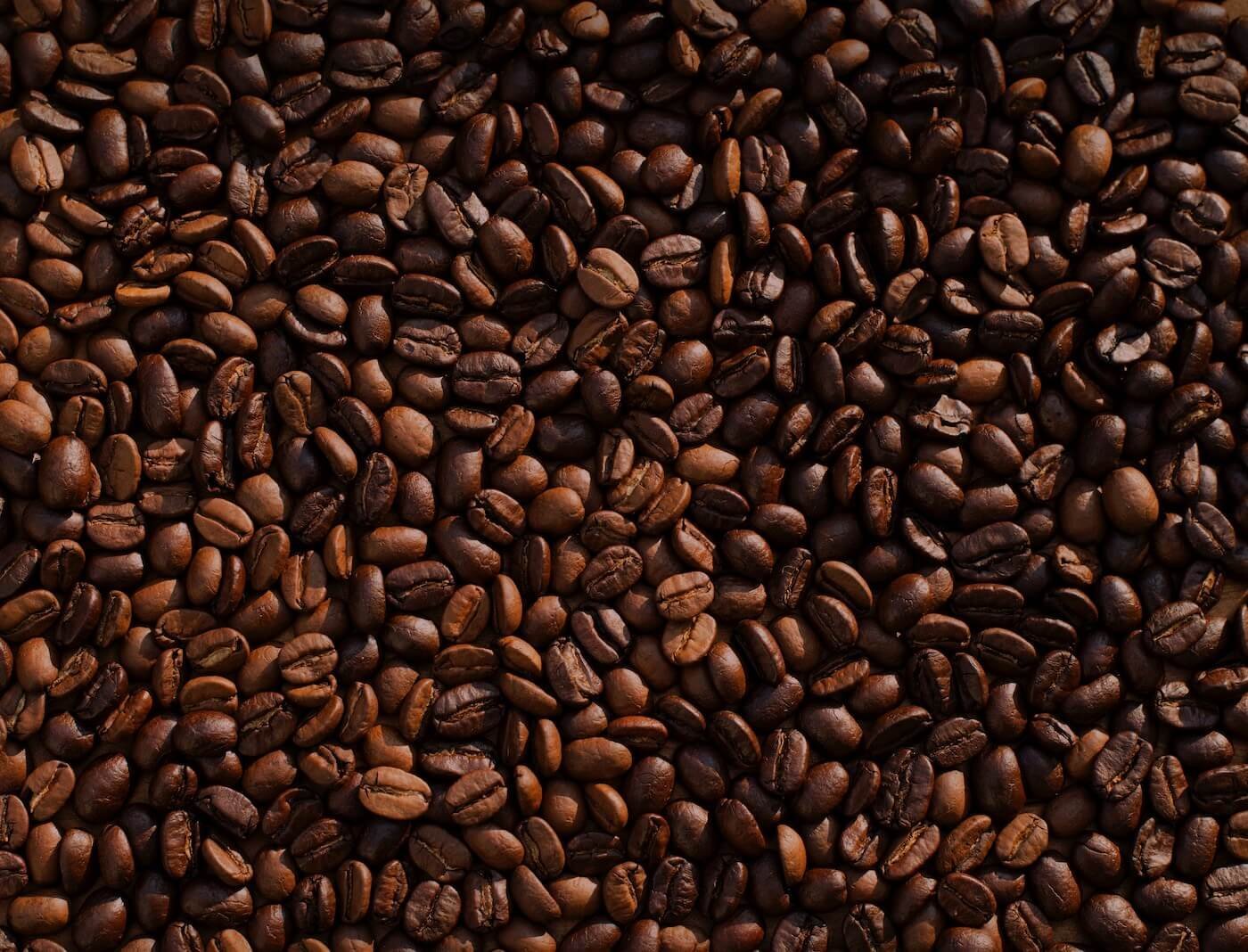
- Select your beans based on your preferred roast level and origin profile, ensuring they’re fresh for the best extraction.
- Adjust your grinder to the specific size needed for your brewing method, as particle size controls the flow of water.
- Measure the beans by weight rather than volume to ensure consistency; a standard ratio is 60 grams of coffee per liter of water.
- Process the beans through the grinder until you reach a uniform particle size that matches your chosen equipment.
- Transfer the grounds immediately to your brewer, as flavor loss begins within minutes of grinding due to carbon dioxide release.
Tip: If your coffee tastes sour, your grind is likely too coarse; if it tastes bitter, it’s too fine.
Tip: Only grind what you need for a single session, as the increased surface area makes ground coffee degrade much faster than whole beans.
Extraction times by method
The time required for water to pass through the grounds depends entirely on the grind size and the pressure used during the brewing process. This assumes the use of fresh water heated to between 195°F and 205°F, as recommended by National Coffee Association guidelines.
| Method | Grind Size | Typical Time | What changes it |
|---|---|---|---|
| French Press | Coarse | 4 minutes | Water temperature |
| Drip Machine | Medium | 5–7 minutes | Machine flow rate |
| Espresso | Extra Fine | 25–30 seconds | Pump pressure |
| Cold Brew | Extra Coarse | 12–24 hours | Ambient temperature |
If your brew takes significantly longer than these ranges, check if your filter is clogged or your grind is too fine for that specific device.
Checking the quality of your grounds
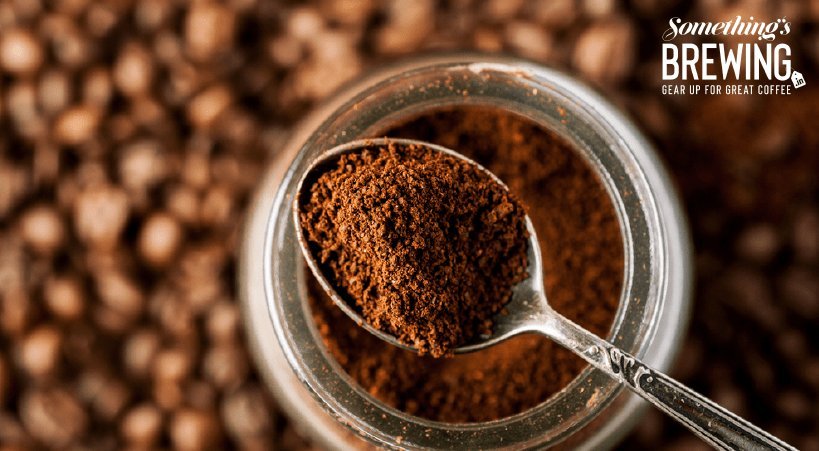
You can judge the quality of your grounds by looking for uniformity in the particle size, which ensures an even extraction. If you see a mix of large chunks and fine dust, your grinder may need recalibration or a new burr set. The scent should be potent and clean; if the grounds smell flat or like cardboard, they have likely been exposed to air for too long. A simple visual check is to spread a small amount on a white piece of paper to see if the distribution is consistent.
Common errors during preparation
- Using a dirty grinder: Old oils from previous batches turn rancid and will ruin the flavor of fresh beans. Clean your equipment regularly with a dry brush or specialized cleaning tablets to remove buildup.
- Ignoring grind settings: Using a fine grind in a French press creates a muddy, over-extracted cup that’s difficult to filter. Always match the grind texture to the specific requirements of your brewing hardware.
- Storing in the freezer: While meant to preserve freshness, the freezer introduces moisture and odors from other foods into the porous coffee particles. Keep your container in a cool, dark, and dry cupboard instead.
Can I use expired ground coffee?
Yes, you can safely use it if it shows no signs of mold, but the flavor will be significantly diminished. Coffee doesn’t technically “expire” in a way that causes illness, but its aromatic oils evaporate over time, leaving you with a stale, bitter drink that lacks the original character.
How long does ground coffee stay fresh?
Ground coffee stays fresh for about one to two weeks if stored in an airtight, opaque container away from light and heat. After this window, the oxidation process accelerates, and the unique flavor notes of the roast will begin to fade noticeably regardless of the storage method.
Is it safe to grind coffee at home every day?
Yes, it’s perfectly safe and is the best way to ensure maximum flavor in your cup. The only risk is the noise level or potential mechanical injury if you insert fingers into the burr mechanism, so always keep the hopper lid closed while the motor is running.
What happens if I grind coffee too fine?
If you grind too fine, the water will struggle to pass through the bed of grounds, leading to over-extraction and a harsh, bitter taste. This is common in drip machines where fine dust can also clog the filter, causing the water to overflow or sit too long.
How much ground coffee for one cup?
A good starting point is two tablespoons of ground coffee for every six ounces of water. This ratio can be adjusted based on your personal strength preference, but always start with this measurement to maintain a balanced extraction that’s neither too watery nor too intense.
Does the type of grinder matter?
Yes, a burr grinder is much better than a blade grinder because it provides a consistent particle size. Blade grinders chop beans unevenly, which creates “fines” that make your coffee taste bitter, while burr grinders crush the beans to a uniform size for a balanced, clear flavor profile.
Storing your coffee properly is just as important as the quality of the beans you purchase. Always keep the bag sealed tightly or move the grounds to a vacuum-sealed canister to limit exposure to the environment. Following these simple storage habits ensures that every cup you brew retains the intended flavor profile of the roast.