
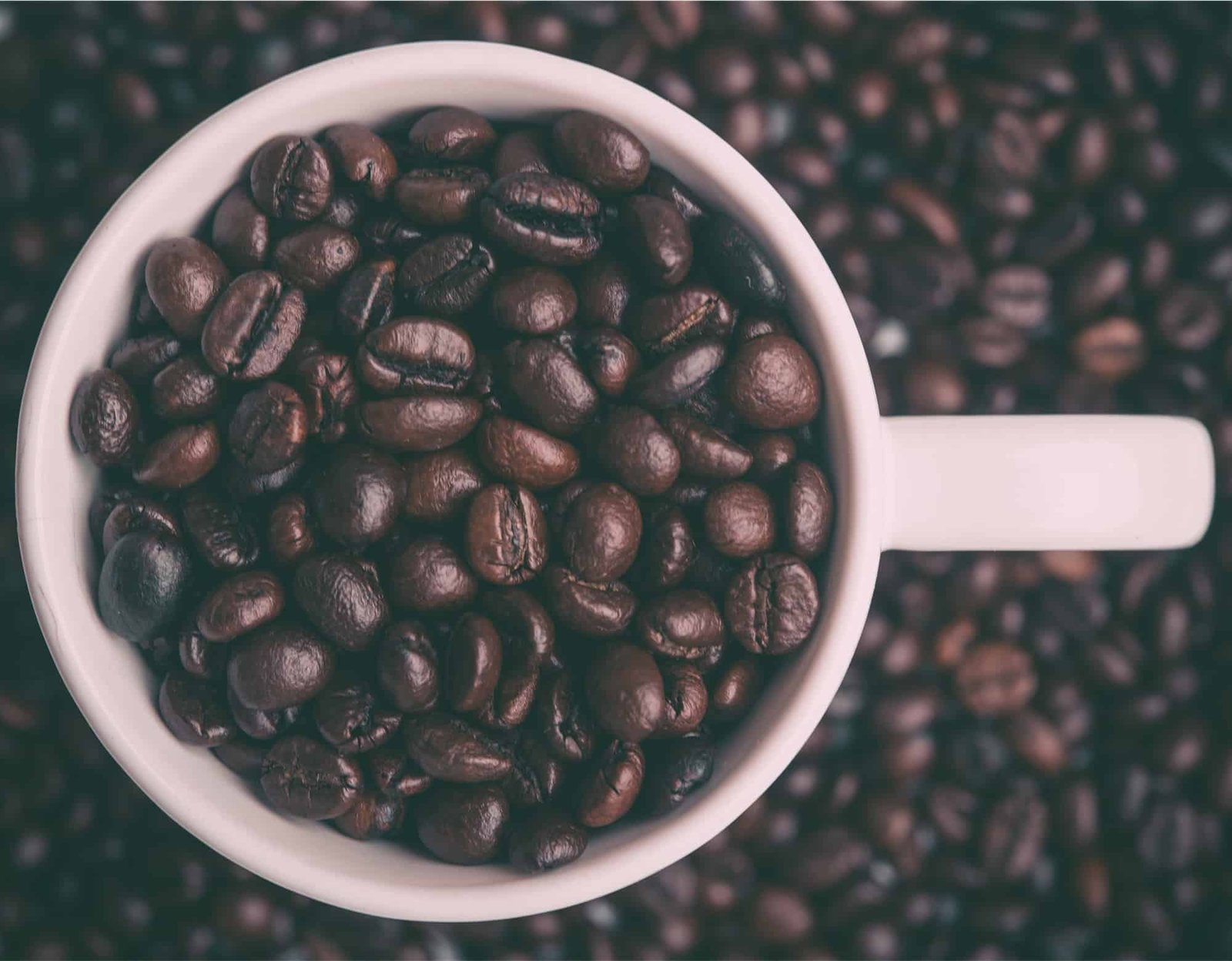
To ensure a clean, flavorful result, use only freshly roasted coffee beans and filtered water. The quality of these two components dictates the final taste, while the brewing method determines the final strength and texture.
Tools used to make coffee
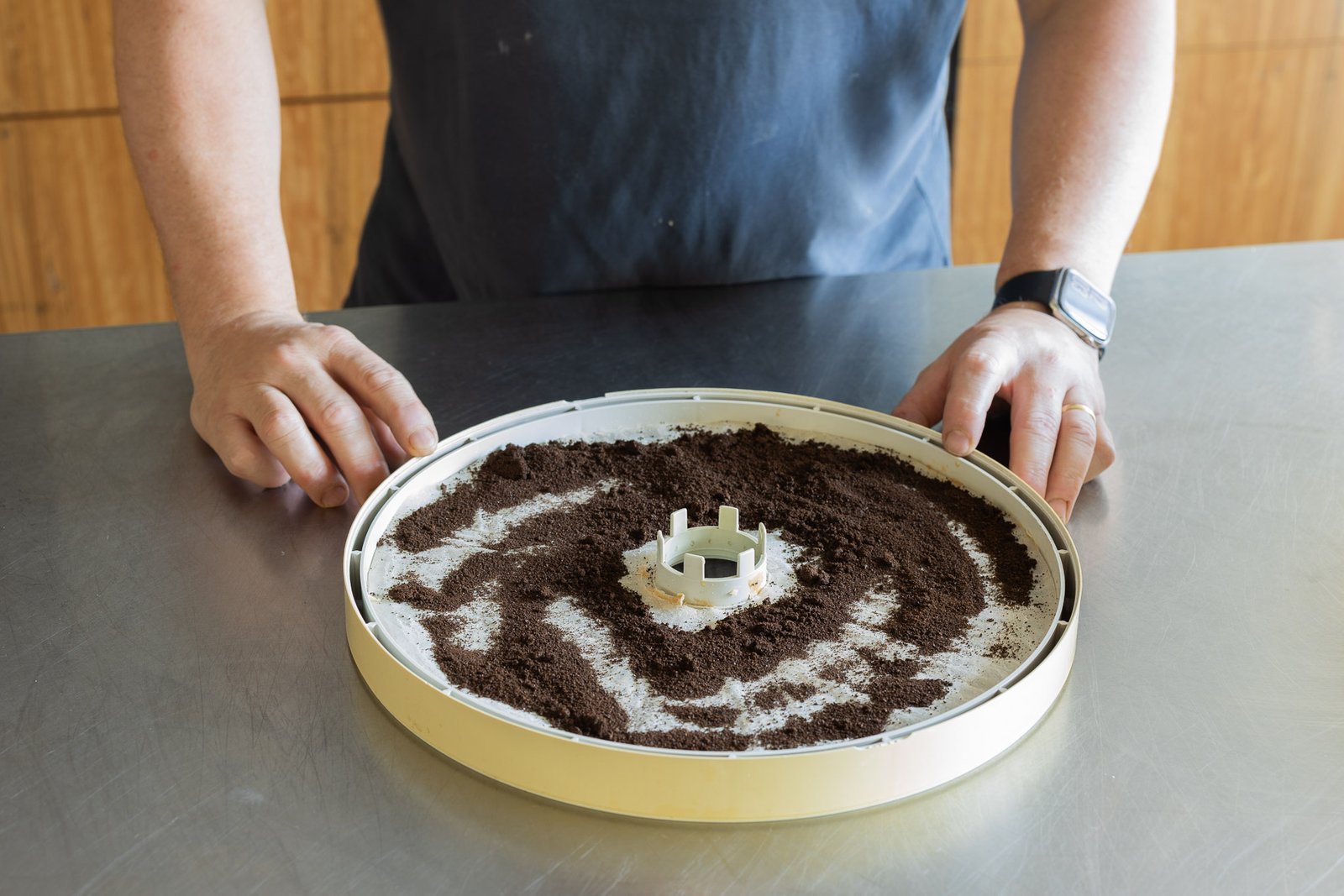
- Coffee beans: Use fresh, medium-roast beans for a balanced profile; grind them just before brewing to prevent flavor loss from oxygen exposure.
- Water: Use filtered or bottled water that’s free of chlorine or heavy minerals, as tap water can introduce off-flavors to your brew.
- Grinder: A burr grinder provides consistent particle size, which is critical for even extraction during the brewing process.
- Scale: Measure 15 to 18 grams of water for every 1 gram of coffee to maintain a consistent strength in your cup.
- Brewing device: Choose between a drip machine, French press, or pour-over depending on whether you prefer a clear or full-bodied mouthfeel.
- Filter: Paper filters remove oils and fine sediment, while metal mesh filters allow these elements through for a heavier, richer body.
Why ingredient quality matters
The chemical process of extraction relies entirely on the quality of your base ingredients. Coffee beans contain hundreds of volatile aromatic compounds that begin to dissipate the moment they’re ground. If you use stale beans, you lose the complex acidity and sweetness that define a high-quality roast. Furthermore, water makes up over 98% of your finished drink. According to the Specialty Coffee Association’s water standards, water should be clean, odor-free, and contain specific levels of magnesium and calcium to properly draw out the coffee’s flavor. If your water is too soft, the coffee may taste flat or sour; if it’s too hard, it can taste chalky or bitter. You can test your water quality using simple test strips from a hardware store to see if you need a filtration system. This ensures the water interacts with the coffee particles exactly as intended during the brewing cycle.
Adjusting for different brewing styles
| Situation | What changes | What to do instead |
|---|---|---|
| Cold brew | Longer steep time | Use coarse grounds for 12 hours |
| Espresso | Higher pressure | Use fine grind and machine pressure |
| French press | Metal filtration | Use coarse grind and four-minute steep |
| Pour-over | Paper filtration | Use medium-fine grind and steady pour |
| Drip machine | Automatic cycle | Use medium grind and standard setting |
Preparing your daily brew
- Measure 20 grams of whole coffee beans using a digital scale to ensure you have the correct ratio for your specific brewer.
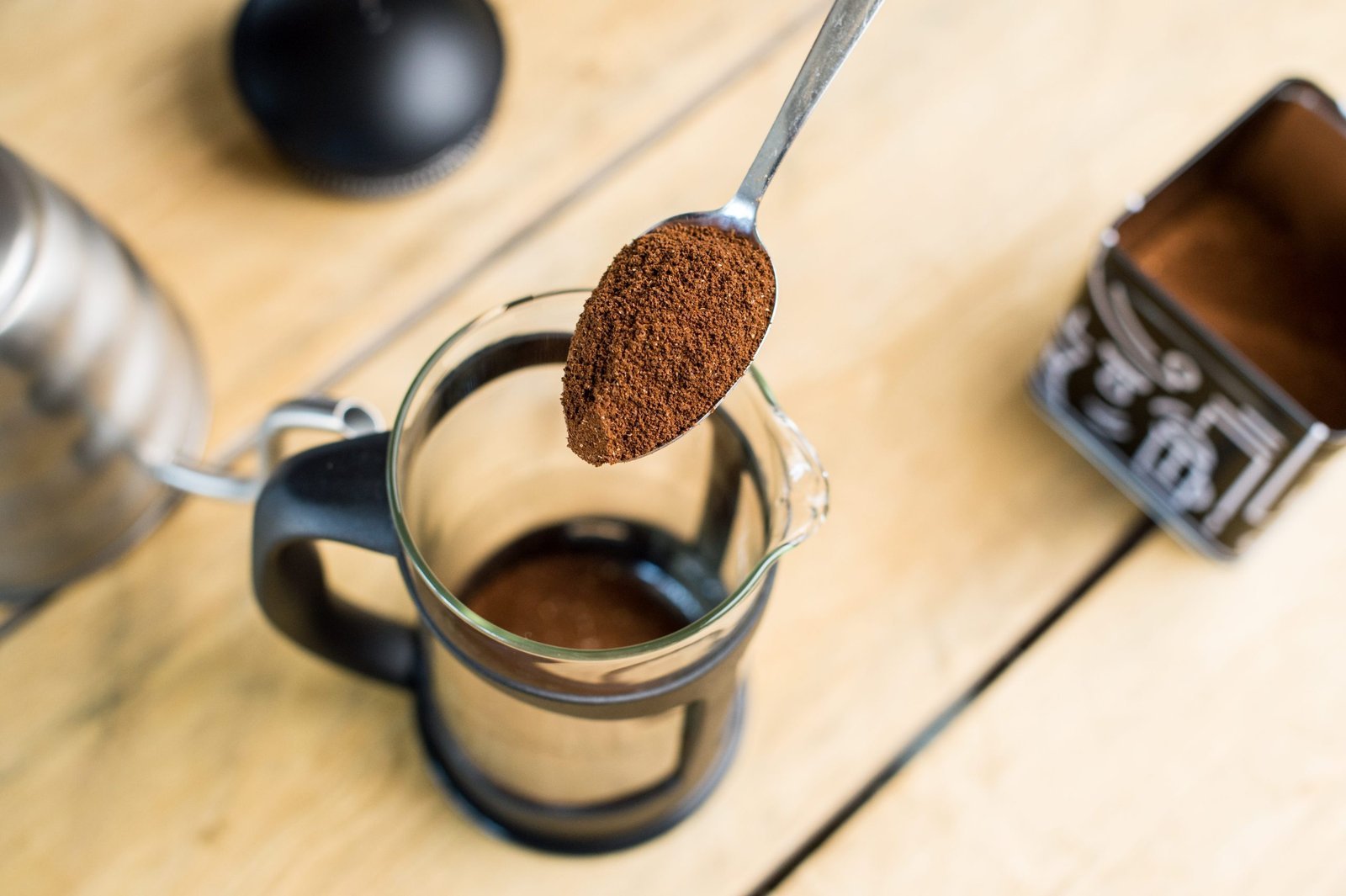
- Grind the beans to the consistency of sea salt for a standard drip machine, or coarser for a French press method.
- Heat your filtered water to between 195°F and 205°F, as this range is optimal for extracting flavor without burning the grounds.
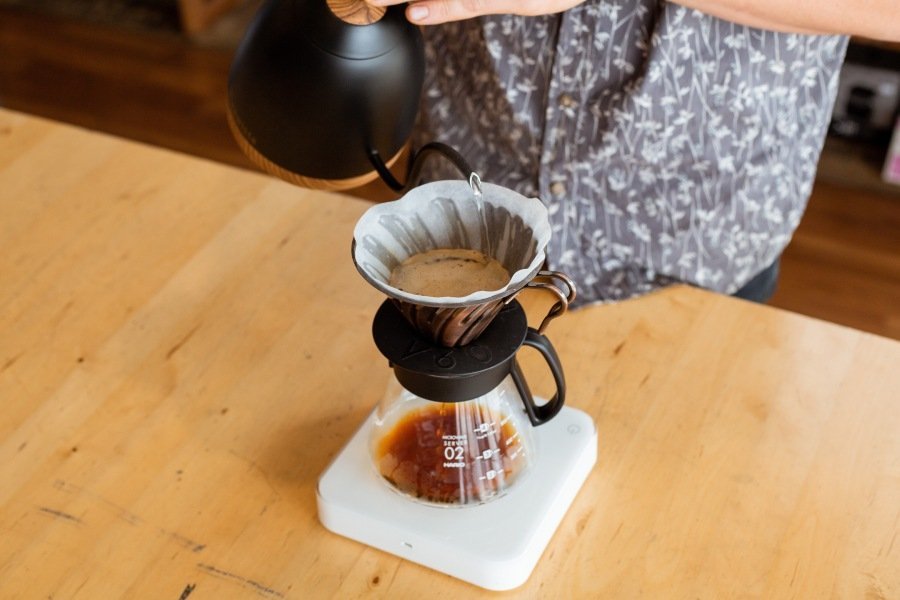
- Place a paper filter in your brewer and rinse it with a small amount of hot water to remove any papery taste.
- Add the ground coffee to the filter and pour just enough hot water to saturate the grounds, letting them bloom for 30 seconds.
- Pour the remaining water slowly in a circular motion, ensuring all grounds are wet, then let the coffee finish dripping through.
The mistakes that ruin it
- Using boiling water directly on the grounds can scorch the coffee, leading to a harsh, burnt flavor profile.
- Storing beans in the freezer often introduces moisture and freezer odors that permanently alter the taste of your coffee.
- Cleaning your brewing equipment with soap and failing to rinse thoroughly leaves a film that ruins the taste of every future cup.
- Grinding your coffee the night before allows the natural oils to oxidize, causing the flavor to go flat by the next morning.
Frequently asked questions
Can I use tap water for coffee?
Yes, you can use tap water if it’s clean and tastes good on its own, but it must be filtered if it contains chlorine or high mineral content. These additives often mask the delicate flavor notes found in high-quality coffee beans.
How long does ground coffee stay fresh?
Ground coffee begins to lose its peak flavor within 15 to 30 minutes of being ground. If you must grind in advance, store the grounds in an airtight, opaque container away from heat and light to delay the loss of quality.
Is it safe to reheat brewed coffee?
Yes, it’s safe to reheat coffee, but it will change the chemical composition and taste significantly. Reheating often makes coffee taste bitter or acidic because the heat accelerates the degradation of compounds already in the brewed coffee.
What happens if I use too much water?
Using too much water results in a weak cup of coffee that lacks body and flavor. If you find your coffee is consistently watery, reduce the water amount by 10% or use a finer grind to increase the extraction rate.
Does the coffee bean roast matter?
Yes, the roast determines the flavor profile, with light roasts highlighting acidity and origin characteristics, while dark roasts emphasize body and bitterness. Choose your roast based on whether you prefer bright, fruity notes or deep, chocolatey flavors.
Why does my coffee taste bitter?
Bitter coffee is usually caused by over-extraction, which happens when the grind is too fine or the water temperature is too high. Try using a slightly coarser grind or lowering your water temperature by 5 degrees to balance the taste.
How many grams of coffee per cup?
A standard ratio is 15 to 18 grams of water for every 1 gram of coffee, which equals about 2 tablespoons of coffee for every 6 ounces of water. Adjust this ratio based on your personal preference for strength or mildness.
Used coffee, in short
Proper maintenance of your equipment and sourcing fresh ingredients are the most effective ways to improve your coffee experience. If you find your results inconsistent, focus on measuring your coffee by weight rather than volume to ensure every cup is identical.