
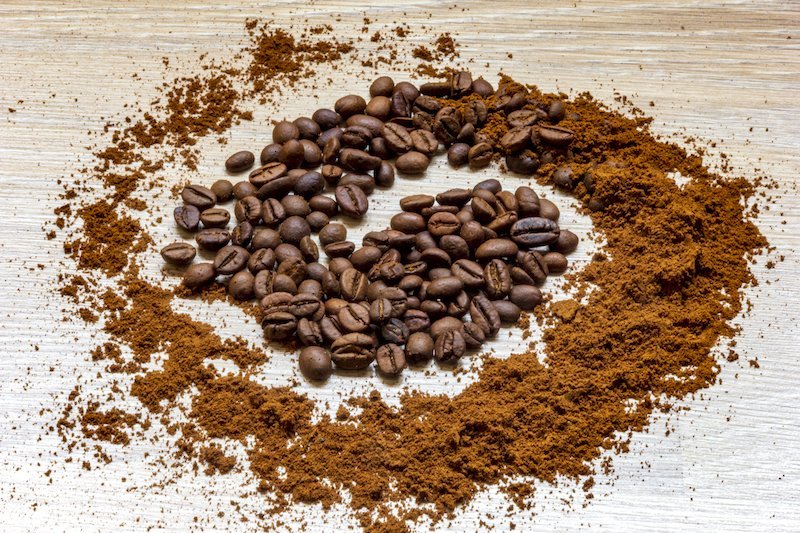
To get the best flavor, you should use two tablespoons of ground coffee beans for every six ounces of filtered water using a drip brewer or a French press. This ratio provides a balanced cup; adjust the amount based on your preferred strength.
Essential gear for ground coffee beans
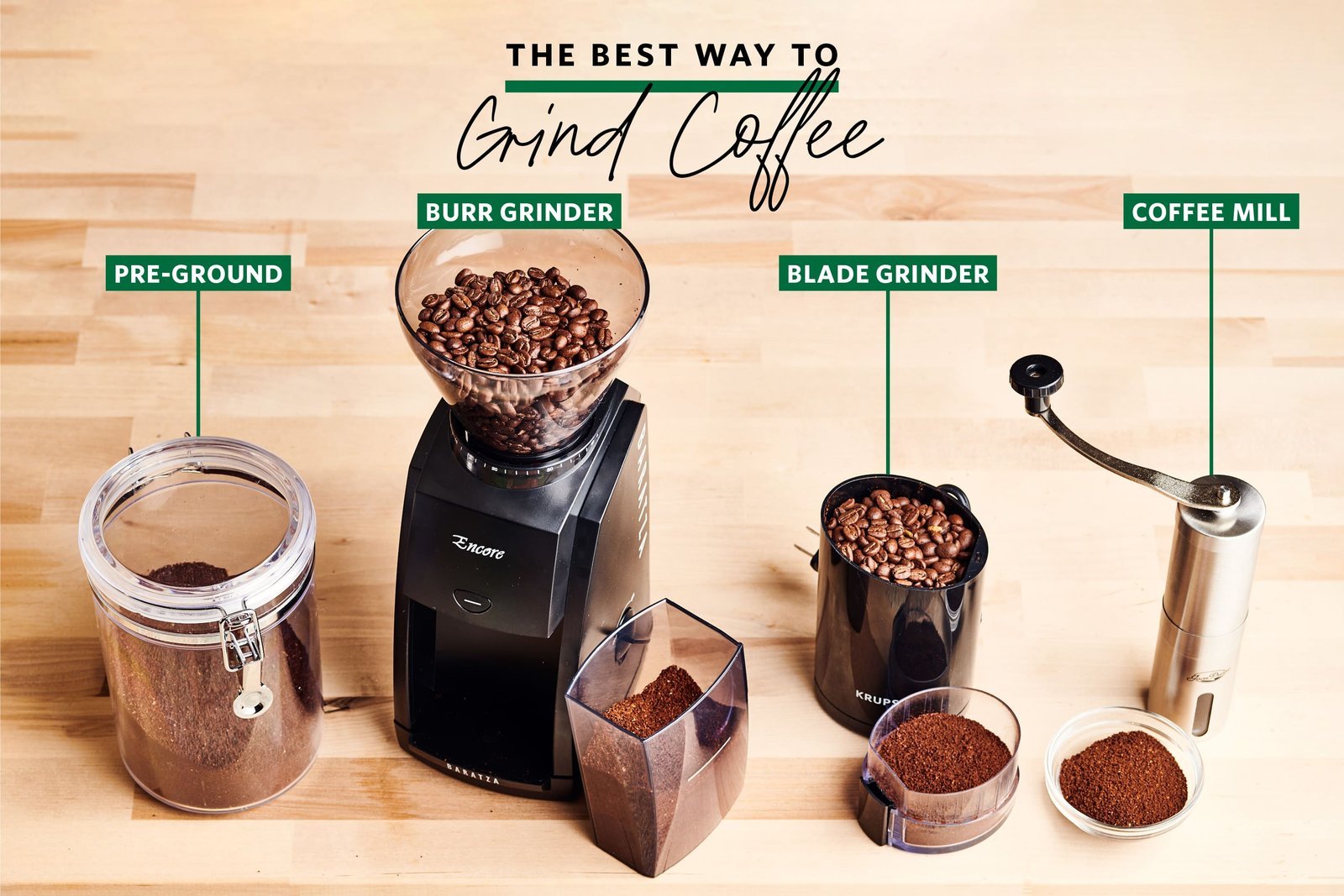
- Coffee grinder: Burr grinders are better than blade models because they create uniform particles, which is vital for consistent extraction.
- Filtered water: Chlorine or minerals in tap water change the taste; use charcoal-filtered water for a neutral base.
- Scale: Weighing your grounds ensures accuracy, as volume can change based on the roast level or the fineness of the grind.
- Coffee filter: Use paper filters for a clean, light body or a metal mesh filter for a richer, oilier cup.
- Brewing vessel: A standard drip machine works, but a manual pour-over or French press offers more control.
If you don’t have a scale, use a standard tablespoon, though this is less precise than grams. Don’t use unbleached paper filters without rinsing them first, as they often leave a papery, dry aftertaste in your drink.
Brewing your coffee
- Measure 15 grams of coffee beans for every 250 milliliters of water.
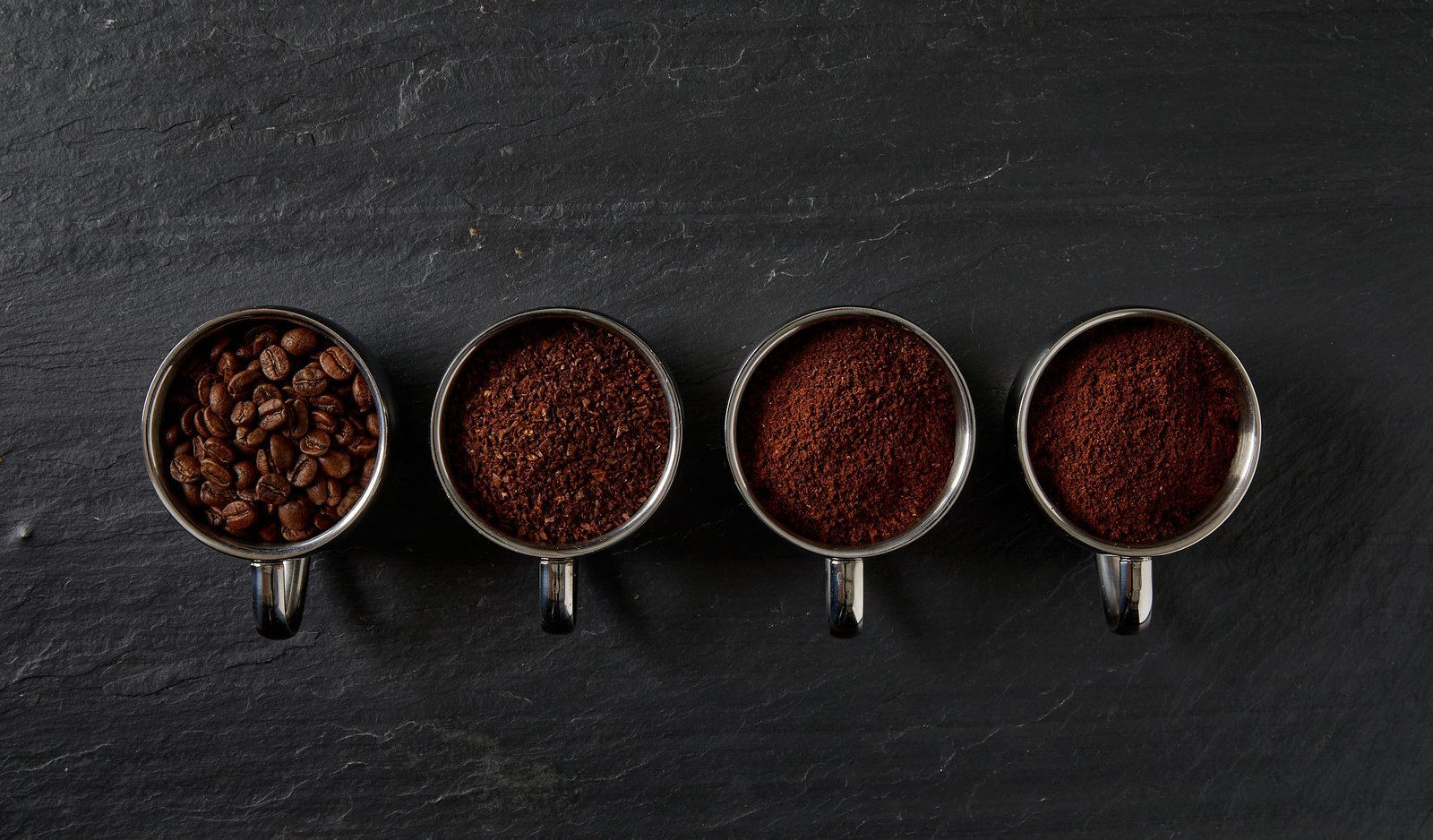
- Grind the beans to a medium-coarse texture for a French press or a medium-fine texture for a drip machine.
- Heat your water to between 195°F and 205°F, which is just below the boiling point.
- Place the grounds into your filter or brewing chamber.
- Pour a small amount of water over the grounds to let them bloom for 30 seconds, then pour the remaining water steadily.
- Wait three to four minutes for the brewing process to finish before serving.
- Pour the coffee immediately into a mug to prevent the coffee from continuing to heat on the brewing apparatus, which can lead to over-extraction.
Careful: Using water at a rolling boil can lead to over-extraction, but the primary concern is maintaining the target temperature range for consistent flavor. Tip: If the coffee tastes too sour, grind your beans slightly finer next time to increase the extraction rate. If it tastes bitter, use a coarser grind or reduce the brewing time. If you use a commercial machine, follow the manufacturer’s cleaning schedule to prevent mineral buildup, which ruins the flavor profile of any roast.
Situations and brewing adjustments
Brewing coffee changes based on the equipment you choose. Adjusting your grind size is the most effective way to fix a bad cup without buying new gear.
| Situation | Time | Difference | Watch for |
|---|---|---|---|
| French Press | 4 min | Coarse grind | Sediment |
| Drip Machine | 3 min | Medium grind | Bitterness |
| Pour Over | 2.5 min | Fine-medium | Flow rate |
| Cold Brew | 12-24 hrs | Very coarse | Strength |
Always start with the recommended ratio and grind size before changing your settings. It’s much easier to add more coffee later than to fix an over-extracted, bitter pot.
Achieving the perfect cup
A good cup of coffee is bright, aromatic, and free of metallic or sour notes. If your coffee tastes thin or watery, your grind was likely too coarse or your water temperature was too low. This happens because the water passes through the grounds too quickly to pull out the essential oils and sugars. To prevent this, ensure your grind size matches your brewer and always use fresh, filtered water. Consistency in your technique is the only way to replicate a great result every morning.
Standards and storage rules
According to the National Coffee Association, coffee beans should be stored in an opaque, airtight container at room temperature. Keep them away from direct sunlight, heat, and moisture to maintain their chemical stability for up to two weeks after roasting. Never store your beans in the refrigerator or freezer, as the humidity causes condensation that ruins the flavor. If you’re buying bulk quantities, keep only what you need for the week on your counter and store the rest in a cool, dark pantry.
Alternative brewing methods
Espresso machines
These machines force hot water through very finely ground beans at high pressure. This creates a concentrated shot with a layer of crema, which is impossible to achieve with standard drip equipment.
Aeropress
This device uses air pressure to push water through the grounds. It’s portable and fast, making it ideal for travel. The resulting cup is usually very smooth and lacks bitterness.
Siphon brewers
These use a vacuum process to brew coffee, which is visually impressive. It produces a very clean, tea-like body because the cloth filter removes almost all the fine particles and oils.
Frequently asked questions
How long do ground coffee beans stay fresh?
Ground coffee beans lose most of their volatile aromatics within 30 minutes of grinding. For the highest quality, grind your beans immediately before you brew, as exposure to oxygen rapidly degrades the flavor compounds.
Can I use a blender to grind coffee?
Yes, but it isn’t recommended because it creates an uneven grind. This results in a mix of boulders and dust, leading to a cup that’s simultaneously sour and bitter due to inconsistent extraction.
Is it safe to drink coffee left on a burner?
No, leaving coffee on a burner for more than 30 minutes ruins the taste and can lead to a burnt, acidic profile. If you need to keep it hot, transfer the liquid to an insulated thermal carafe.
How much coffee should I use for one cup?
Use two level tablespoons of beans for every six ounces of water. This is the industry standard for a balanced cup, though you should adjust this amount slightly if you prefer a lighter or bolder body.
Why does my coffee taste like paper?
You’re likely using a paper filter that hasn’t been rinsed. Always run hot water through the paper filter inside your dripper before adding the grounds to remove the papery taste.
What happens if I use too much coffee?
Using too much coffee results in a higher concentration of dissolved solids, which may taste overly intense or unbalanced. This creates a heavy, astringent mouthfeel that masks the natural sweetness and fruity notes of the bean.
Follow these steps every time you brew to ensure a consistent experience. Always clean your equipment thoroughly after use, as old coffee oils turn rancid and will negatively affect the flavor of your next batch. Enjoy your coffee.
Ground coffee, in short
Once you’ve found your perfect balance, try experimenting with different roast profiles from local shops to discover new flavor notes. Don’t be afraid to branch out, as there’s a whole world of beans waiting to be explored. You’ll soon find that your morning ritual becomes the most enjoyable part of your day.