
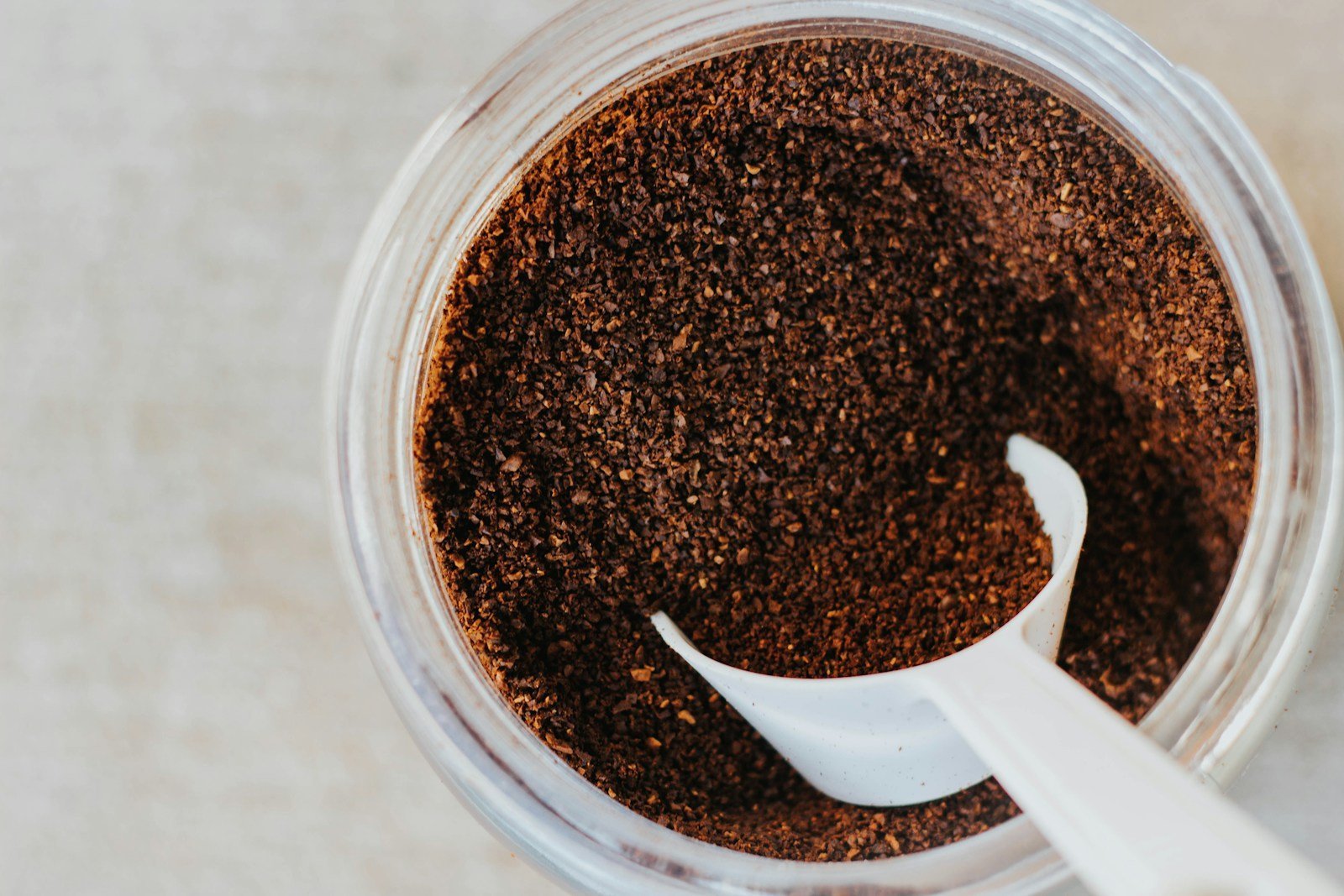
Eating coffee grounds isn’t the same as drinking coffee because the body processes the entire solid bean rather than just the water-soluble compounds extracted during brewing. Consuming the grounds significantly increases your intake of fiber and concentrated caffeine compared to a standard cup.
Quick facts about coffee grounds
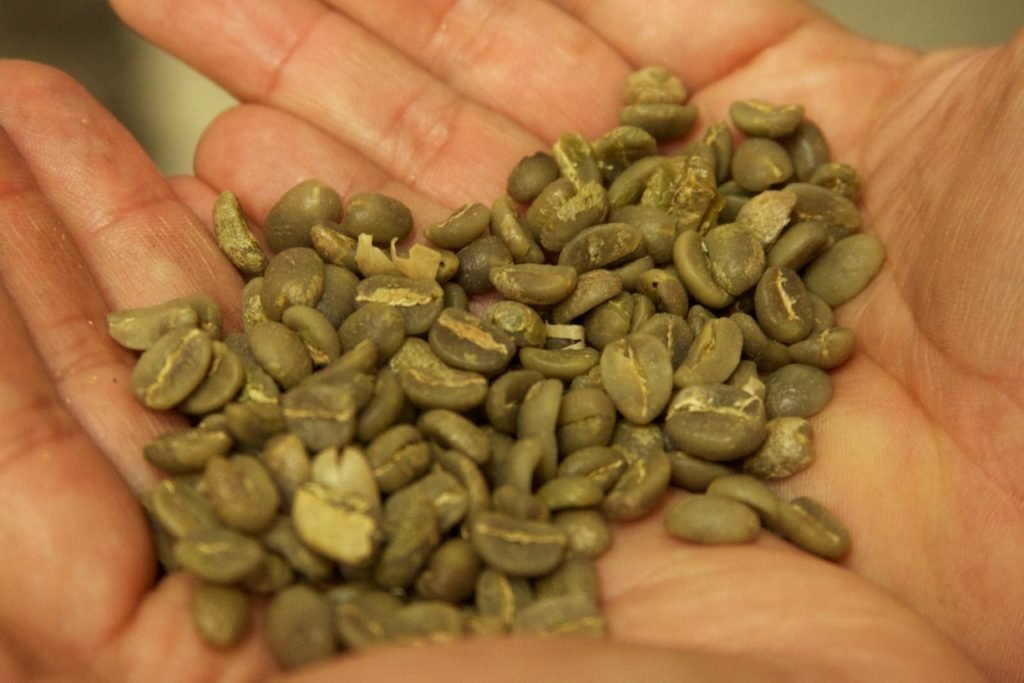
- Brewing extracts only the water-soluble oils and flavors, leaving the insoluble plant fiber in the discarded grounds.
- Eating one teaspoon of dry coffee grounds provides about 60 to 100 milligrams of caffeine, depending on the roast.
- The fiber content in grounds is high, which may cause digestive discomfort or laxative effects in sensitive individuals.
- Caffeine absorption is generally slower when consuming grounds compared to liquid coffee, as the caffeine must be extracted from the solid plant material during digestion.
- If you choose to eat them, start with less than one teaspoon to see how your stomach reacts to the grit.
Why the digestion process differs
The primary difference between drinking a beverage and eating the grounds lies in the mechanical and chemical breakdown of the bean. When you drink brewed coffee, your digestive system processes only the liquid extract, which contains caffeine, antioxidants, and trace minerals. When you eat the grounds, you’re consuming the cellulose structure of the plant, which the human stomach can’t digest. This fiber remains in your system, potentially speeding up bowel movements or causing bloating. Furthermore, the caffeine concentration in grounds is much higher per gram than in a cup of liquid, as the brewing process usually leaves significant amounts of caffeine behind in the waste. According to the FDA caffeine safety guidelines, healthy adults should limit their intake to 400 milligrams of caffeine per day, a threshold that’s much easier to cross when consuming the grounds directly. Check the label of your coffee brand to see specific caffeine levels per serving, as lighter roasts often have slightly more caffeine than dark roasts.
When the experience changes

| Situation | What changes | What to do instead |
|---|---|---|
| Sensitive stomach | Fiber irritates the gut | Stick to filtered liquid |
| High blood pressure | Caffeine hits harder | Limit to one teaspoon |
| Dark roast beans | Flavor is more bitter | Use with yogurt only |
| Pregnant or nursing | Caffeine sensitivity increases | Consult a doctor first |
| Fine grind size | Texture is too gritty | Use coarse ground beans |
How to consume grounds safely
- Measure exactly one-half teaspoon of freshly ground coffee beans using a standard measuring spoon to ensure you track your caffeine intake accurately.
- Mix the grounds thoroughly into a half-cup of thick yogurt or oatmeal to mask the gritty texture and prevent potential throat irritation.
- Avoid consuming grounds on an empty stomach, as the high acidity and concentrated caffeine can trigger heartburn or nausea in some people.
- Drink at least eight ounces of water immediately after eating the grounds to help the fiber move through your digestive tract smoothly.
- Stop eating the grounds if you experience tremors, rapid heartbeat, or abdominal pain, as these are signs of excessive caffeine sensitivity or intake.
The mistakes that ruin it
- Eating grounds on an empty stomach often leads to immediate acid reflux or intense stomach cramping.
- Consuming grounds without drinking extra water can lead to dehydration due to the fiber absorbing moisture in your gut.
- Using espresso-fine grounds makes the mixture feel like sand, which is unpleasant and difficult to swallow safely.
- Adding grounds to hot coffee instead of food creates a sludge that’s difficult to digest and ruins the flavor profile.
Frequently asked questions
Can I eat coffee grounds for energy?
No, you don’t get a faster energy boost from eating grounds; liquid coffee is absorbed more rapidly by the digestive system. However, you must limit your intake to half a teaspoon to avoid jitters or a rapid heart rate.
Is it safe to eat coffee grounds every day?
No, it isn’t recommended for daily use because the high fiber and concentrated caffeine can disrupt your digestion and sleep patterns. Most people find that occasional consumption is manageable, but daily use increases the risk of digestive irritation and caffeine dependency.
How much caffeine is in a tablespoon of grounds?
A single tablespoon of coffee grounds contains roughly 150 to 200 milligrams of caffeine, depending on the bean type. This is equivalent to two regular cups of coffee, so treat it with the same caution you would use for a double espresso.
Will eating coffee grounds help me lose weight?
No, there’s no scientific evidence that eating coffee grounds causes weight loss. While caffeine can temporarily increase your metabolic rate, the amount found in grounds isn’t enough to replace a healthy diet or provide sustainable results for long-term weight management.
What happens if I eat too many coffee grounds?
You may experience heart palpitations, severe anxiety, nausea, and intense stomach pain if you eat too many grounds. If you consume more than two tablespoons at once, watch for signs of caffeine toxicity and seek medical advice if your heart rate remains elevated.
Does the roast of the coffee matter?
Yes, the roast level changes the density and caffeine content of the bean. Lighter roasts are often denser and contain slightly more caffeine by volume than dark roasts, meaning you should be more careful with the portion size when using light roast beans.
Eating coffee, in short
Eating coffee grounds is a concentrated way to consume caffeine and plant fiber, but it isn’t a direct substitute for the ritual of drinking a cup of coffee. If you decide to try it, start with a very small amount mixed into food and monitor how your body reacts to the increased caffeine load.