
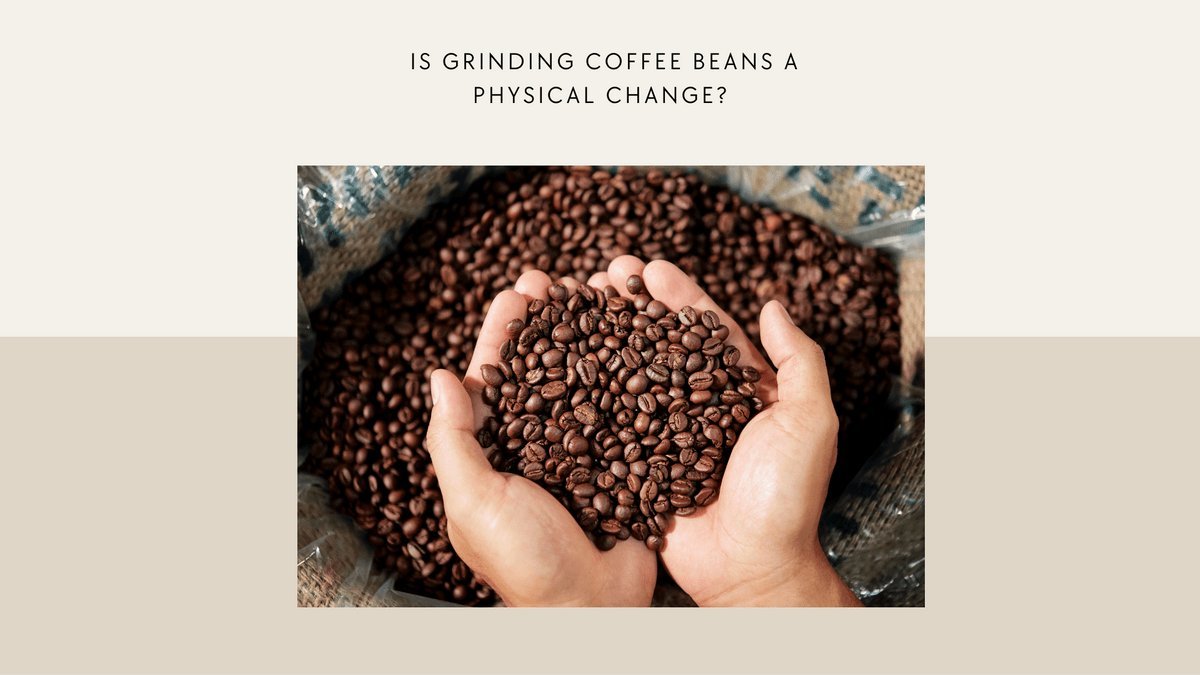
No, grinding coffee beans isn’t a chemical change because it only alters the physical size and shape of the coffee particles. The chemical identity of the coffee remains the same, so the idea that grinding coffee beans is a chemical change is a false premise.
Fast facts about coffee grinding
- Grinding is a physical process that breaks whole beans into smaller fragments to increase surface area.
- Chemical changes require the creation of new substances, which doesn’t happen during simple mechanical grinding.
- You should grind beans immediately before brewing to prevent rapid loss of volatile aromatic oils.
- If you notice a change in color or smell, that’s usually oxidation from air exposure, not a result of the grinding itself.
- The ideal grind size depends on your brewing method; use coarse for French press and fine for espresso.
- Consistent particle size is key for even extraction; if your grinder produces dust and boulders, your coffee will taste bitter and sour at the same time.
Why physical changes differ from chemical ones
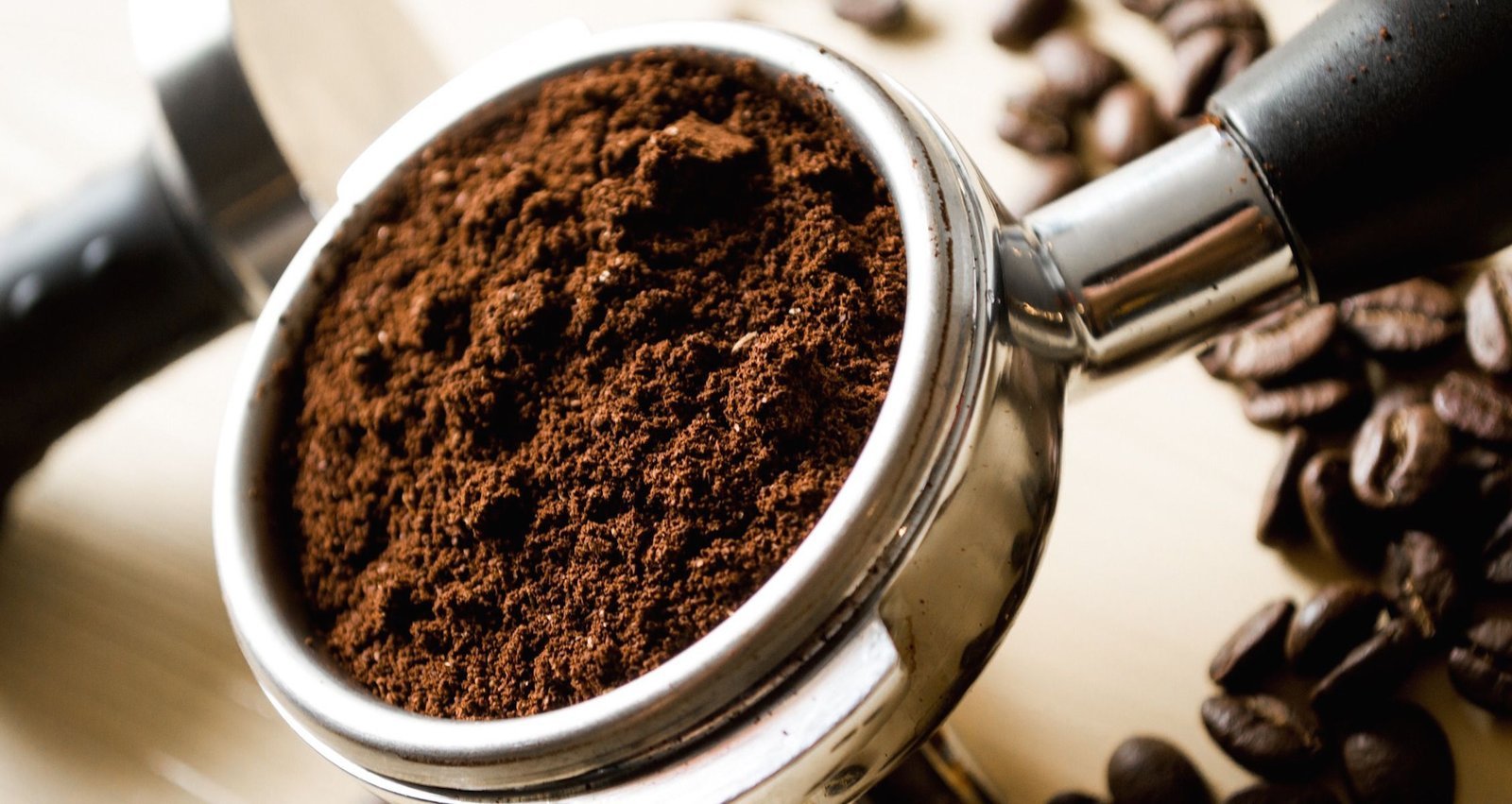
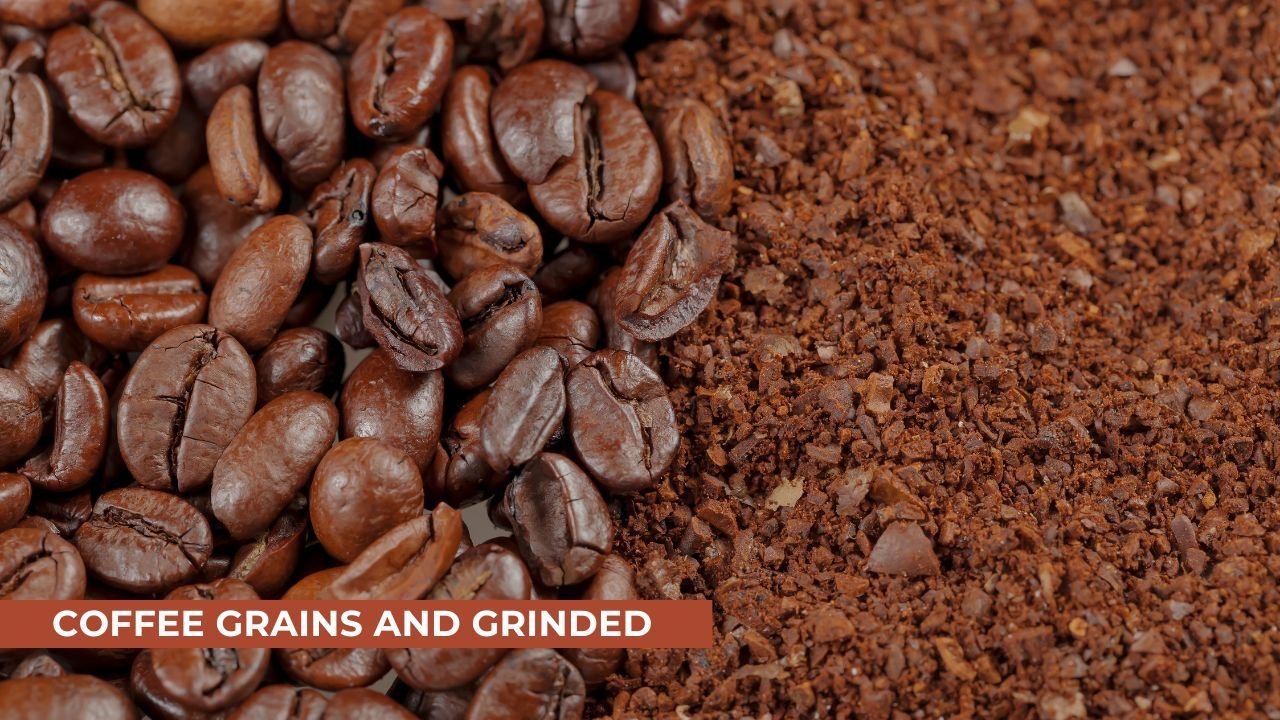
Physical changes involve a transition in the state or appearance of matter without changing its molecular composition. When you crush a coffee bean, you’re applying mechanical force to overcome the structural integrity of the cell walls. The chemical compounds inside—such as caffeine, acids, and oils—remain chemically identical to those found in the whole bean. You have simply increased the total surface area, which allows water to extract these compounds more efficiently during brewing.
A chemical change, by contrast, involves the breaking and forming of bonds to create entirely new molecules. This happens during the roasting process, where heat triggers the Maillard reaction to develop complex sugars and flavors. Grinding doesn’t provide the energy required to initiate these types of permanent chemical transformations.
When the process results change
| Situation | What changes | What to do instead |
|---|---|---|
| Excessive heat | Flavor profile | Use a burr grinder |
| Long exposure | Oxidation levels | Grind only what’s needed |
| High friction | Bean oil release | Slow your grinding speed |
| Uneven particles | Extraction timing | Clean your grinder burrs |
| Incorrect setting | Brewing flow rate | Adjust the grind dial |
How to grind beans for the best cup
- Select fresh, whole-bean coffee stored in an airtight container away from direct sunlight to maintain the integrity of the beans.
- Choose your brewing device; use a coarse setting for a French press or a fine setting for a standard espresso machine.
- Measure 2 tablespoons of beans for every 6 ounces of water; this is a standard starting point for most home brewing methods.
- Add the beans to your grinder hopper, ensuring the setting dial is locked into the position you chose for your specific brew.
- Pulse or run the grinder until the grounds reach the desired texture; check the feel between your fingers for consistency and size.
- Brew the coffee immediately after grinding, as the increase in surface area makes the grounds highly susceptible to rapid moisture and oxygen absorption.
The mistakes that ruin your grind
- Using a blade grinder instead of a burr grinder leads to inconsistent particle sizes, causing uneven extraction and muddy flavors.
- Grinding too far in advance allows volatile compounds to escape into the air, which leaves your coffee tasting flat and stale.
- Ignoring the cleanliness of your grinder causes old, rancid oils to coat your fresh grounds, giving your cup a bitter aftertaste.
- Running the grinder for too long creates friction heat, which prematurely “cooks” the grounds and alters the intended flavor profile of the roast.
Is grinding coffee beans a chemical change if I use a manual grinder?
No, grinding coffee beans is a physical change regardless of whether you use a manual or electric grinder. The mechanism of applying force to break the bean remains the same, and no chemical bonds are created or broken during the manual process.
Does the smell of coffee change during grinding?
Yes, the smell becomes much stronger because grinding releases trapped aromatic oils from inside the bean. This is a physical release of existing compounds, not the creation of new chemical substances, so the change remains purely physical in nature.
How long does ground coffee stay fresh?
Ground coffee begins to lose its peak flavor within 30 minutes of being ground due to rapid oxidation. For the best result, only grind the amount of coffee you plan to brew immediately, as storage significantly degrades the quality of the grounds.
Does grinding coffee make it lose caffeine?
No, grinding doesn’t cause a loss of caffeine content in your beans. Caffeine is a stable molecule that remains inside the coffee particles until you introduce hot water, which dissolves the caffeine and extracts it into your final brewed cup.
Can I change the chemical composition of coffee by grinding?
No, you can’t change the chemical composition of coffee through grinding alone. You would need to apply significant heat, such as during the roasting process, to trigger the chemical reactions that transform the raw green bean into a flavorful, aromatic roasted bean.
Is it safe to store ground coffee in the freezer?
Yes, you can store coffee in the freezer if it’s in an airtight, moisture-proof container, but it isn’t necessary for short-term use. If you do freeze it, ensure it stays sealed until it reaches room temperature to prevent condensation from forming on the grounds.
What happens if the beans get hot while grinding?
If the beans get hot, you may experience a slight loss of delicate volatile aromas, though the chemical structure remains largely intact. To avoid this, use a high-quality burr grinder that operates at a lower speed to minimize friction and heat buildup.
Properly managing your coffee beans by grinding them just before use ensures that you capture the full range of flavors. By focusing on consistency and timing, you can achieve a professional-quality cup without needing to worry about complex chemistry.
Grinding coffee, in short
Since the beans haven’t changed their makeup, you’re ready to brew a delicious cup. Don’t let the science intimidate you; just focus on your favorite grind size for the best flavor. You’ll find that experimenting with different textures makes a huge difference in your morning routine, so have fun with it!