
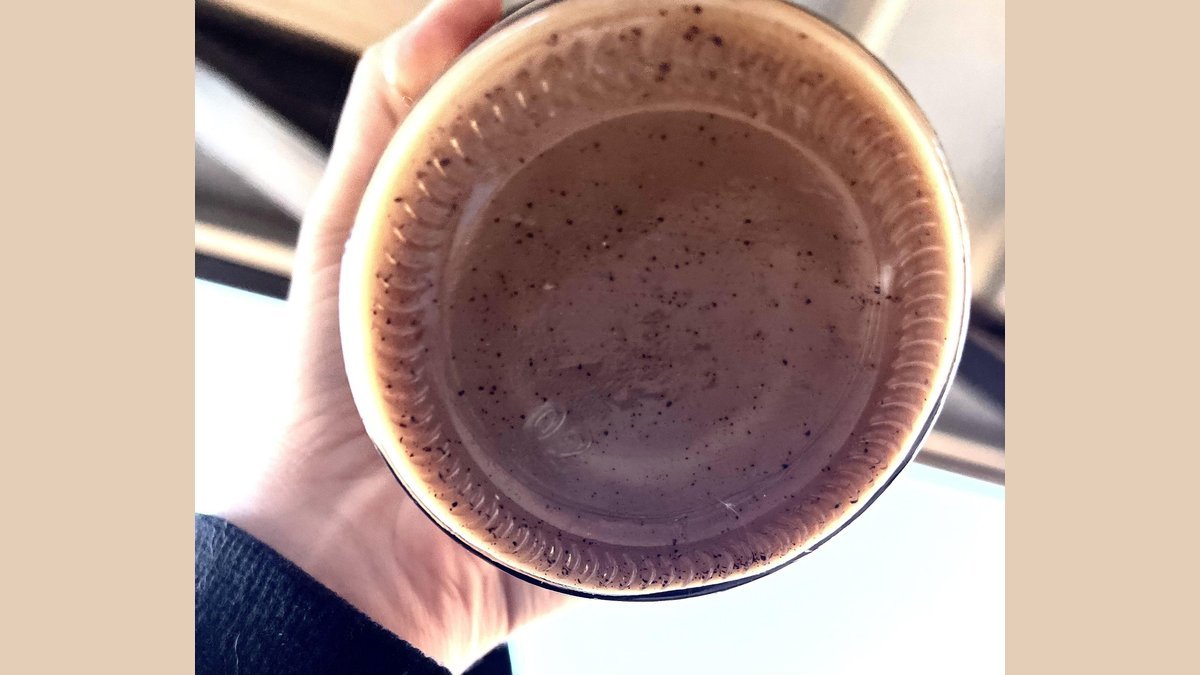
Yes, it’s ok to drink coffee with grounds in it, though you’ll likely find the texture unpleasant and the flavor bitter. Most people prefer to filter them out, but swallowing a few stray particles isn’t a health risk. You should pour your next cup through a fine-mesh sieve or paper filter if you prefer a smooth drink.
When you can drink coffee grounds
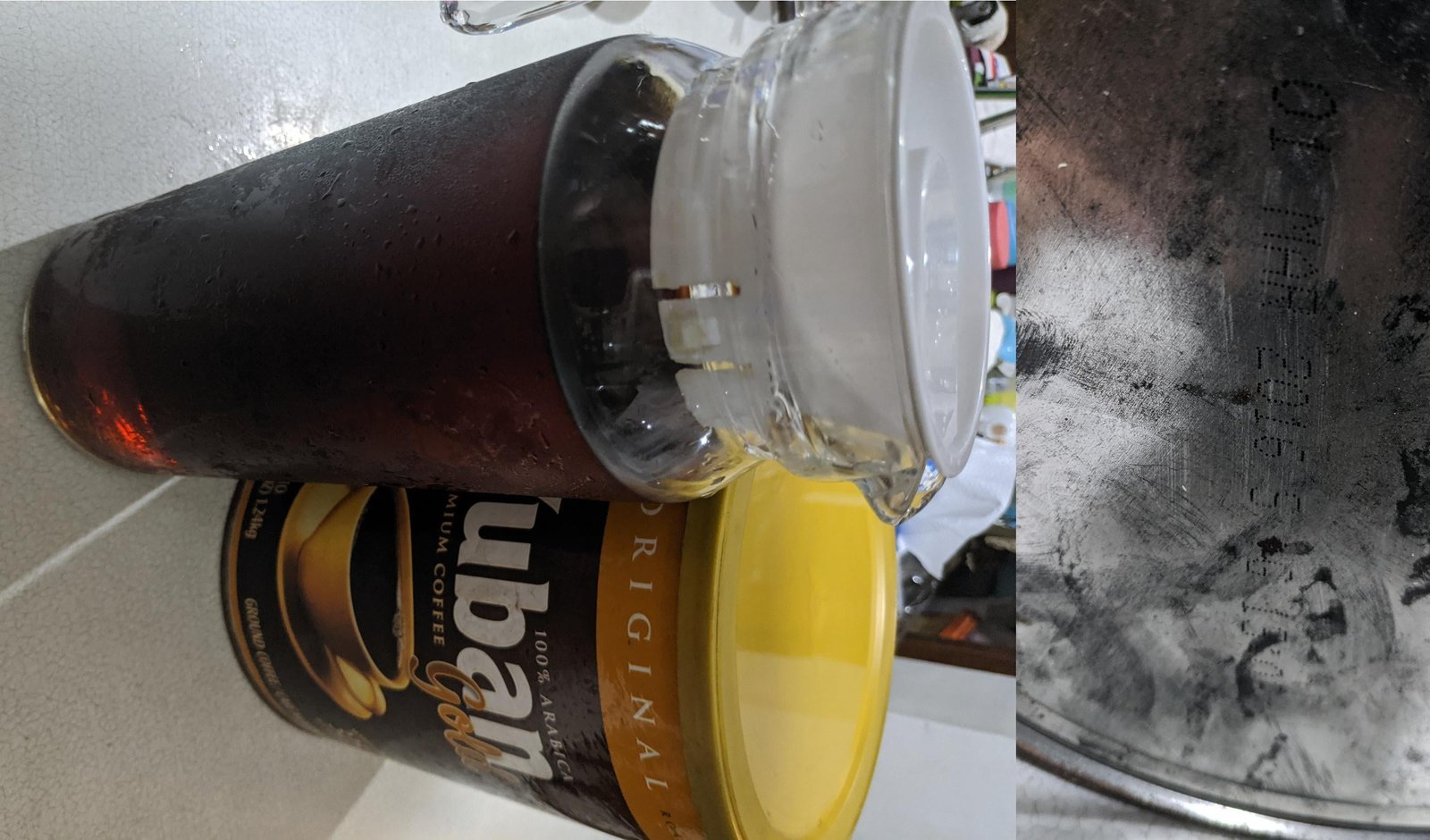
You can decide whether to consume coffee grounds based on your personal preference for texture and the brewing method you used. While some cultures enjoy unfiltered coffee, most modern drinkers find the grit distracting.
| Brewing Method | Grounds Present? | Drinkable? | Why? |
|---|---|---|---|
| French Press | Often some | Yes | Coarse grind is less gritty |
| Turkish Coffee | Always | Yes | Traditional style is unfiltered |
| Drip Machine | Rarely | Yes | Paper filter catches fine particles |
| Espresso | Sometimes | Yes | High pressure can bypass filters |
| Cold Brew | Usually none | Yes | Long steep time settles solids |
| Cowboy Coffee | Common | Yes | Grounds settle at the bottom |
The Role of Extraction and Grind Size
The reason you might find grounds in your cup usually relates to the grind size or the filter quality. If you use a French press, the metal mesh is designed to let some oils and fine particles through, which gives the coffee a heavier body. In contrast, paper filters trap almost all sediment, resulting in a cleaner, lighter cup. Drinking coffee with grounds in it doesn’t cause harm, but the grounds continue to extract flavor as they sit in your hot water. This leads to an increasingly bitter taste if you leave them in the mug for more than 10 minutes. If you use a very fine grind, such as for espresso, the grounds are small enough to pass through many standard filters. If you prefer a grit-free experience, ensure your grind size matches your brewing equipment’s requirements. If the coffee is too bitter, use a coarser grind; if it’s too weak, use a finer grind.
Preparing Filtered Coffee at Home
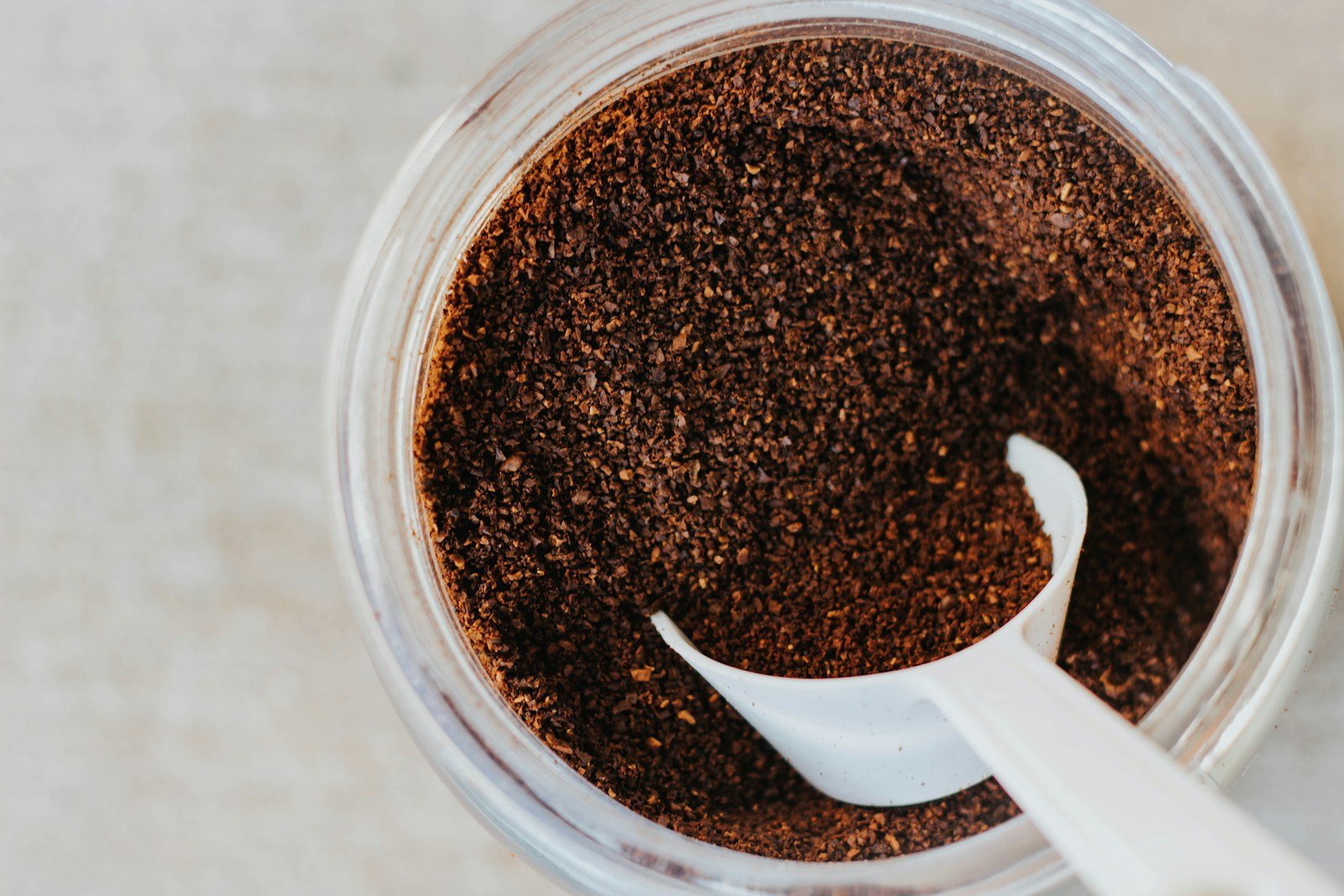
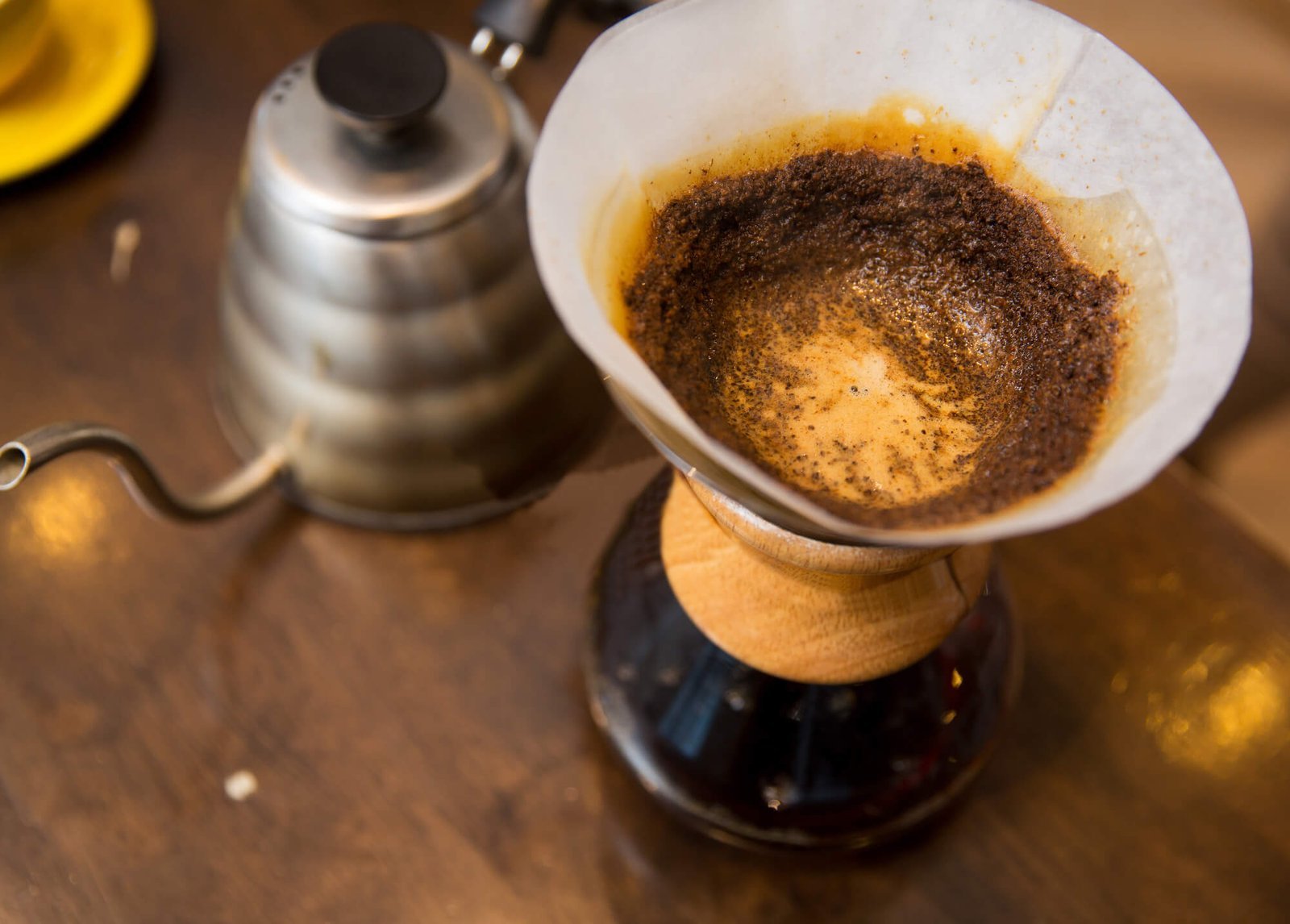
If you decide that you don’t want grounds in your cup, follow these steps to ensure a clean pour. These steps assume you’re using a standard drip or pour-over setup.
- Rinse the paper filter: Place your paper filter in the cone and pour 100 milliliters of hot water through it to remove any paper taste.
- Measure your coffee: Add 15 grams of medium-grind coffee for every 250 milliliters of water.
- Wet the grounds: Pour just enough water to cover the grounds and wait 30 seconds to let them bloom.
- Pour the remaining water: Slowly add the rest of the water in a circular motion to ensure even extraction.
- Check the flow: Wait for the water to finish dripping through the filter before you remove the cone.
- Inspect the cup: Look for any sediment at the bottom of the mug, which indicates a torn filter or an overflow.
The Common Mistake with Sediment
Many people assume that coffee grounds are toxic if swallowed, but this is a kitchen myth. The real cost of leaving grounds in your coffee isn’t your health, but the quality of your experience. When you swallow grounds, you’re consuming insoluble plant fiber that passes through your digestive system without issue, as noted by Harvard T.H. Chan School of Public Health. The mistake is leaving the coffee in the pot with the grounds for too long. This creates a harsh, astringent flavor that ruins the brew’s natural profile. Always decant your coffee into a separate carafe immediately after brewing.
When to Stop and Get Help
- If the coffee machine emits smoke or a burning smell, disconnect it immediately as there’s an electrical fault.
- If you find large pieces of plastic or metal in your cup, stop drinking and contact the manufacturer’s customer service line.
- If you experience persistent stomach pain after consuming large amounts of sediment, consult a medical professional.
Frequently asked questions
Is it safe to drink coffee grounds?
Yes, it’s safe to drink coffee grounds, as they’re simply crushed, roasted coffee beans. They pass through your digestive system like any other fiber-rich plant matter without causing any harm to your body.
Why does my coffee have grit at the bottom?
About 90 percent of grit comes from using a grind that’s too fine for your specific filter type. If you see sediment, try switching to a slightly coarser grind setting on your next attempt.
How do I get the grounds out of my cup?
You can remove grounds by pouring the coffee through a fine-mesh tea strainer or a clean paper filter. This takes about 30 seconds and will remove almost all visible particles from your finished mug.
Does drinking grounds affect digestion?
No, drinking a small amount of grounds doesn’t affect digestion for most people. Because they’re insoluble, they act as dietary fiber, which is generally harmless when consumed in the small amounts found in coffee.
Can I reuse coffee grounds?
No, you can’t reuse coffee grounds because they have already lost their flavor compounds during the first brew. Reusing them will result in a watery, bitter, and unpleasant drink that lacks any real coffee character.
How long can I keep coffee with grounds in it?
You should remove the grounds within 10 minutes of brewing to prevent the flavor from becoming overly bitter. Leaving grounds in hot liquid for longer than this causes over-extraction, which ruins the taste profile.
Drink coffee, in short
To stop the grounds from entering your cup, check your filter for small tears before you start brewing. If you see a hole, replace the filter immediately to avoid a gritty result. If the equipment is damaged, stop using it and contact the manufacturer for a replacement part.