
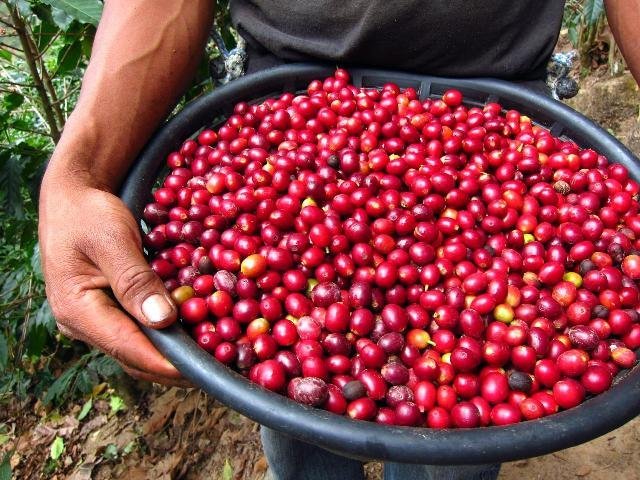
Coffee grounds consist of the insoluble, fibrous remains of roasted coffee beans after hot water has extracted the soluble oils, caffeine, and flavor compounds during the brewing process. What is coffee grounds made of is a question of cellulose, lignin, and residual proteins that survive the extraction of your morning cup.
What coffee grounds are made of
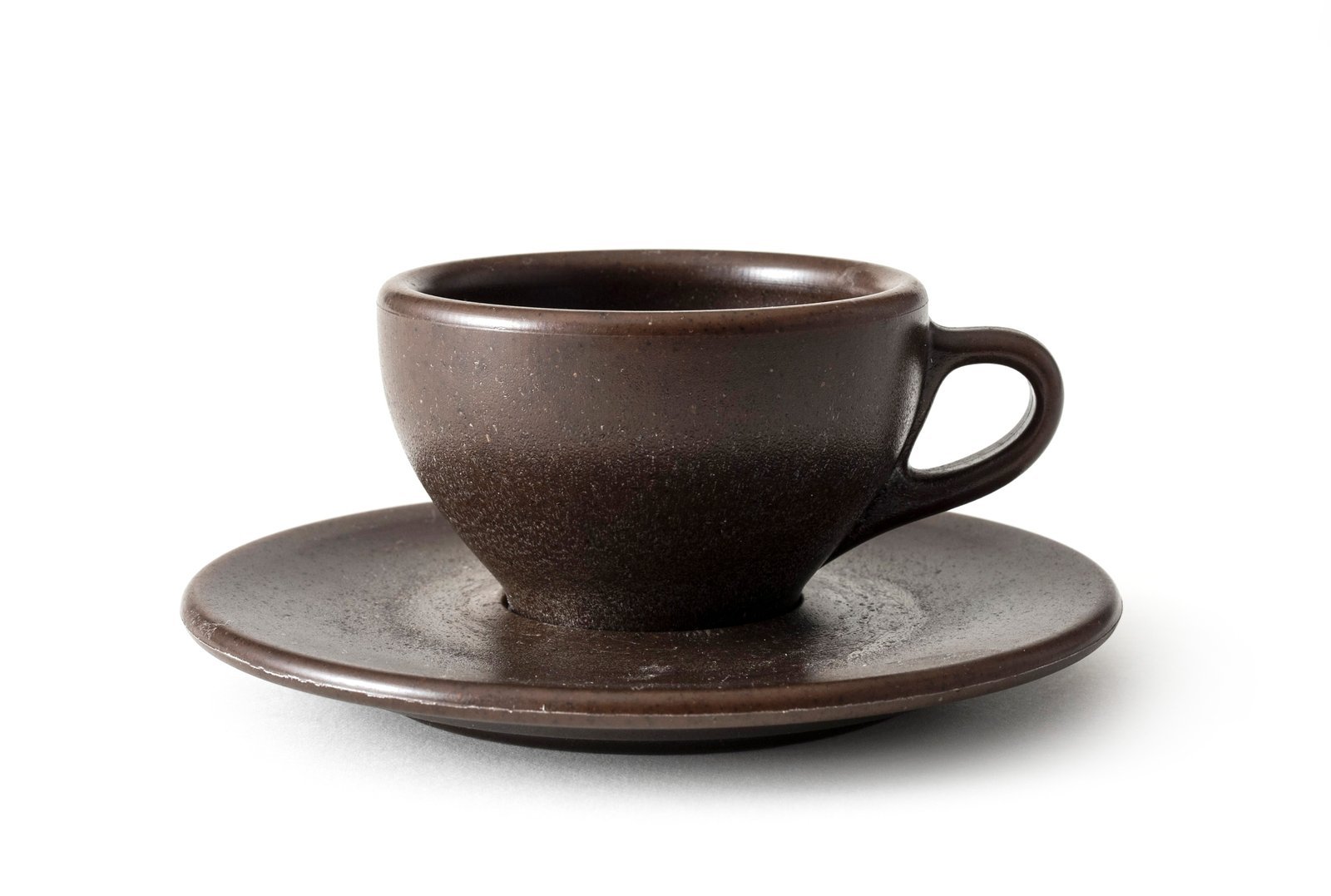
The primary characteristic of spent coffee grounds is their high moisture content, which makes them a magnet for mold if left in a warm, damp environment. You should treat them as perishable organic waste rather than inert material. The most common mistake people make is assuming they’re perfectly sterile after brewing; while the hot water helps, they quickly pick up bacteria from the environment if left out at room temperature for more than two hours.
Preparing grounds for reuse
- Spread the wet grounds on a flat baking sheet in a thin layer, no thicker than half an inch, to encourage even evaporation.
- Place the sheet in a dry, well-ventilated area away from direct sunlight for 24 to 48 hours until they feel completely dry to the touch.
- Store the dried material in an airtight container or a glass jar to prevent moisture absorption, which can cause the grounds to clump or grow mold.
- If you plan to use them in your garden, check the soil pH first, as coffee grounds contain residual acidity that can affect sensitive plants.
Tip: Don’t store damp grounds in a sealed plastic bag, as the trapped moisture will cause rapid decay and foul odors within 24 hours.
Time to process spent grounds

The time needed to prepare coffee grounds for storage depends on your method and the local humidity levels. If you live in a high-humidity area, you’ll need to extend the drying time to ensure all water is removed, as any remaining moisture leads to spoilage.
| Method | Estimated Time | What changes it | What to watch for |
|---|---|---|---|
| Air drying | 24–48 hours | Air humidity | Visible mold growth |
| Oven (lowest setting) | 30–60 minutes | Oven power | Burning or smoke |
| Dehydrator | 4–6 hours | Machine capacity | Even crisp texture |
If the grounds still feel cool or damp after the suggested time, continue the process; using them while wet often results in clumping and unwanted rot in storage.
Signs of safe material
You can identify high-quality, safe-to-use coffee grounds by their dark, crumbly texture and a mild, toasted aroma. If you notice a sour, fermented, or musty smell, the grounds have begun to decompose and should be discarded. If you’re ever in doubt about the safety of your materials, it’s better to toss them into the compost bin than to risk using them in a way that could harbor pathogens.
Common mistakes with grounds
- Storing damp grounds: Keeping wet grounds in a closed container encourages rapid mold growth, which ruins the batch and creates an unpleasant odor. Always ensure the grounds are bone-dry before sealing them in a jar for long-term storage.
- Applying too much to soil: Adding a thick, wet layer of grounds directly to garden soil can create a crust that blocks water and air from reaching plant roots. Spread them thinly and mix them into the top layer of soil to ensure proper aeration for your plants.
- Ignoring acidity levels: Many people assume grounds are neutral, but they retain some acidity that can harm acid-sensitive plants like lavender or rosemary. Test your soil’s pH before adding large quantities, or use them primarily on acid-loving plants like hydrangeas or blueberries.
Frequently asked questions
Can I use old coffee grounds for plants?
Yes, you can use them as a soil amendment, but only after they have been dried to prevent mold. They provide trace amounts of nitrogen, though they don’t replace commercial fertilizer. Mix them into your compost pile rather than placing them directly on top of the soil.
How long do dried coffee grounds last?
If you notice an off-smell or any signs of moisture, discard them immediately. Always keep the container away from heat sources like the oven or a sunny windowsill to maintain their quality.
Is it safe to eat coffee grounds?
No, while they aren’t toxic, they contain high concentrations of caffeine and oils that can cause digestive distress. They’re intended for composting, odor absorption, or cleaning, not for consumption. If a child or pet ingests a large amount, contact a medical professional or a veterinarian.
What happens if I leave coffee grounds in the machine?
They will develop mold and bacteria within 24 hours, especially in a warm, humid kitchen environment. This creates a health risk and can lead to a foul smell that permeates your coffee maker. Always empty the filter basket immediately after brewing to keep your machine clean.
How do I know if the grounds have mold?
Look for fuzzy white, green, or black spots on the surface of the grounds, especially if they have been sitting for more than a day. If you see any discoloration or detect a sharp, sour, or musty odor, the material is contaminated. Don’t attempt to salvage them; throw them away.
Do coffee grounds help with smells?
Yes, they act as a natural deodorizer in refrigerators or trash cans because of their porous structure which captures airborne particles. Place a small, open container of dry grounds in the area you want to freshen. Replace the grounds regularly to maintain their effectiveness in absorbing odors.
Coffee grounds, in short
Using spent coffee grounds is an effective way to repurpose waste, provided you manage the moisture and storage conditions correctly. By keeping them dry and monitoring for signs of spoilage, you can safely use them for gardening or home maintenance tasks.