
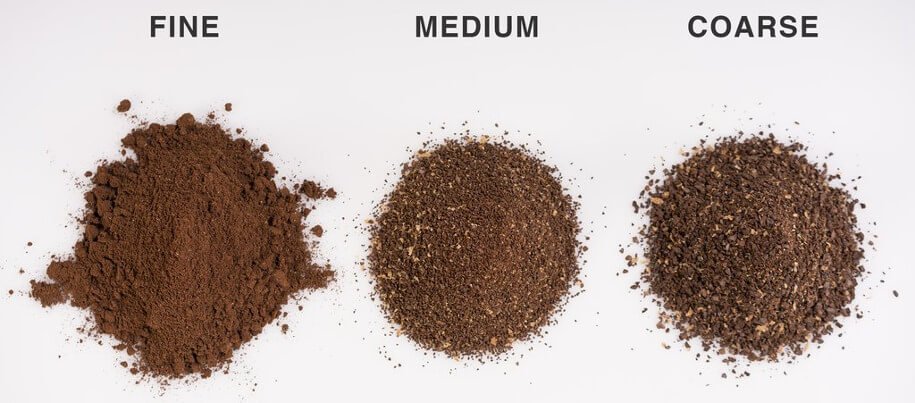
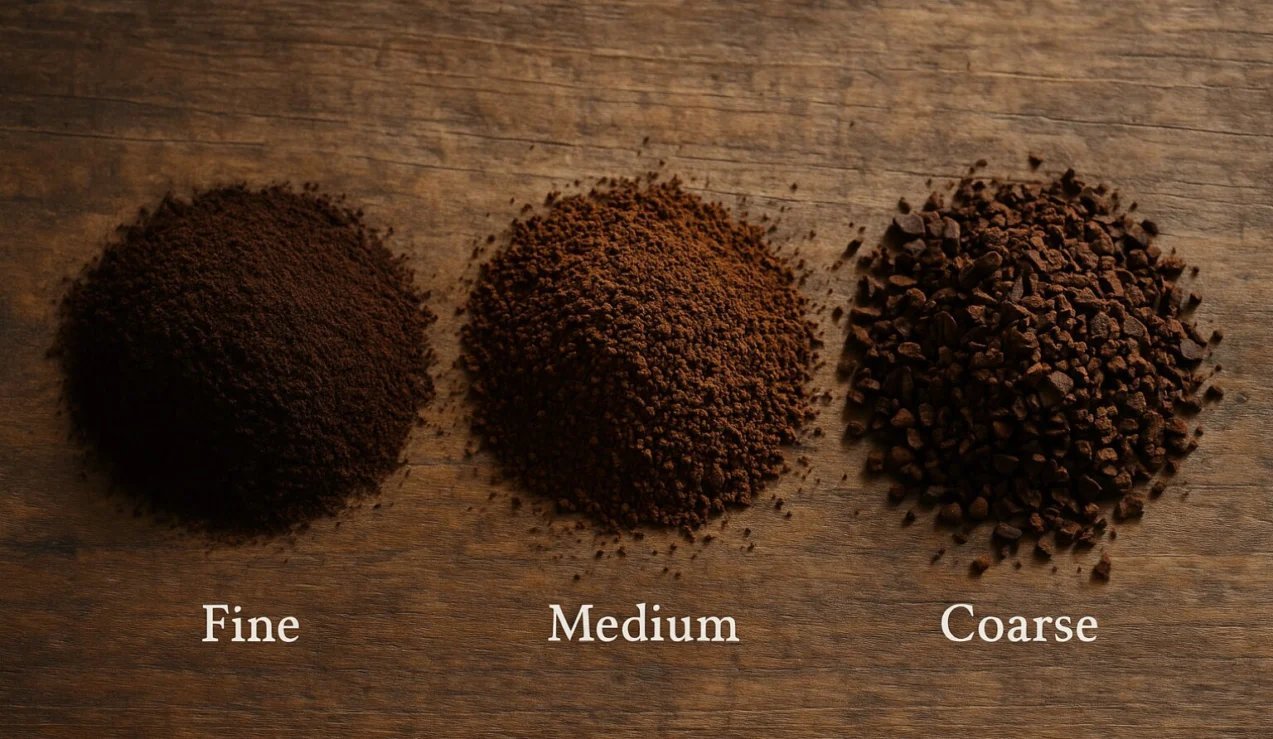
Fine ground coffee is a texture similar to table salt that allows for fast water extraction, making it the standard choice for espresso machines. It has a high surface area that creates resistance, which is necessary to build pressure during the brewing process.
Essential facts about grind size
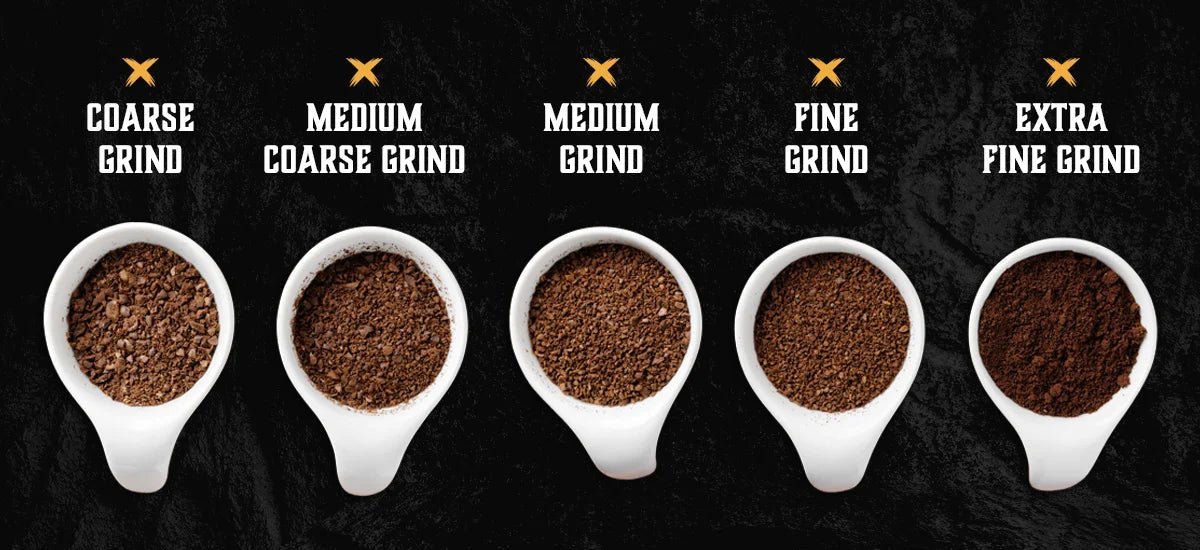
- Fine grounds feel like smooth sand between your fingers and don’t hold their shape when squeezed.
- Use this grind for machines that push water through coffee quickly, such as pump-driven espresso makers.
- If you use fine grounds in a French press, the coffee will become muddy and difficult to filter through the mesh.
- A consistent grind size ensures that every particle extracts at the same rate, preventing bitter or sour cups.
- Adjust your grinder settings toward the coarser side if your shot pulls in under 20 seconds.
- If your machine chokes or drips slowly, move the setting toward a slightly coarser, less dense grind.
Why particle size dictates flavor
The physics of coffee brewing relies on the ratio of surface area to volume. When you grind beans into a fine powder, you expose more cellular material to the hot water. This allows the water to dissolve solids and oils rapidly. If the grind is too large, water flows past the particles too quickly, resulting in a thin, sour beverage because the inner compounds never had time to release. If the grind is too fine, the water stays in contact with the coffee for too long, pulling out harsh, astringent compounds that create a bitter taste. Consistent particle size is the primary factor in coffee extraction quality, which is why home baristas invest in burr grinders rather than blade models. A burr grinder crushes beans to a uniform size, whereas blade grinders create a mix of dust and large chunks. This variation causes uneven brewing, where some parts of the bed are over-extracted and others are barely touched by the water.
When the grind needs adjustment
| Situation | What changes | What to do instead |
|---|---|---|
| Espresso pulls too fast | Needs more resistance | Use a finer setting |
| Machine doesn’t flow | Needs less resistance | Use a coarser setting |
| Coffee tastes very bitter | Over-extracted compounds | Use a coarser setting |
| Coffee tastes very sour | Under-extracted compounds | Use a finer setting |
| Using a paper filter | Needs faster flow | Use a medium grind |
How to use fine grounds effectively
- Measure 18 grams of fresh, whole-bean coffee for a standard double espresso shot to ensure enough mass for the basket.
- Set your burr grinder to the fine setting recommended by the manufacturer; this varies by model, so check the label.
- Grind the beans directly into your portafilter basket, ensuring the pile is level to prevent uneven water flow or channeling.
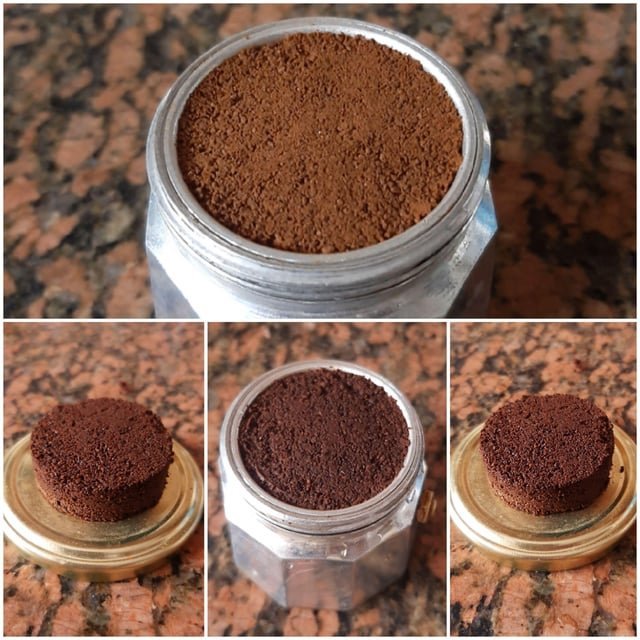
- Apply 30 pounds of pressure with your tamper to create a flat, firm puck that resists the incoming water stream.
- Lock the portafilter into the group head and start the pump immediately to prevent the dry grounds from burning.
- Aim for a total extraction time of 25 to 30 seconds, observing a steady, honey-like stream from the spouts.
- Check the puck after brewing; it should be firm and dry, indicating that the water passed through evenly.
The mistakes that ruin it
- Grinding the entire bag at once causes the coffee to lose its aroma and flavor profile within hours due to oxidation.
- Leaving grounds in the hopper overnight allows them to absorb moisture and odors from the kitchen, which ruins the espresso.
- Using a “fine” setting that’s actually too coarse results in a watery shot that lacks the expected thick crema.
- Failing to clean the grinder allows old, stale oils to mix with fresh grounds, creating a rancid aftertaste.
Frequently asked questions
Can I use fine ground coffee in a drip machine?
No, using fine grounds in a drip machine will likely cause the water to back up and overflow the basket. Drip machines require a medium grind to allow water to pass through the bed at the intended speed for proper flavor balance.
How long does fine ground coffee stay fresh?
Fine ground coffee begins to lose its peak quality within 15 to 30 minutes after grinding because of the massive increase in surface area. Always grind your beans immediately before you start the brewing process for the best results.
Is fine ground coffee the same as espresso grind?
Yes, they’re the same thing, as espresso machines require the high resistance provided by a fine, sand-like texture. If you buy pre-ground coffee labeled for espresso, it’s already processed to this specific fine level for your machine.
What happens if the grind is too fine for my machine?
Your machine will struggle to push water through the dense puck, leading to a very slow or stalled extraction. This usually results in a bitter, burnt-tasting shot because the water spends too much time in contact with the coffee particles.
Does it matter if I use a blade grinder?
Yes, it matters because blade grinders produce an uneven mix of fine dust and large boulders. This inconsistency means your espresso will be simultaneously sour from the large chunks and bitter from the dust, making it impossible to balance.
How do I know if my grinder is set correctly?
You know it’s correct when the espresso flows like warm honey for 25 to 30 seconds. If the flow is faster, go finer; if the flow is slower or stops entirely, go coarser until you reach that ideal time range.
What is fine ground coffee, in short
Choosing the right grind size is the most important step in making a high-quality cup of coffee at home. By matching your grind to your brewing method and adjusting based on the flow rate of your machine, you can control the flavor and strength of every shot you pull.