
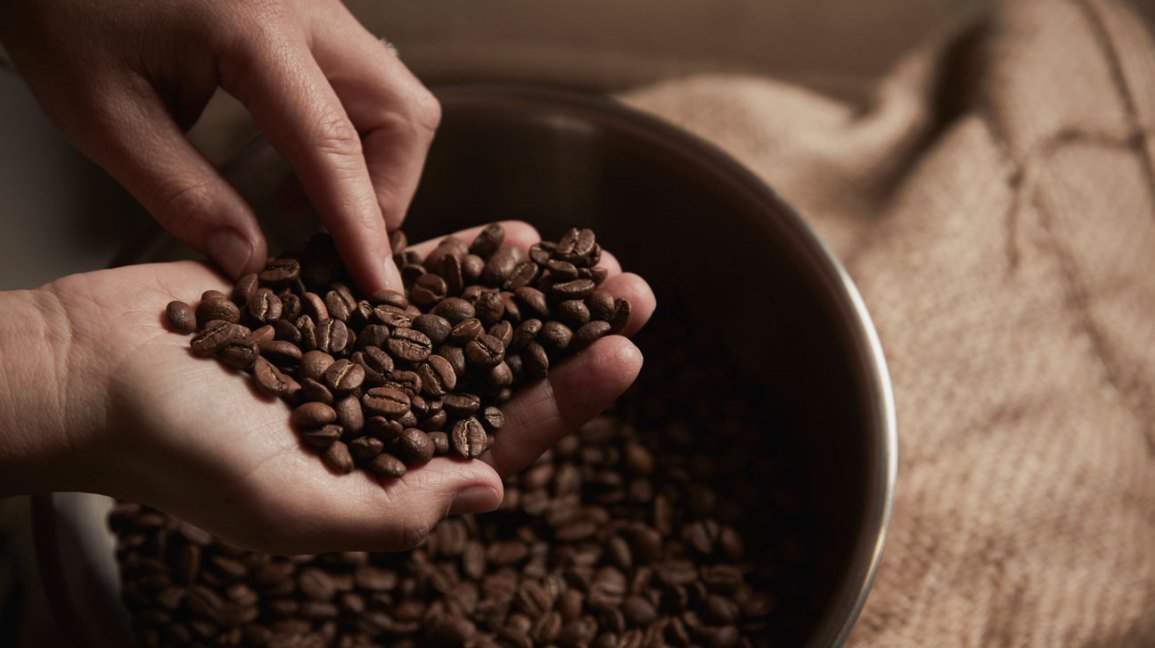
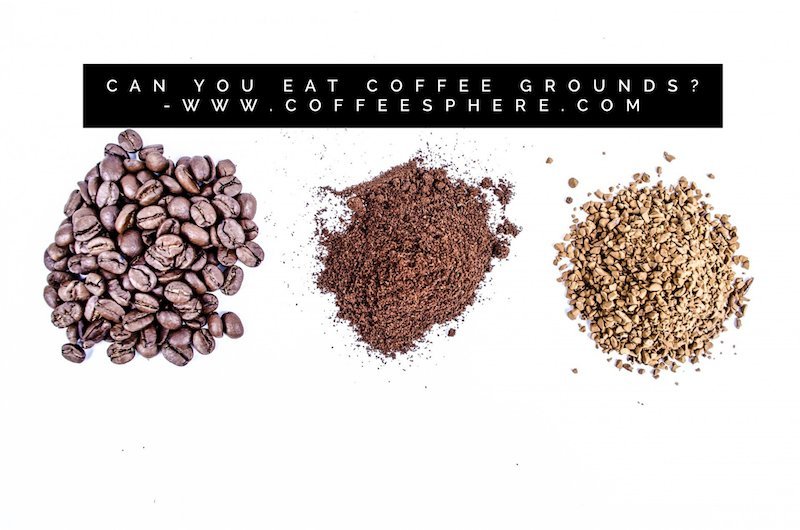
Yes, it’s safe to eat ground coffee in small amounts, provided you understand that consuming raw grounds delivers a much higher concentration of caffeine than a brewed cup. Eating large quantities can lead to jitteriness, digestive distress, or an irregular heartbeat due to the sudden caffeine spike.
Ground coffee consumption safety
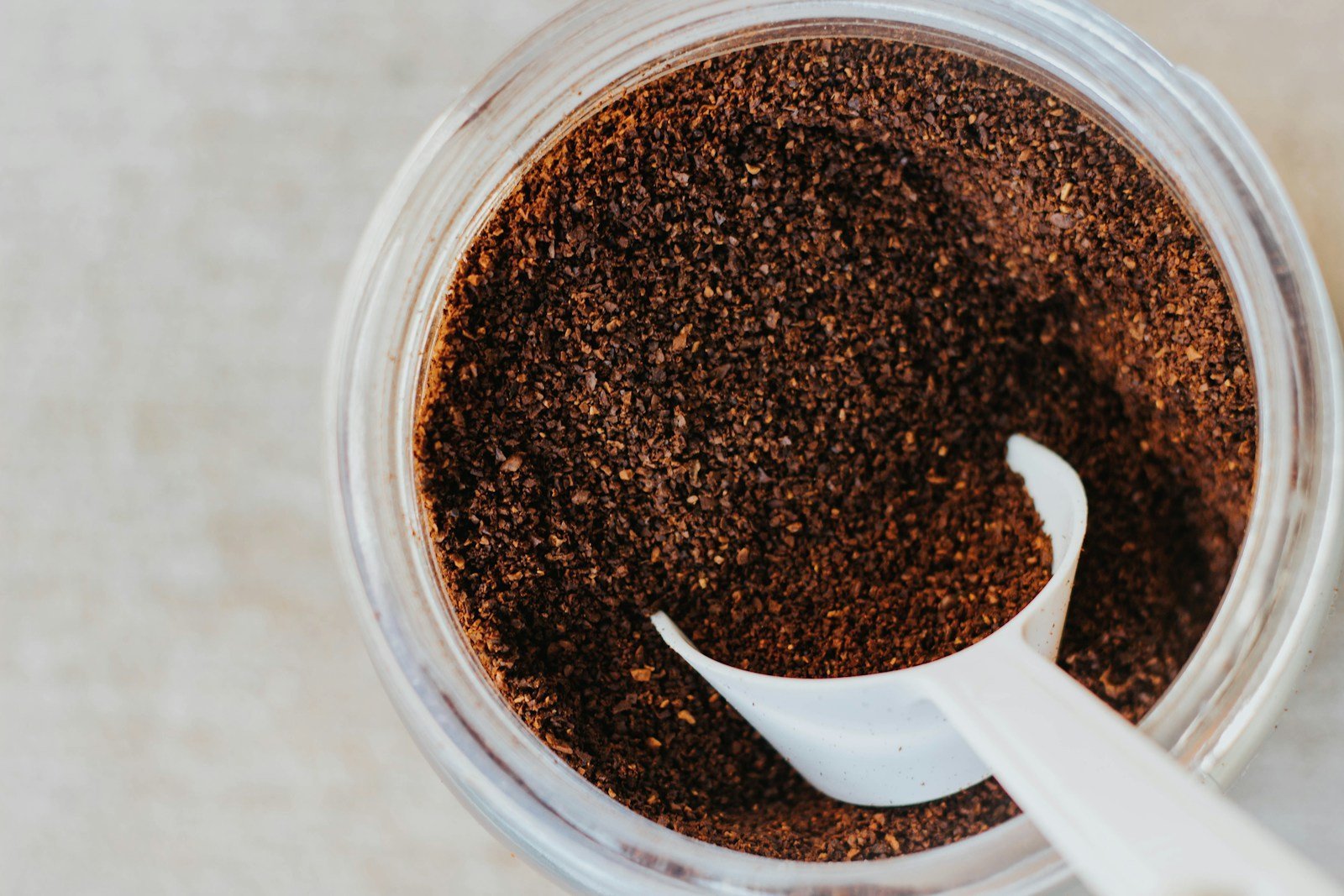
| Situation | Safe? | Why |
|---|---|---|
| Small amounts in food | Yes | Diluted by other ingredients |
| Eating a spoonful | With care | High caffeine concentration |
| Eating daily | With care | May cause sleep disruption |
| Decaffeinated grounds | Yes | Very low caffeine content |
| Eating expired grounds | No | Potential for mold or rancidity |
| Consuming whole bags | No | Risk of caffeine toxicity |
Understanding the risks of raw grounds
The primary risk when consuming coffee grounds is caffeine toxicity, which occurs when the body processes more stimulant than it can handle safely. According to the FDA’s guidance on caffeine, healthy adults generally tolerate up to 400 milligrams of caffeine daily, which is roughly equivalent to four or five cups of coffee.
If you consume grounds directly, you bypass the dilution process, making it very easy to exceed these limits unknowingly. High doses of caffeine can trigger rapid heart rate, insomnia, and severe anxiety. If you have a heart condition or are sensitive to stimulants, you should avoid eating grounds entirely. The risk isn’t just the caffeine; grounds are also highly acidic and can irritate the stomach lining, leading to heartburn or nausea. Always check your specific medical history or consult a doctor if you’re unsure about your personal caffeine tolerance levels.
Signs to stop immediately
- Rapid or fluttering heartbeat: This is a primary sign of excess caffeine intake.
- Involuntary muscle tremors: Shaking hands or limbs indicate your nervous system is overstimulated.
- Severe stomach cramps: The high acidity of the grounds may be irritating your digestive tract.
- Sudden dizziness: This can be a reaction to a sharp spike in blood pressure.
- Excessive sweating or flushing: Your body is struggling to regulate its response to the stimulant load.
If you experience these symptoms, stop consuming the product immediately and drink water to stay hydrated. If symptoms persist or become painful, seek medical attention.
How to use grounds safely
- Measure your portions: Use no more than one teaspoon of grounds if adding them to a recipe like a dry rub or chocolate bark.
- Mix with food: Never eat grounds on their own; always incorporate them into a larger meal to help slow the absorption of caffeine.
- Check the roast: Darker roasts often have slightly less caffeine by volume than light roasts, though the difference is minimal for small servings.
- Monitor your total intake: If you eat coffee-infused foods, skip your morning espresso to ensure you stay under your daily caffeine limit.
- Use fresh product: Only use coffee that’s within its best-before date to ensure there’s no mold or oxidation present in the beans.
- Test your tolerance: Start with a tiny pinch to see how your stomach reacts before using a full teaspoon in a recipe.
What to do if you overindulge
If you have eaten too much ground coffee, the most important step is to drink plenty of water to help your kidneys flush the caffeine. Stay calm, as panic can increase your heart rate and make the symptoms feel worse. If you notice severe chest pain, extreme difficulty breathing, or persistent vomiting, contact emergency services immediately, as these are signs of dangerous caffeine toxicity. Don’t attempt to take home remedies or other stimulants. For most people, the effects will subside within a few hours as the body naturally metabolizes the caffeine.
Frequently asked questions
Can I eat coffee grounds for energy?
Yes, you’ll get a significant energy boost because the caffeine is absorbed directly, but it’s much more intense than drinking brewed coffee. Use extreme caution, as the lack of dilution makes it very easy to consume a dangerous amount of caffeine quickly.
Is it safe to eat used coffee grounds?
No, you should avoid eating used grounds because they’re damp and provide a perfect environment for mold and bacteria to grow. Once coffee is brewed, it should be discarded rather than consumed, as the risk of foodborne illness increases significantly after the grounds have cooled.
How much caffeine is in a teaspoon of grounds?
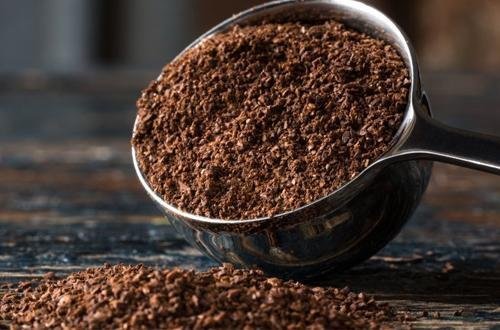
A single teaspoon of ground coffee contains approximately 50 to 100 milligrams of caffeine, depending on the bean type and roast. This is roughly equivalent to one standard cup of brewed coffee, so treat every spoonful as if you’re drinking an entire cup of coffee.
Does eating grounds help with digestion?
No, eating grounds doesn’t help with digestion and is more likely to cause irritation or acid reflux. While some people believe the fiber content is beneficial, the high acidity and stimulant concentration often outweigh any potential minor fiber benefits, especially for those with sensitive stomachs.
What happens if a child eats coffee grounds?
Children are much more sensitive to caffeine than adults, and even a small amount of coffee grounds can cause significant distress. If a child has consumed any amount of ground coffee, watch them closely for signs of rapid heart rate or shaking, and contact a poison control center immediately for guidance.
Does the type of bean change the safety?
No, the type of bean doesn’t make it safer to eat, as all coffee beans contain caffeine and acids that can cause issues when consumed in large amounts. Whether you choose Arabica or Robusta, the risk of overstimulation remains the same if you eat the grounds directly.
Can I put grounds in a smoothie?
Yes, you can add a small amount of grounds to a smoothie, but ensure it’s no more than one teaspoon per serving. The liquid and other ingredients in the smoothie help dilute the grounds, making them easier on your stomach than eating them dry.
Safe eat, in short
If you’re curious about the taste, try adding a tiny pinch of grounds to your favorite yogurt or a smoothie for a subtle, earthy crunch. It’s a bold way to experiment with flavor, but don’t overdo it. Keep your intake light, and you’ll be fine as you explore new culinary textures.
Related guides