
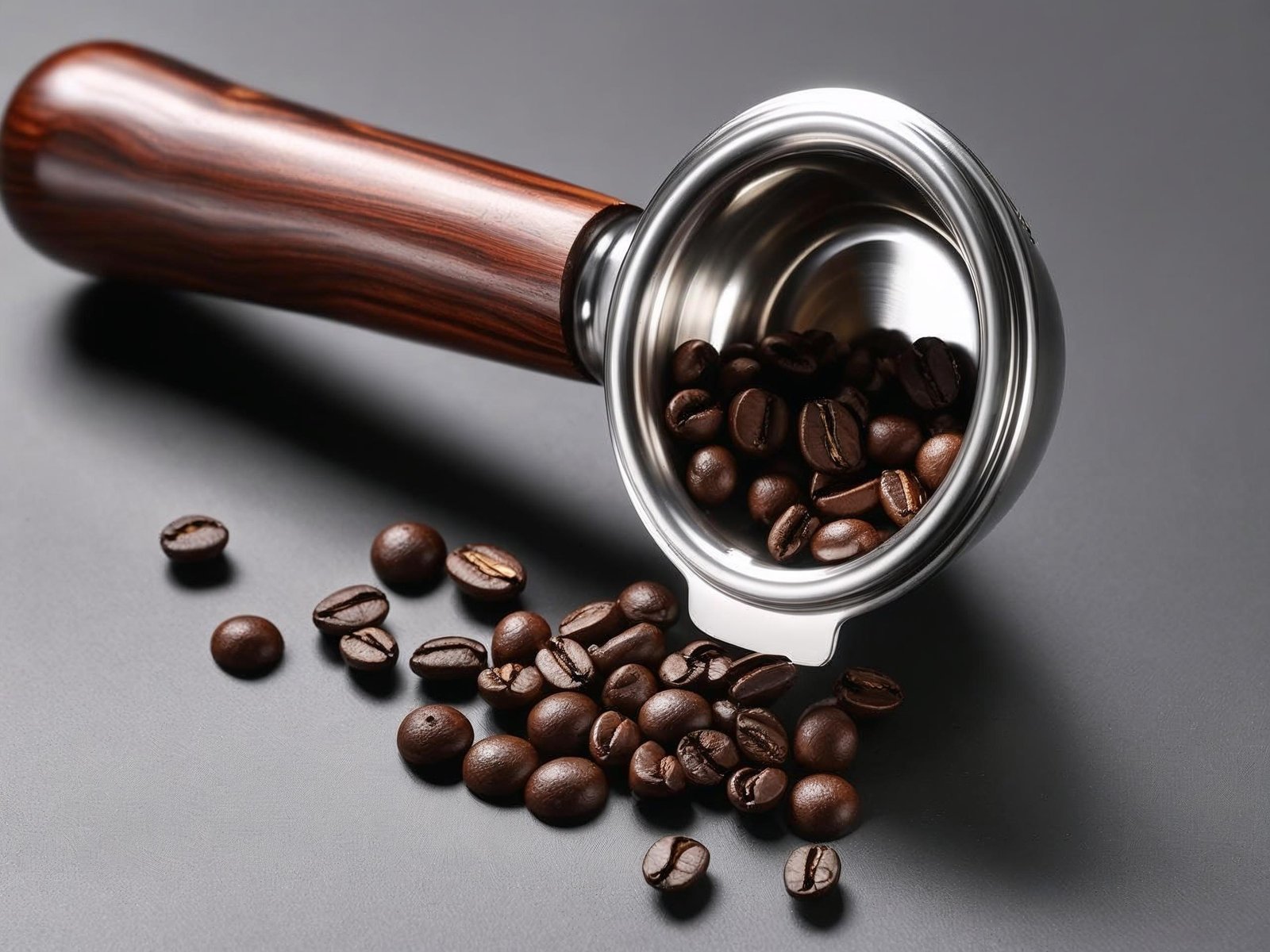
People asking what is ground coffee called will find it’s simply sold as “ground coffee,” while coffee professionals call it “coffee grounds” or the “dry grounds.” After brewing with water, the wet waste left behind is called “spent grounds.”
What Is Ground Coffee Called? Common Terms
Photo: www.firedeptcoffee.com on Google
Dry coffee particles have a few exact names depending on how you use them. Retailers, home brewers, and cafes use different terms for the same roasted bean fragments.
- Ground coffee is the retail product sold in bags or cans before hot water touches it.
- Coffee grounds refers to the actual loose particles, whether they sit dry in a grinder or wet in a filter.
- Coffee bed describes the level layer of dry or wet grounds sitting flat inside your brew basket.
- Spent grounds is the exact term for the wet, used material you throw into the compost bin after brewing.
- Coffee grinds is a common everyday phrase, though professional baristas avoid it because “grind” is technically a verb.
- Coffee chaff refers to the papery skin shed during grinding, not the actual bean particles.
Why Coffee Changes Names After Grinding
Whole coffee beans become ground coffee because crushing them creates surface area. Whole beans lock aromatic oils inside an unbroken cellular structure. Water can’t pull flavor out of an intact roasted bean in under four minutes. Grinding cracks that shell into thousands of tiny pieces, letting water dissolve the soluble solids quickly.
Grinding also starts an irreversible chemical timer. When beans break open, oxygen hits the internal fats immediately, creating rapid staling. Dry coffee remains shelf-stable at room temperature, but its sensory quality degrades quickly once exposed to air.
Other Names for Processed Coffee
Photo: shop.acoffeecalledfolks.com on Google
Store shelves carry several types of processed coffee beans, and using the wrong name can lead to buying the wrong product.
| Situation | What changes | What to do instead |
|---|---|---|
| Instant coffee crystals | It dissolves fully in water | Look for soluble coffee crystals |
| Espresso preparation | The grind is powdery fine | Ask for espresso-grind coffee |
| Unroasted green seeds | Beans are raw and hard | Buy whole green coffee beans |
| Filter drip machines | Needs medium flake sizing | Buy standard regular ground coffee |
| Cold water steeping | Needs coarse rock-salt sizing | Grind beans on coarse setting |
| Single-serve machine pods | Grounds are sealed in plastic | Purchase single-serve coffee capsules |
How to Grind and Handle Coffee Properly
Grinding your own beans gives you much better flavor than buying pre-ground bags. Follow these steps to handle your coffee correctly every morning.
- Measure exactly 30 grams of whole roasted beans on a digital kitchen scale for a standard two-cup brew.
- Check your grinder burrs to ensure no old, stale grounds remain trapped inside the grinding chamber from yesterday.
- Set your burr grinder to medium-coarse, which should look like coarse sea salt under good kitchen light.
- Run the grinder until all whole beans feed through the grinding mechanism completely.
- Tap the side of the catch cup twice to settle the fluffy ground coffee bed before opening it.
- Transfer the grounds into your paper filter immediately, ensuring the dry bed sits completely flat and level.
- Pour 500 grams of hot water heated between 195°F and 205°F evenly over the dry coffee bed.
Grinding Mistakes That Ruin Your Cup
Small errors during the grinding step will ruin the taste of your morning cup. These common mistakes carry direct consequences for your brew:
- Using a cheap blade grinder instead of a burr grinder, which produces uneven dust that makes coffee taste harsh and bitter.
- Storing ground coffee in the refrigerator, where it absorbs food odors and moisture that ruin its natural flavor.
- Grinding beans the night before, which lets oxygen strip away aromatic oils and leaves your morning cup tasting flat.
- Leaving wet grounds in your brewer basket for hours, which causes mold growth and stains your brewing equipment.
Who This Is Not For
This guide isn’t for people who prefer instant coffee crystals. Instant coffee is brewed coffee that was frozen or heat-dried into crystals, so it requires no filters, grounds management, or cleanup.
Decisions and Limits
Here is your basic decision rule: if you use a French press, choose coarse grounds; if you use an automatic drip machine, choose medium grounds. Buying fine espresso-ground coffee for a standard drip pot is a major mistake.
Frequently asked questions
Can you call ground coffee instant coffee?
No, ground coffee can’t be called instant coffee. Ground coffee consists of crushed beans that don’t dissolve in water, while instant coffee is pre-brewed coffee dehydrated into soluble crystals that melt completely in your mug.
What are used coffee grounds called?
Used coffee grounds are called spent grounds. Once hot water extracts the flavor, oils, and caffeine, the leftover wet material contains mostly insoluble cellulose fiber that belongs in a compost bin or garden soil.
Is it coffee grounds or coffee grinds?
Coffee grounds is the correct term for the physical particles. The word “grind” is a verb describing the crushing action, though many people use “grinds” informally in conversation without causing any real confusion.
How long does ground coffee stay fresh?
About one to two weeks in an airtight container at room temperature. After two weeks, exposure to oxygen strips away the delicate aromatic oils, leaving the coffee tasting noticeably stale, flat, and dry.
Does grind size change the coffee name?
Yes, retailers label ground coffee by names like espresso grind, drip grind, or coarse French press grind. These names tell you the particle size, which dictates which brewing gear can safely use the product.
What happens if you eat dry coffee grounds?
Dry coffee grounds won’t hurt you, but they taste very bitter and gritty. Swallowing large amounts can cause mild stomach upset from high acid levels and concentrated caffeine hitting your digestive tract at once.
Ground coffee, in short
Pre-ground coffee gives you convenience, but it trades away long-term freshness because oxygen attacks the broken particles immediately. Keep your dry grounds in an airtight container away from light, match your particle size to your brew method, and dispose of the wet spent grounds right after brewing.