
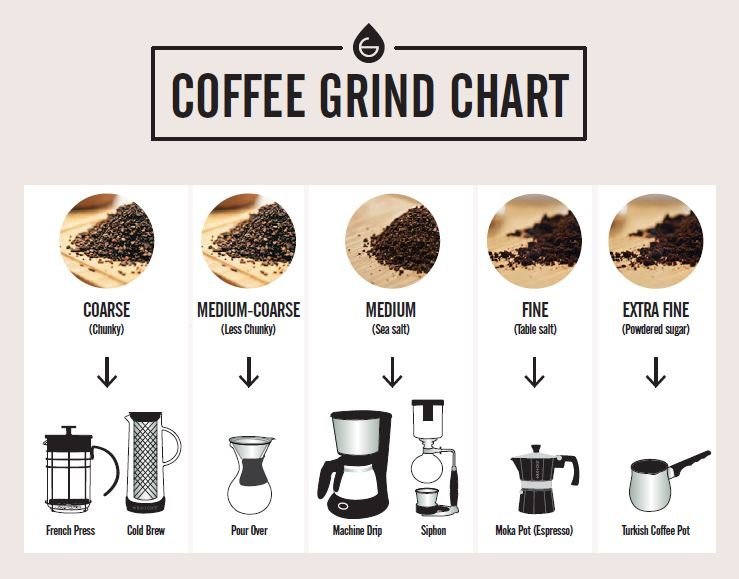
Coffee grounds is the correct term for crushed coffee beans. When deciding between the two, grounds serves as the proper plural noun for the actual particles, while grind is usually an action verb or a description of particle size.
Coffee Ground Terms at a Glance
Photo: kauaicoffee.com on Google
Getting the right word saves confusion when buying supplies, reading recipes, or adjusting equipment. English treats the product and the action differently.
- Use “grounds” when naming the dry pile of crushed coffee or the wet waste left in your filter after brewing.
- Use “grind” as a verb when describing the act of crushing whole roasted beans in a burr or blade grinder.
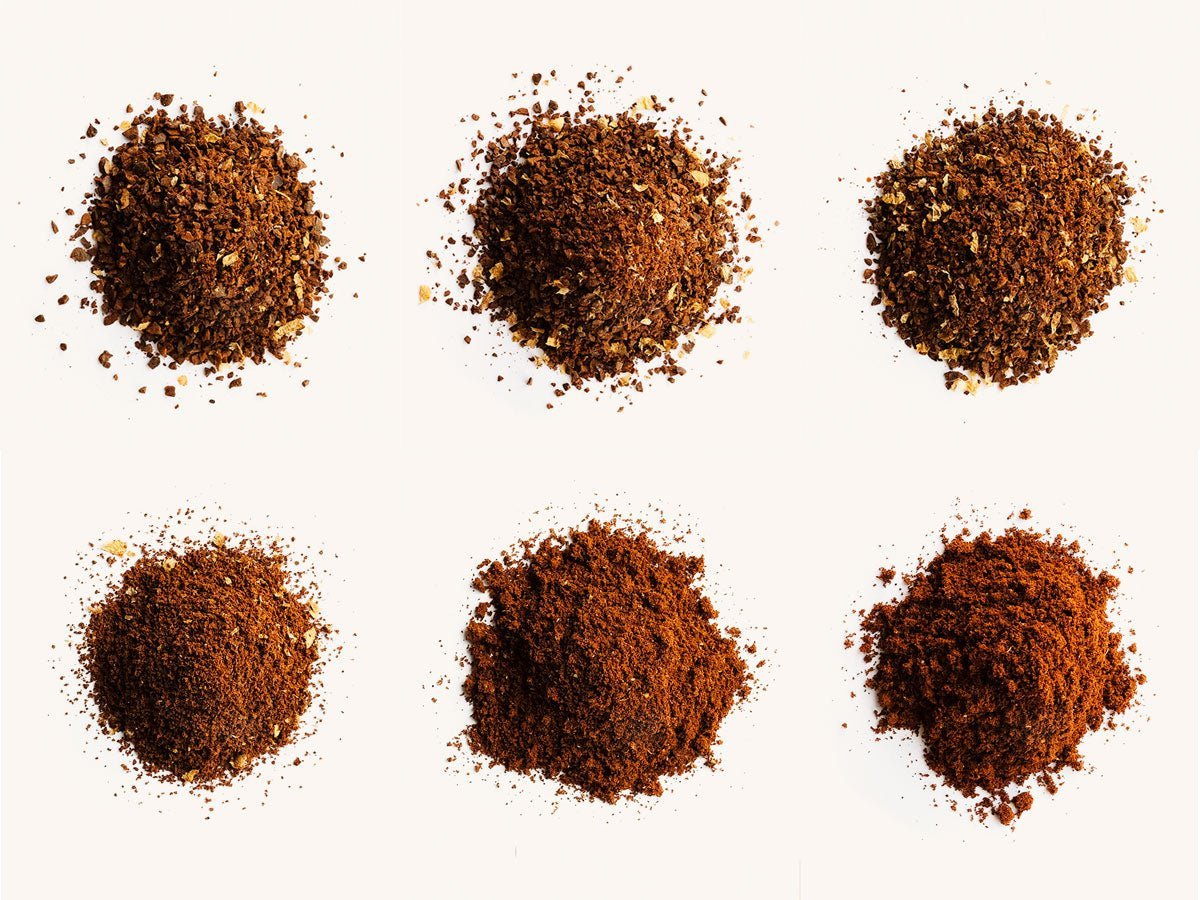
- Use “grind” as a singular noun only to describe the setting or texture size, like a coarse grind or a fine grind.
- Avoid writing “grinds” on labels or menus because professional trade organizations and major dictionaries categorize it strictly as a verb conjugation.
- If you brew pour-over, choose a medium grind; if you pull espresso, pick a fine grind to ensure balanced extraction.
Why Grounds Is the Right Word
English grammar treats coffee after milling as a plural substance noun. The word “ground” is the past participle of “to grind.” English speakers use “grounds” for sediment or small particles.
In contrast, “grind” functions primarily as a verb. When a sentence requires a third-person present verb, “grinds” works correctly, as in “the machine grinds beans.”
How Context Changes the Phrase
Standard kitchen usage stays consistent, but certain contexts shift how you apply these two words.
| Situation | What changes | What to do instead |
|---|---|---|
| Describing particle size | The noun becomes singular | Say coarse or fine grind |
| Machine action in progress | The word acts as a verb | Say the burr grinder grinds |
| Wet coffee in compost | The substance is physical waste | Call them used coffee grounds |
| Buying bagged, pre-milled coffee | The product is already crushed | Look for ground coffee |
| Speaking casually with friends | Informal slang often blurs terms | Use grounds for clarity |
How to Grind Coffee Beans Correctly
Adjusting your machine properly produces consistent grounds that brew clean coffee without bitter flavors or muddy silt.
- Measure 15 to 30 grams of whole beans using a digital kitchen scale to match your specific brewer capacity.
- Check your grinder hopper to make sure it’s completely dry and clear of old bean skins or trapped oils.
- Turn the adjustment collar to coarse for French press, medium for drip filters, or fine for 9-bar espresso machines.
- Run the electric motor for 8 to 15 seconds until all whole beans pass through the cutting burrs completely.
- Tap the exit chute lightly two times to dislodge any retained dry particles clinging to the inner chamber walls.
- Inspect the resulting grounds between two fingers to verify the size matches sea salt for drip or table salt for espresso.
- Transfer the fresh grounds into your brewer within 15 minutes to prevent air exposure from degrading the natural aromatic oils.
Mistakes with Coffee Terms and Sizing
Using the wrong term is harmless in conversation, but applying the wrong concepts to your actual coffee causes noticeable problems in daily brewing.
- Calling your particles “grinds” on retail packaging or specialty menus, which damages professional credibility among experienced roasters and buyers.
- Using fine espresso grounds inside a mesh French press, which clogs the filter screen and forces bitter silt into your mug.
- Leaving damp spent grounds inside a drip basket for 24 hours, which causes mold to grow rapidly across the brew chamber.
- Guessing particle size by eye instead of checking your grinder’s numbered ring, which causes sour, under-extracted coffee from day to day.
For safe gardening, adding large amounts of spent material directly to seedlings can stunt growth by binding soil nitrogen; the Oregon State University Extension Service recommends keeping coffee grounds to no more than 25 percent of your total compost volume. This ensures the organic material breaks down safely without harming sensitive plant roots.
Frequently Asked Questions
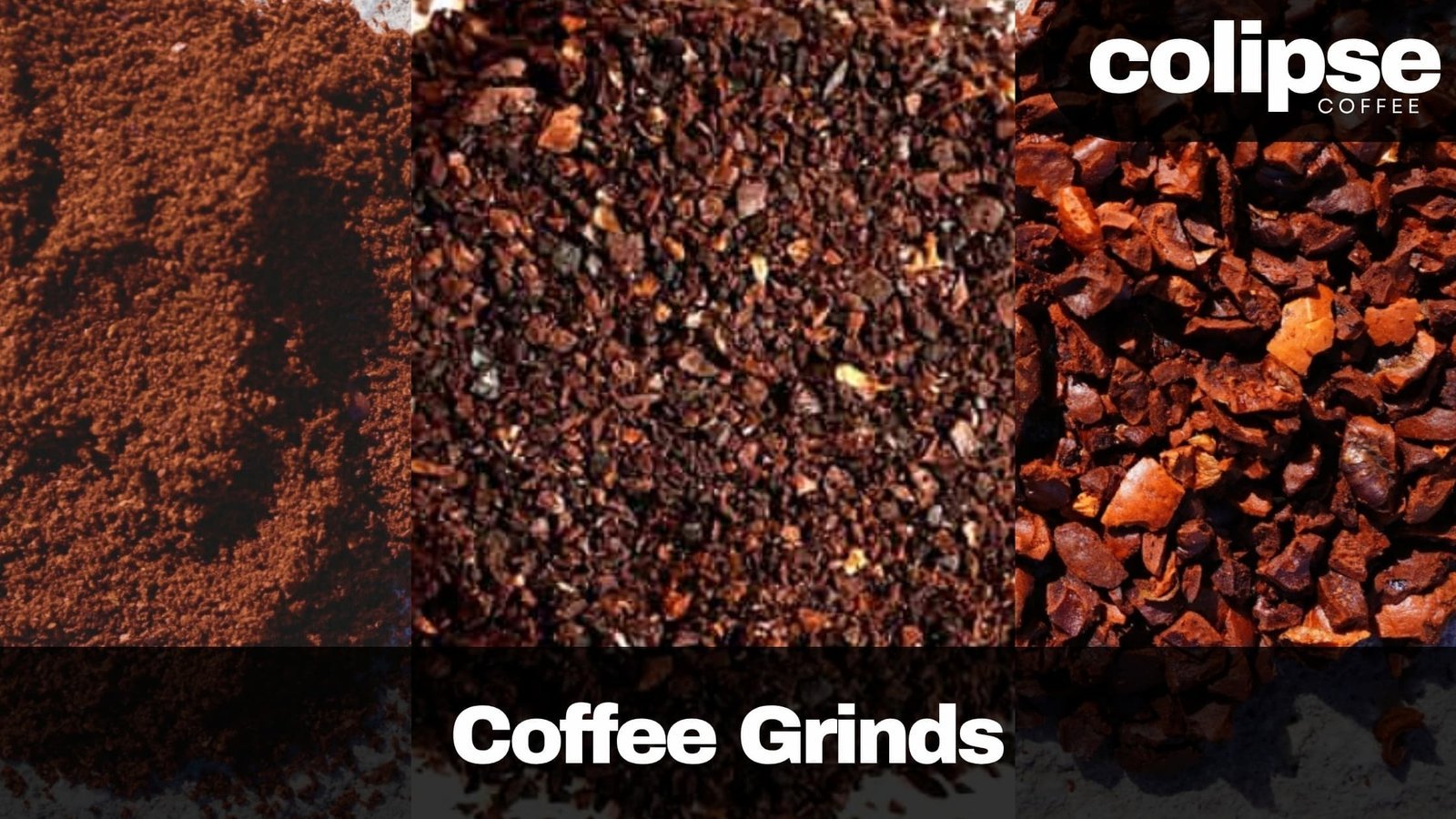
Can you call coffee grounds grinds?
No, calling the physical particles “grinds” is grammatically incorrect in standard English. People might understand your meaning in casual conversation, but “grounds” remains the accurate noun for crushed coffee.
Why do people say coffee grinds?
People say “coffee grinds” because they turn the verb “grind” into a plural noun by mistake. The familiar sound of the action makes speakers assume the crushed particles share that exact name.
Is ground coffee the same as coffee grounds?
Yes, both phrases refer to crushed beans, but “ground coffee” describes unused dry product you purchase. “Coffee grounds” can describe dry coffee ready for brewing or wet waste left inside your filter.
How long do fresh coffee grounds last?
About 7 to 14 days when stored inside an airtight container away from direct sunlight. After two weeks, oxidation removes most delicate aromatic compounds, leaving the brewed cup tasting flat and stale.
What happens if you brew with the wrong grind size?
Your coffee tastes bitter if the particles are too small, or sour and watery if they’re too large. Water extracts compounds too quickly from fine dust and too slowly from large chunks.
Does grind size change caffeine levels?
Yes, finer particles extract slightly more caffeine during brief brewing methods like espresso because greater surface area touches the water. Coarse particles release caffeine much slower, requiring several minutes of immersion time.
Are coffee grounds good for all garden plants?
No, they’re slightly acidic and retain moisture heavily, making them bad for plants that prefer dry, alkaline soil. Always mix them into balanced compost rather than dumping thick layers directly onto garden beds.
Coffee grinds, in short
This guide isn’t for commercial roasting plants using industrial roller mills with micron-level air classifiers. Daily home results vary by model, so check the label and manual on your specific coffee grinder to find its intended dial settings before brewing your next cup.