
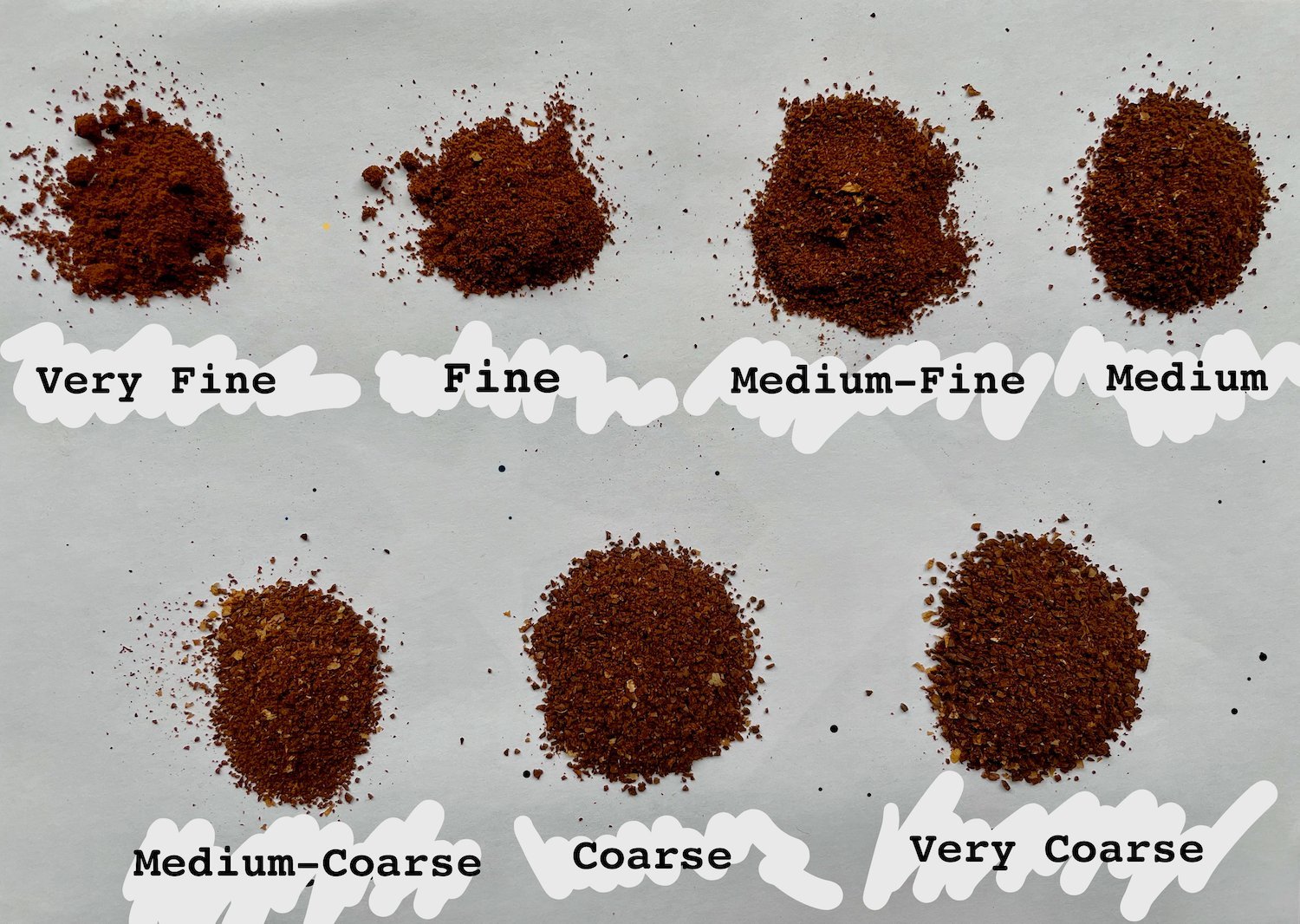
If you are wondering what number is medium grind coffee, most burr grinders use a scale where it falls between 10 and 20. This assumes a standard burr grinder; for blade grinders, you must rely on time instead of a numbered dial.
What number is medium grind coffee?
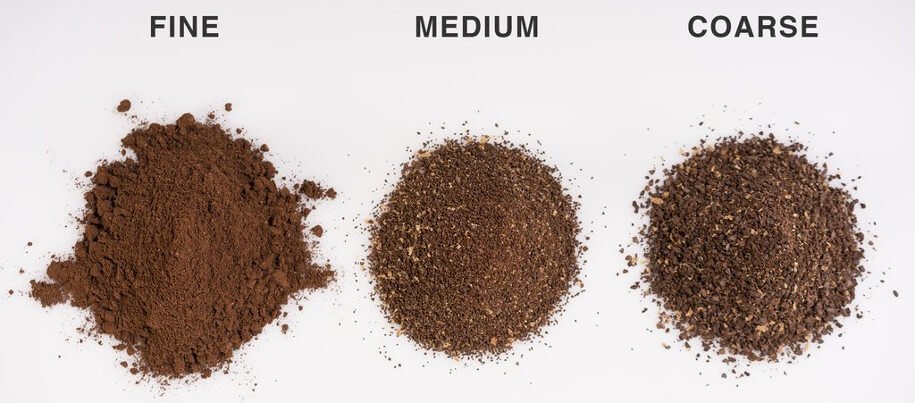
- Set your grinder to the middle of the available range for a standard drip coffee maker.
- Check the manual for your specific grinder, as some brands label “1” as the coarsest setting.
- Aim for a texture similar to sea salt or rough sand when testing the output.
- Adjust the dial by one or two notches if your coffee tastes too bitter or weak.
- Use a consistent setting each time to ensure your brew strength stays the same.
- Clean the burrs once a month to prevent old oils from altering the grind size.
Reasons for grind consistency
Coffee extraction relies on the surface area of the grounds that touches the water. A medium grind provides the right balance for drip machines because it allows water to pass through at a steady rate. If the grind is too fine, the water stays in contact with the beans for too long, leading to a bitter taste. If it’s too coarse, the water flows too quickly, resulting in a sour or watery cup. This varies by model — check the label on your hopper or the user manual for the recommended starting point. The Specialty Coffee Association provides technical standards for coffee brewing that highlight how particle size directly affects the flavor profile in the cup. If your grinder lacks numbers, you should look for the manufacturer’s setting marks, which often show icons like a small bean for fine and a large bean for coarse.
When the answer is different
| Situation | What changes | What to do instead |
|---|---|---|
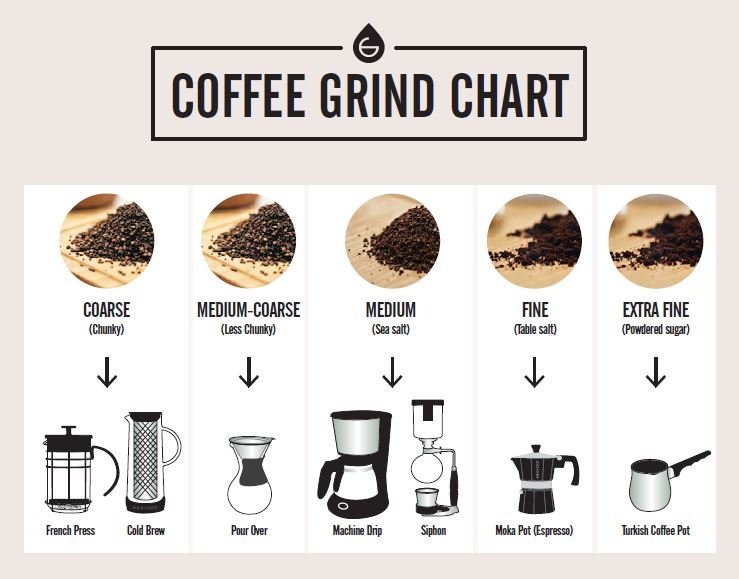
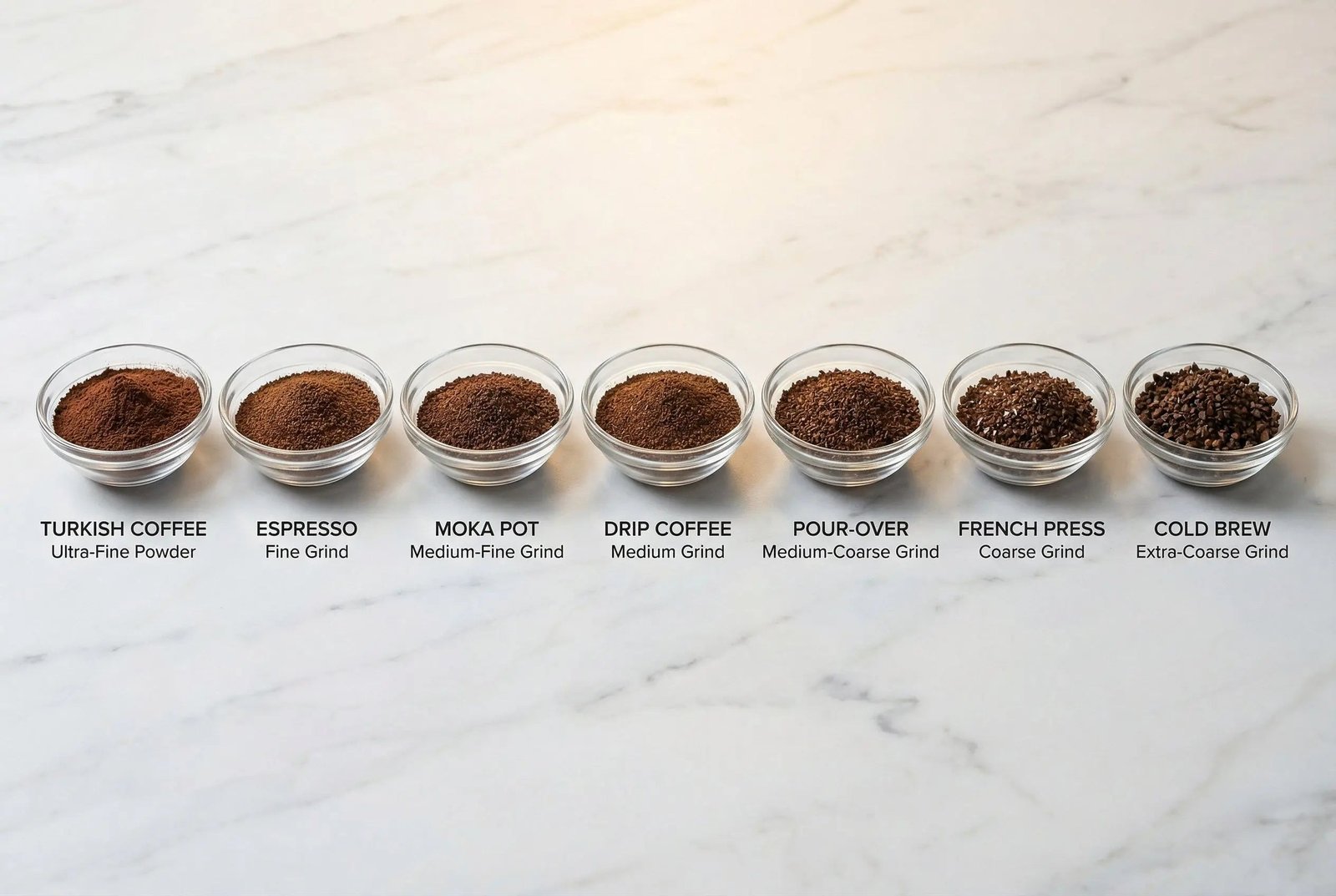
| Espresso machine | Needs finer particles | Use numbers 1 to 5 |
| French press | Needs coarse chunks | Use numbers 25 to 30 |
| Pour over | Needs medium-fine | Use numbers 8 to 12 |
| Blade grinder | No numbered dial | Pulse for 8 to 10 seconds |
| Old burrs | Dull edges crush | Move one step finer |
How to do it properly
- Empty the hopper of any old beans to ensure you aren’t mixing different roast levels or grind sizes in your fresh batch.
- Select the medium setting on your dial; on most modern home grinders, this is exactly the center point of the available range of numbers.
- Add 2 tablespoons of whole bean coffee for every 6 ounces of water you plan to brew, which is the standard ratio for drip coffee.
- Run the grinder for 10 to 15 seconds, or until the beans have fully passed through the burrs into the collection bin below the unit.
- Rub a small amount of the ground coffee between your thumb and finger to ensure it feels like dry, consistent sea salt or sand.
- Brew a test cup using your standard machine settings to confirm the taste is balanced and not overly acidic or bitter before grinding more.
The mistakes that ruin it
- Changing the grind setting while the motor is off can jam the burrs and permanently damage the adjustment mechanism.
- Grinding beans in huge batches leads to stale coffee because the increased surface area makes the grounds lose flavor within minutes.
- Ignoring the manufacturer’s suggested starting number forces you to waste coffee while you try to guess the correct setting.
- Mixing different roast levels in the same grind session causes uneven extraction because lighter beans are harder than darker, oily beans.
Frequently asked questions
Can I use a numbered setting for a blade grinder?
No, blade grinders don’t have numbered settings because they rely on time rather than burr distance. You must pulse the machine for 8 to 10 seconds and manually check the texture, as these units chop beans unevenly compared to burr models.
Why does my coffee taste bitter on the medium setting?
The grind is likely too fine for your specific brewing device, causing over-extraction. Move the dial two numbers toward the coarse side for your next batch to reduce the contact time between the water and the coffee grounds.
How do I know if my medium grind is too coarse?
Your coffee will taste weak, watery, or sour if the grind is too coarse. If you notice these flavors, adjust your grinder dial one or two steps toward the fine setting to slow the water flow through the filter.
Is the medium setting the same for all brands?
No, the numbering systems vary by model — check the label on the dial or the manual. A setting of 10 on a Baratza grinder won’t produce the same particle size as a 10 on a Breville or a Cuisinart machine.
Should I change the grind setting for different roasts?
Yes, darker roasts are more brittle and may require a slightly coarser setting to avoid clogging your machine. Lighter, denser roasts often benefit from a slightly finer setting to ensure the water extracts enough flavor during the short brew cycle.
Does the setting change over time?
Yes, as the burrs wear down after years of use, the grind will naturally become coarser at the same numerical setting. If you find your coffee suddenly tastes weak, try moving the dial one step finer to compensate for the worn edges.
Final Thoughts
Finding your perfect setting takes a little patience, so don’t be afraid to experiment with your beans. If your brew tastes too bitter or weak, adjust your dial by just one notch at a time. You’ll eventually find that sweet spot, and your morning cup will taste much better for it.