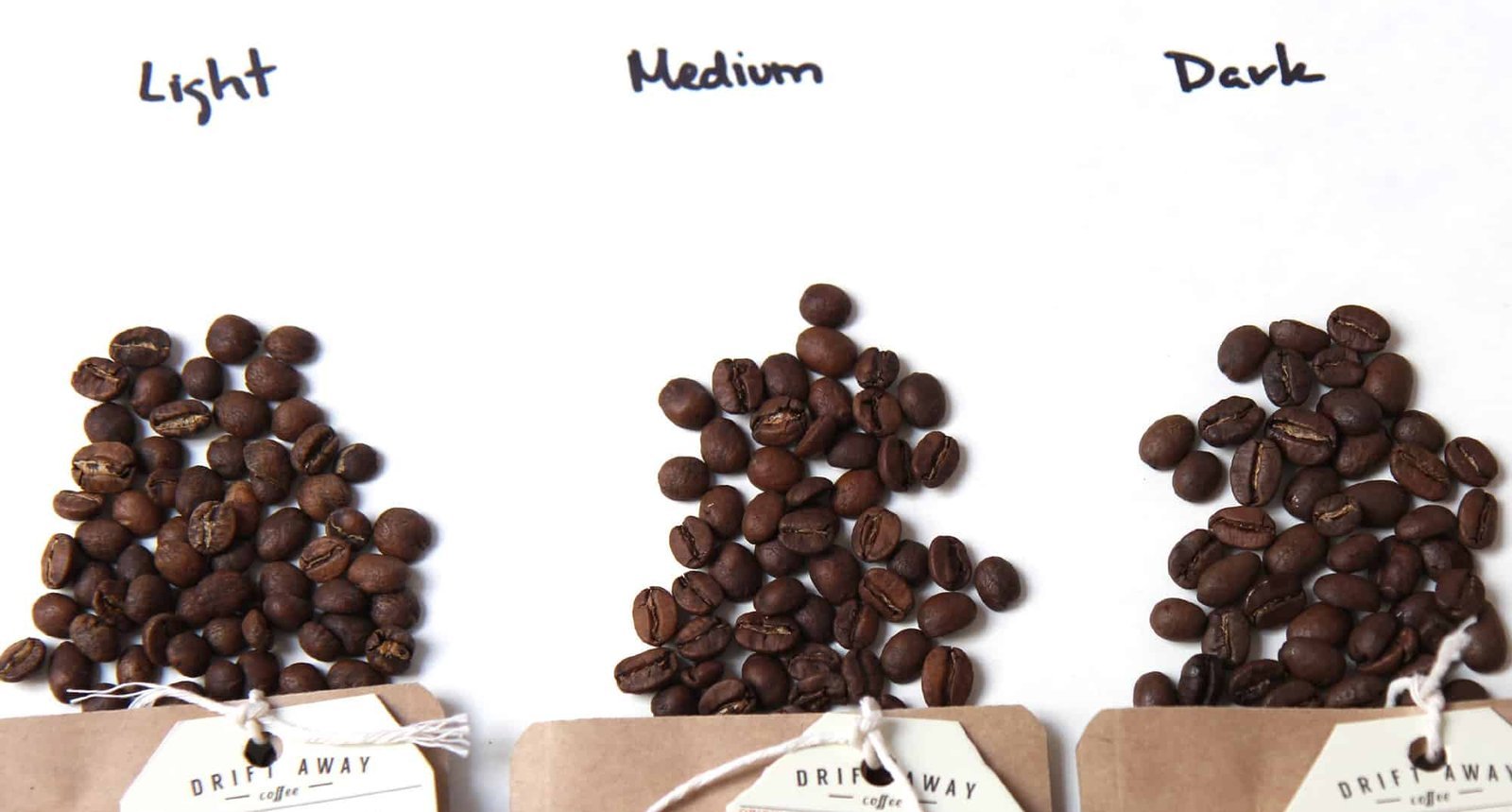
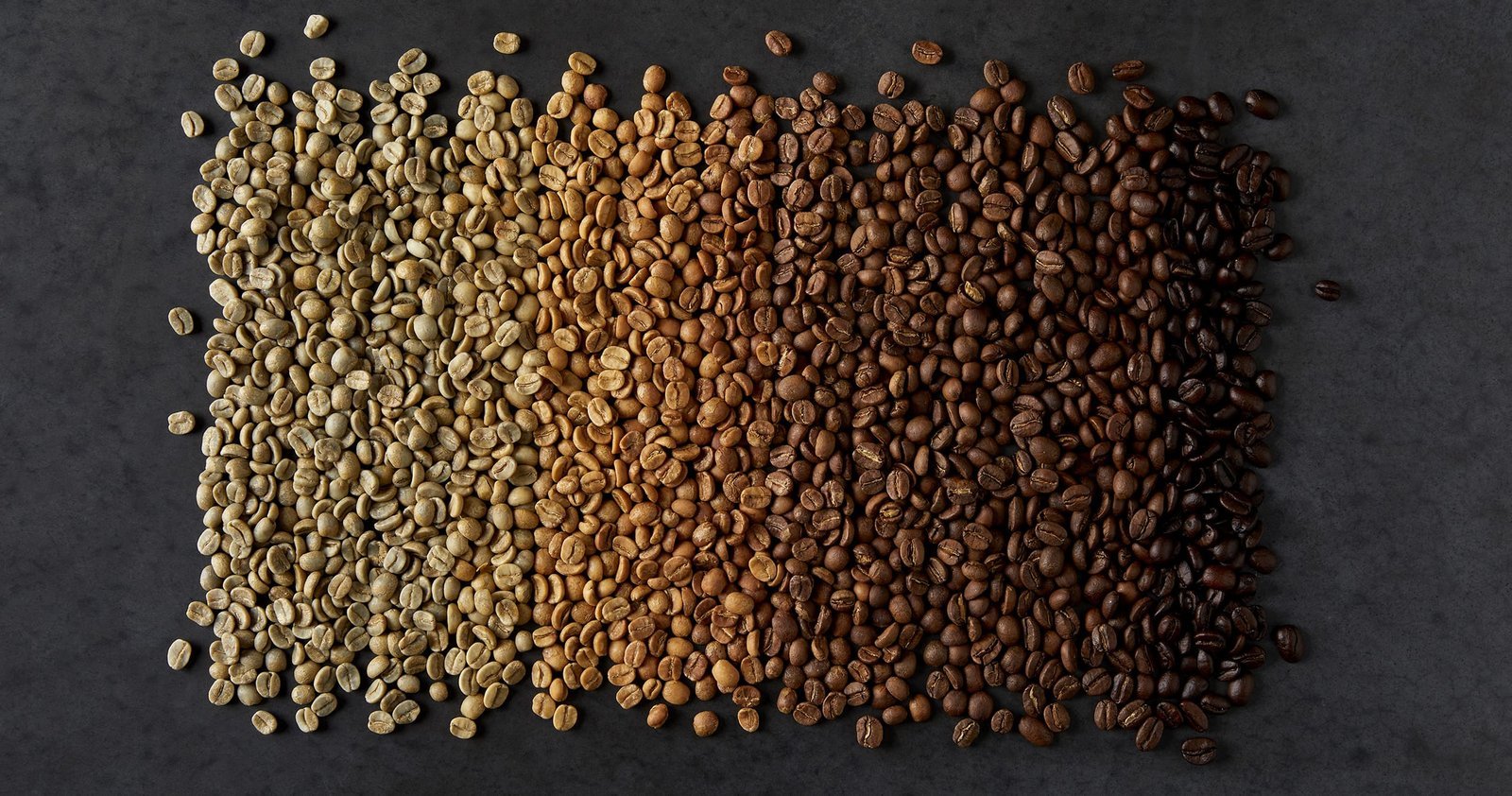
When asking what is light medium and dark roast coffee, the answer lies in how long beans are roasted and the resulting impact on flavor, acidity, and body. Light roasts retain original bean characteristics, medium roasts balance acidity with body, and dark roasts emphasize deep, smoky, or chocolatey notes.
The primary factor determining roast level is the internal temperature the bean reaches during the process. Roasters monitor the “crack” sounds; the first crack signifies a light roast, while the second crack indicates a darker profile. A common mistake is assuming dark roasts contain more caffeine. In reality, caffeine levels remain relatively stable throughout the roasting process, though dark beans are less dense, which can change caffeine content by volume if you measure with a scoop instead of a scale.
How light medium and dark roasts develop
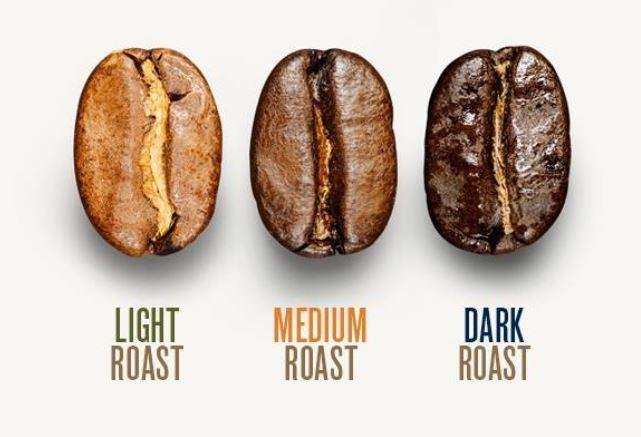
- Heat the green coffee beans in a rotating drum until they reach the target temperature.
- Monitor the “first crack,” a popping sound that happens as steam builds up inside the bean and breaks the cell walls.
- Stop the process shortly after the first crack for a light roast, which preserves the unique profile of the coffee’s origin.
- Stop the roasting process between the first and second crack for a medium roast, creating a balance of sweetness and body.
- Extend the roast into the second crack for a dark roast, which creates a shiny, oily surface and a bold, bitter flavor profile. Tip: If you’re roasting at home, use a digital thermometer to track the bean temperature; light roasts usually finish around 385°F, while dark roasts reach up to 450°F.
- Cool the beans immediately using forced air to stop the cooking process and prevent over-roasting. Tip: Cooling the beans too slowly causes them to continue cooking, which ruins the intended flavor profile.
How long it takes
| Situation | How long | What changes it | What to watch for |
|---|---|---|---|
| Light Roast | 8–12 minutes | Drum temperature | Bean color |
| Medium Roast | 12–15 minutes | Airflow settings | First crack ending |
| Dark Roast | 15–18 minutes | Moisture content | Second crack start |
If your roast is taking significantly longer than these times, your heat source may be too low, leading to “baked” coffee that tastes flat and lacks vibrant acidity.
How to tell when it’s done
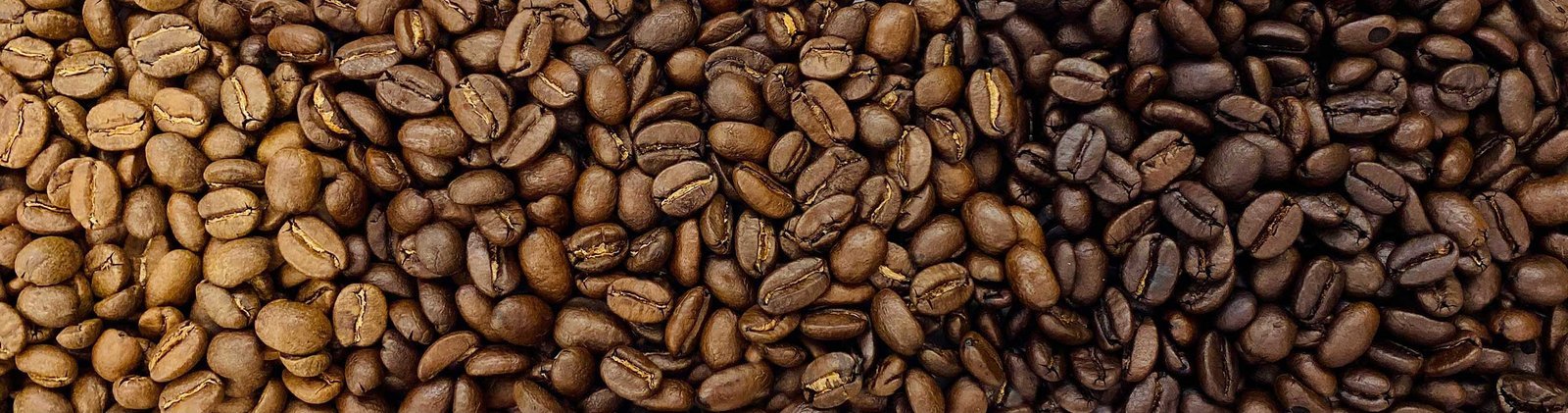
You must rely on sight and sound rather than just a clock. Light roasts are tan in color with a dry, matte surface. Medium roasts appear brown with a slightly more developed body. Dark roasts are dark brown or nearly black and show visible surface oils. The National Coffee Association confirms that the degree of roast is a matter of personal preference, not a safety requirement. If you’re unsure, use the “crack” as your guide; the sound is a physical event caused by the expansion of gases that happens at specific heat thresholds across all coffee varieties.
Mistakes that ruin it
- Measuring by volume instead of weight: Because dark roast beans are less dense, using a scoop leads to an inconsistent brew strength that’s often too weak. Always use a digital scale to ensure you have the correct mass of coffee for your water volume.
- Ignoring the cooling phase: Leaving hot beans in the roaster allows residual heat to continue the process, which quickly turns a medium roast into a burnt, bitter dark roast. Move beans to a metal colander immediately after they reach your target color.
- Using stale beans: If you roast too much at once, the coffee loses its aromatic oils, which is a trade-off for convenience. Only roast what you can consume within two weeks to keep the flavor profile fresh.
Frequently asked questions
Can I mix different roast levels together?
Yes, you can mix different roasts to create a custom blend. Many people combine a light roast for its bright acidity with a dark roast for its heavy body to achieve a more complex cup that neither roast could provide on its own.
Why is my dark roast coffee oily?
Dark roasts are oily because the internal heat breaks down the bean’s cell structure, pushing natural oils to the surface. This happens during the second crack, which is a physical limit for most beans; roasting much longer will simply burn the coffee into charcoal.
Is light roast coffee more acidic?
Yes, light roasts generally have higher perceived acidity because the shorter roasting time preserves the organic acids present in the green coffee bean. As the roast darkens, these acids break down, leading to a smoother, less sharp flavor profile in the final cup.
How long does roasted coffee stay fresh?
Roasted coffee is best consumed within two to four weeks of the roast date. After this time, the beans lose their volatile aromatics and begin to taste stale, regardless of whether they were a light, medium, or dark roast.
What happens if I roast past the second crack?
Roasting past the second crack creates a very dark, oily bean that tastes primarily of smoke and carbon. This is often called a “French” or “Italian” roast, but it destroys the unique characteristics of the coffee’s origin, making all beans taste mostly the same.
Final Thoughts
Choosing your favorite profile is all about personal taste, so don’t be afraid to experiment. Grab a bag of each type and compare them side-by-side in your own kitchen. You’ll quickly discover which flavors you love most, and you won’t have to settle for a cup that doesn’t hit the spot.