
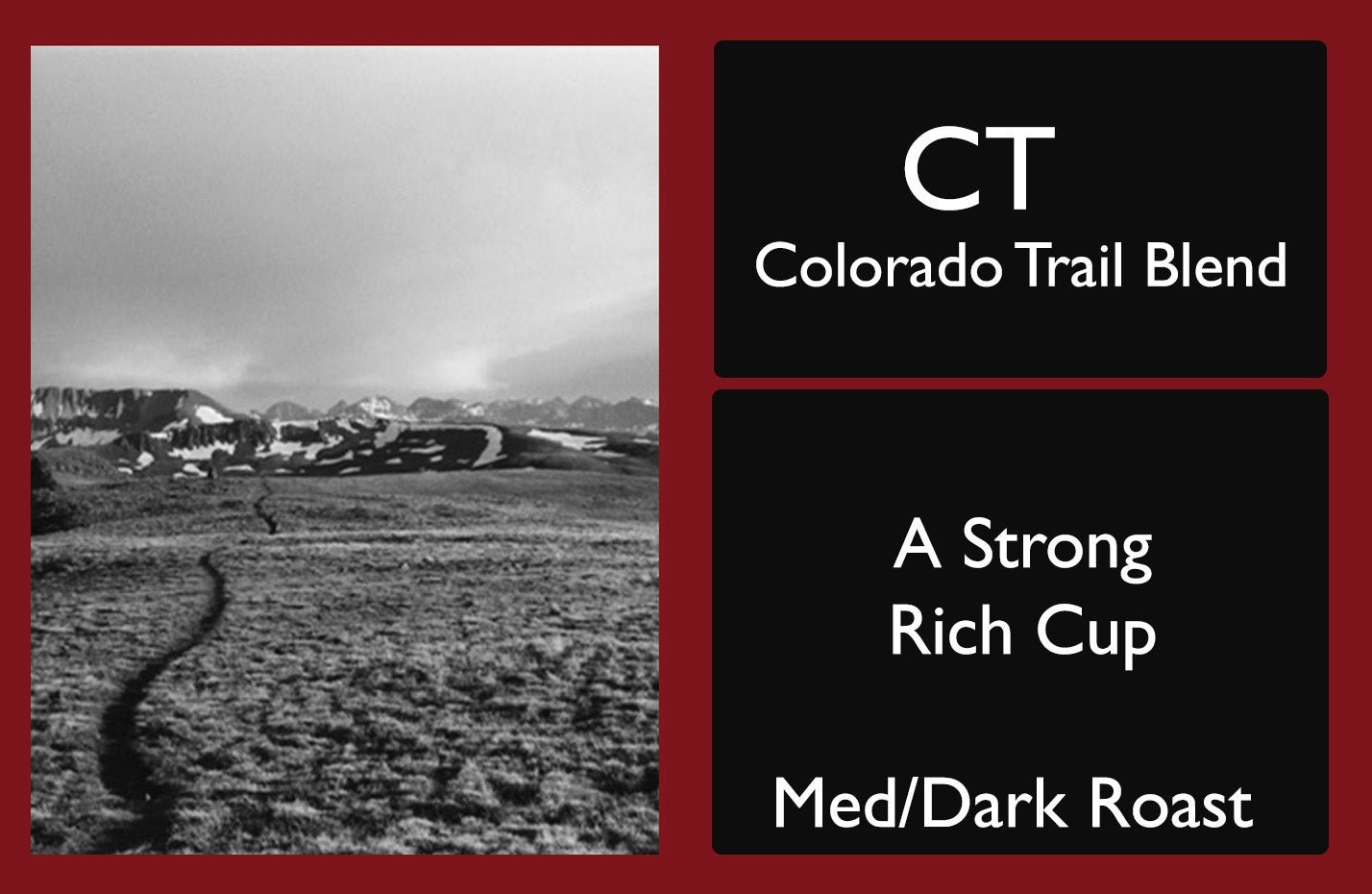
If you are wondering, is medium dark roast coffee strong? The answer is no, because strength refers to flavor intensity rather than caffeine content.
The short version
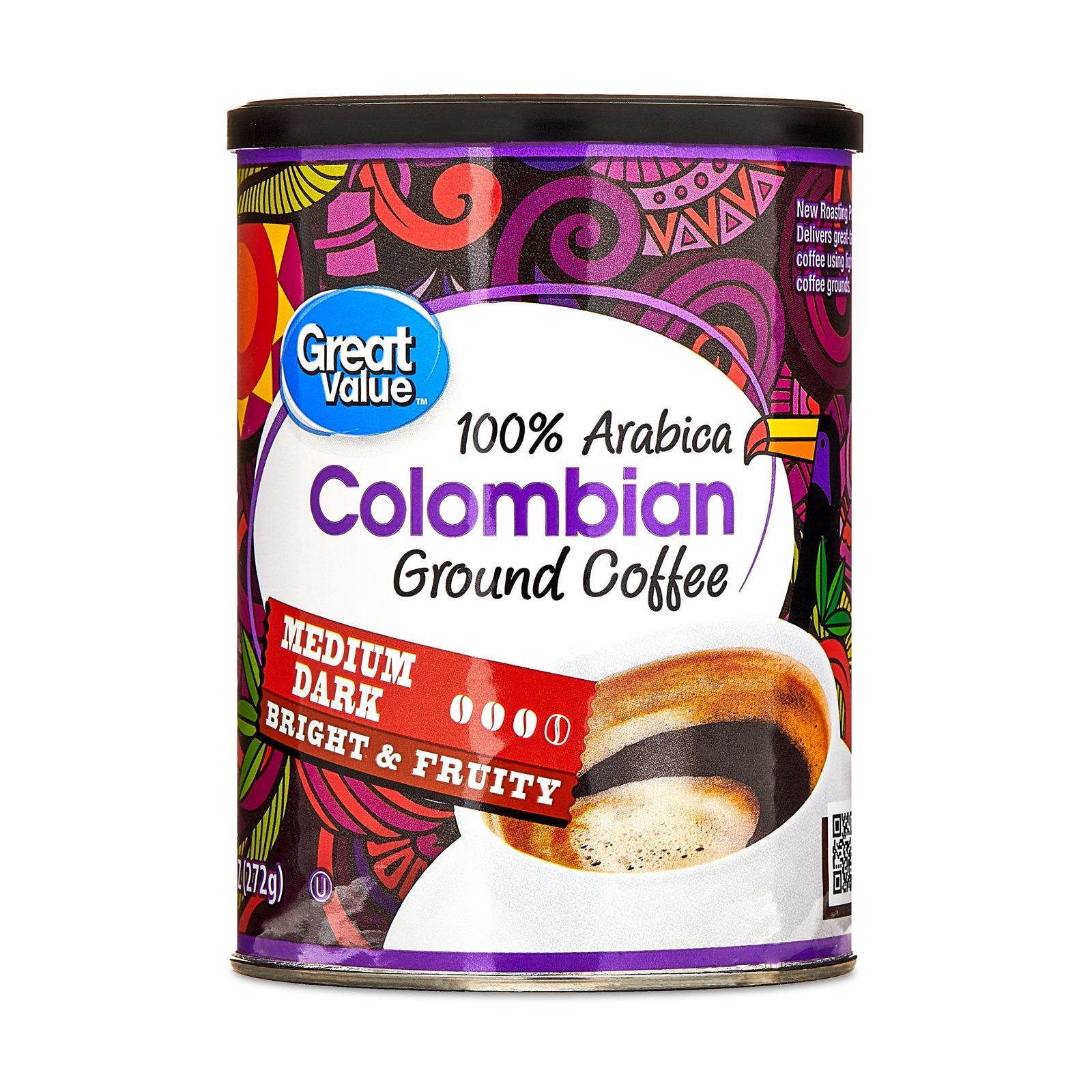
- Caffeine levels are nearly identical by weight for light, medium, and dark roasts.
- Darker beans are less dense, so a scoop of dark roast has less caffeine than a scoop of light.
- Strength describes the body and flavor profile, not the chemical hit of the caffeine.
- Water-to-coffee ratio is the primary factor that decides the actual strength of your brew.
- Check the roast date on the bag, as fresh beans provide a more intense flavor profile.
- If you want more caffeine, use a digital scale to measure coffee by weight, not volume.
Why roast levels change perception
Roasting coffee changes the physical structure of the bean, which alters how we perceive strength. As beans roast longer, they lose moisture and expand, becoming more porous and brittle. This expansion makes the beans less dense. If you use a scoop to measure your coffee, you’ll fit fewer beans into that scoop compared to a denser light roast. The National Coffee Association explains that brewing variables like grind size and water temperature impact the extraction of solubles, which defines the strength of the final cup.
Most people associate the deep color and oily surface of a medium dark roast with a higher caffeine concentration. The “strength” you taste is really just the chemical compounds created by the Maillard reaction.
When the answer is different
| Situation | What changes | What to do instead |
|---|---|---|
| Measuring by volume | Density of beans | Use a digital scale |
| Using fine grind | Extraction speed | Coarsen the grind size |
| Brewing cold brew | Concentration levels | Dilute with more water |
| Using dark roast | Bean mass per scoop | Increase coffee weight |
| Long brew time | Bitterness levels | Reduce contact time |
How to do it properly
- Set your scale to grams to ensure you use 15 grams of coffee for every 250 milliliters of water for a balanced cup.
- Grind your medium dark roast beans to a medium-coarse consistency, which looks like sea salt, to avoid over-extracting the bitter oils.
- Heat your filtered water to 200°F, as temperatures above 205°F often pull out unwanted harsh flavors from darker roasted coffee beans.
- Pour a small amount of water over the grounds to let them bloom for 30 seconds, which releases trapped carbon dioxide gas.
- Complete your pour slowly in a circular motion, ensuring all grounds stay wet, until you reach your target water volume of 250 milliliters.
- Serve the coffee immediately once the drip finishes; letting it sit on a hot plate for more than 10 minutes ruins the flavor.
The mistakes that ruin it
- Measuring coffee by the scoop instead of the gram leads to inconsistent strength in every cup you brew.
- Using boiling water causes the coffee to taste burnt and thin, hiding the profile of the medium dark roast.
- Grinding the beans too far ahead of time lets the aromatics escape, leaving you with a stale, flat-tasting drink.
Frequently asked questions
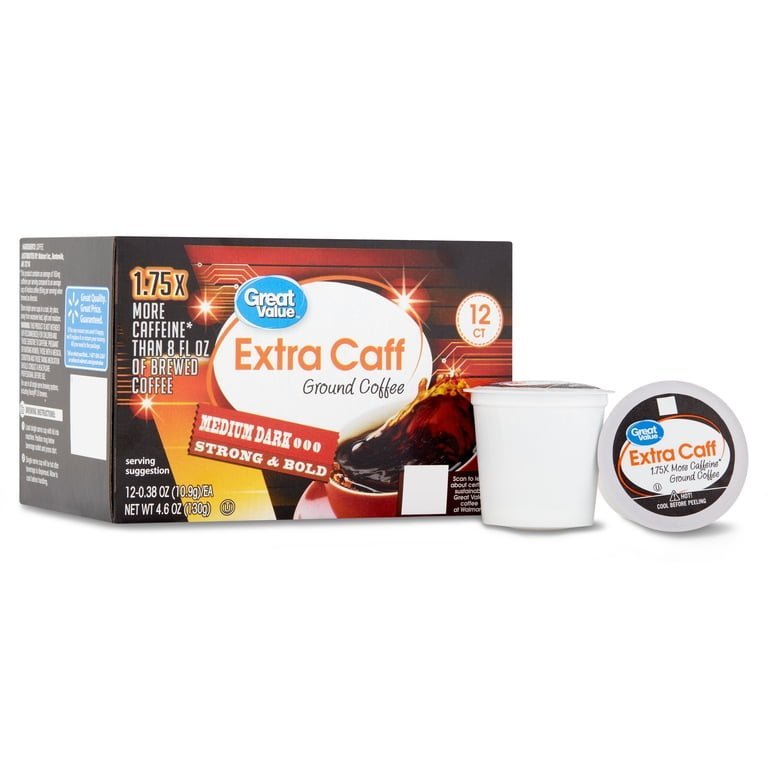
Does dark roast have more caffeine?
No, dark roast has a nearly identical caffeine content by weight to light roast. The difference is so tiny that you won’t notice it, but the lower density of dark beans means you get less caffeine per scoop.
Is medium dark roast bitter?
Yes, medium dark roast often has a noticeable bitter finish because the roasting process develops complex, charred flavor compounds. If it tastes unpleasantly sharp, you’re likely over-extracting the coffee by using water that’s too hot or a grind that’s too fine.
How much coffee should I use?
Use 15 grams of coffee for every 250 milliliters of water for a standard strength cup. If you prefer a bolder flavor, you can increase the ratio to 17 grams, but always weigh your beans on a digital scale to keep your results consistent every morning.
Does the roast affect the acidity?
Yes, darker roasts have lower acidity than light roasts because the heat breaks down the acidic compounds in the bean. If you have a sensitive stomach, a medium dark roast is often a better choice because it’s gentler on your digestive system.
Is medium dark roast coffee strong?
Yes, you can make it taste stronger by increasing the amount of coffee grounds used in your brew. If you find the flavor is still too weak, try grinding your beans slightly finer to increase the surface area and pull more flavor into the water.
Why does my coffee taste like water?
This happens when you use too much water or not enough coffee grounds for your brew method. Check your ratio of coffee to water; if you’re currently using less than 15 grams of coffee per 250 milliliters of water, try increasing the amount of grounds next time.
Final Thoughts
If you aren’t sure which roast fits your palate, don’t be afraid to experiment. Buy a small bag of beans from a local roaster and try brewing them using different methods. You’ll soon discover that your favorite cup isn’t about the roast level, but how you enjoy it each morning.