
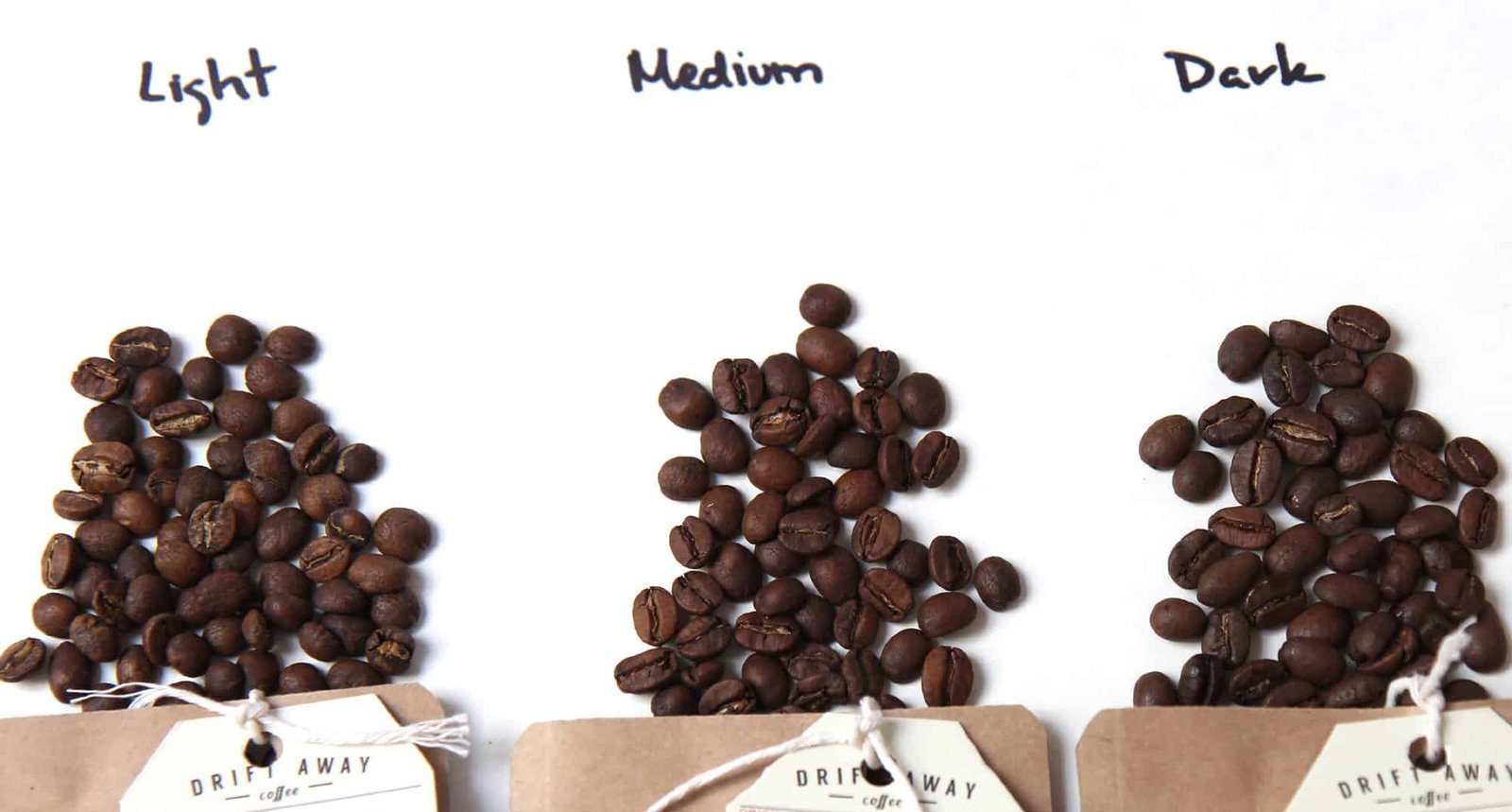
To understand what is difference between medium and dark roast coffee, one must look at how roasting time alters the beans’ chemistry, acidity, and flavor. Medium roasts keep more original bean characteristics, while dark roasts highlight flavors developed during the roasting process.
The main difference between medium and dark
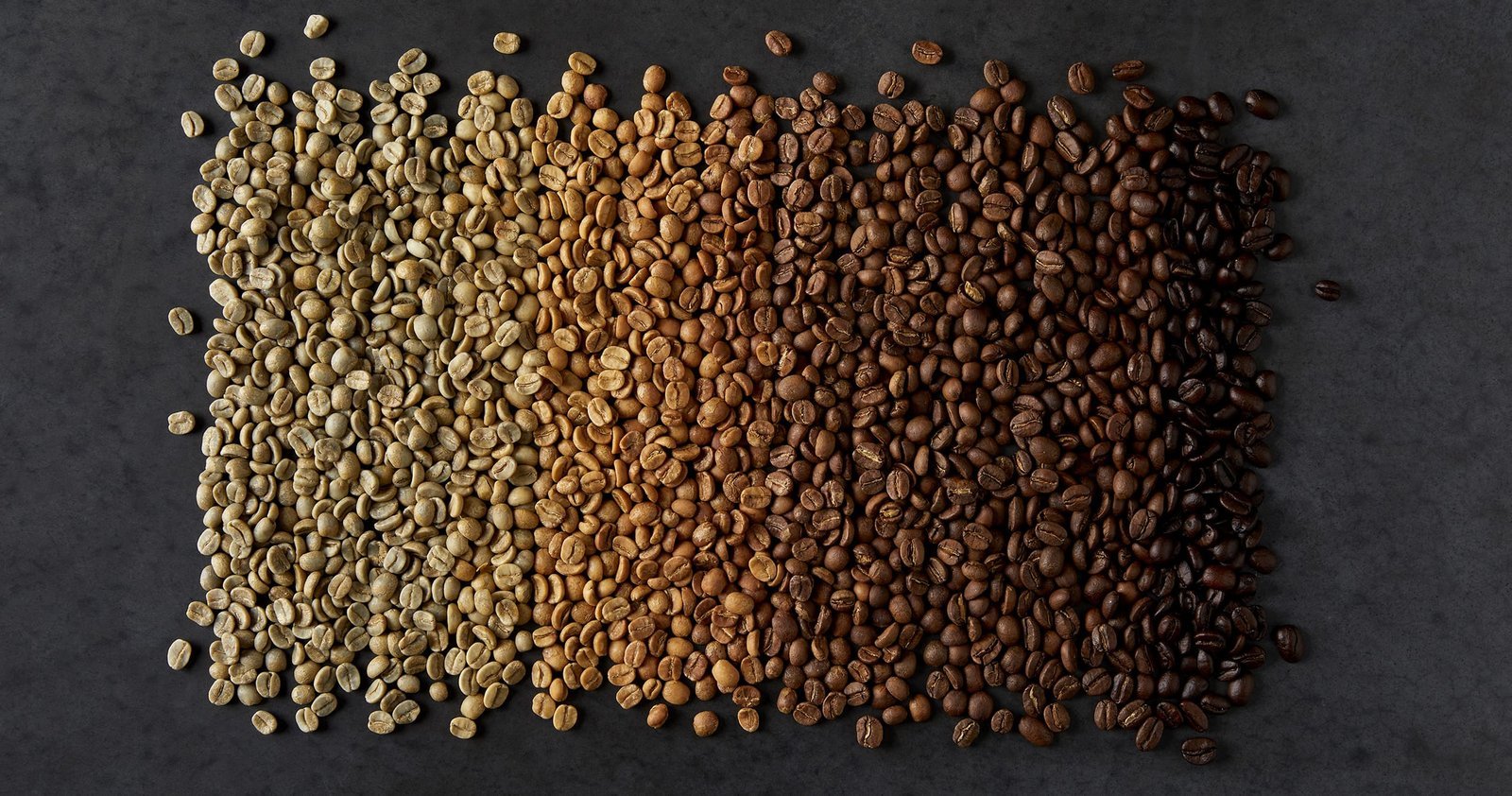
- Medium roasts reach internal temperatures of about 400°F to 430°F, stopping before the second crack.
- Dark roasts reach internal temperatures of 440°F to 450°F, where oils move to the surface of the bean.
- If you want to taste the specific origin of the coffee, choose a medium roast for its balanced acidity.
- If you prefer a bold, smoky, or chocolatey taste with low acidity, choose a dark roast for your brew.
- Dark roast beans are physically less dense than medium roast beans due to greater moisture loss and cellular expansion.
Why roast levels change flavor
The roasting process acts as a controlled burn that transforms raw green coffee seeds into aromatic beans. When beans reach the medium stage, they retain natural sugars and acids that reflect their growing region, such as floral notes or fruity brightness. As the heat continues into the dark roast stage, the cellular structure of the bean breaks down further. This creates a chemical change called pyrolysis, which produces smoky, bitter, and carbonized flavor compounds.
The National Coffee Association notes that the roasting process is the most important factor in determining the final taste profile of the beverage. While medium roasts balance the bean’s inherent qualities with the heat-induced sweetness, dark roasts mask the origin’s unique traits with the intensity of the roast itself. This shift isn’t just about color; it’s a fundamental transformation of the bean’s internal chemistry.
When the answer is different
| Situation | What changes | What to do instead |
|---|---|---|
| High altitude beans | Density is higher | Use a slightly longer brew |
| Cold brew method | Extraction is slower | Use a darker, coarser grind |
| Freshly roasted beans | Carbon dioxide levels | Wait three days before use |
| Espresso preparation | Surface area needs | Use a very fine grind |
| Light body preference | Oil content is low | Choose a lighter roast |
How to do it properly
- Measure 2 tablespoons of whole coffee beans for every 6 ounces of filtered water to ensure a consistent strength in your daily cup.
- Grind the beans immediately before brewing using a burr grinder to maintain the freshness of the aromatic oils found in medium roasts.
- Heat your water to between 195°F and 205°F, as this range extracts the best balance of flavor without scorching the delicate grounds.
- Pour the hot water over the grounds slowly, starting from the center and moving outward to ensure all coffee is fully saturated evenly.
- Allow the coffee to bloom for 30 seconds by adding just enough water to wet the grounds, which releases trapped carbon dioxide gas.
- Complete the pour and let the coffee drip for a total time of 3 to 4 minutes, then serve the drink immediately while hot.
The mistakes that ruin it
- Storing beans in the freezer causes condensation, which ruins the flavor profile of the roasted oils.
- Using boiling water at 212°F burns the grounds and creates an unpleasant, harsh bitterness in the final cup.
- Grinding beans too far in advance allows oxygen to stale the coffee, causing a rapid loss of complexity.
- Leaving the coffee on a hot plate cooks the liquid, turning it sour and flat.
Frequently asked questions
Is dark roast coffee stronger than medium?
No, dark roast coffee isn’t stronger in caffeine content. Because the beans roast longer, they lose more mass and moisture, meaning a scoop of dark roast actually contains slightly less coffee matter than a scoop of medium roast by weight.
Does dark roast have less acidity?
Yes, dark roasts generally have lower acidity than medium roasts. The high heat of the roasting process breaks down the chlorogenic acids responsible for the sharp, tangy sensations, resulting in a cup that feels smoother and heavier on the tongue.
How long do roasted beans stay fresh?
Roasted beans stay at peak quality for about two weeks if kept in an airtight container away from light. After this period, the volatile compounds that provide aroma and flavor begin to fade, regardless of the roast level you choose.
Can I mix medium and dark beans?
Yes, you can mix them to create a custom blend. Many people combine the two to get the bright, origin-specific notes of the medium roast alongside the deep, smoky finish of the dark roast in a single morning cup.
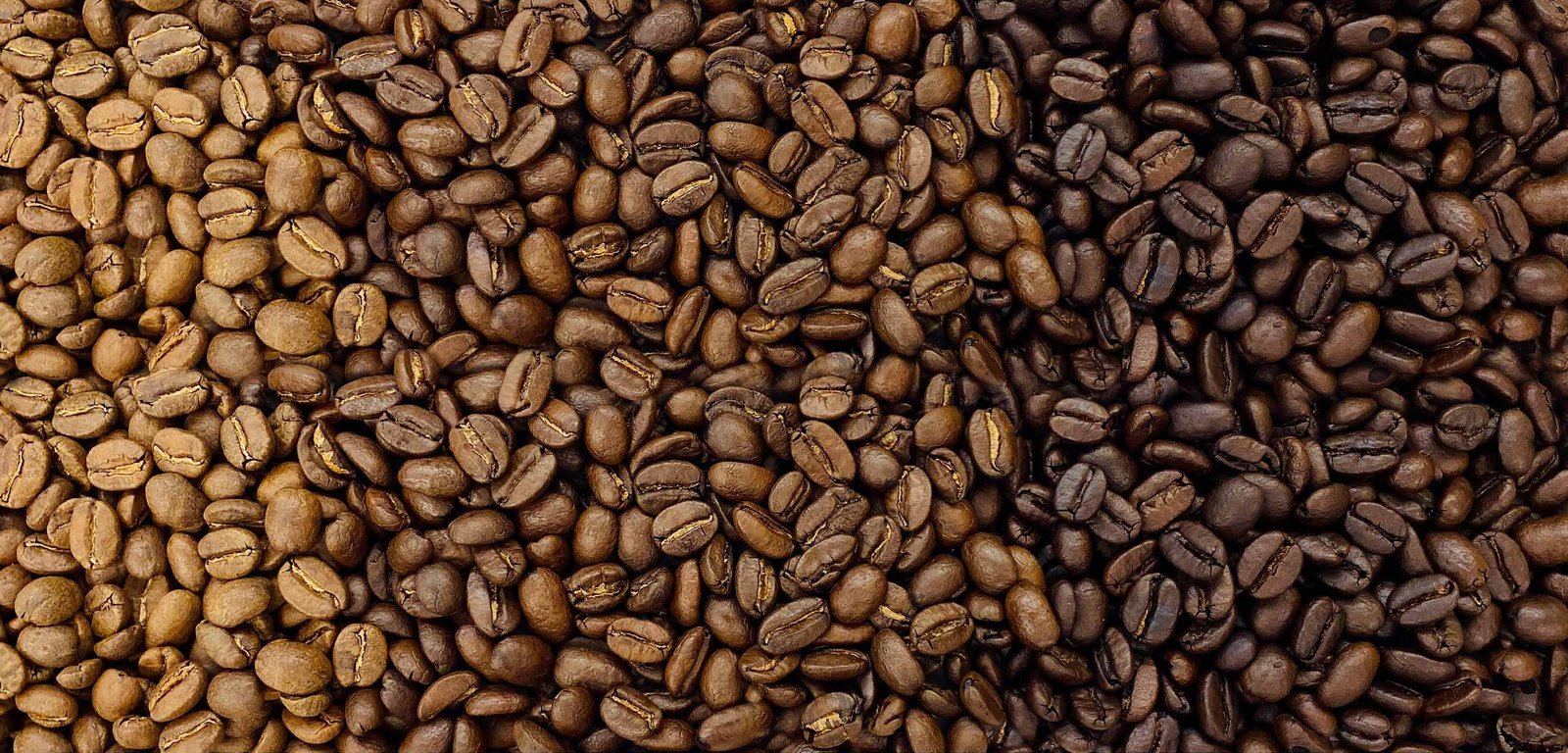
Why do dark roast beans look shiny?
Dark roast beans look shiny because the extended heat forces internal oils to the surface. This doesn’t mean the beans are better quality, but it’s a direct result of the chemical changes occurring during the later stages of roasting.
Does roast level affect caffeine?
No, the roasting process doesn’t significantly change the caffeine content of the bean. Caffeine is a stable molecule that survives the heat of the roaster, so the amount of caffeine depends more on the bean variety than the roast color.
Final Thoughts
Choosing between these two profiles really comes down to your personal taste. If you’re unsure which you prefer, try buying a small bag of each and brewing them side-by-side tomorrow morning. You’ll quickly discover which notes brighten your day and which ones you’d rather skip. It’s a fun way to explore.