
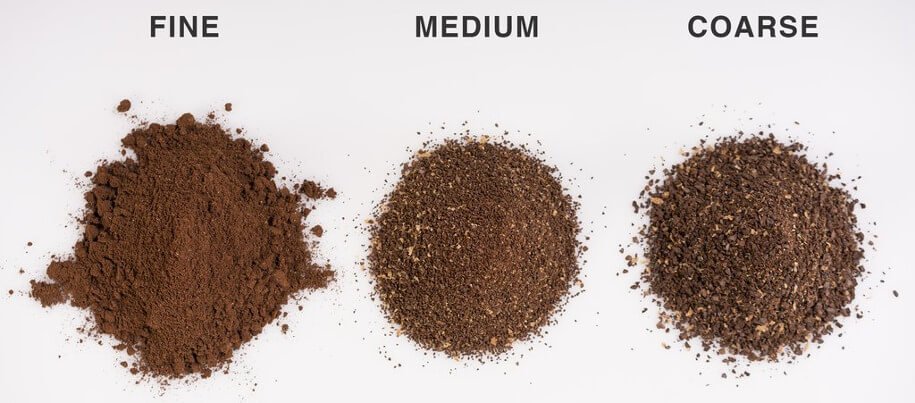
What is medium grind coffee is a versatile texture resembling sea salt, designed specifically for drip coffee makers and pour-over devices. This consistency allows water to pass through the grounds at an ideal speed, extracting balanced flavors without becoming too bitter or tasting overly thin and watery during the brew.
The primary factor determining if this grind works for you is the contact time between water and coffee. If your brewer uses a filter, you need a grind that resists water enough to extract flavor but not so much that it stalls the flow. The most common mistake is using a grind that’s too fine for a drip machine, which causes the water to pool, leading to an over-extracted and harsh cup of coffee.
What is medium grind coffee and how to achieve it
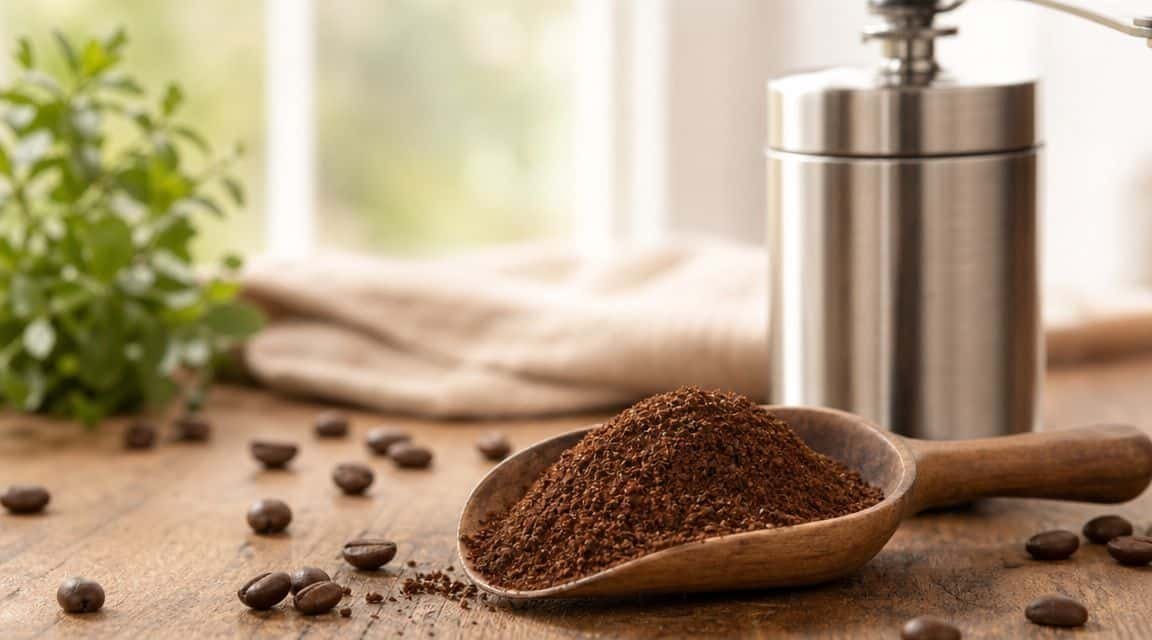
- Set your burr grinder to the middle position, which usually aligns with the “drip” or “auto-drip” icon on most home machines.
- Measure your beans using a scale; for a standard cup, use 15 grams of coffee for every 250 milliliters of water.
- Pulse the grinder for 5 to 10 seconds, checking the texture to ensure it feels like coarse sand between your fingers.
- If the coffee tastes bitter, adjust your grinder one notch coarser for the next batch to speed up the water flow.
- If the coffee tastes sour or thin, adjust your grinder one notch finer to increase the surface area for extraction.
- Clean your grinder burrs weekly with a dry brush, as old oil buildup can turn rancid and ruin the flavor of fresh beans.
Tip: Never use a blade grinder for consistent results, as it creates uneven particles that lead to both sour and bitter notes in the same cup.
Tip: Always store your beans in an airtight container away from light to prevent moisture-related degradation and preserve freshness.
How long it takes
The time required to process your beans depends on the volume and the power of your specific equipment.
If the grinding process takes significantly longer than usual for your specific equipment, your burrs may be dull or misaligned, which requires a professional service or replacement.
How to tell when it’s done
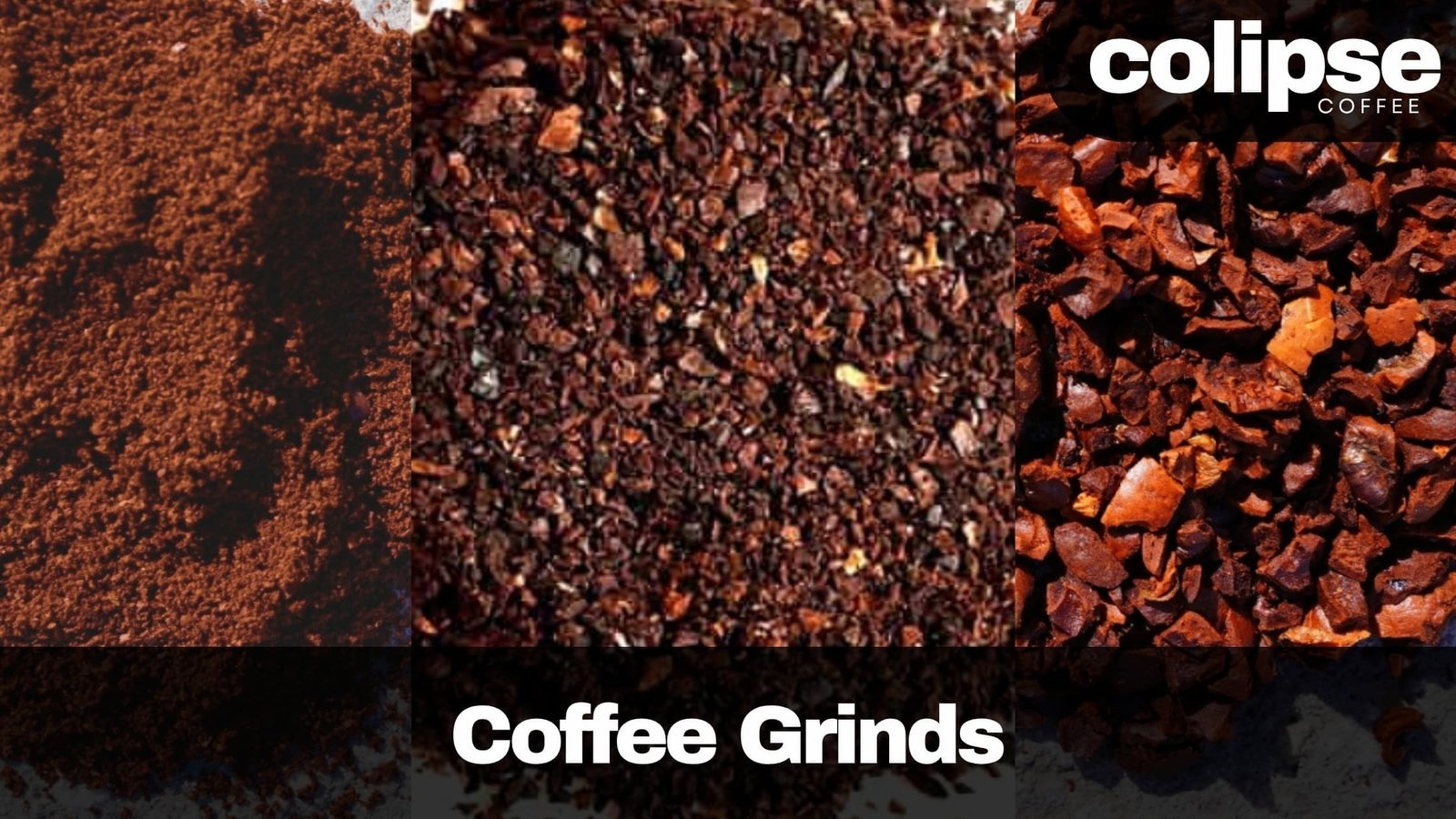
You can confirm the grind is correct by performing a simple visual and tactile test. Look for uniform particles that aren’t powdery like flour and not chunky like peppercorns. When you rub a pinch between your thumb and finger, it should feel gritty but hold together slightly. If you see large, jagged shards mixed with fine dust, your grinder is inconsistent. The ultimate test is the brew time: if you’re using a standard drip machine, the total cycle for a full pot should finish within five to six minutes.
Mistakes that ruin it
- Grinding too far in advance: Coffee loses its aromatic oils quickly once ground, so you should only grind what you plan to brew immediately.
- Using a blade grinder: This creates an uneven mix of boulders and dust, which makes it impossible to achieve a balanced extraction.
- Ignoring the water temperature: Aim for 195°F to 205°F for the best extraction results.
- Buying pre-ground coffee: This isn’t for those who prioritize peak freshness, as the surface area exposed to oxygen causes the coffee to stale within days.
Frequently asked questions
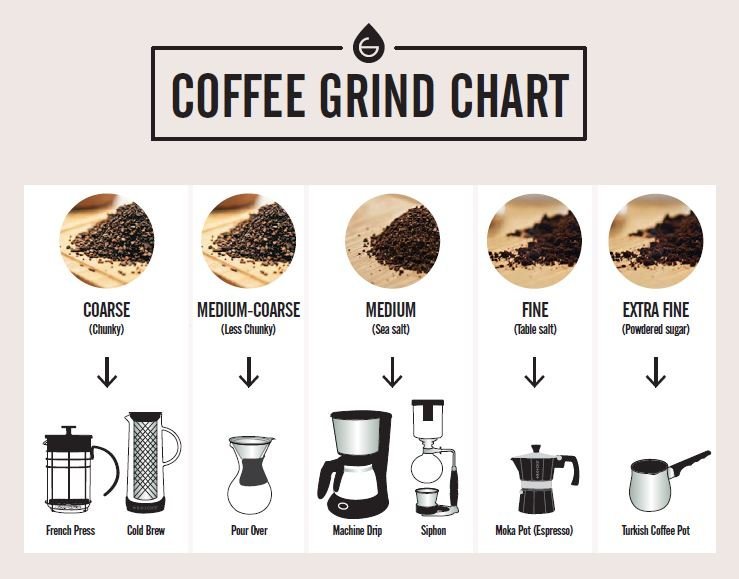
Can I use medium grind coffee in a French press?
No, it isn’t ideal for a French press because the particles are too small and will pass through the metal mesh filter. This results in a muddy, gritty cup of coffee; you should use a coarse grind instead to ensure a clean, sediment-free finish in your mug.
Why is my coffee sour?
Your coffee is likely sour because the grind is too coarse, causing the water to pass through the grounds too quickly without extracting enough flavor. You should adjust your grinder to a finer setting to slow the water flow and pull more sweetness from the beans during the brewing cycle.
Is it safe to drink coffee with too much sediment?
Yes, it’s safe to drink, but it will taste unpleasant and may cause a chalky sensation on your tongue. The sediment is just very fine coffee particles, but if you dislike the texture, you can pour your coffee through a paper filter to remove the excess silt.
How long does medium grind coffee stay fresh?
While coffee is best consumed immediately after grinding, it remains usable for several hours if stored properly. If you must grind in advance, store the grounds in an opaque, airtight container at room temperature, but expect a noticeable drop in flavor quality after just one hour.
What happens if I use a fine grind in a drip machine?
If you use a fine grind in a drip machine, the water will pool in the filter basket and potentially overflow. The coffee will also become extremely bitter because the water stays in contact with the fine particles for too long, pulling out harsh, undesirable compounds from the beans.
Final Thoughts
Once you’ve found a bag with this texture, try brewing a fresh cup and pay close attention to the flavor notes. You’ll likely notice a smoother finish that makes your morning routine feel a bit more special. Don’t be afraid to experiment with different beans, as you’ll soon find your perfect daily brew.
Related guides