
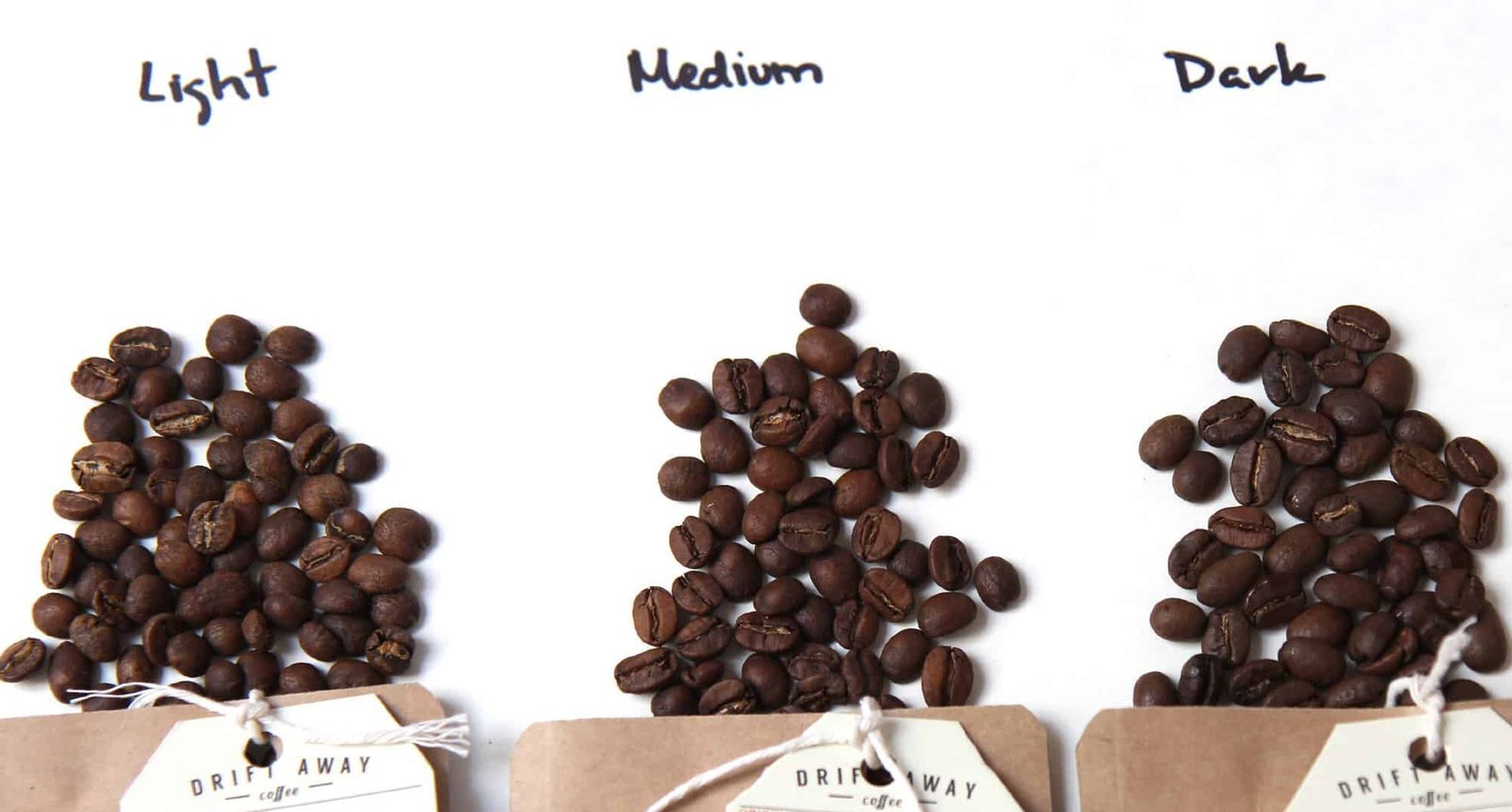
When asking what is light roast vs medium roast, the answer lies in the heat duration and internal temperature reached during roasting. Light roasts are heated for less time to preserve the bean’s original character, while medium roasts are heated longer to develop more body and sweetness.
What is light roast vs medium roast?
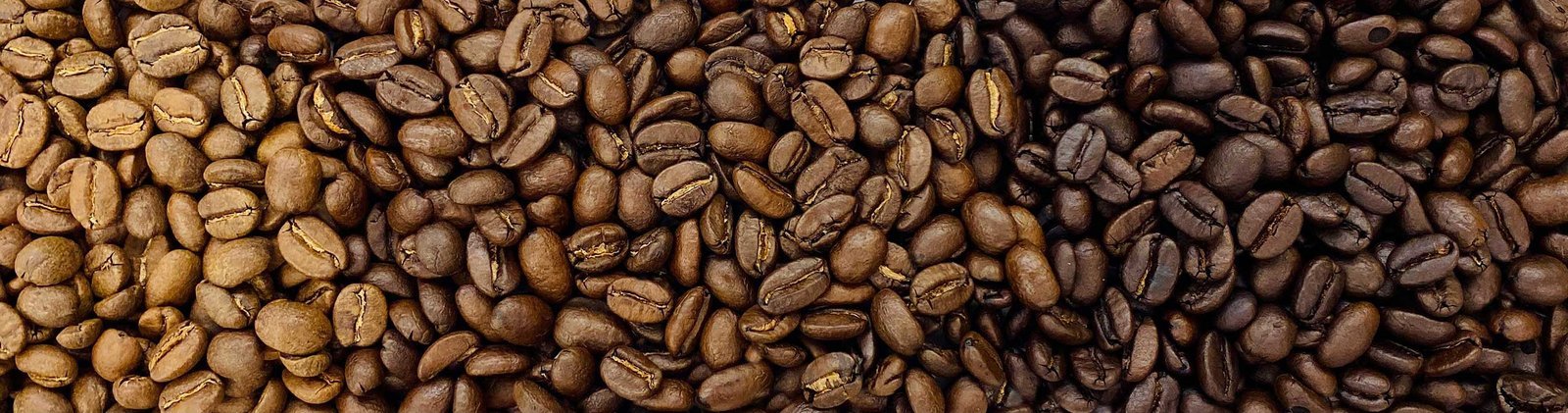
The primary trade-off involves balancing the distinct, acidic notes of the bean against the deeper, caramelized flavors that emerge with longer roasting times.
| Method | How long | Effort | Cost | Best for |
|---|---|---|---|---|
| Light Roast | 8–10 mins | Low | Low | Origin flavors |
| Medium Roast | 11–13 mins | Low | Low | Balanced cup |
| Dark Roast | 14+ mins | Low | Low | Bold intensity |
Gentle heat processing
This method stops the roast shortly after the first “crack,” which is the audible sound of water vapor escaping the bean.
- Add green coffee beans, ensuring the chamber isn’t more than 75% full for even airflow.
- Monitor the beans until they turn a light tan or cinnamon color.
- Stop the heat immediately once you hear the first crack, as the beans will continue to cook from residual heat.
- Cool the beans rapidly to prevent the roast from becoming too dark.
This style highlights the unique acidity and floral notes of the coffee. If you prefer a tea-like body, this is your best choice. However, the high acidity can sometimes feel too sharp for those used to standard supermarket coffee.
Extended heat development
Medium roasting allows the beans to develop past the first crack, resulting in a brown color and a smoother, more rounded flavor profile.
- Keep the beans moving constantly to avoid scorching the outer layers.
- Watch for the beans to reach a medium brown color, usually 2 to 3 minutes after the first crack ends.
- Pull the beans before the second crack begins, which signals the start of oil release.
- Use a cooling tray to stop the process quickly.
This produces a balanced cup with moderate body and sweetness. It hides some of the bean’s origin-specific quirks.
Full development cycles
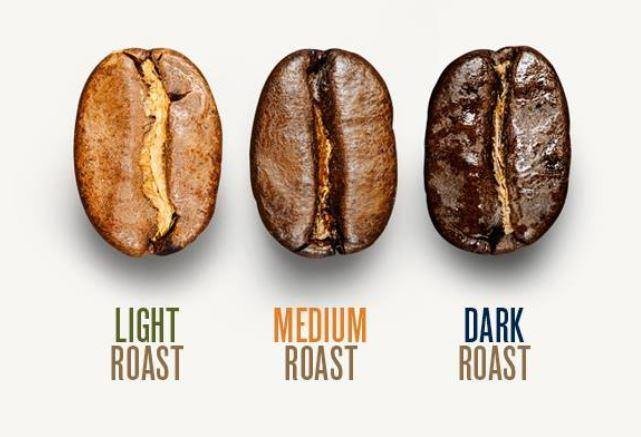
Darker roasts go significantly longer, pushing the beans through the second crack until they become dark brown or oily.
- Listen for a rapid, sharp snapping sound.
- Remove the beans within 30 seconds of the second crack to avoid burnt, carbonized flavors.
- Spread them thin on a metal tray to dissipate heat instantly.
This method masks the bean’s original flavor, replacing it with notes of toast, smoke, or dark chocolate. It’s perfect if you enjoy a heavy, low-acid mouthfeel. The main weakness is that all beans roasted this way tend to taste similar, regardless of where they were grown.
Which one should you use?
Choose a light roast when you’re doing this for the first time, as the distinct flavors are easier to learn and identify. When you’re in a hurry, use a medium roast because it’s more forgiving of slight variations in heat timing during the process. If you want the best possible result whatever it takes, choose your roast based on the specific bean origin; high-quality, high-altitude beans often shine as light roasts, while lower-altitude beans benefit from the body of a medium roast. Always remember that your preference is the final judge, so start with small batches until you find the profile that fits your palate best.
The rules that apply whichever way you choose
Regardless of the roast level, always use a scale to measure your green coffee by weight rather than volume. If you’re using an electric roaster, check the manufacturer’s manual for specific ventilation requirements, as smoke is a common byproduct of the process. Always inspect your beans for stones or debris before starting, as these can damage roasting equipment. If you’re roasting indoors, ensure your kitchen has an active exhaust fan or open window to manage smoke safely. If you don’t have proper ventilation, don’t roast indoors, as high-density smoke can trigger alarms or cause respiratory irritation in sensitive individuals.
Frequently asked questions
Photo: fnb.coffee on Google
Can I mix light and medium roast beans?
Yes, you can blend them after roasting to create a custom profile that combines the bright acidity of the light roast with the deeper body of the medium roast.
Why is my light roast sour?
It’s likely under-developed, meaning the beans didn’t spend enough time in the heat to properly break down the organic acids, which is common if you pull the roast too early.
How long does roasted coffee stay fresh?
It stays at its peak flavor for about 14 days when stored in an airtight container away from direct sunlight, though it remains safe to consume for several months after.
Is it safe to roast coffee in a frying pan?
Yes, it’s safe, but it requires constant stirring to prevent uneven burning, which often leads to a mix of burnt and raw-tasting beans in the same batch.
What happens if I roast past the second crack?
The beans will quickly turn black and oily, and the flavor will shift entirely toward bitter, smoky, and carbonized notes that hide all origin character.
Final Thoughts
Choosing between these two isn’t about finding the “right” one, but discovering what you enjoy most in your morning cup. Don’t be afraid to experiment with different brewing methods to see how they highlight these unique flavors. You’ll likely find that your perfect brew is just one fresh bag away.