

Making a perfect cup of ground coffee requires five minutes, medium-ground beans, and hot water poured over a standard filter dripper. The basic method costs under a dollar per mug, rates as easy on effort, and needs only hot water and a simple filter cone.
Brewing equipment and supplies
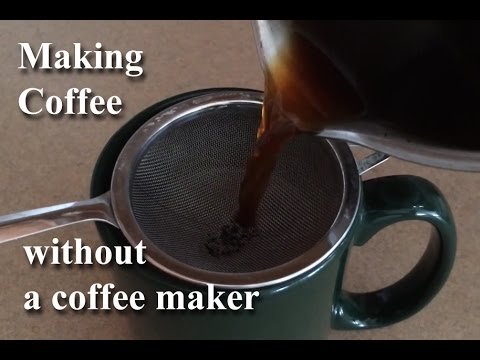
A standard pour-over setup produces clean coffee. Using the correct amounts keeps the drink from tasting thin or harsh. Standard measuring spoons work well enough for a daily cup.
Here is everything required to brew one eight-ounce mug of coffee.
| Item | How much | Why it’s needed | A substitute |
|---|---|---|---|
| Ground coffee | 15 grams (2 tbsp) | Provides the flavor and body | none — don’t swap this |
| Fresh water | 250 ml (about 1 cup) | Extracts the oils and solids | Bottled spring water |
| Coffee dripper | 1 unit | Holds filter above the mug | French press pot |
| Paper filter | 1 sheet | Traps grounds and sediment | Reusable metal mesh cone |
| Coffee mug | 1 mug (10–12 oz) | Collects the finished hot brew | Heatproof glass pitcher |
| Kettle | 1 unit | Heats and pours hot water | Small stovetop saucepan |
Preparing your brew station
- Rinse the paper filter with warm water over the sink to remove papery dust before brewing.
- Preheat your drinking mug by filling it with hot tap water, then dump it out right before brewing starts.
- Check your coffee grind size against table salt; it must look slightly coarser, like rough sea sand.
- Clear a flat, stable counter space away from cords or clutter so your dripper can’t tip over.
- People often skip checking water temperature, which ruins flavor; boil tap water and let it rest off heat for 60 seconds.
Brewing your ground coffee
- Place the rinsed paper filter into the dripper cone resting securely on your empty mug.
- Add exactly 15 grams (two level tablespoons) of medium-ground coffee into the center of the paper filter.
- Tap the side of the dripper gently until the dry coffee bed lies flat and completely level.
- Pour 50 milliliters of hot water in slow circles over the dry grounds until they look fully wet.
- Wait 30 seconds while the wet grounds puff up and bubble to release trapped carbon dioxide gas.
- Pour another 100 milliliters of hot water in steady, outward spirals without touching the paper walls.
- Wait 20 seconds to let the water level inside the cone drop by about half its height.
- Pour the final 100 milliliters of water into the center to reach the 250-milliliter total liquid mark.
- Let all liquid drip through until the top coffee bed looks damp rather than flooded.
- Remove the dripper cone and set it aside; your mug now holds hot, freshly brewed liquid.
Signs of a good extraction
Photo: www.jneurovirol.com on Google
A successful cup looks deep amber to dark brown and leaves behind a flat, uniform bed of damp grounds in the filter. You won’t see dry spots or deep craters in the spent coffee bed. The drink itself should taste balanced without sudden dryness on your tongue. The National Coffee Association brewing guide recommends keeping brew water between 195°F and 205°F for balanced extraction.
If the liquid tastes intensely sour and sharp, the water ran through too fast or stayed too cool. When coffee tastes bitter, hollow, or leaves an astringent coat on your teeth, the grounds stayed submerged too long or were ground too fine. A second round with adjusted water temperature or grind size fixes both issues.
Fixing common coffee problems
Grounds can behave unpredictably when grind sizes wander or water runs too hot. Using pre-ground store bags often presents minor issues that simple technique changes will solve quickly.
| What happened | Why | What to do |
|---|---|---|
| Water drains too slowly | Coffee grounds are too fine | Switch to a coarser grind |
| Brew tastes very weak | Water was poured too fast | Pour slowly in small circles |
| Water overflows the cone | Poured too much at once | Add water in smaller pulses |
| Cup tastes unpleasantly bitter | Water was boiling hot | Wait one minute after boiling |
| Liquid drips through cold | Cold mug stole the heat | Warm the mug before brewing |
Establishing your brewing schedule
Brew ground coffee fresh each morning.
Bean freshness and caffeine limits dictate your routine. Whole beans ground right before brewing stay fresh for about a month, while pre-ground bags oxidize much faster once opened.
Frequently asked questions
Photo: coffeegeek.com on Google
Can you brew ground coffee without a filter?
Yes, using a French press or mug steeping method works. Let grounds settle at the bottom for four minutes, then pour the liquid slowly into another cup to leave mud behind.
How much ground coffee do I use per cup?
Use two level tablespoons (about 10 to 15 grams) for every six to eight ounces of water. Adjust up or down slightly based on how strong you prefer your drink.
What happens if you use boiling water on coffee?
Using water that’s too hot can lead to over-extraction, which may result in bitter or astringent flavors. Let the kettle sit off the heat for about one full minute so it cools to roughly 200°F.
Is it safe to reheat brewed coffee in the microwave?
Yes, it’s physically safe, but it breaks down remaining aromatic oils quickly. The reheated liquid tastes significantly more bitter and sour than when you poured it fresh from the filter.
Does grind size matter for drip coffee?
Yes, grind size controls how quickly hot water flows through the bed. Too fine clogs your filter and turns bitter; too coarse lets water rush through, leaving weak, sour coffee.
How long does ground coffee stay fresh in the bag?
About one to two weeks after opening the sealed bag before flavor noticeably fades. Keep grounds in an airtight container at room temperature away from direct sunlight and moisture.
Ground coffee, in short
The trade-off with manual brewing is simple: you gain total control over taste and temperature, but you trade away the single-button ease of an electric machine. Keep your water just off the boil, measure your portions carefully, and enjoy your mug right away.