
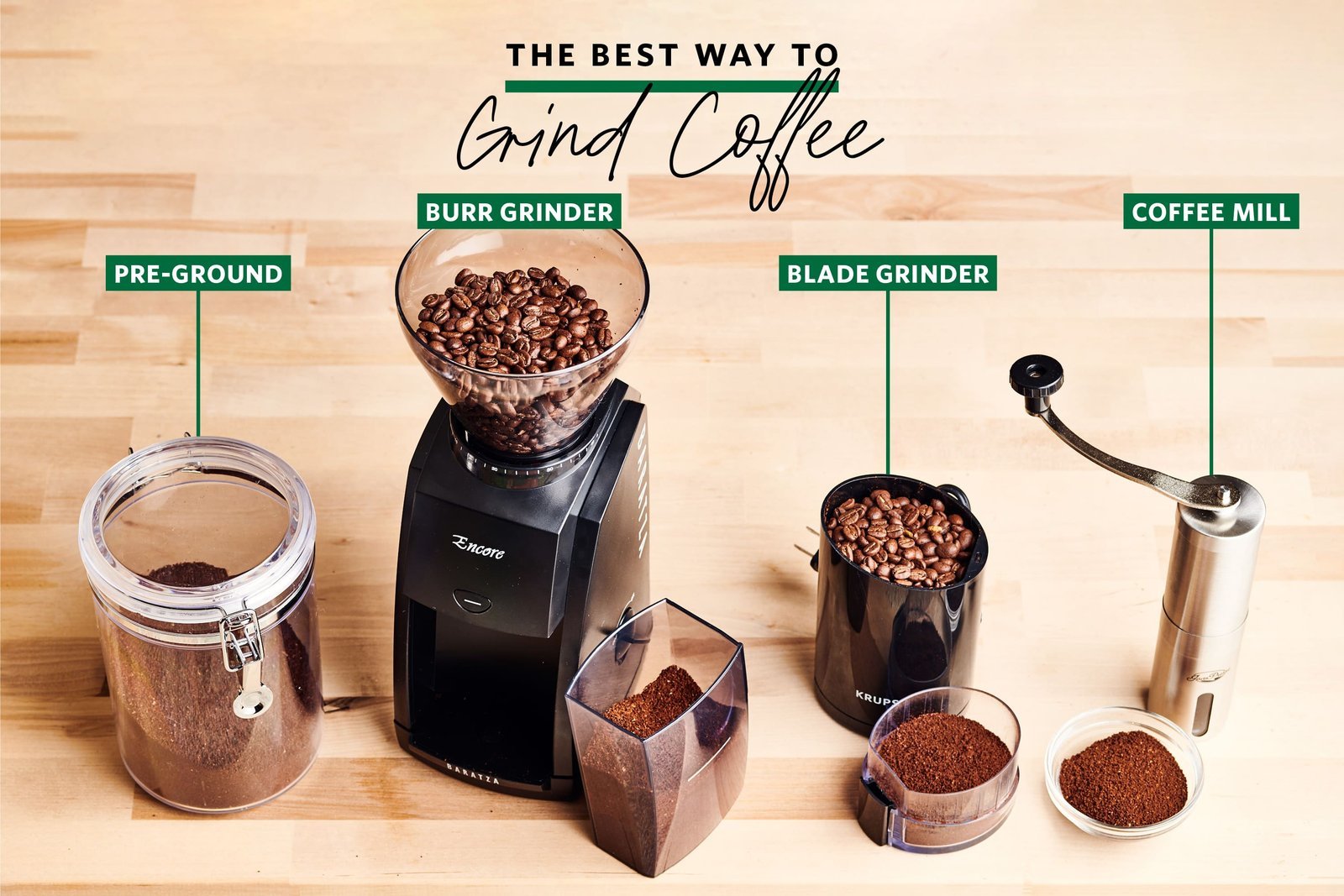
To make coffee grounds from beans, use a burr grinder to crush roasted beans into uniform particles. This simple process takes less than two minutes and requires only a grinder and fresh, high-quality roasted coffee beans.
Tools to make your coffee grounds
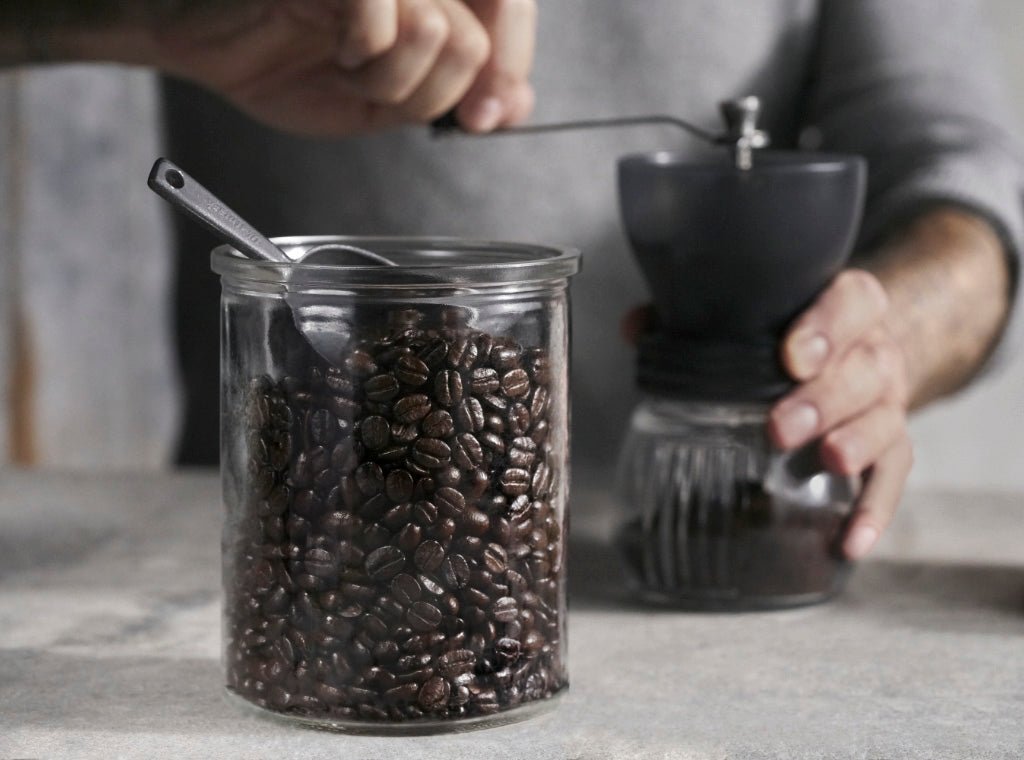
To achieve the best flavor, you need the right tools to turn your roasted beans into grounds. Using the wrong equipment often leads to uneven extraction and a bitter taste.
- Burr grinder: Choose a conical or flat burr model for consistency.
- Whole bean coffee: Freshly roasted beans, stored in an airtight container away from light.
- Digital scale: Essential for measuring your ratio of water to coffee.
- Airtight storage: A glass jar or vacuum-sealed bag to preserve freshness after grinding.
If you don’t have a burr grinder, you may use a blade grinder, but it will produce uneven particles that result in inconsistent flavor. High-end grinders require regular calibration; check your specific manufacturer’s operating manual to ensure your settings are correct for your model.
Grinding the Beans
- Measure your beans using a scale; use 20 grams of beans for every 300 milliliters of water to start.
- Set your grinder to the desired coarseness based on your brewing method: coarse for a French press, medium for drip, or fine for espresso.
- Pour the measured beans into the hopper of the grinder.
- Activate the grinder and process the beans until they reach the target texture.
- Transfer the grounds immediately to your brewing device to prevent oxidation.
- Clean the burrs with a soft brush after each use to remove old oils.
Careful: Don’t overfill the hopper, as this can cause the motor to overheat or jam. Tip: If you’re grinding for espresso, start with a slightly coarser setting and adjust finer until you reach the desired flow rate. If you’re using a commercial-grade grinder, ensure you’re trained on the safety features, as these machines have powerful motors that can cause injury if fingers touch the internal burrs.
Consistency and Brewing Time
The texture of your grounds determines how fast water flows through them. If your grounds are too fine, the water will move too slowly, leading to a bitter, over-extracted cup.
| Brewing Method | Grind Texture | Typical Time | Water Temp |
|---|---|---|---|
| French Press | Coarse | 4 minutes | 200°F |
| Drip Machine | Medium | 3–5 minutes | 195°F |
| Espresso | Fine | 25–30 seconds | 200°F |
It’s always safer to start with a slightly coarser grind and adjust finer on your next try if the coffee tastes weak.
Evaluating Your Result
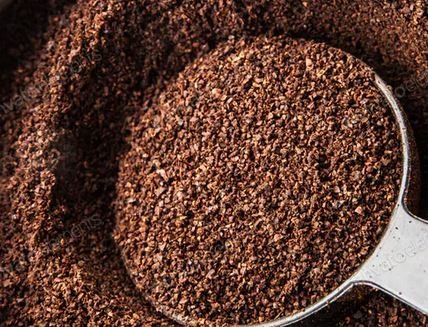
A high-quality grind looks uniform, like sea salt for coarse settings or table salt for medium settings. If your grounds look like a mixture of large chunks and fine dust, your grinder is likely dull or misaligned, which causes uneven extraction. You can prevent this by keeping your burrs clean and replacing them according to the manufacturer’s schedule. If the coffee tastes sour, the grounds are likely too coarse; if it tastes burnt or overly bitter, they’re likely too fine. Always adjust your grind size one step at a time to find the perfect flavor profile for your specific beans.
Best Storage Practices
Roasted coffee beans begin to lose their aroma and flavor as soon as they’re exposed to oxygen. According to the National Coffee Association, you should keep your coffee in an opaque, airtight container at room temperature. If you have extra beans, store them in a cool, dry place, but avoid the freezer, as moisture can condense on the beans and degrade their quality.
Alternative Grinding Methods
Manual Hand Grinder
This method uses a hand-cranked burr mechanism. It takes longer than an electric model, but it generates no heat, which helps preserve the delicate oils and aromas of the coffee beans.
Blade Grinder
This uses high-speed metal blades to chop beans. It’s inexpensive but creates uneven particles and heat. Use short, pulsing bursts to minimize heat buildup and keep the grind size as consistent as possible.
Professional Service
Some cafes or specialty shops will grind beans for you upon purchase. This is ideal if you lack equipment, but the coffee will lose its peak flavor much faster than if you grind it at home.
Frequently asked questions
How long do coffee grounds stay fresh?
If you must store them, keep them in an airtight container for no more than two weeks, though the quality will drop significantly after the first few days.
Can I grind coffee in a blender?
Yes, you can use a blender, but it isn’t recommended because it creates an extremely uneven grind. This leads to a cup of coffee that tastes both weak and bitter at the same time.
How much coffee should I grind for one cup?
Use 15 to 20 grams of beans per 300 milliliters of water for a standard cup. Adjust this amount based on your personal taste preference and the specific strength of the roast you’re using.
Is it safe to grind coffee at home?
Yes, it’s safe as long as you keep your fingers away from the burrs or blades while the machine is running. Always unplug the device before cleaning it or reaching into the hopper to clear a jam.
Why is my coffee bitter?
Your coffee is likely bitter because your grind is too fine, which causes over-extraction. Try adjusting your grinder to a coarser setting to allow the water to pass through the grounds more quickly.
How often should I clean my grinder?
You should brush out the burrs after every use to prevent oil buildup. Regularly perform a deeper clean by wiping the chute and hopper with a dry, lint-free cloth to ensure no old grounds remain.
Coffee grounds, in short
Freshness is the most important factor in your coffee quality. Grinding only what you need immediately before brewing captures the full range of flavors. If results are inconsistent, check your grinder’s burr alignment, as even a small shift changes ground texture. Prioritize clean equipment to ensure your next cup is excellent.