
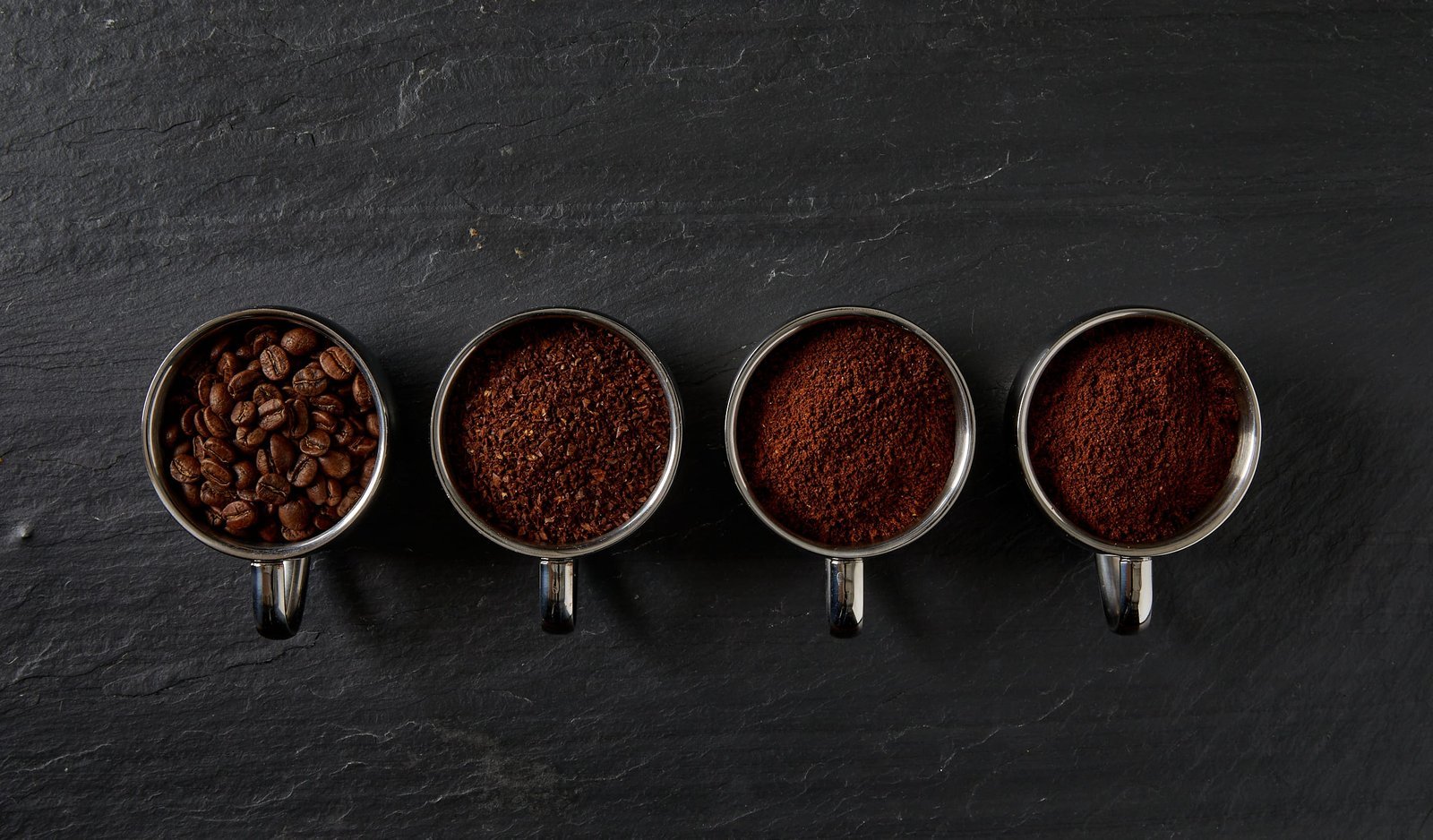
You can make a balanced, flavorful cup of coffee by using a standard ratio of two tablespoons of medium-ground coffee for every six ounces of filtered water. To make coffee with ground coffee beans, pay attention to water temperature and extraction time, ensuring the grounds are fully saturated without over-steeping. If you prefer a stronger cup, use three tablespoons; for a lighter brew, stick to one and a half tablespoons per six ounces of water.
Coffee brewing supplies
| Item | How much | Why it’s needed | A substitute |
|---|---|---|---|
| Ground coffee | 2 tablespoons | Provides the flavor | none — don’t swap this |
| Filtered water | 6 ounces | Extracts the oils | Tap water (if filtered) |
| Coffee filter | 1 unit | Removes fine sediment | Metal mesh strainer |
| Kettle | 1 unit | Heats the water | Stovetop pot |
| Spoon | 1 unit | Stirs the grounds | Wooden skewer |
Preparing your equipment
- Clean your coffee maker, carafe, or French press thoroughly to remove any old, bitter oils from previous uses.
- Check that your filter is properly seated in the basket to prevent grounds from leaking into your final cup.
- If using a pour-over device, pre-rinse the paper filter with hot water to remove any papery taste before adding coffee.
- Verify your water temperature stays between 195°F and 205°F for optimal extraction, as noted by the National Coffee Association.
- Always use fresh, cold water.
Brewing your coffee
- Measure exactly two level tablespoons of ground coffee beans for every six ounces of water you intend to brew into your carafe.
- Heat your filtered water in a kettle until it reaches just below boiling, which is roughly 200°F for most standard electric kettles.
- Place your filter into the brew basket and add the measured coffee grounds, shaking the basket gently to level out the surface.
- Pour a small amount of hot water, about one ounce, over the grounds to allow them to “bloom” and release trapped gases for 30 seconds.
- Slowly pour the remaining water over the grounds in a steady, circular motion, ensuring all grounds are saturated during the two-minute process.
- Wait for the water to finish dripping through the grounds completely, which should take about four minutes in total for a single cup.
- Remove the filter and grounds immediately after the drip cycle ends to prevent the coffee from becoming bitter due to over-extraction.
- Stir the brewed coffee in the carafe with a long spoon to ensure the flavor is consistent from top to bottom before serving.
Assessing your results
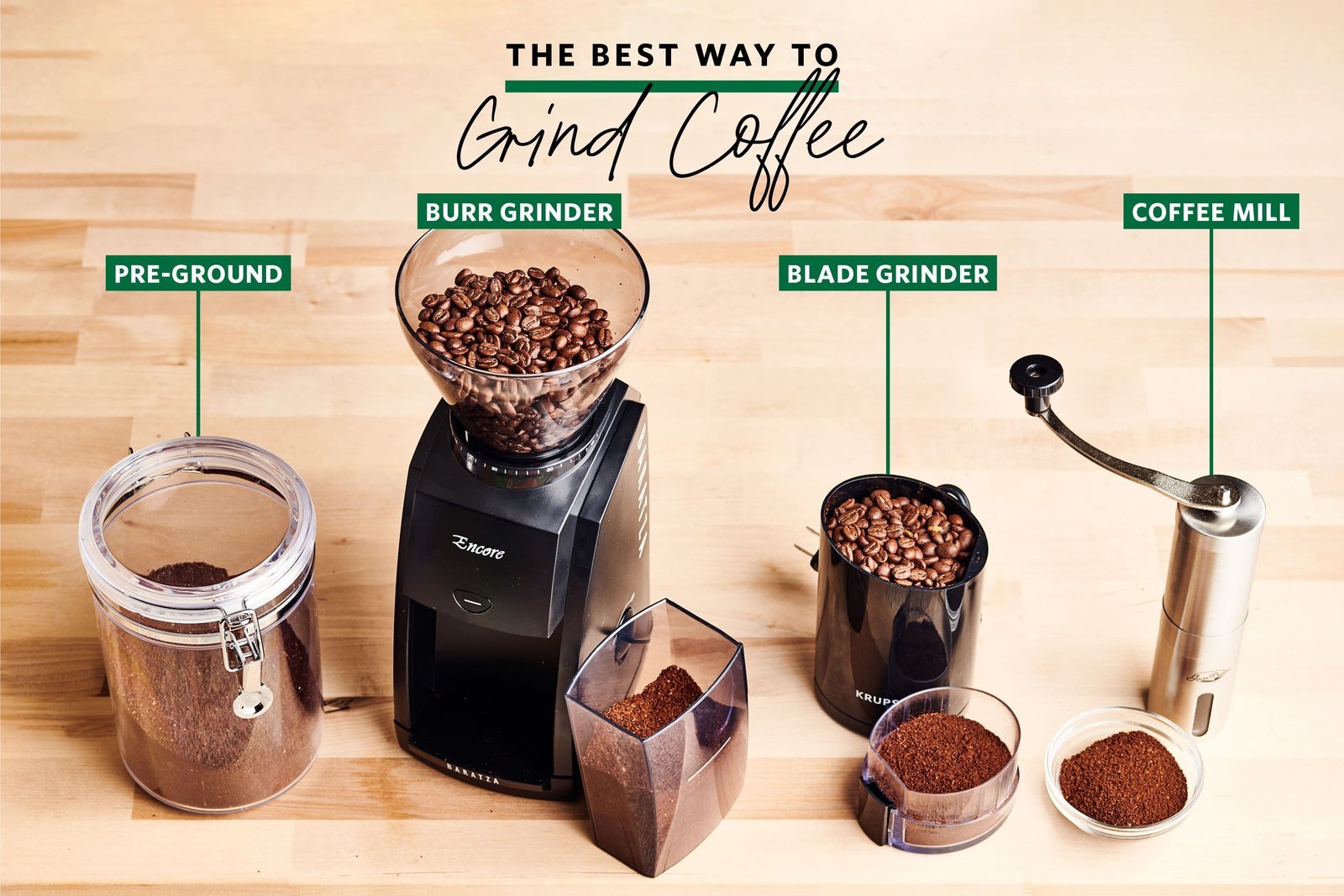
The coffee is ready when the liquid is clear of floating particles and the color appears deep brown rather than translucent or muddy. If the coffee tastes sour or thin, your grind was likely too coarse or the water passed through too quickly; adjust by using a finer grind next time. If the coffee tastes overly bitter or astringent, it was likely over-extracted; try a coarser grind or reduce the brewing time by 30 seconds.
Troubleshooting common issues
| What happened | Why | What to do |
|---|---|---|
| Coffee is too weak | Ratio was off | Add more grounds |
| Coffee is bitter | Over-extracted grounds | Reduce steep time |
| Sediment in cup | Filter failed | Use better filter |
| Water overflows | Basket too full | Brew smaller batch |
| Coffee is cold | Water not hot | Heat kettle more |
Maintaining your routine
You should brew your coffee fresh every morning to ensure the best flavor profile. The two biggest factors changing this frequency are your personal caffeine needs and the quality of your storage; always keep your ground coffee in an airtight container away from direct sunlight. If you find yourself brewing multiple times a day, clean your equipment after every use to prevent the buildup of bitter oils that ruin future batches.
Frequently asked questions
Can I use boiling water?
No, water at 212°F can lead to over-extraction, which may result in a bitter taste. Aim for a temperature between 195°F and 205°F for the best results.
How long does ground coffee stay fresh?
Ground coffee stays fresh for about two weeks if stored in an airtight container at room temperature away from light. After this time, the volatile oils evaporate, leading to a loss of aroma and flavor.
Is it safe to reheat brewed coffee?
Yes, it’s safe to reheat coffee, but it will lose its complex flavor profile and become increasingly acidic upon warming. If you must reheat it, do so gently on the stove rather than in the microwave.
What happens if I use too much water?
Using too much water relative to your grounds will lead to a watery, weak coffee that lacks body and depth. Stick to the ratio of two tablespoons per six ounces for a standard, balanced strength.
Does the grind size matter?
Yes, the grind size determines how fast water extracts flavor; a fine grind works best for espresso, while a coarse grind is necessary for a French press to avoid sludge. Match your grind to your specific device.
How do I know if my coffee is over-extracted?
Over-extracted coffee is identified by a dry, bitter, or astringent sensation on the tongue that lingers after swallowing. This usually happens if the water stays in contact with the grounds for too long.
Can I reuse coffee grounds?
No, reusing coffee grounds isn’t recommended because the majority of the soluble flavor compounds are removed during the first brew. A second pass will produce only a thin, bitter, and watery liquid.
Coffee ground, in short
Consistency is key to a great cup of coffee, so keep your measurements precise and your equipment clean. If you find your coffee is never quite right, try changing just one variable—like the grind size or the water temperature—at a time. This helps you identify exactly what your palate prefers, allowing you to replicate that perfect cup every single morning.