
To make ground coffee, combine two tablespoons of medium-coarse grounds with six ounces of hot water, steep for four minutes, and then press or filter the mixture.
Essential brewing tools
To make a high-quality cup, you need the right gear and fresh ingredients. Using stale beans or the wrong equipment will lead to a bitter or weak flavor that no technique can fix.
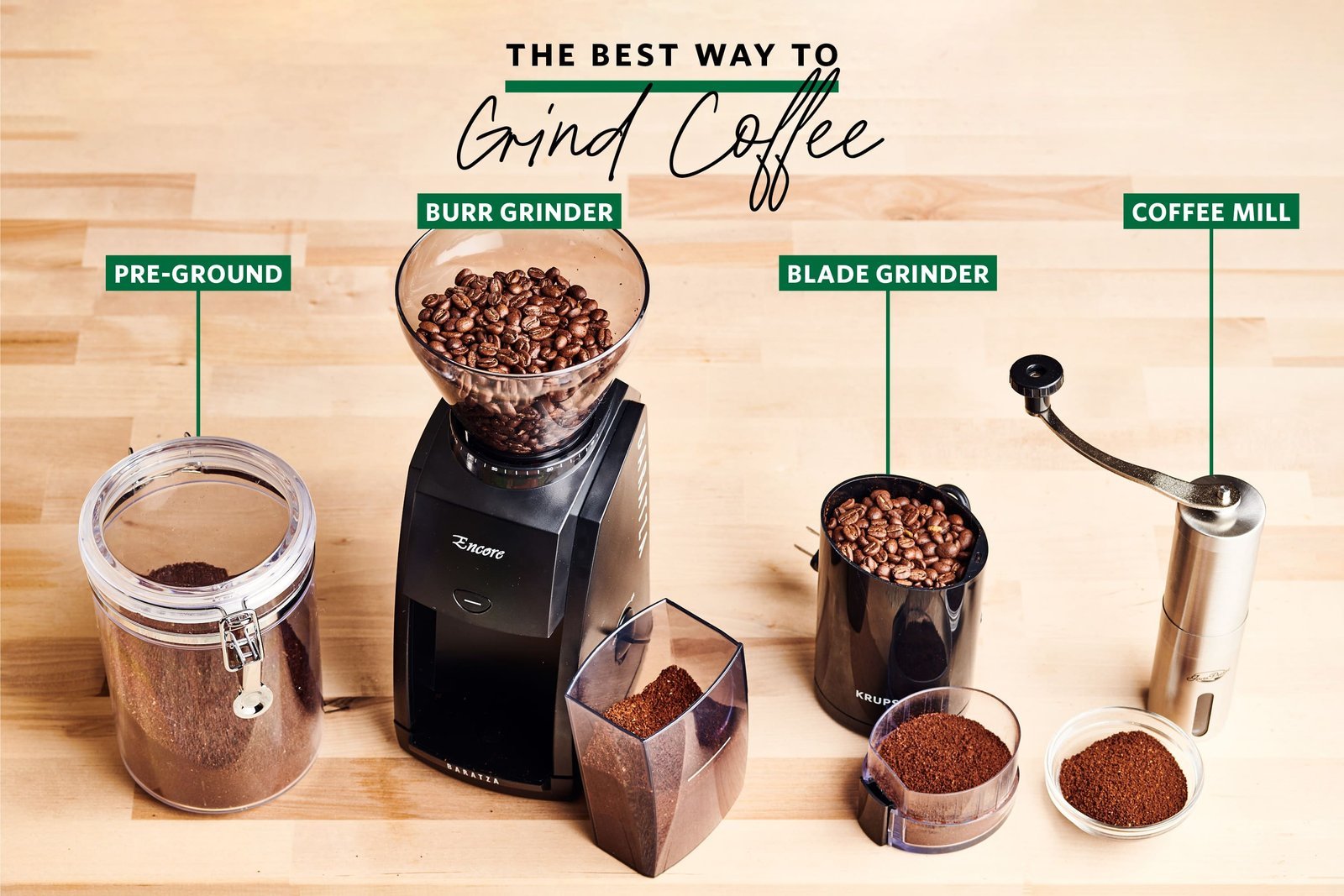
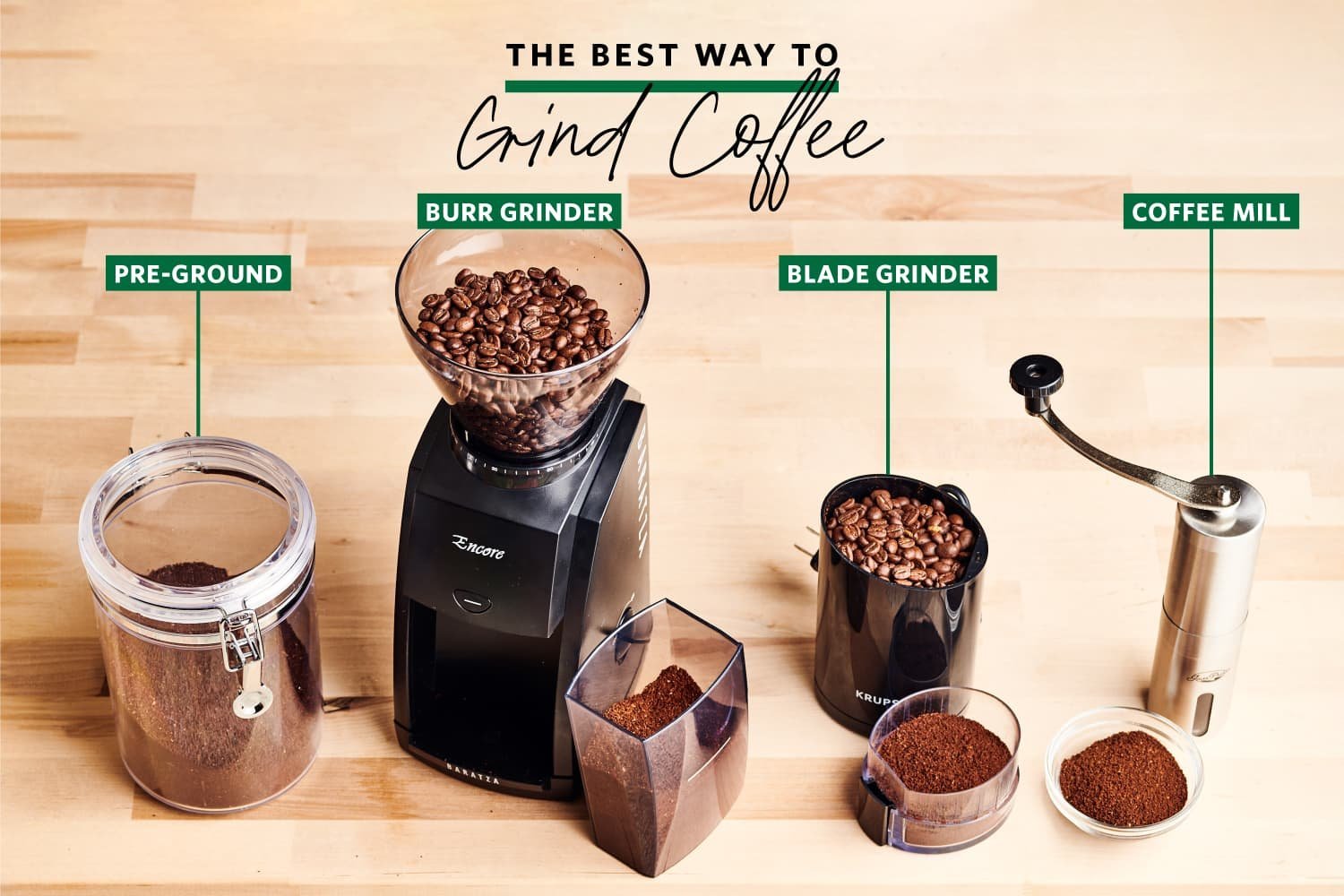
- Freshly roasted beans: Whole beans stay fresh longer than pre-ground options.
- Burr grinder: This creates uniform particles, which is essential for even extraction.
- Digital scale: Measuring by weight is more accurate than using volume scoops.
- Filtered water: Chlorine and minerals in tap water change the flavor profile.
- Brewing device: A French press, pour-over cone, or automatic drip machine.
A kitchen scale is the one tool that makes a real difference in consistency; don’t rely on “eye-balling” your measurements if you want a professional result. For guidance on water quality and safety, refer to the EPA water quality standards.
Brewing process steps
- Heat your water to between 195°F and 205°F. If you don’t have a thermometer, let the water sit for 60 seconds after it reaches a full boil.
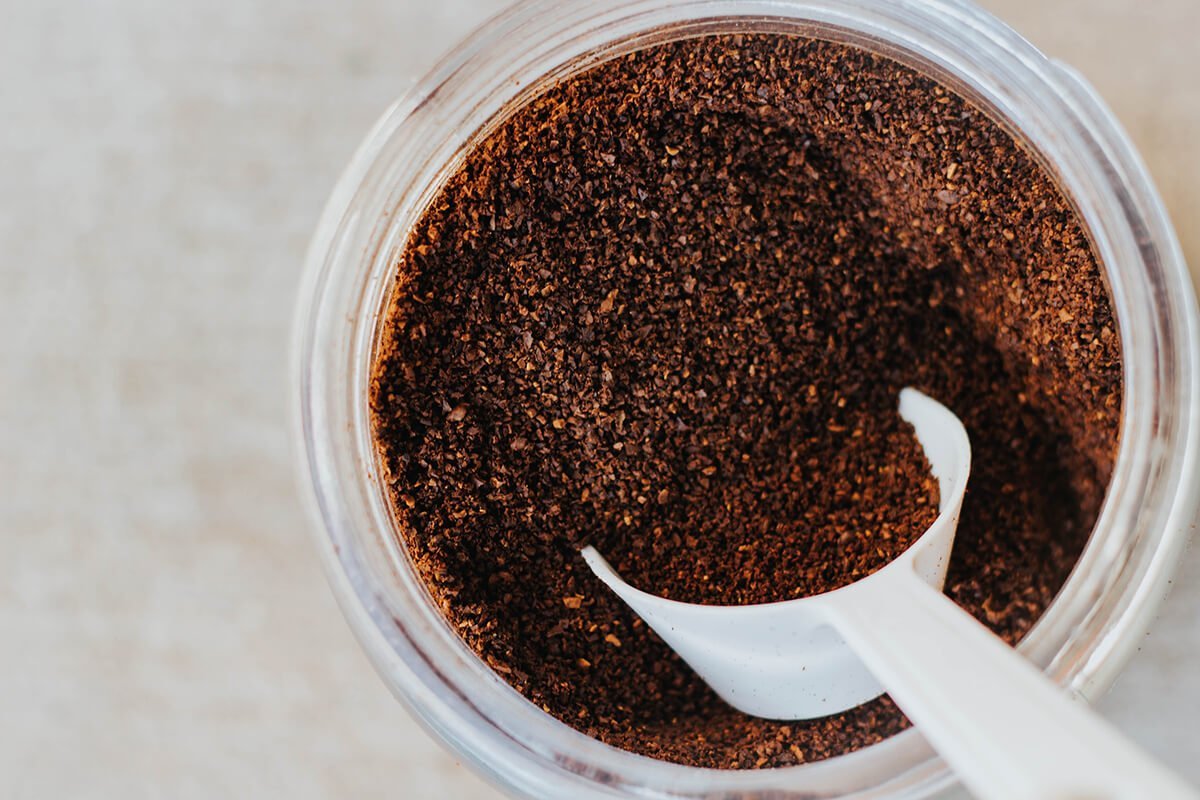
- Grind two tablespoons of beans to a medium-coarse consistency, which should look like sea salt.
- Place the grounds into your filter or brewing chamber.
- Pour just enough water to wet the grounds and wait 30 seconds. This allows the coffee to “bloom,” releasing trapped carbon dioxide.
- Add the remaining water slowly in a circular motion to ensure all grounds are evenly saturated.
- Steep or drip for a total of four minutes.
- Press or remove the filter immediately once the time is up to stop the extraction.
Tip: If your coffee tastes sour, your grind is likely too coarse; if it tastes burnt or overly bitter, your grind is too fine. Careful: Never use boiling water directly on the grounds, as it scalds the coffee and ruins the delicate oils.
Variables in coffee preparation
The time and method change depending on the equipment you choose. A French press needs a longer soak, while a pour-over requires a steady hand to keep the flow consistent.
| Method | Brew Time | Grind Size | Best For |
|---|---|---|---|
| French Press | 4 Minutes | Coarse | Bold body |
| Pour-Over | 3 Minutes | Medium-Fine | Clean flavor |
| Drip Machine | 5 Minutes | Medium | Convenience |
| Cold Brew | 12 Hours | Extra Coarse | Low acidity |
Starting with a small batch allows you to adjust your grind size without wasting expensive beans.
Detecting a perfect cup
A well-made cup of coffee is aromatic and smooth, with a distinct finish that reflects the origin of the bean. A poor result often tastes muddy, chalky, or excessively sour. This usually happens because of uneven extraction, where some grounds are over-extracted and others are under-extracted. You can prevent this by ensuring your grinder is clean and your water temperature is stable. If you consistently struggle with flavor, check your grinder burrs for wear, as dull blades produce “fines” that clog filters and create a bitter, silty texture in your final cup.
Standards and storage
Coffee beans should be stored in an airtight, opaque container away from heat and light to prevent oxidation. The National Coffee Association recommends keeping coffee in a cool, dark place to maintain its volatile oils. Once you have finished brewing, discard the used grounds into a compost bin rather than the sink, as coffee oils can build up and cause clogs over time. If you prepare large batches, consume them within two hours; after that, the flavor profile degrades significantly due to continued oxidation and temperature loss.
Alternative brewing paths
Espresso extraction
This uses high pressure to force water through very fine grounds in under 30 seconds. It requires a specific machine and produces a concentrated shot with a layer of crema on top.
Aeropress immersion
This portable device uses manual air pressure to push water through the grounds. It’s faster than a French press and offers a cleaner, sediment-free cup that’s very easy to clean.
Siphon brewing
This vacuum-based method uses vapor pressure to push water up into a chamber. It creates a very clean, tea-like body but requires more cleanup and specialized glass equipment than other methods.
Frequently asked questions
Can I reuse coffee grounds?
No, you can’t reuse coffee grounds because the flavor compounds and caffeine are extracted during the first brew. Using them again will result in a weak, watery, and unpleasantly acidic liquid that lacks the body of fresh coffee.
How long does ground coffee stay fresh?
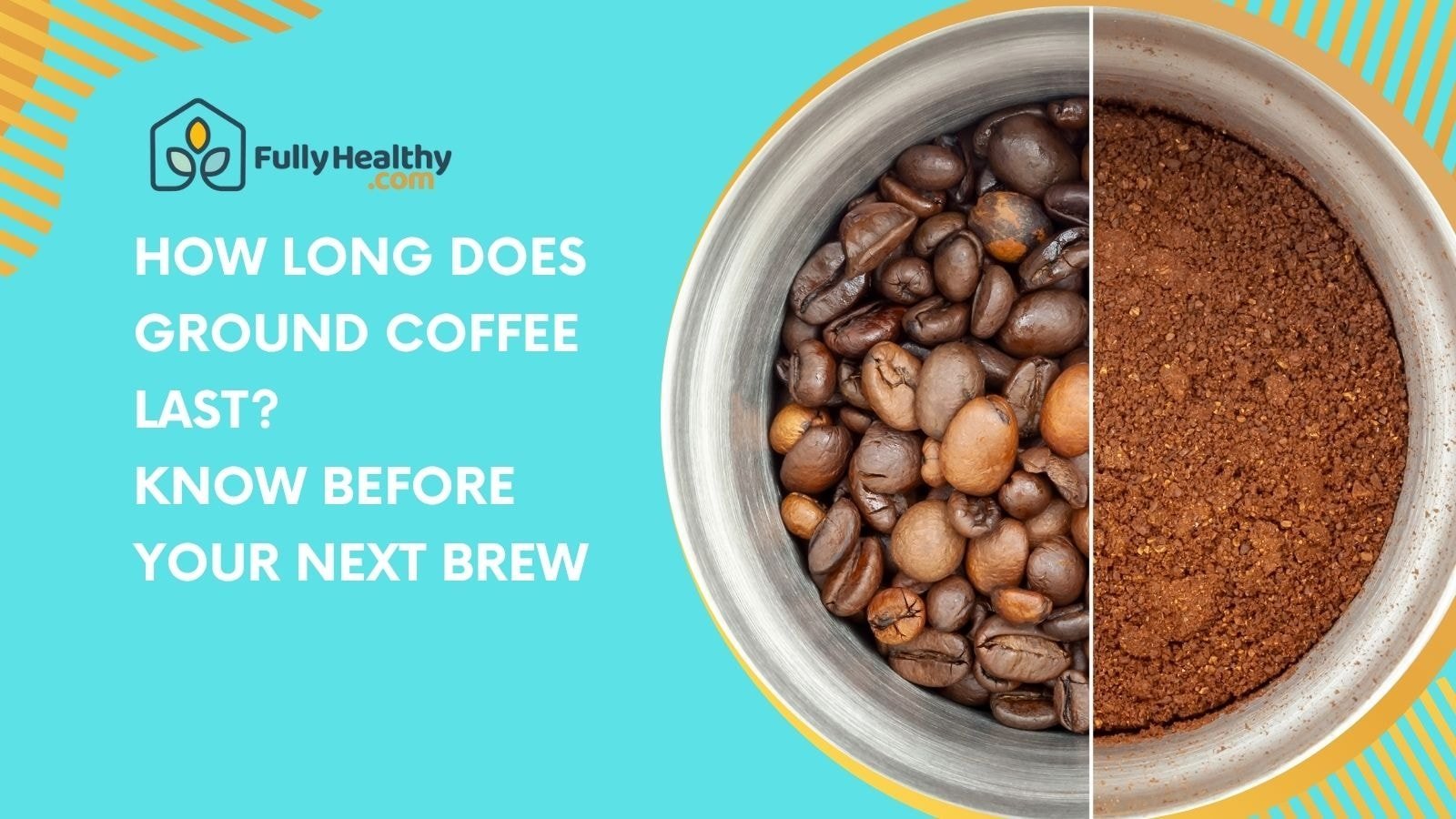
For the best flavor, grind your beans immediately before you start your brew rather than storing them in a pre-ground state for later use.
Is it safe to leave coffee out?
Yes, it’s safe to leave brewed coffee at room temperature for up to four hours. After this time, the oils begin to degrade, and the flavor becomes stale, though it remains safe to drink for a short period.
What happens if I use cold water?
If you use cold water, the coffee will be severely under-extracted and taste sour or salty. Hot water is necessary to dissolve the solids and oils that give coffee its characteristic flavor and aroma.
Why is my coffee bitter?
Your coffee is likely bitter because the grind is too fine or the water temperature is too high. Try using a slightly coarser grind or letting the water cool for an extra thirty seconds next time.
How much coffee per cup?
The standard ratio is two tablespoons of ground coffee for every six ounces of water. You can adjust this slightly based on your preference for a stronger or milder brew, but keep the ratio consistent for repeatable results.
Ground coffee, in short
Once you take that first sip, pay attention to the flavor. If it tastes too bitter or weak, don’t worry about it. Just adjust your grind size or timing slightly the next time you brew. You’ll find your perfect cup soon, so keep experimenting until you’ve got it just right.