
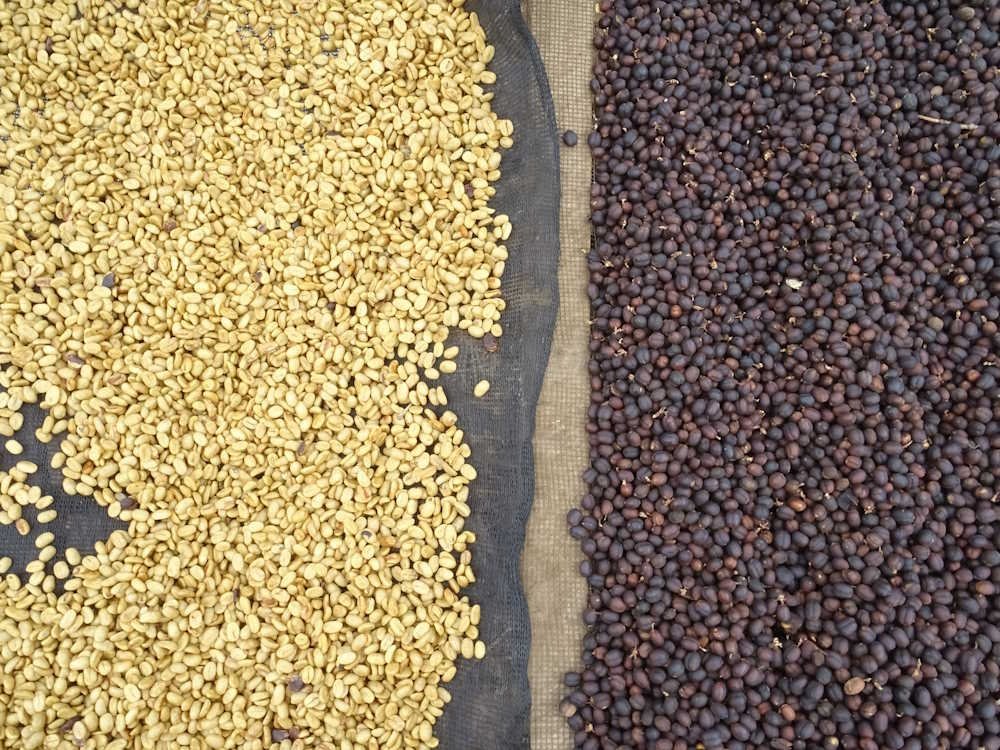
Washed coffee is generally better for those who want a clean, bright, and consistent flavor profile, while natural coffee is superior for drinkers who prefer heavy body and intense fruit notes. Choosing between washed vs natural coffee which is better depends entirely on your personal taste and the specific roast.
Deciding which coffee process is better
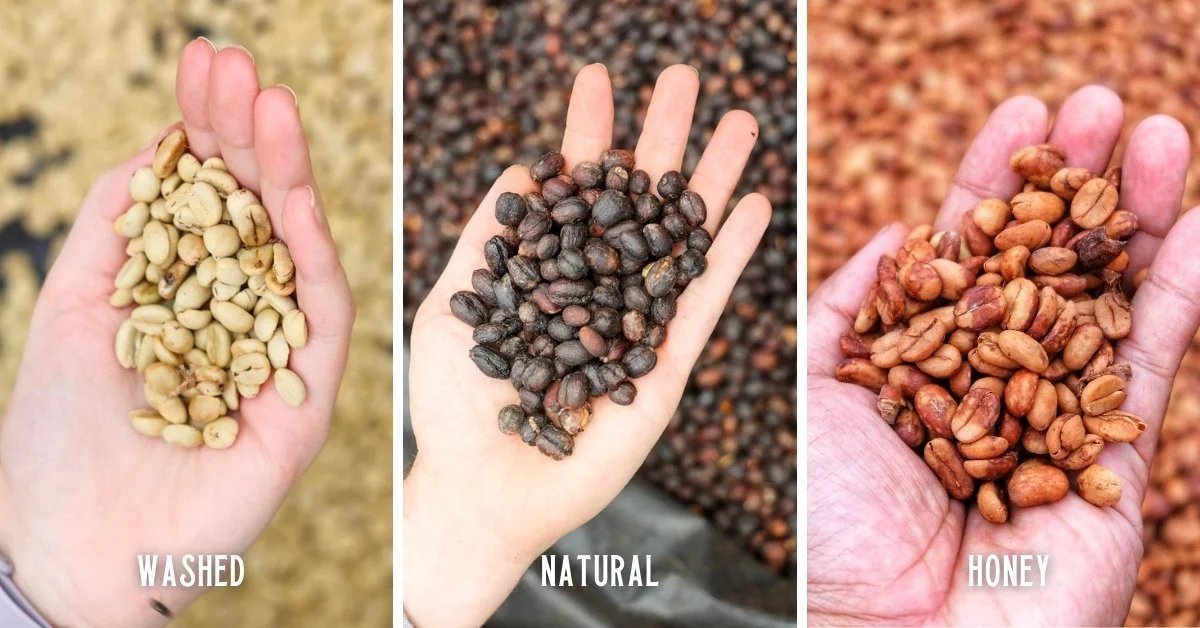
Most coffee drinkers find that the processing method changes the final cup significantly. Washed coffees rely on removing the fruit pulp before drying, which highlights the bean’s acidity. Natural coffees dry the whole cherry, which absorbs fruit sugars into the seed.
| Method | Flavor Profile | Body | Consistency | Best for |
|---|---|---|---|---|
| Washed | Bright, acidic | Light | High | Pour-over |
| Natural | Sweet, fruity | Heavy | Low | Espresso |
| Honey | Balanced | Medium | Medium | Drip |
The washed process
- Harvest ripe coffee cherries from the plant.
- Remove the outer skin and pulp using a depulping machine.
- Ferment the beans in water tanks for 12 to 48 hours to remove the mucilage layer.
- Rinse the beans with fresh water and dry them on raised beds.
- Hull the dried parchment to reveal the green coffee bean.
This method excels at highlighting the unique characteristics of the coffee variety and the region where it grew. If you enjoy a tea-like clarity in your cup, this is your best option. A major drawback is the high water usage, which can be an environmental concern in some regions.
The natural process
- Pick whole cherries from the coffee tree.
- Spread the entire cherries in the sun on patios or raised beds.
- Turn the cherries regularly for 2 to 4 weeks until they’re fully dry.
- Machine-hull the dried, brittle skins to remove the fruit and parchment.
- Sort the green beans to remove any defective pieces.
Natural processing creates a syrupy, wine-like sweetness that’s very popular in modern specialty coffee. It’s ideal for darker roasts where you want to emphasize deep berry or chocolate flavors. The main downside is a lack of consistency, as even one fermented cherry can ruin an entire batch.
The honey process
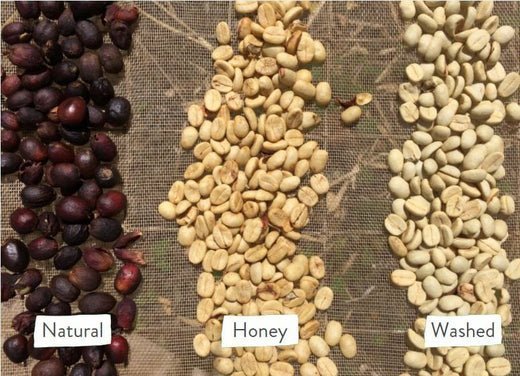
- Depulp the cherries but leave the sticky fruit layer intact.
- Dry the beans immediately on beds without washing.
- Rake the beans frequently to prevent mold and ensure even moisture loss.
- Remove the remaining dried fruit layer once moisture reaches 11 percent.
This hybrid method offers the body of a natural coffee with the clean acidity of a washed bean. It provides a unique balance that many home brewers love for drip coffee. However, it requires intense labor and precise weather control, which makes it more expensive for producers to manage.
Choosing your preferred coffee style
When you’re in a hurry, choose a washed coffee because it’s easier to brew and less likely to have uneven flavors. If you want the best possible result regardless of time or cost, look for high-quality natural processed beans from a reputable roaster. The trade-off is simple: you trade the clarity and safety of a washed bean for the bold, adventurous flavors of a natural one.
Rules for consistent coffee quality
Regardless of the processing method, you must store your beans in an airtight container away from direct light to prevent oxidation. Always check your roast date; coffee is best consumed within two to four weeks of roasting. If you find your coffee is too sour, grind it finer; if it’s too bitter, grind it coarser. Always use filtered water, as the mineral content will drastically change the final flavor.
Frequently asked questions
Can I brew natural coffee in a French press?
Yes, natural coffee is excellent in a French press because the metal filter allows the heavy oils and body of the coffee to reach your cup. This highlights the natural sweetness and fruity notes that define this specific processing style.
Why is natural coffee more expensive?
Natural coffee often costs more because it requires a longer drying time and more labor to turn the cherries by hand. Producers also risk losing the entire crop to fermentation if the weather is too humid or rainy during drying.
Is it safe to drink coffee with fermented flavors?
Yes, the fermented notes in natural coffee are a result of controlled drying, not spoilage. However, if the coffee smells like vinegar or rotten fruit, it may have been processed incorrectly and should be discarded to avoid an unpleasant experience.
How long does coffee stay fresh?
Coffee stays fresh for about four weeks after the roast date if kept in a sealed bag. After this time, the volatile aromatic compounds begin to fade, and the cup will lose its brightness and complex flavor profile.
What happens if I use tap water?
Using tap water can introduce chlorine or excess minerals that mask the subtle flavors of your coffee. Always use filtered water to ensure the bean’s true character shines through, especially when brewing high-quality washed or natural beans.
Washed natural, in short
The most important factor in your coffee experience remains the quality of the green bean and the skill of the roaster, regardless of whether the producer chose a washed or natural path. Stick to fresh, well-stored beans to get the best out of any bag you buy.
Related guides