
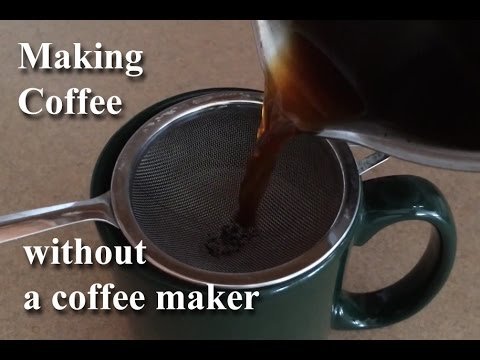
You make ground coffee by combining two tablespoons of medium-coarse grounds with six ounces of hot water, allowing it to steep for four minutes before filtering. The entire process takes about five minutes, costs pennies per cup, and requires only basic equipment you likely already own.
How do you make ground coffee: Essential Gear
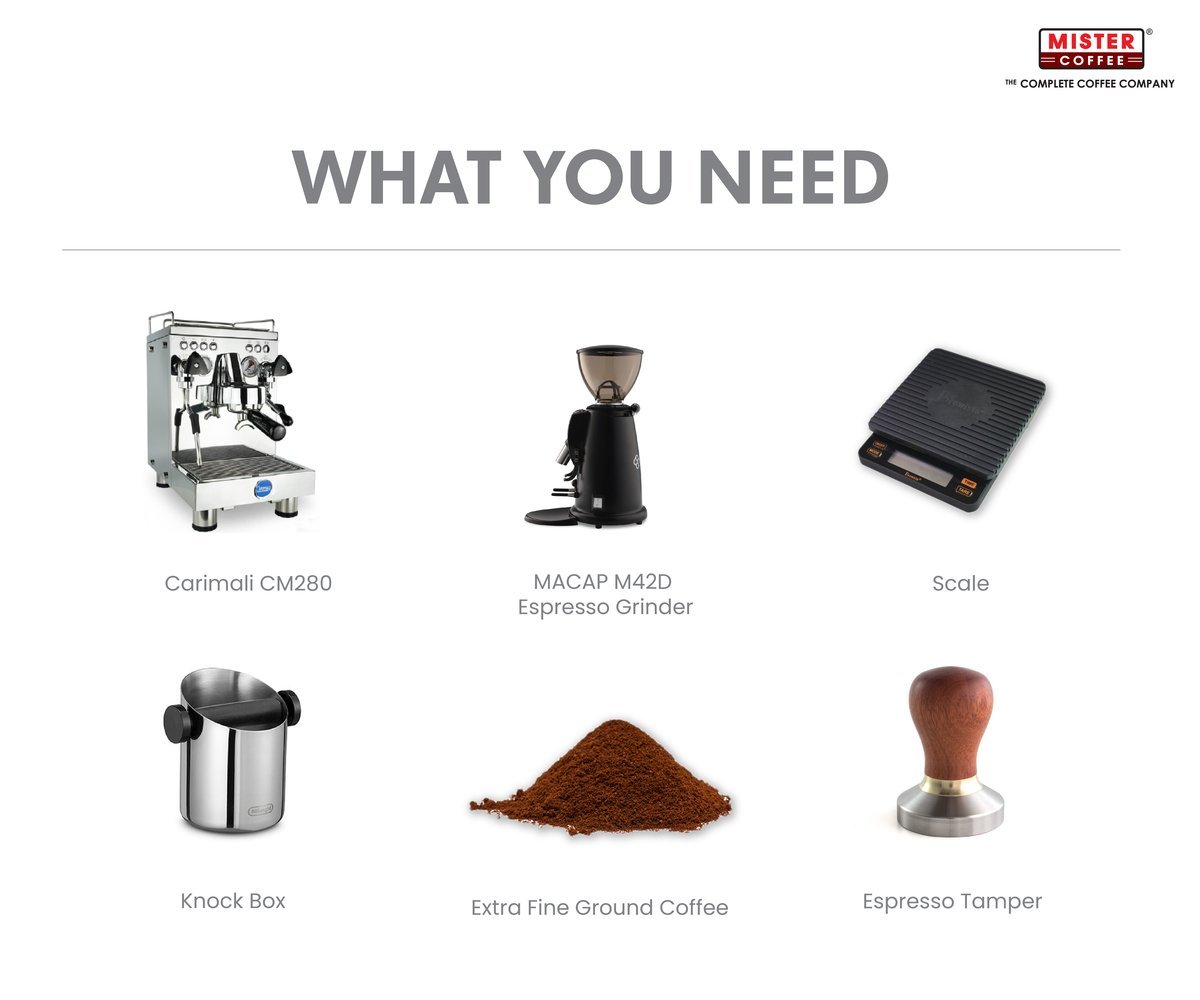
| Item | How much | Why it’s needed | A substitute |
|---|---|---|---|
| Coffee beans | 15 grams | Provides the flavor base | Pre-ground coffee |
| Water | 6 ounces | Extracts the coffee oils | Filtered tap water |
| Coffee grinder | 1 device | Breaks beans into grounds | None — don’t swap |
| Kettle | 1 unit | Heats water to temp | Stovetop pot |
| Filter | 1 piece | Removes sediment | Fine mesh sieve |
| Scale | 1 unit | Ensures exact ratios | Measuring scoops |
Preparing for the Brew
- Ensure your grinder is clean to avoid old, stale coffee oils affecting the fresh flavor.
- Clear your counter space to prevent accidental spills while pouring hot water near the electronics.
- Check your water quality, as mineral buildup can impact extraction; FoodSafety.gov’s water storage tips remind us that water purity matters for health.
- If you’re using an electric kettle, verify it’s plugged into a grounded outlet to prevent electrical hazards.
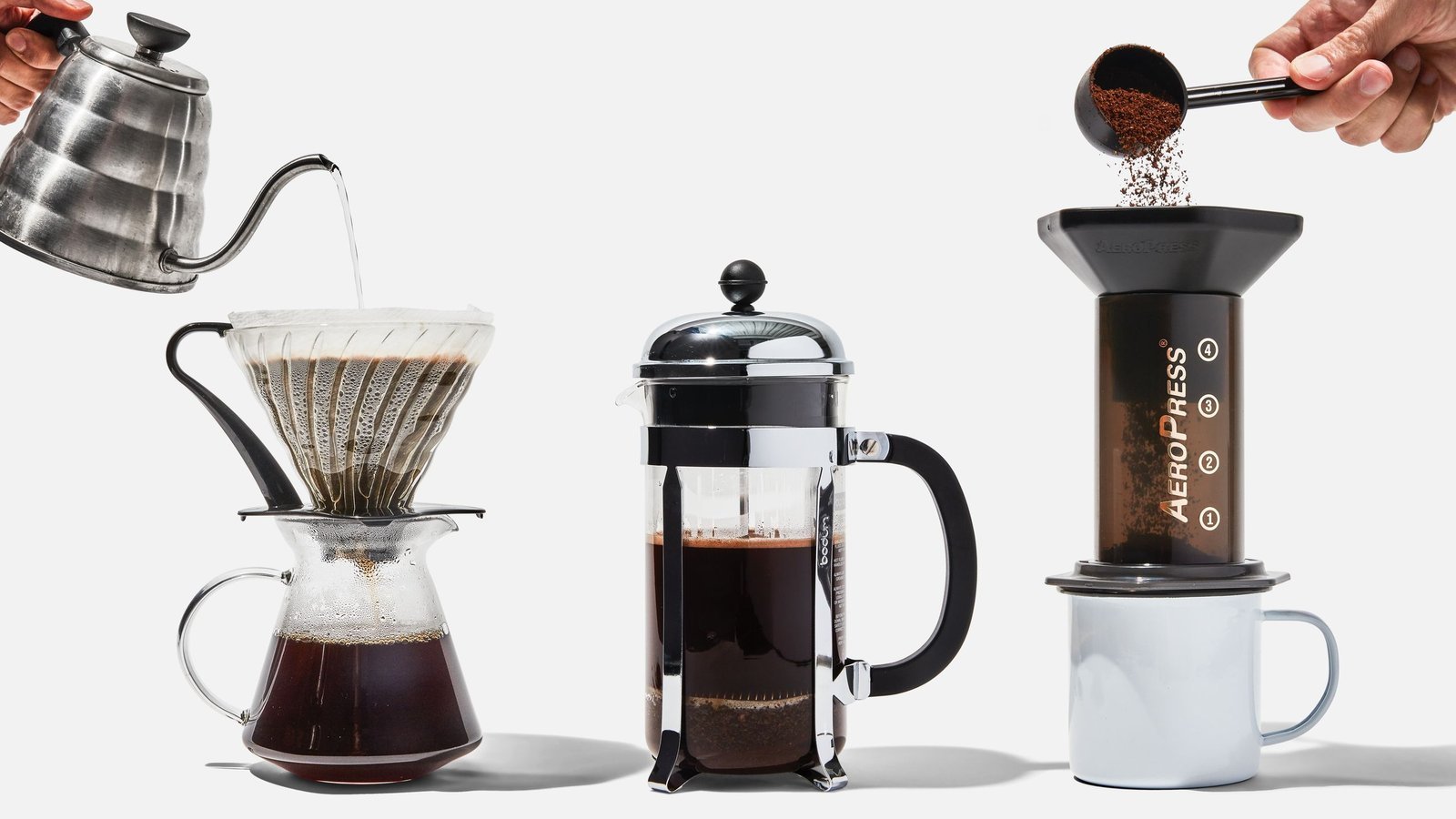
- This process assumes a standard drip or pour-over method; for French press, use a coarser setting.
Brewing Coffee Steps
- Weigh 15 grams of whole coffee beans using a digital scale to ensure consistent strength for every single cup you brew.
- Set your grinder to a medium-coarse setting, which looks like sea salt, to prevent the coffee from tasting bitter or muddy.
- Pulse the grinder for 10 seconds until the beans reach a uniform, sand-like texture that allows for even water contact.
- Heat 6 ounces of fresh, cold water in your kettle until it reaches just below boiling, around 200°F.
- Place your filter into the brewing device and rinse it with a splash of hot water to remove any papery taste.
- Add the ground coffee to the filter and gently shake the device to level the grounds for an even extraction.
- Pour 1 ounce of hot water over the grounds and wait 30 seconds to let the coffee bloom and release gas.
- Pour the remaining 5 ounces of water in slow, circular motions to ensure all grounds are fully saturated during brewing.
- Allow the coffee to drip through the filter for approximately 3 minutes, checking that the flow remains steady and clear.
- Remove the filter once the dripping stops, as letting it sit longer can introduce harsh, over-extracted flavors into your mug.
Signs of Success
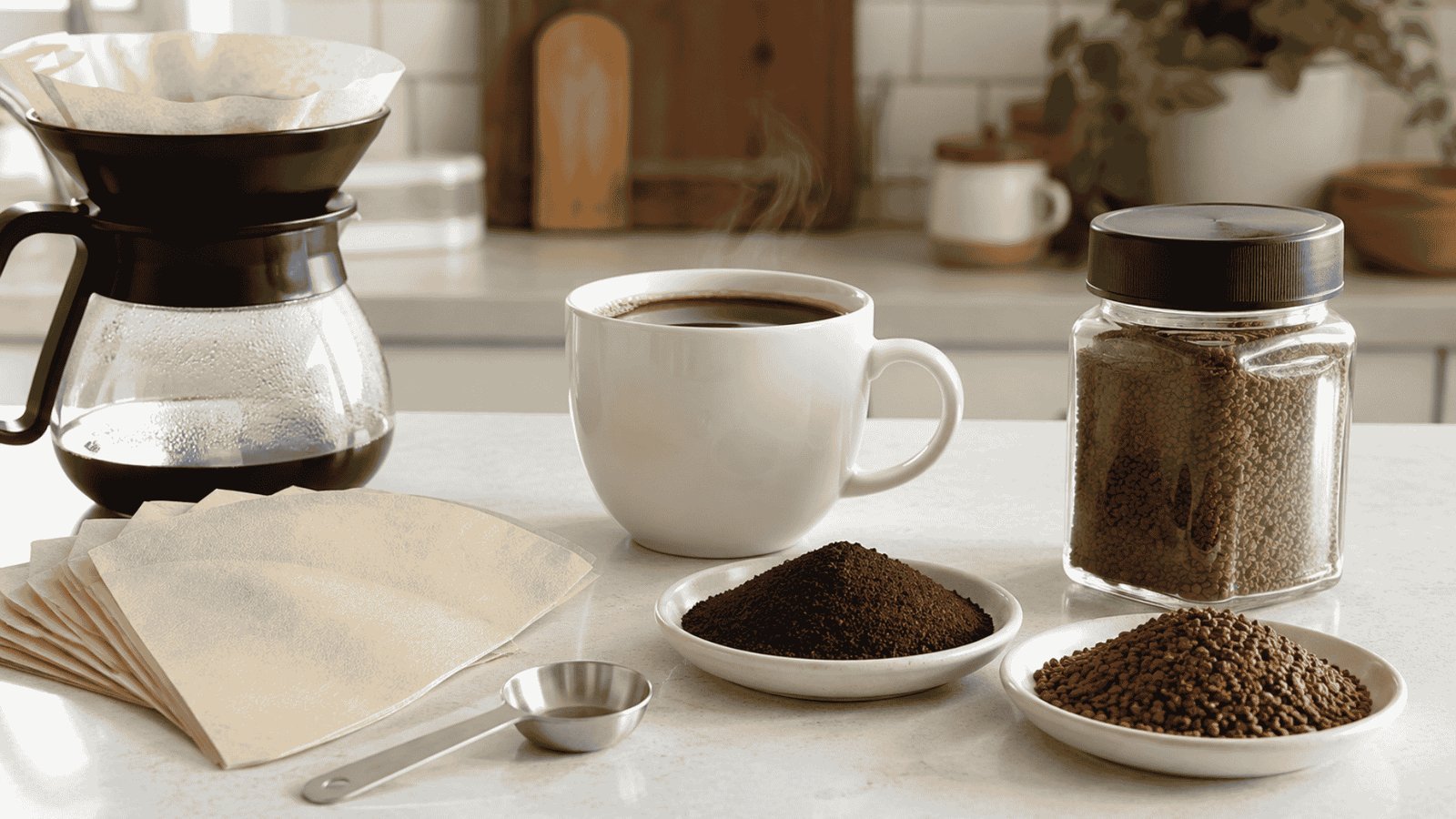
You know the brew worked if the coffee appears rich and dark with a clean, sediment-free finish in your cup. If the coffee tastes too watery, your grounds were likely too coarse or the water passed through too quickly. If it tastes burnt or overly bitter, your grounds were too fine or the water was too hot. If you find the result is consistently weak, try using a slightly finer grind or increasing the coffee amount by two grams next time.
Troubleshooting Coffee Issues
| What happened | Why | What to do |
|---|---|---|
| Coffee tastes sour | Under-extraction | Use a finer grind |
| Coffee tastes bitter | Over-extraction | Use a coarser grind |
| Water overflows filter | Grind is too fine | Use a coarser setting |
| Coffee is cold | Equipment heat loss | Pre-heat your mug |
| Grounds in cup | Broken paper filter | Use a fresh filter |
Frequency of Brewing
Brewing fresh coffee is a daily habit for most, though the frequency depends on your personal caffeine needs and bean freshness. If you buy coffee in bulk, store it in an airtight container away from light to maintain quality for up to two weeks. If you live in a humid climate, keep your beans in a cool, dry pantry to prevent moisture from degrading the flavor before you reach the bottom of the bag.
Frequently asked questions
Can I reuse coffee grounds?
No, coffee grounds should only be used once because the initial extraction pulls out the flavorful oils and compounds. Re-brewing used grounds will result in a weak, bitter, and unpleasant cup of liquid.
Why is my coffee bitter?
Bitter coffee is usually caused by over-extraction, which happens when the grind is too fine or the water is too hot. Try using a slightly coarser grind setting to balance the flavor profile.
How long does ground coffee stay fresh?
Ground coffee begins to lose its aroma and flavor shortly after grinding, so it’s best to brew immediately. For the best experience, grind your beans immediately before brewing rather than storing them in a pre-ground state.
Is it safe to drink black coffee?
Yes, black coffee is safe to consume and contains no calories or fat. If you’re sensitive to caffeine, limit your intake to a few cups per day based on your own health needs.
What happens if I use boiling water?
Using boiling water can scald the coffee grounds and lead to a burnt, harsh taste in your final cup. Aim for a temperature between 195°F and 205°F for the best results.
Does the type of water matter?
Yes, the quality of your water significantly impacts the final flavor since coffee is mostly water. Always use filtered, cold, fresh water to ensure that no chlorine or mineral tastes hide the coffee notes.
Can I make coffee without a machine?
Yes, you can make excellent coffee using a simple pour-over method with just a filter and a funnel. This manual approach gives you full control over the water flow and saturation time.
Ground coffee, in short
Enjoy your freshly brewed cup immediately while it’s at its peak temperature and flavor. If you find the strength isn’t quite right, adjust the coffee-to-water ratio by one gram until you find your perfect balance. Consistent results come from keeping your equipment clean and your beans fresh, so rinse your gear thoroughly after every use to prevent stale residue from building up.
Related guides