
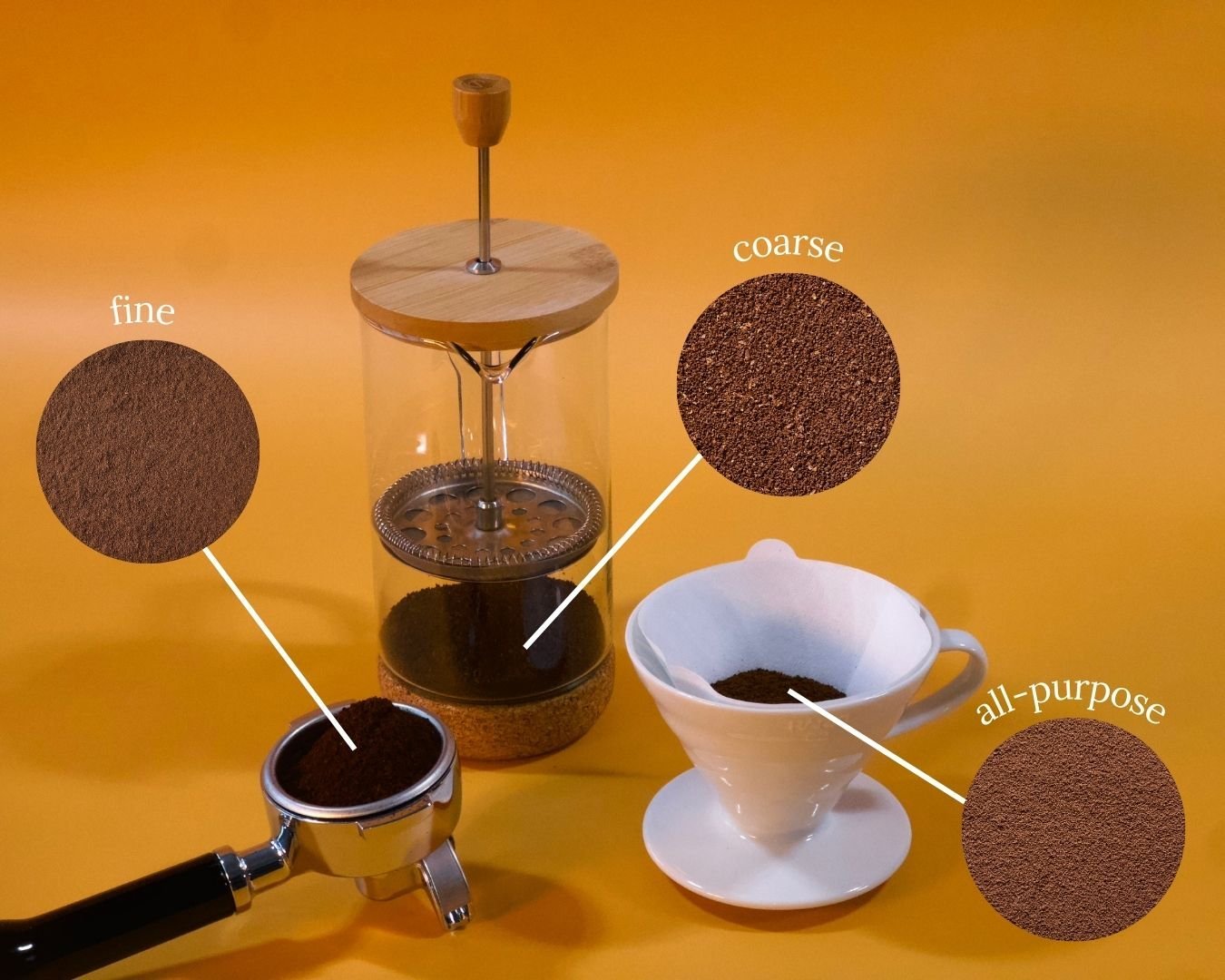
What is all purpose grind coffee is a medium-coarse texture designed to work across most home brewing methods, including drip machines and French presses. This grind size sits between fine espresso and coarse cold brew, offering a balance that avoids both bitter over-extraction and sour, watery results in your cup.
The primary factor determining if this grind works for you is the contact time between water and coffee. If you use a very fast brewing method like a pour-over, a medium grind might feel slightly weak; if you use a long-immersion method like a French press, it may leave more sediment. The most common mistake people make is assuming “all purpose” means “perfect for everything,” which ignores the specific needs of different devices.
Brewing with all purpose grind coffee
Photo: kalitausa.com on Google
- Measure your coffee beans using a scale for accuracy, aiming for 1 gram of coffee per 16 grams of water for a balanced ratio.
- Adjust your grinder to a medium-coarse setting, which should look and feel similar to sea salt or rough sand.
- Rinse your paper filter with hot water before adding the grounds to remove any papery taste or dust.
- Pour enough hot water to saturate the grounds, then wait 30 seconds to let the coffee bloom and release trapped gases.
- Add the remaining water in a slow, steady stream to ensure consistent extraction across all the particles.
- Serve the coffee immediately after the brewing cycle ends to prevent the bitter flavors that develop as the liquid cools.
Tip: If your coffee tastes sour, your grind is likely too coarse or the water temperature is too low. Tip: If your coffee tastes unpleasantly bitter, your grind is likely too fine or the contact time is too long.
Factors affecting brew time
The time required to brew coffee changes based on the equipment you choose to use. While a medium grind is versatile, the mechanical design of your brewer dictates the flow rate and total immersion duration.
| Brewing Method | Typical Time | What changes it | What to watch for |
|---|---|---|---|
| Drip Machine | 4-6 minutes | Machine power | Water temperature |
| French Press | 4 minutes | Water agitation | Sediment level |
| Pour-over | 3 minutes | Pour speed | Filter resistance |
| Percolator | 7-10 minutes | Heat source | Over-boiling |
If your brew takes significantly longer than the table suggests, your filter might be clogged or the grind size is too fine, which forces the water to work harder to pass through.
Identifying ideal extraction
Photo: donfranciscos.com on Google
You can tell your coffee is properly extracted by observing the color and flavor profile of the final brew. A well-extracted cup will appear clear, not muddy, and will have a balanced sweetness without harsh, drying bitterness. When evaluating the quality of your beans and the environment in which you store them, consult the FoodSafety.gov cold food storage charts to ensure your coffee accessories and milk supplies remain safe. If the grounds look like fine powder, you have gone too far; if they look like large pebbles, they’re too coarse. The best test is a simple taste comparison between two cups brewed with slightly different water contact times.
Common brewing errors
- Using stale beans: Coffee loses its peak flavor profile within weeks of roasting, so check the “roasted on” date before you grind. Always store your beans in an airtight container away from direct sunlight to maintain their natural oils.
- Ignoring water quality: Since a cup of coffee is mostly water, using tap water with heavy chlorine or mineral buildup will mask the coffee’s true flavor. Use filtered water to ensure your brew tastes clean and consistent every single time.
- Inconsistent grind size: Using a blade grinder creates a mix of dust and large chunks, which leads to an uneven flavor profile. Switch to a burr grinder to ensure every particle is the same size, which provides a balanced, predictable cup.
Frequently asked questions
Photo: donfranciscos.com on Google
Can I use all purpose grind for espresso?
No, all purpose grind is too coarse for espresso machines. Espresso requires a very fine, powdery consistency to create the necessary resistance against the high-pressure pump. Using a medium grind in an espresso machine will result in a watery, sour shot that lacks the rich crema you expect.
How long does all purpose grind coffee stay fresh?
Ground coffee stays fresh for about one to two weeks if kept in an airtight, opaque container at room temperature. Once you grind the beans, the surface area increases significantly, which speeds up the oxidation process and causes the delicate aromas to fade much faster than in whole bean form.
Is all purpose grind the same as drip grind?
Yes, all purpose grind is essentially the same as a standard drip grind. Manufacturers use the “all purpose” label to signal that the coffee is pre-ground to a medium setting, which is the industry standard for traditional automatic drip coffee makers found in most homes.
Why is my coffee watery?
Your coffee is likely watery because the grind is too coarse for your specific brewing method. When the particles are too large, the water passes through them too quickly, failing to extract enough flavor and oils; try a slightly finer setting to increase the contact time.
How much coffee should I use?
Use two tablespoons of ground coffee for every six ounces of water as a starting point. This ratio is a general baseline, but you should adjust the amount based on your preference for strength; use less coffee for a lighter body or more for a bolder, more intense flavor.
What happens if I use a coarse grind in a drip machine?
If you use a coarse grind in a drip machine, the water will flow through the filter too fast, resulting in a weak, sour cup. The machine doesn’t have the pressure or the long soak time required to extract flavor from large particles, so the final brew will lack depth.
All purpose, in short
The consistency of your grind determines the success of your morning cup more than the specific machine you choose. By matching the texture to your brewer and using fresh, quality beans, you ensure that every cup you pour is balanced and enjoyable.